
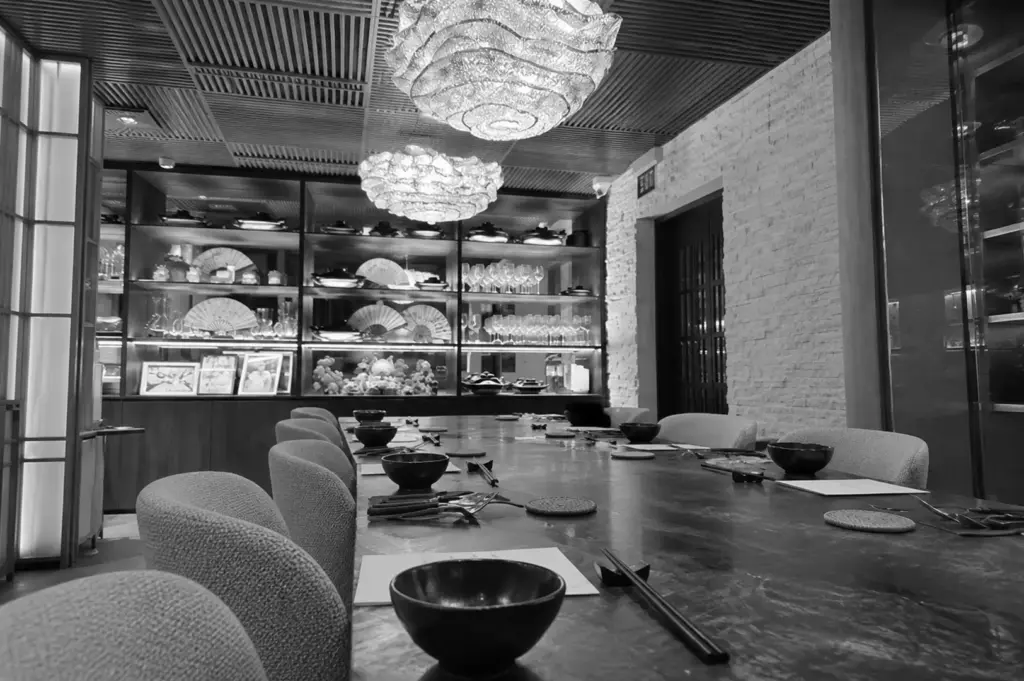
We used to understand luxury dining in a very specific way. It meant white tablecloths, imported ingredients, expensive wines, long tasting menus, and a bill that made the meal feel like an occasion. Those restaurants still have their place. But in Singapore’s dining scene today, luxury is becoming harder to define by price alone.
Increasingly, the new luxury is not always fine dining. It is getting exactly what you want, when you want it, in a way that feels made for you.
We see this shift across restaurants, cafes, bakeries, private dining rooms, and small specialised concepts. Diners are no longer impressed only by premium ingredients. They care about whether a place understands their dietary needs, preferred portions, spice tolerance, budget, schedule, and reason for dining. A restaurant that can serve a thoughtful vegetarian menu, adjust for allergies, offer smaller portions, remember a regular’s coffee order, or build a focused experience around one dish can feel more valuable than a place that simply uses expensive produce.
This does not mean quality no longer matters. It matters even more. But the meaning of quality is changing. A good meal today is not only about what is rare or costly. It is about relevance. Did the restaurant make the experience easier? Did the menu feel clear? Did the staff understand what the table needed? Did the food match the diner’s lifestyle rather than forcing the diner to fit the restaurant’s format?
Singapore is well suited to this change because our dining habits are diverse. A single table may include someone who avoids beef, someone who wants less spice, someone eating plant-based dishes, someone watching sugar intake, and someone who just wants a proper meal before heading back to work. In that setting, flexibility is not a bonus. It is part of hospitality.
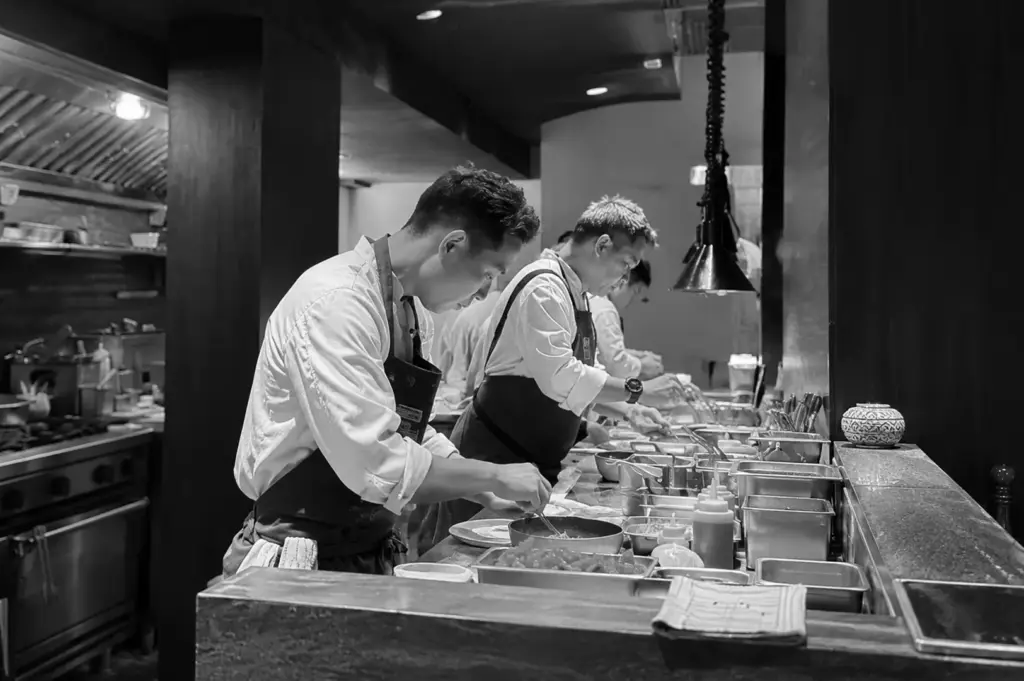
Smaller restaurants and specialised concepts are helping lead this shift. A ramen shop that focuses on one broth, a cafe built around coffee and toast, a bakery known for a few excellent items, or a chef’s counter that adjusts the meal to the guest can offer a different kind of luxury. These places may not look grand, but they can feel precise. When a restaurant knows what it does well and serves the right diner well, the experience becomes personal.
Customisation also reflects a wider change in how people spend. Diners are more careful now. They may still pay for a good meal, but they want the money to feel justified. A large menu with many average choices is less attractive than a smaller menu with clear purpose. A costly dinner feels less satisfying if the restaurant cannot handle a simple dietary request. The modern diner is not only asking, “Is this premium?” They are asking, “Is this right for me?”
Of course, restaurants cannot say yes to everything. Too much customisation can slow kitchens, confuse menus, and weaken consistency. A restaurant still needs boundaries. But the best operators know how to offer flexibility without losing identity. They are clear about what can be adjusted, what cannot, and why.
For us, this is where the future of dining luxury is heading. It is not about replacing fine dining, but widening the idea of what luxury means. Sometimes luxury is a quiet counter seat, a perfectly sized set lunch, a caffeine-free pairing, a gluten-free dessert that does not feel like an afterthought, or a restaurant that remembers how you like your noodles.
The new luxury is not always about having more. Sometimes, it is about having something that fits.
Visit Food Reporter SG by clicking here: https://foodreportersg.com/, for more stories on Singapore’s dining culture, restaurant trends, and the changing ways we define a good meal.