
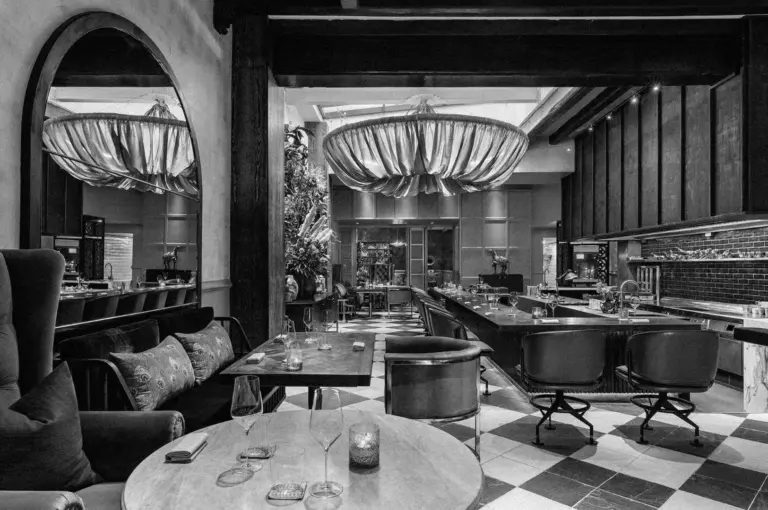
We remember our first experience dining at a Michelin-starred restaurant in Singapore. The anticipation, the unfamiliar etiquette, and the excitement of tasting dishes crafted with mastery and precision. The Michelin Guide Singapore is often misunderstood as an exclusive club for the elite, but it is, in fact, a prestigious guide that celebrates quality cuisine across all types of dining experiences—from fine dining establishments to humble hawker stalls.
What Is the Michelin Guide and How Does It Work?
The Michelin Guide, first published in the early 1900s in France, was originally created to encourage travellers to explore more by car, boosting tyre sales. Over time, it evolved into the world’s most prestigious culinary guide, with Michelin inspectors visiting restaurants anonymously to assess the quality of food and dining experience. Today, the guide is published in many countries, including Singapore, where it has become a vital resource for food lovers.
Michelin inspectors evaluate restaurants based on five key criteria: the quality of ingredients, mastery of flavour and cooking techniques, the personality of the chef expressed through the cuisine, consistency of the dining experience, and overall value for money. Notably, décor and service quality do not influence the awarding of Michelin stars, although the guide recognizes exceptional service through other accolades.
The guide has sold more than 30 million copies worldwide, reflecting its global influence and importance in the culinary world. Its rigorous and anonymous inspection process ensures that diners can trust the quality and authenticity of the recommendations.
Michelin Star Restaurants: What the Stars Mean

Michelin stars are awarded to restaurants that meet the guide’s rigorous standards:
One Michelin Star: A very good restaurant in its category, worth a stop. Many one-star restaurants in Singapore offer exquisite dishes that showcase quality and mastery of cooking techniques. This star is often the first major recognition for chefs and restaurants and can significantly boost their visibility and clientele.
Two Michelin Stars: Excellent cooking, worth a detour. These restaurants demonstrate exceptional skill and creativity, often drawing diners from around the world. Earning two stars is a prestigious achievement that highlights the restaurant’s ability to deliver consistently outstanding cuisine.
Three Michelin Stars: Exceptional cuisine, worth a special journey. Only a select few restaurants worldwide, including Singapore’s celebrated Les Amis, Odette, and Zen, have earned this highest honour. These establishments represent the pinnacle of culinary artistry and are destinations in their own right, attracting food enthusiasts willing to travel specifically to dine there.
Singapore holds a unique position in the Michelin world as the first country in Southeast Asia to have Michelin-starred restaurants and hawker stalls. This includes the iconic Hill Street Tai Hwa Pork Noodle, a Bib Gourmand hawker stall recognized for its outstanding value and flavour. This recognition of street food alongside fine dining underscores Singapore’s diverse food culture and the Guide’s commitment to celebrating excellence in all forms.
The Singapore Selection: From Bib Gourmand to Three Michelin Stars
The Michelin Guide Singapore publishes an annual list of winners, including Michelin-starred restaurants, Bib Gourmand selections, and Michelin Selected venues. The Bib Gourmand category highlights places that offer excellent food at moderate prices, making Michelin-recognized dining accessible to all. In the 2024 edition, 81 food establishments were recognized with a Bib Gourmand, many of which are beloved hawker stalls and bistros offering exceptional meals under S$45.
Among the prestigious Michelin star restaurants in Singapore are:
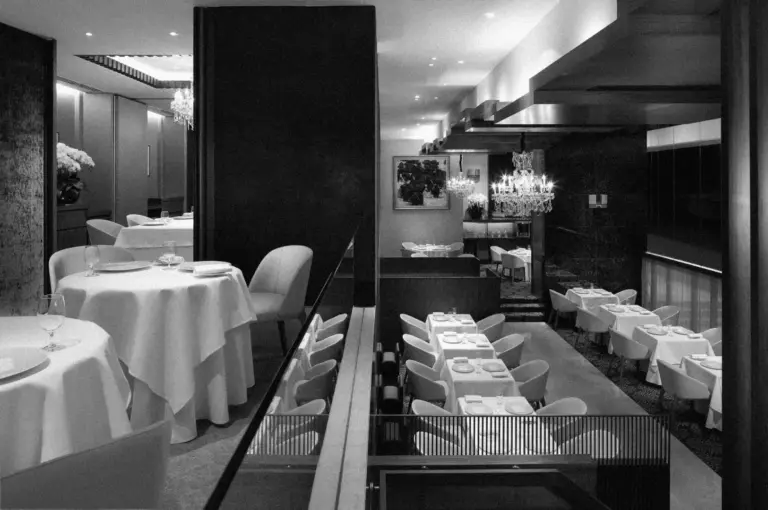
Les Amis: A classic fine dining French restaurant awarded three Michelin stars, known for its European contemporary cuisine and impeccable service. Les Amis has long been a benchmark for fine dining in Singapore, consistently delivering innovative dishes that blend tradition with modern techniques.

Odette: Another three-star restaurant, Odette is celebrated for its artful presentation and refined French cuisine. Located at the National Gallery Singapore, it offers a dining experience that combines culinary excellence with cultural richness.
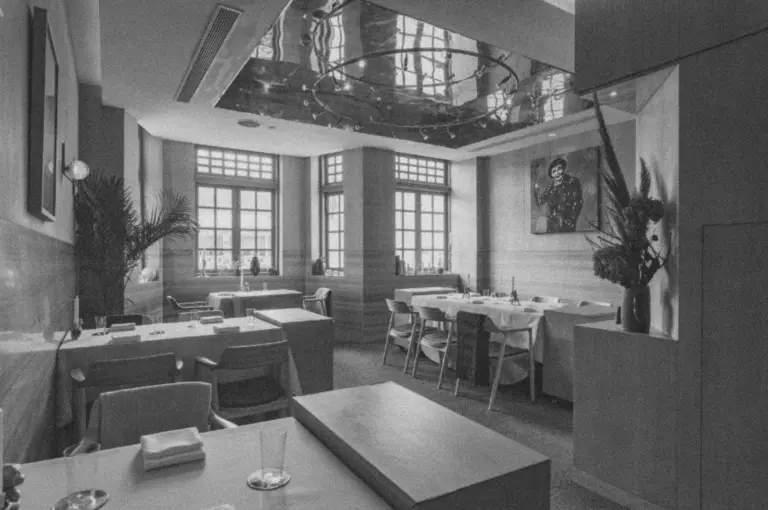
Zen: Holding three Michelin stars, Zen is renowned for its exquisite Japanese cuisine, showcasing the best of seasonal ingredients and meticulous preparation.
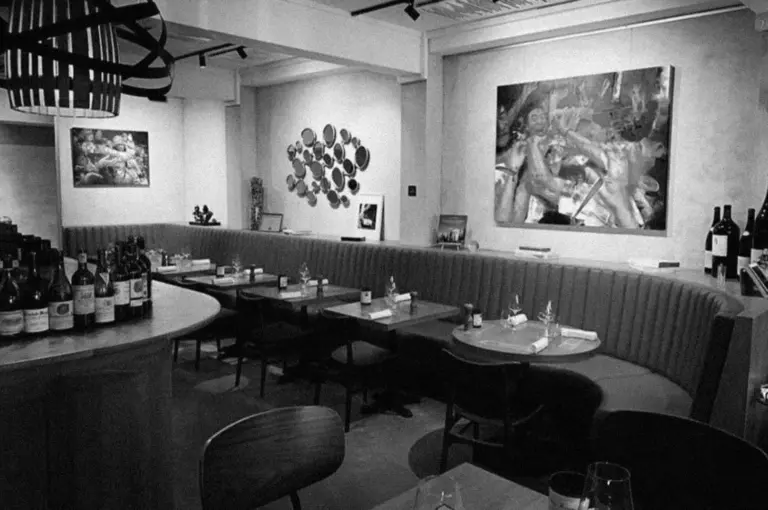
Ma Cuisine: A celebrated two Michelin-starred venue that showcases mastery in both classic and innovative dishes, blending French culinary traditions with contemporary flair.
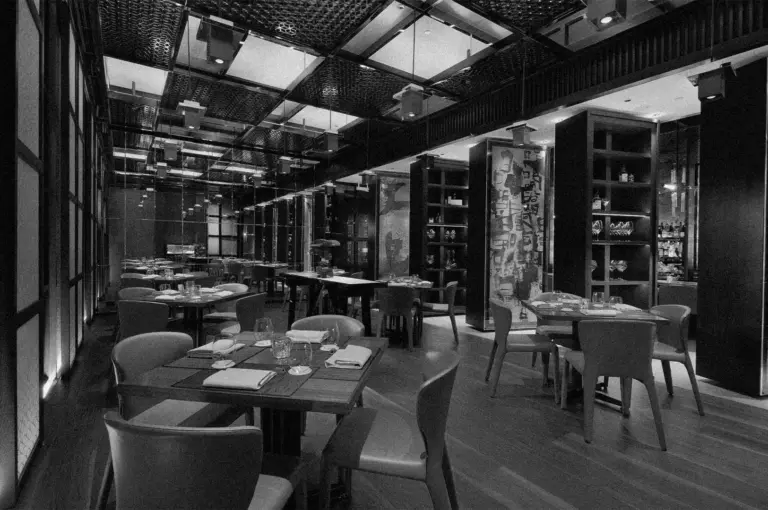
Waku Ghin: A one Michelin star restaurant offering exquisite sushi and Japanese-inspired dishes by celebrity chef Tetsuya Wakuda. Known for its intimate setting and exclusive Chef’s Table, it provides a unique gastronomic journey.

Cut: Known for its premium steaks and one Michelin star recognition, Cut has held onto its star for five consecutive years. Helmed by Wolfgang Puck, it is a top destination for steak lovers seeking expertly grilled cuts from around the world.
To know more and read a full detailed article about the Top Michelin Restaurants in Singapore, be sure to click here.
New restaurants earn their first Michelin star each year, reflecting Singapore’s dynamic and evolving food scene. For example, recent winners like Alma and Poise have quickly become beloved destinations for diners seeking quality and innovation. The 2024 guide introduced four new first-time Michelin star recipients, including Pangium, which explores Straits cuisine through family recipes, and Chaleur, which blends Japanese and French flavours.
Dining at Michelin Star Restaurants in Singapore: What to Expect
Dining at a Michelin-starred restaurant is about more than just the meal—it’s about the entire experience. Diners can expect dishes that highlight the finest ingredients, prepared with precision and passion. Whether it’s the delicate balance of flavours in a sushi course or the bold mastery of cooking techniques in a French classic, Michelin-starred restaurants aim to delight and surprise.
Reservations are essential, especially for two and three Michelin star establishments, which often book out months in advance. Many restaurants offer tasting menus, providing a curated journey through the chef’s signature dishes and culinary philosophy. These menus often include seasonal and locally sourced ingredients, showcasing the chef’s creativity and respect for quality.
Beyond the food, Michelin-starred restaurants often provide an ambiance that complements the dining experience, from elegant décor to attentive service. While the guide does not award stars based on décor or service, these elements contribute to the overall enjoyment of the meal.
The Role of Michelin Inspectors and the Importance of Consistency
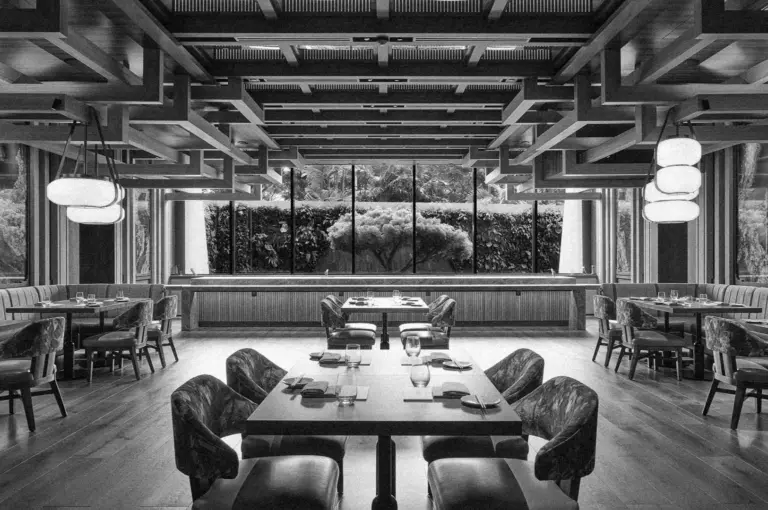
Michelin inspectors play a crucial role in maintaining the guide’s integrity. Their visits are anonymous, and they pay for their meals to ensure impartiality. Restaurants are reassessed annually, and stars can be earned, retained, or lost based on the current quality and consistency of the food and dining experience.
This rigorous process ensures that Michelin-starred restaurants continue to uphold the highest standards year after year, reinforcing the guide’s reputation as the ultimate benchmark for excellence. The inspectors’ criteria include the chef’s personality expressed through the cuisine, mastery of flavour and cooking techniques, quality of ingredients, value for money, and consistency between visits.
Restaurants can lose their Michelin star status if the quality of food declines during inspections, which keeps chefs motivated to maintain or improve their standards. This dynamic system ensures that the guide remains a reliable resource for diners seeking exceptional culinary experiences.
Why Michelin Stars Matter to Singapore’s Food Community
The Michelin Guide Singapore has elevated the city-state’s culinary reputation on the world stage. It recognizes the diverse food culture, from classic French and European contemporary cuisine to Japanese sushi and local hawker centre fare. This recognition benefits not only the restaurants but also travellers and diners who seek exceptional dining experiences.
The guide also fosters a sense of community among chefs and restaurateurs, encouraging innovation and excellence. It supports Singapore’s position as a global food destination where quality, flavour, and creativity are celebrated.
Moreover, Michelin stars can significantly impact a restaurant’s business, increasing visibility, customer interest, and revenue. For chefs, receiving a star is a career milestone that acknowledges their dedication and skill.
Singapore’s inclusion of hawker stalls in the Michelin Guide also highlights the nation’s unique culinary heritage and the importance of preserving and celebrating traditional food culture alongside fine dining.
Latest Updates and Trends in Michelin Guide Singapore
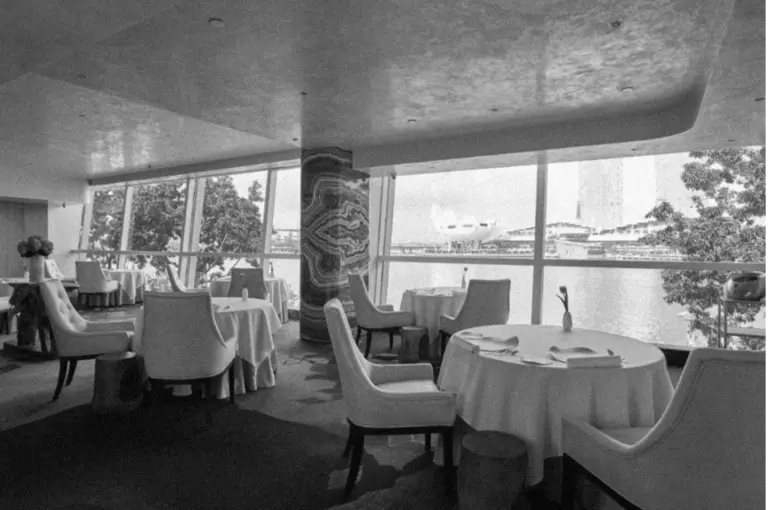
The Michelin Guide Singapore continues to evolve, reflecting changes in the local food scene and global culinary trends. The 2025 edition features a full lineup of Michelin-starred restaurants, Bib Gourmand eateries, and Michelin Selected addresses, showcasing a wide variety of cuisines and dining styles.
In 2024, a total of 51 establishments received Michelin stars, with new entries like Meta being promoted to two Michelin stars. Waku Ghin, previously holding two stars, dropped to one star, illustrating the guide’s strict and dynamic assessment.
The guide also highlights sustainability, with restaurants like Fiz receiving the Michelin Green Star for their commitment to sustainable sourcing and practices.
Singapore’s Michelin Guide embraces diversity, featuring restaurants that serve French, Japanese, Straits, and contemporary Southeast Asian cuisines, among others. This inclusivity reflects the city’s multicultural culinary landscape and its openness to innovation.
Final Thoughts: Exploring the Michelin Guide Singapore
Whether you are a seasoned diner or a curious traveller, the Michelin Guide Singapore offers a comprehensive selection of places to explore and enjoy. From the prestigious three Michelin stars of Les Amis, Odette, and Zen to the accessible delights of Bib Gourmand hawker stalls, there is something for every palate and budget.
We encourage you to dive into this world of flavour and cooking techniques, to dine with an open mind, and to appreciate the dedication behind every dish. The Michelin Guide is more than a list—it is a celebration of culinary artistry and a testament to Singapore’s vibrant food scene.
Exploring the guide allows diners to experience the richness of Singapore’s food culture, discover new favourites, and support the talented chefs who continue to push the boundaries of culinary excellence.
Usually these Michelin-starred establishments could be too expensive on the budget, so why not explore and try out authentic Hawker Centres and Food Courts in Singapore where cuisines are a lot cheaper but remains as delicious as the Michelin restaurants.