
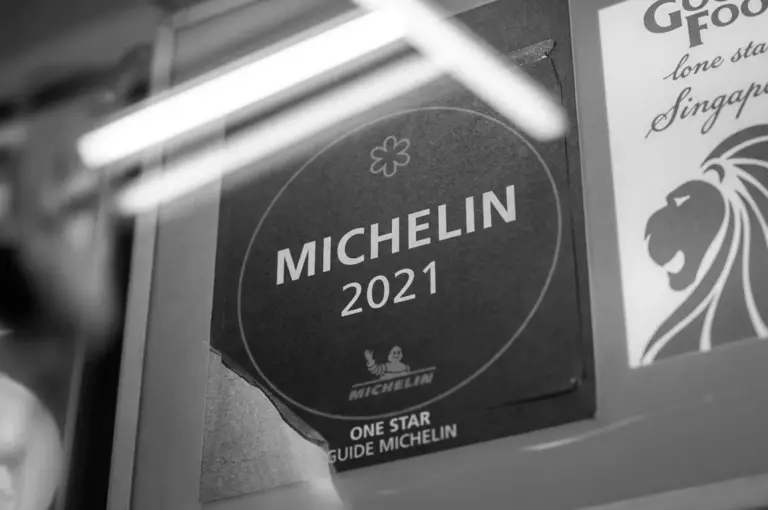
When I first started investigating the operational dynamics of Singapore’s food and beverage industry, the idea of a street food vendor earning a MICHELIN star seemed like a logistical impossibility. Historically, the culinary world reserved these accolades for hushed dining rooms with white tablecloths. However, when I first tried the legendary minced pork noodles at Hill Street Tai Hwa Pork Noodle, the meticulous precision of the cooking changed my perspective entirely. I realized that Hawker Stalls in Singapore possess a unique operational edge.
Over the years, I have analyzed the business strategies behind many hawker stalls, observing how they balance high volume with exceptional quality. If you are a hawker or a culinary enthusiast wondering how these small stalls achieve global recognition in such an expensive city, I am here to break down the exact mechanics. In my experience, earning a MICHELIN star or a Bib Gourmand is less about theatrical plating and entirely about ingredient discipline, operational consistency, and mastering a single craft.
The Reality of MICHELIN Recognition in Singapore’s Hawker Culture
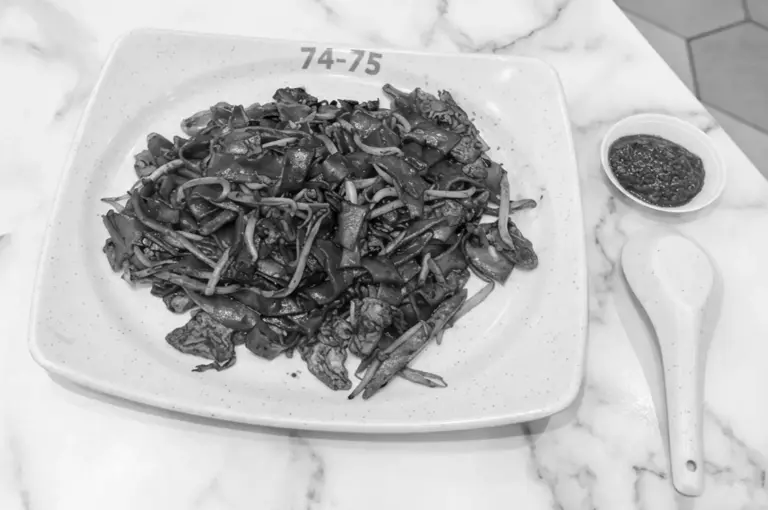
Before we look at the operational steps, we need to address the most common question I hear from business people and hawkers alike: “What is the actual difference between a MICHELIN Star and a Bib Gourmand?”
A MICHELIN Star recognizes exceptional cooking based strictly on what is on the plate. It demands mastery of technique and absolute consistency over time. On the other hand, the Bib Gourmand recognizes exceptionally good food at moderate prices. In the context of Singapore’s hawker centers, this usually means a meal that costs between $4 and $10.
A common fear among hawkers is that MICHELIN inspectors expect luxury. I can assure you this is a complete myth. Inspectors visit anonymously, pay for their own food, and do not care if you serve your Teochew fish porridge in a plastic bowl or if your stall is located in a sweaty wet market. They are looking at the technical control of the dish. Whether you are selling carrot cake at Newton Food Centre (famous for its appearance in Crazy Rich Asians) or slinging char kway teow at Hong Lim Market, the judging criteria remains focused purely on culinary execution.
Step-by-Step: How a Hawker Stall Actually Gets Recognized

If you want to understand how street food vendors elevate their craft to global standards, you need to look at their daily operations. Here are the crucial steps and considerations that separate the legendary stalls from the rest.
1. Master a Clear Signature Dish
Most stalls fail because they try to offer too many food options. If you look at the successful MICHELIN-recognized vendors across many hawker centres, they are almost always known for one specific item. You do not get recognized for having a menu of fifty items; you get recognized for having the absolute best version of one thing.
Whether it is the perfectly textured rice cake in black carrot cake, the aromatic rice in Hainanese chicken rice at Maxwell Food Centre, or the rich coconut broth of laksa at Alexandra Village Food Centre, specialization is key. Choose your best dish and refine it obsessively.
Pro Tip: If your signature dish is chicken wings or braised pork, ensure the natural sweetness and savory notes are balanced perfectly every single time. Inspectors look for harmony of flavors.
2. Enforce Strict Ingredient Discipline
Even humble food requires exceptional quality control. I have found that the difference between a good bowl of prawn noodles and a MICHELIN-worthy one comes down to the raw materials.
If you serve fish head bee hoon, the fish head must be impeccably fresh, and the broth must be clean-tasting. If you sell pork ribs or pork belly, the fat-to-meat ratio must be consistent. Sourcing cheap bean sprouts or low-quality rice noodles to save a few cents will immediately disqualify a stall from serious culinary contention. You must treat your ingredients with the same respect as a fine-dining chef would.
3. Maintain Absolute Consistency Under Pressure
This is the hardest operational hurdle for most hawkers. Earning recognition is not about making one perfect plate of hokkien mee or fried mee when the food court is empty. It is about delivering that exact same quality during peak lunch hours when fifty hungry office workers are staring at you.
Inspectors visit multiple times. If your char siew is perfectly charred on a quiet Tuesday but burnt during the Friday rush, you will not earn a star. Consistency under pressure proves that your cooking technique is a mastered system, not a happy accident.
4. Deliver Unbeatable Value
For the Bib Gourmand category, value is paramount. The diner must feel that the meal delivers far more satisfaction than the price suggests. When I eat at a recognized stall in Tiong Bahru Market or Golden Mile Food Centre, I always evaluate the cost-to-quality ratio. Serving a generous, technically perfect portion of roti prata or chilli crab for a fair price is a massive operational advantage.
Common Mistakes and Business Red Flags to Avoid
In my investigations, I have seen many promising stalls sabotage their own success. If you are aiming for culinary greatness, avoid these critical errors.
Expanding Too Quickly:
We have all seen the cautionary tales. A stall gets famous, the owner opens three new branches in different food markets, and the quality plummets. Hawker Chan is a prime example; while it grew into an international brand, scaling up ultimately cost them their original MICHELIN Star. If you cannot maintain the exact same quality of your wanton noodles or minced pork across multiple locations, do not expand.
Changing Ingredients to Manage Costs:
When inflation hits, it is tempting to switch to a cheaper supplier for your black pepper or preserved vegetables. Do not do it. Diners notice, and inspectors certainly notice. I’d suggest raising your prices slightly (perhaps by 50 cents) rather than compromising the integrity of your food.
Letting the Queue Dictate Cooking Time:
When the line at your market food centre stretches around the block, the pressure to cook faster is immense. However, if you rush the frying process of your fried dough or cut corners on simmering your lor mee broth, the food suffers. A long queue is useless if the food at the end of it disappoints the customer.
Navigating the Hawker Landscape: A Diner’s Perspective

For those visiting Singapore and embarking on their own food adventures, locating these stalls requires a bit of strategy. The city is packed with incredible options, from the bustling stalls at Tekka Centre in Little India to the historic Satay Street at Lau Pa Sat.
If you want to experience this high-level hawker culture without the frustration of sold-out dishes, timing is everything. I highly recommend visiting famous spots like Airport Road Food Centre or Holland Drive Market just before the standard lunch rush (around 11:15 AM). This strategy ensures you get fresh food without standing in line for an hour. Also, remember that many hawker stalls only accept cash or local QR payments, so come prepared.
Singapore’s hawker centers are a unique culinary ecosystem. They offer a dining experience that even legendary chefs like Anthony Bourdain admired deeply. Whether you are taking the MRT to Chinatown Station to explore Chinatown Complex, or grabbing the best satay near Newton Station, you are participating in a living, breathing culinary tradition.
Examples of MICHELIN-Starred Hawker Stalls to Try When Visiting Singapore
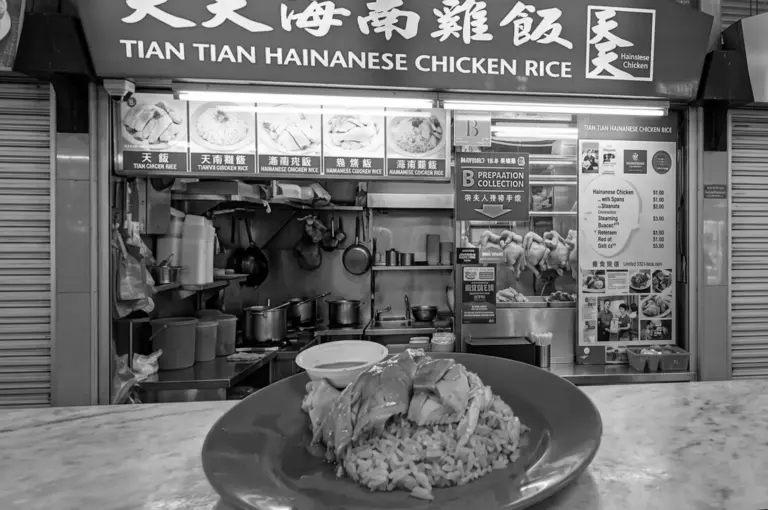
Singapore’s hawker stalls are renowned worldwide for their exceptional culinary skills, proving that many stalls in Singapore’s hawker centers can achieve MICHELIN recognition despite operating in bustling, central locations. These examples highlight Hawker Stalls in Singapore that have earned MICHELIN Stars, demonstrating how mastery and consistency elevate humble street food to global acclaim.
Hill Street Tai Hwa Pork Noodle
Celebrated for its expertly crafted minced pork noodles, this stall exemplifies precision and culinary excellence in hawker food.Liao Fan Hong Kong Soya Sauce Chicken Rice & Noodle (Chinatown Complex)
The first hawker stall awarded a MICHELIN Star, famous for its tender soya sauce chicken served with fragrant rice.Tian Tian Hainanese Chicken Rice (Maxwell Food Centre)
Tian Tian Hainanese Chicken Rice is internationally recognized for its perfectly balanced chicken rice, drawing food lovers and chefs alike to this central location.Nam Sing Hokkien Mee (Old Airport Road Food Centre)
Known for its rich prawn broth and perfectly cooked noodles, this stall is a longstanding favorite among hawker enthusiasts.Heng Hwa Restaurant (Tiong Bahru Market)
Renowned for authentic Heng Hwa-style fried kway teow, this hawker stall consistently delivering traditional flavors cherished by locals and visitors.
Additionally, many of these hawker stalls incorporate local ingredients like red bean in their desserts, adding to the authentic experience that has helped them stand out in Singapore’s vibrant hawker culture. To know more about which Hawker Stalls to try, make sure to read our article: 6 Best MICHELIN-Starred & Bib Gourmand Hawker Venues in Singapore to discover the list of stalls to try.
Conclusion
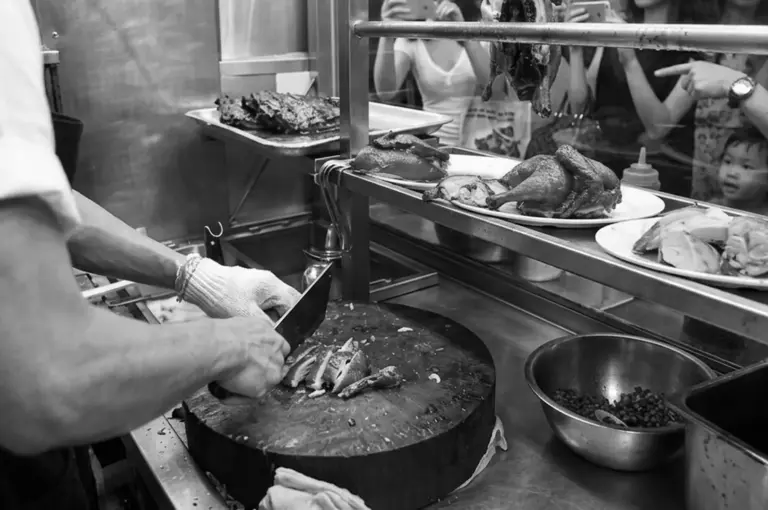
Earning MICHELIN recognition in the fiercely competitive environment of Singapore is a monumental achievement. It requires business acumen, physical endurance, and an unwavering commitment to your craft. For the hawkers grinding it out every day over hot woks, remember that your dedication to quality does not go unnoticed. For the diners, I encourage you to look closer at your $5 bowl of noodles; you might just be tasting a masterpiece.
If you enjoyed this deep dive into the business and operational side of our local food scene, please check out Food Reporter SG for more honest, analytical articles about the culinary world.