
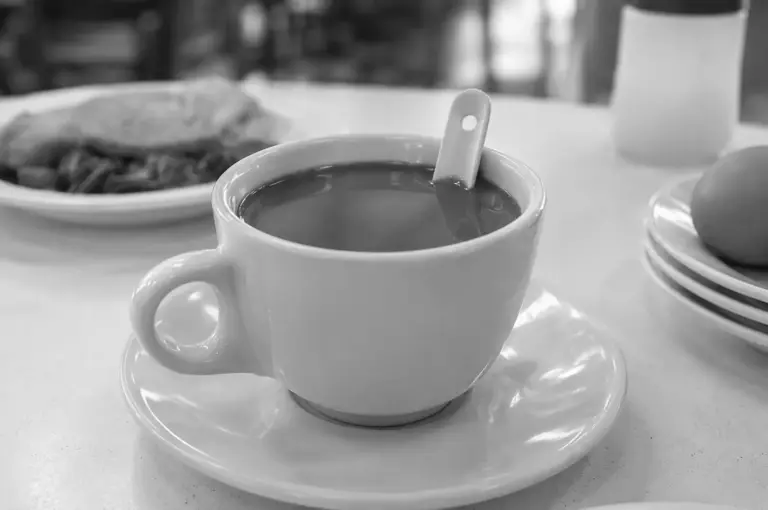
The first time I walked up to a kopitiam counter, I froze. The uncle behind the drinks stall looked at me, I looked at him, and I blurted out “one coffee please.” He gave me a long pause, then asked, “Kopi or kopi C?” I had no idea what that meant. I just nodded and ended up with a drink so sweet it could power a small car. That was years ago, and I have since learned the ropes the hard way. This guide is the one I wish someone had handed me back then.
By the end of this, you will understand exactly what is kopitiam, how it differs from a modern cafe, how to order your kopi without panicking, and how to handle the little rituals (like clearing your tray and that mysterious tissue packet on the table). Let us get into it.
What Is Kopitiam? Understanding Traditional Coffee Shops in Malaysia and Singapore
A kopitiam is a traditional coffee shop commonly found in Malaysia and Singapore, especially in residential areas and near HDB flats. The name itself is a combination of “kopi,” which means coffee in Malay, and “tiam,” the Hokkien word for shop, reflecting its roots in the Hokkien Chinese dialect. These open air establishments serve as vibrant community hubs where locals gather to enjoy breakfast items like kaya toast, roti bakar, two soft boiled eggs, and a cup of kopi or teh tarik.
Most kopitiams are not just coffee shops; they are food junctions with various food stalls offering an array of delicious dishes including nasi lemak, noodles, and other local favourites. The kopitiam culture is deeply embedded in the daily lives of most Singaporeans, serving affordable food and beverages in a casual, lively environment. Unlike modern cafes with air conditioning and specialty coffee beans, kopitiams use robusta beans roasted with butter or margarine to brew kopi, giving it a distinct flavour that is both strong and comforting.
Kopitiam Culture: The Heartbeat of Southeast Asia’s Food Scene
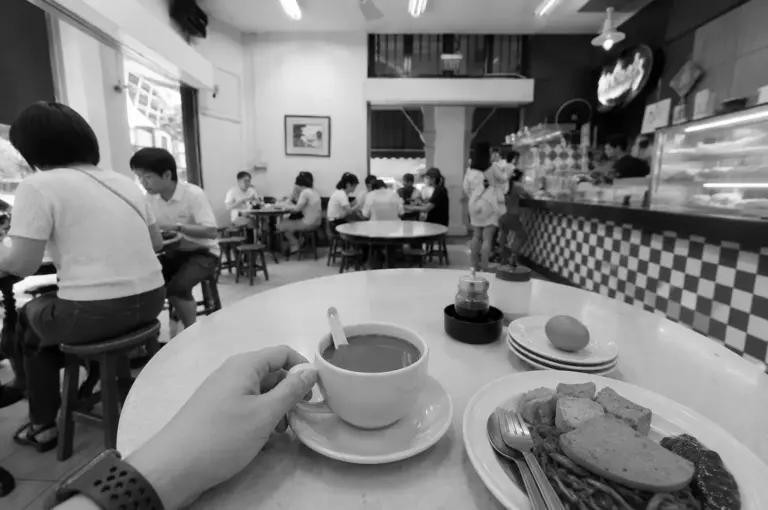
Kopitiams are more than just places to eat; they are social spaces where stall owners, friends, and neighbours come together to share gossip over a cup of kopi or a glass of teh. Many kopitiams are open air establishments with communal seating, creating a cool, casual atmosphere that encourages conversation and connection. This kopitiam culture is commonly found across south east asia, especially in malaysia and singapore, and even in cities like Kuala Lumpur.
The typical kopitiam features a drinks stall at its center, where kopi and tea are brewed fresh using traditional methods. The coffee beans, mostly robusta beans, are roasted with butter to create a rich, aromatic flavour that distinguishes kopi from the more delicate Arabica beans used in cafes or chains like Starbucks. Kopi variations such as kopi o (black coffee with sugar), kopi c (coffee with evaporated milk and sugar), and kopi o kosong (black coffee without sugar) are staples on the menu.
Kopi O and Other Beverages: How Kopitiams Serve Coffee Differently
Ordering a kopi at a kopitiam can be daunting for newcomers, but understanding the lingo makes it easier. Kopi o, for example, is black coffee brewed strong with sugar but no milk, while kopi c includes evaporated milk, giving it a creamier taste without the sweetness of condensed milk found in regular kopi. Teh tarik, a pulled tea with frothy milk, is another popular beverage brewed at many kopitiams alongside milo and other local drinks.
The coffee in Malay, or kopi, is traditionally brewed in a muslin sock filter, allowing the robusta beans’ flavour to fully develop. This brewing method, combined with the roasting process using butter, gives kopi its characteristic taste that many Singaporeans cherish. Unlike cafes that emphasize single-origin coffee beans and espresso machines, kopitiams focus on delivering a consistent, strong cup of kopi that pairs perfectly with breakfast items.
A Cup of Kopi and Breakfast: What to Eat at a Typical Kopitiam
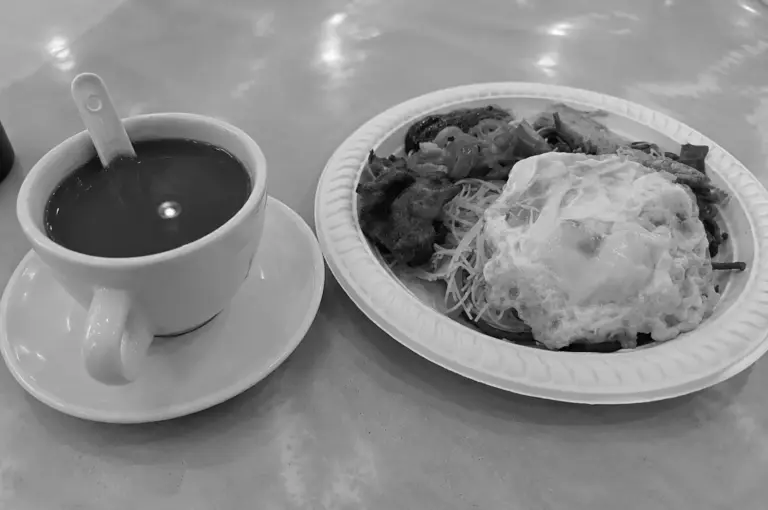
Breakfast at most kopitiams is a straightforward, delicious affair. The menu usually includes kaya toast or roti bakar—bread toasted with butter and kaya, a sweet coconut jam—served alongside two soft boiled eggs seasoned with soy sauce and white pepper. This simple combination is a beloved staple among Singaporeans and Malaysians alike, often enjoyed with a cup of kopi or teh.
Many kopitiams also serve other breakfast items like nasi lemak, a fragrant rice dish cooked in coconut milk and served with spicy sambal, anchovies, and boiled egg. These dishes are affordable and filling, making kopitiams popular spots for a quick morning meal. The communal nature of kopitiams, with their food stalls and shared tables, adds to the charm, as friends and neighbours sit together to eat, chat, and cool off from the tropical heat.
Kopitiam vs Cafe in Singapore: Different Functions and Flavours
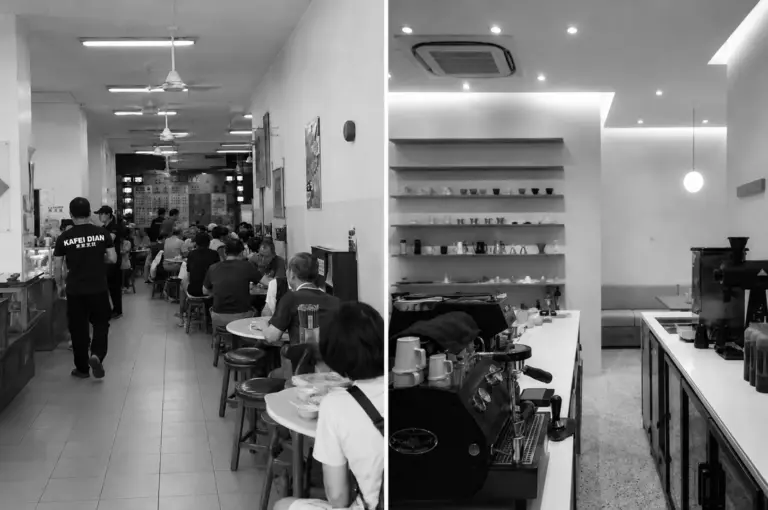
While many Singaporeans enjoy the kopitiam culture, cafes in Singapore have also become popular, especially among younger crowds and urban professionals. Cafes typically offer air conditioning, specialty coffee brewed from carefully selected coffee beans, and a menu featuring brunch dishes and artisanal beverages. Chains like Starbucks represent this cafe culture with their emphasis on ambiance and variety.
In contrast, kopitiams prioritize speed, affordability, and familiarity. They serve robusta coffee beans roasted with butter, and their kopi is brewed in traditional ways that produce a flavour profile distinct from the espresso-based drinks found in cafes. Kopitiams are often open air establishments without air conditioning, creating a lively, sometimes noisy environment that reflects local life.
Choosing between a kopitiam and a cafe depends on what you want from your experience. If you want a quick, delicious breakfast of kaya toast and kopi o before work, kopitiams are the way to go. If you prefer a leisurely brunch with a flat white in a cool, stylish setting, cafes are better suited. Both have their place in the food culture of malaysia and singapore.
How to Order Like a Local: Mastering Kopitiam Coffee and Food Lingo
Ordering at a kopitiam can be intimidating due to the unique terminology rooted in the hokkien chinese dialect and local slang.
Here is a quick guide to help you order confidently:
Step | Description | |
|---|---|---|
Start with your base drink | Choose between kopi (coffee) or teh (tea). | |
Add modifiers | – O means black coffee or tea with sugar but no milk (e.g., kopi o). | |
– C means coffee or tea with evaporated milk and sugar (e.g., kopi c). | ||
– Kosong means no sugar. | ||
– Siew dai means less sugar. | ||
– Gah dai means more sugar. | ||
Add strength or temperature | – Gau means strong. | |
– Poh means weak. | ||
– Peng means iced. |
For example, “kopi c siew dai peng” means iced coffee with evaporated milk and less sugar. Pair your drink with kaya toast, roti bakar, or two soft boiled eggs for a complete breakfast set.
The Role of Stall Owners and Food Stalls in the Kopitiam Experience
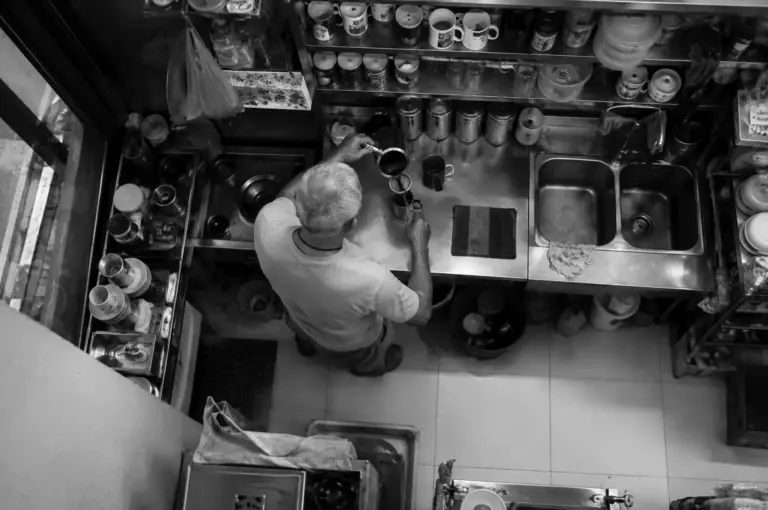
Most kopitiams consist of a drinks stall surrounded by various food stalls, each run by stall owners specializing in different dishes. These food stalls commonly found in kopitiams and hawker centres serve everything from chicken rice and noodles to nasi lemak and other local favourites. This variety allows customers to mix and match dishes, creating a personalised meal experience.
Stall owners often build strong relationships with their regular customers, contributing to the kopitiam culture’s sense of community. The casual, open air establishment encourages social interaction, gossip, and the sharing of news, making kopitiams important social hubs beyond just places to eat.
Etiquette and Tips: Navigating Seating, Tissue Packets, and Tray Clearing
When visiting a kopitiam, there are some unwritten rules to follow. If you see a tissue packet or small item on a table or chair, it means the seat is “choped” or reserved. Do not move these items. Seating is generally first-come, first-served, but chope culture helps regulars secure their spot.
Since 2023, most kopitiams and hawker centres require customers to clear their own trays after eating. This keeps the food courts and coffee shops clean and pleasant for everyone. Be prepared with some cash, as many stalls still prefer cash payments over electronic methods.
The Legacy of Iconic Kopitiams: Tong Ah Eating House and Killiney Kopitiam
Some kopitiams have become iconic landmarks in singapore’s food scene. Tong Ah Eating House, established in 1939, is famous for its traditional breakfast sets with kaya toast, soft boiled eggs, and kopi. Killiney Kopitiam, originally Kheng Hoe Heng Coffeeshop founded in 1919, is known for its charcoal-toasted bread and authentic kopi, representing the heritage of hainanese coffee shops.
These kopitiams embody the kopitiam culture and offer a glimpse into the culinary history of malaysia and singapore, preserving the flavours and social atmosphere that have made kopitiams beloved for generations.
To discover more kopitiams worth trying in Singapore, click here!
Final Thoughts: Embracing the Kopitiam Culture and Its Place in Southeast Asia
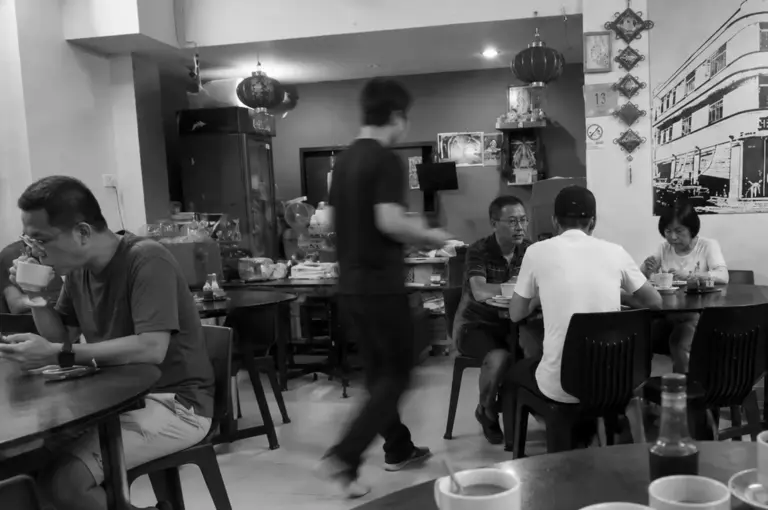
Understanding what is kopitiam means appreciating its role as a cultural institution in southeast asia. More than just coffee shops, kopitiams serve as communal spaces where delicious food, robust coffee brewed from butter-roasted robusta beans, and lively conversation come together. Whether you are sitting with friends over a cup of kopi or grabbing breakfast before heading to work, kopitiams offer a unique, authentic experience that contrasts with the polished, air-conditioned cafes that have also taken root.
For those visiting Singapore or Malaysia, exploring kopitiams is essential to tasting local flavours and immersing oneself in the kopitiam culture that continues to thrive amid rapid urbanisation. So next time you see a typical kopitiam or food junction, step inside, order a kopi o or kopi c, enjoy some kaya toast and two soft boiled eggs, and soak in the vibrant, delicious world that is kopitiam.