
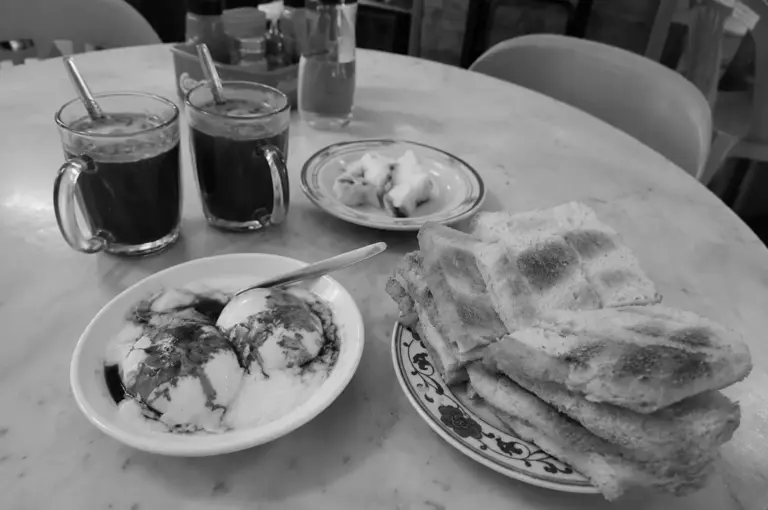
Long before specialty cafes and artisanal brunch spots took over the city, the humble kopitiam in Singapore was already serving some of the most beloved traditional dishes. We’ve spent years working our way through these traditional coffee shops, returning to each of the five below multiple times to make sure they truly hold up. In our experience, a great kopitiam isn’t just about the food. It’s about the strong kopi, the worn marble tables, and the quiet sense that you’ve stepped into a piece of everyday Singapore that hasn’t changed much in decades.
This isn’t a list of trendy newcomers. Every kopitiam here has earned its place through consistency, heritage, and the kind of traditional dishes that keep locals coming back. We’ve ordered the toast, cracked open the soft boiled eggs, and sipped more cups of kopi than we can count, so what you’re reading comes from genuine repeat visits, not a single rushed morning.
Quick Summary
Kopitiam | Location | Signature Dish | Price Range |
|---|---|---|---|
Heap Seng Leong (Lavender) | 10 North Bridge Rd | Kopi Gu You (butter coffee) | $ |
Killiney Kopitiam (Killiney Road) | 67 Killiney Road | Charcoal-grilled kaya toast set | $ |
Tong Ah Eating House (Chinatown) | 35 Keong Saik Rd | Traditional kaya bun set | $ |
YY Kafei Dian (Bugis) | 37 Beach Road | Kaya Butter Toast set | $ |
Chin Mee Chin Confectionery (Katong) | 204 East Coast Rd | Custard cream buns and kaya toast set | $ |
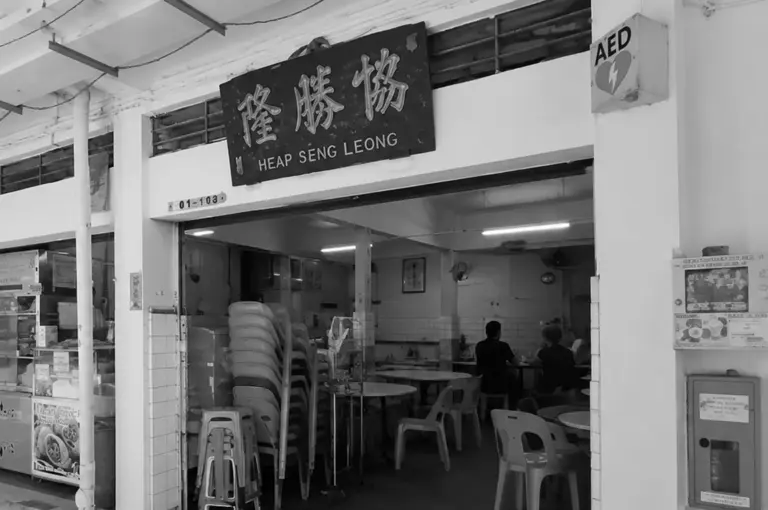
1. Heap Seng Leong (Lavender) – A Kopitiam in Singapore That Feels Like Time Travel
Price: $
If you want to understand what a kopitiam in Singapore looked like fifty years ago, this is where you start. Heap Seng Leong is one of the last surviving old-school Hainanese coffee shops, operating largely unchanged since the 1970s. Walking through the door feels like stepping into a time capsule, complete with marble tables, vintage ceiling fans, and elderly regulars who’ve been coming here for decades. You’ll find it at 10 North Bridge Road, about an eight-minute walk from Lavender MRT.
The drink that makes this kopitiam stand out is the Kopi Gu You, or coffee with butter (around S$2 to S$3). This kopi is brewed with Robusta beans roasted with sugar and margarine, giving it a unique flavor. A slab of butter melts directly into the hot kopi, creating a richer, silkier texture than most first-timers expect. We always pair it with the traditional kaya toast and a couple of soft boiled eggs (a set runs about S$4 to S$6) for the full experience. The friendly elderly owners run the shop at their own gentle pace, and that’s part of the charm.
Signature Dish: Kopi Gu You (butter coffee), ~S$2 to S$3
Good News for: Heritage food lovers and tourists chasing genuinely authentic local culture.
Bad News if: You expect modern cafe comforts (it’s non air-conditioned, seating is basic, and the menu is short).
Insider Tip: Ask for the butter coffee served the traditional way and visit before 9:00 AM for the freshest bread.
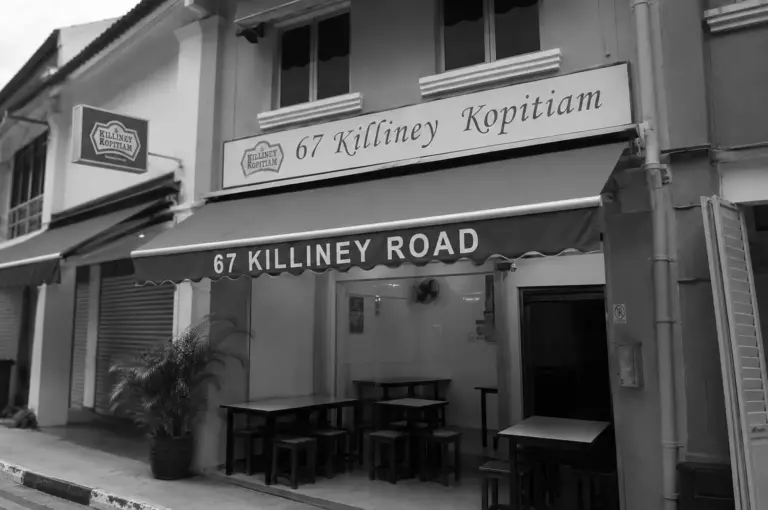
2. Killiney Kopitiam – Singapore’s Heritage Kopitiam with Classic Traditional Dishes
Price: $
Founded in 1919, Killiney Kopitiam is among the oldest surviving kopitiam shops in Singapore. The brand has expanded internationally, but the original Killiney Road outlet still holds onto much of its traditional charm, which is exactly why we keep recommending it. It sits at 67 Killiney Road, roughly a seven-minute walk from Somerset MRT, making it an easy stop in the heart of town.
The star here is the charcoal-grilled kaya toast, served with a fragrant kaya spread that’s stayed close to the original recipe for over a century. Most kopitiams serve toast, but Killiney’s charcoal-toasted bread carries a noticeably smokier aroma than the modern toast chains, and that smoky edge is what sets it apart. A breakfast set with kopi-o and soft boiled eggs costs around S$5 to S$8. Service is quick, which helps on busy mornings when the place fills up fast.
Signature Dish: Charcoal-grilled kaya toast set, ~S$5 to S$8
Good News for: First-time visitors and families wanting a reliable, classic Singapore breakfast.
Bad News if: You’re hoping for a wide menu beyond breakfast, or you dislike crowds (tourists pack in during peak hours and seating is limited).
Insider Tip: Order both the kaya toast and the butter toast so you can taste the difference side by side.
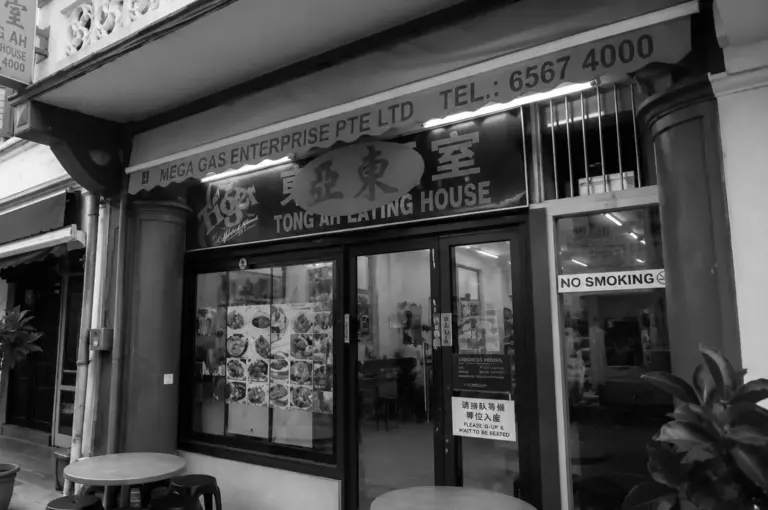
3. Tong Ah Eating House – A Heritage Kopitiam Famous for Its Unique Toast
Price: $
Tong Ah Eating House is one of the most iconic heritage kopitiams in Singapore’s Chinatown, established back in the 1930s. What earns it a place on this list isn’t just its age, but its bread. Unlike the thin toast most kopitiams serve, Tong Ah is famous for thick, fluffy buns with a crisp exterior and a soft, pillowy interior. You’ll find it at 35 Keong Saik Road, about a six-minute walk from Outram Park MRT.
We always order the traditional kaya bun over the standard toast (a set with kopi-c comes to roughly S$5 to S$8), and we’d happily make the trip just for that texture alone. Many regulars quietly prefer the French toast with kaya, which remains one of the menu’s hidden gems. Pair either with a couple of soft boiled eggs and you’ve got a proper heritage breakfast. The atmosphere is lively and authentically old-school, so don’t expect a quiet morning.
Signature Dish: Traditional kaya bun set, ~S$5 to S$8
Good News for: Heritage food enthusiasts and Chinatown visitors who appreciate a unique bread texture.
Bad News if: You want peace and quiet (weekends bring long queues and tourist crowds).
Insider Tip: Skip the usual toast and try the French toast with kaya, a longtime favorite among regulars.
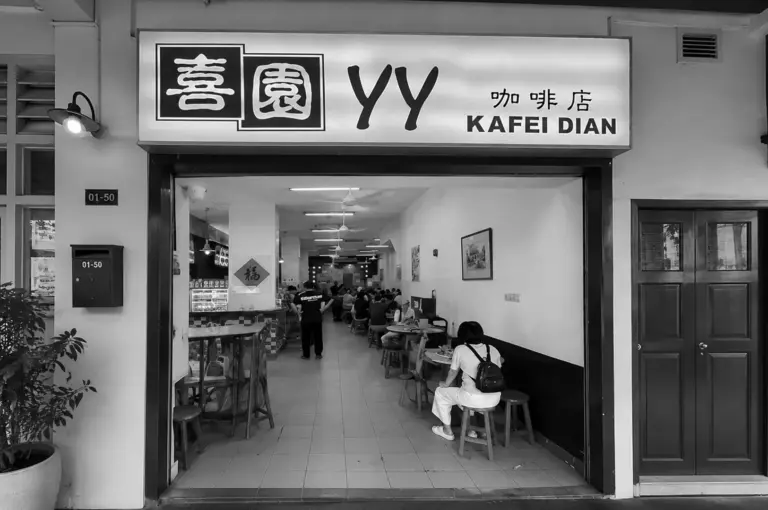
4. YY Kafei Dian (Bugis) – Budget-Friendly Kopitiam with Highly Praised Toast
Price: $
YY Kafei Dian has built a strong reputation around one thing: serving some of the most highly rated kaya toast in Singapore. The kaya is made fresh daily and earns constant praise for striking the right balance between sweetness and pandan fragrance. For us, that freshly made spread is the whole reason to visit. You’ll find the shop at 37 Beach Road, about a seven-minute walk from Bugis MRT.
The Kaya Butter Toast is the order to start with (a set is around S$4 to S$7), ideally with soft boiled eggs and a traditional kopi on the side. The toast comes out crispy, the kaya is rich, and the value is excellent for what you pay. One sign of just how good the kaya is: locals regularly buy tubs of it to take home. The dining area is small, so expect to feel a bit cosy during the morning rush.
Signature Dish: Kaya Butter Toast set, ~S$4 to S$7
Good News for: Traditional breakfast lovers and budget-conscious diners staying near Bugis.
Bad News if: You’re in a big group hoping for a long, leisurely meal (the space is tight and queues form during breakfast hours).
Insider Tip: Grab a tub of the house-made kaya to take home, but get there before 8:30 AM to beat the queue.
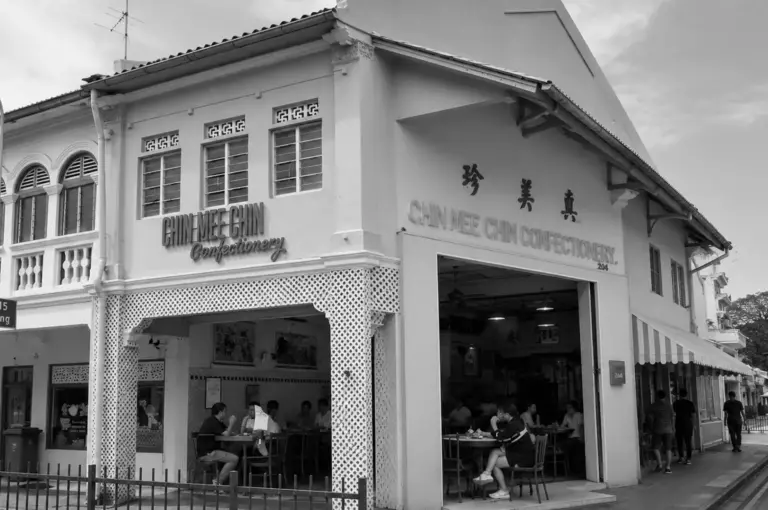
5. Chin Mee Chin Confectionery (Katong) – Heritage Kopitiam Blending Coffee Culture and Baking
Price: $
Chin Mee Chin Confectionery does something most kopitiams don’t. Instead of focusing solely on coffee and toast, it pairs traditional kopi culture with genuine heritage baking. The restored shop remains one of Katong’s most beloved institutions, and the careful restoration work is a joy to see in person. It’s located at 204 East Coast Road, about a ten-minute walk from Marine Parade MRT.
Most visitors come for the kaya toast (breakfast sets run around S$6 to S$10), and it’s excellent. But the freshly baked custard cream buns are the real prize, and longtime regulars will tell you the same. We’ve learned to order them early in the day because they frequently sell out before midday. Pair the pastries with a kopi and soft boiled eggs for a breakfast that feels both nostalgic and a little special. Given the popularity, walk-ins are the norm and waits can be long.
Signature Dish: Custard cream buns (and the kaya toast set, ~S$6 to S$10)
Good News for: East-side explorers, heritage food lovers, and families out for weekend brunch.
Bad News if: You want a quick grab-and-go breakfast (popularity means long waits and parking nearby is limited).
Insider Tip: Order the custard buns first thing, since they tend to disappear before noon.
Understanding Kopitiam Culture in Singapore Today
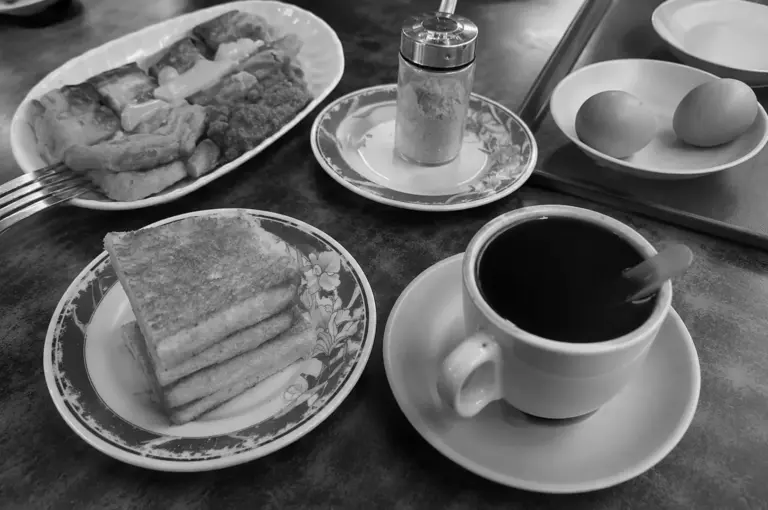
Most kopitiams in Singapore serve as more than just places to eat. They are informal community hubs where locals start their mornings with kopi, teh, toast, and soft boiled eggs. The drink stall in a kopitiam typically serves Nanyang-style coffee and tea, brewed with Robusta beans roasted with sugar and margarine, a method that gives kopi its distinctive flavor. Kopi is generally served with sweetened condensed milk, while kopi-o is black coffee with sugar, and kopi-c contains sugar and evaporated milk.
Ordering coffee at a kopitiam involves specific local shorthand terms. For example, you might order a “kopi peng” for iced coffee with condensed milk or “yuanyang” for a half-tea, half-coffee mix with condensed milk. Most kopitiams also serve traditional dishes from various ethnic groups under one roof, reflecting Singapore’s multicultural heritage. During peak hours, it’s common to reserve a table by leaving a personal item on it, a practice well-known among the public.
Kopitiams are intrinsic to daily life, especially in public housing estates, where they serve as gathering spaces for neighbors to socialize over simple food and drinks. This sense of community connection over meals is what keeps kopitiams relevant even as new food trends emerge.
So pick a morning, set aside a day, and start working your way through this list. Order generously, take it slow, and enjoy the traditional dishes that have shaped Singapore’s food culture for generations. In our terms, that’s a morning well spent.
If you enjoyed this review and want more honest takes on the local food and coffee scene, check out Food Reporters SG for more similar articles to read.