
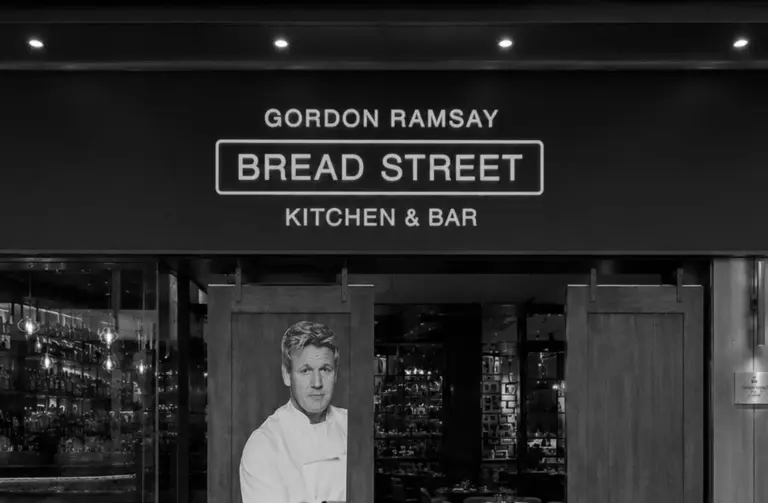
Celebrity chef restaurants have long been part of Singapore’s dining landscape. For many diners, names like Gordon Ramsay, Wolfgang Puck, Daniel Boulud, and Tetsuya Wakuda carry a certain pull. They suggest polish, global reputation, and a meal that feels like an occasion. In Singapore, where dining is both habit and hobby, that kind of name recognition still matters.
We see it most clearly in places like Marina Bay Sands, where celebrity chef concepts remain a major part of the destination dining experience. MBS continues to promote a wide range of high-profile restaurants, from CUT by Wolfgang Puck to Bread Street Kitchen by Gordon Ramsay, positioning them as part of Singapore’s luxury food appeal. For tourists, business diners, and locals celebrating a special night, the celebrity name can still be a strong reason to book a table.
But the question today is whether the name alone is enough.
Singapore diners have become more informed. We read menus closely, compare prices, follow independent chefs, and know when a restaurant feels more like a brand exercise than a serious kitchen. A celebrity chef name may bring diners through the door once, but it does not guarantee loyalty. What keeps people returning is still the same thing that matters everywhere else; good food, consistent service, fair value, and a clear point of view.
This is where the conversation becomes more interesting. Some celebrity chef restaurants deliver exactly what diners expect. They offer professional service, strong execution, premium ingredients, and a sense of occasion. There is value in that. Not every meal needs to be surprising. Sometimes, diners want a reliable steakhouse, a polished French bistro, or a waterfront restaurant where the experience feels smooth from start to finish.
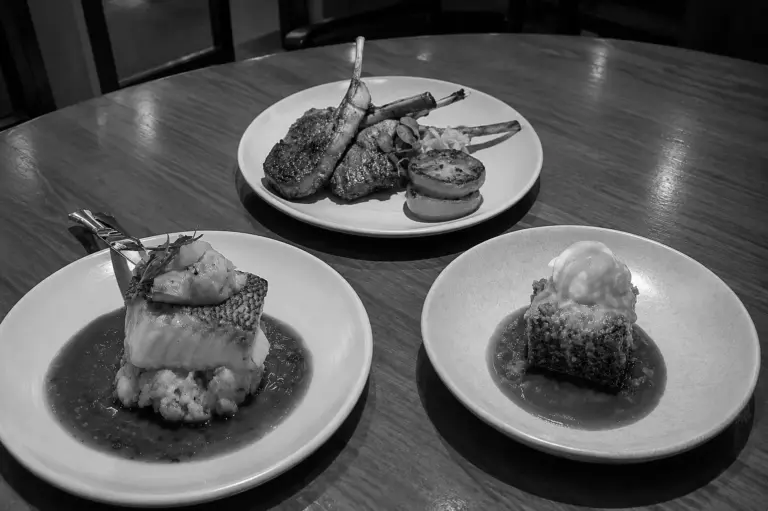
At the same time, the local dining scene has shifted. Many Singapore diners are now just as excited by independent eateries, chef-owned restaurants, private dining concepts, and small neighbourhood spots with real personality. These places may not have an international name attached, but they often feel closer to the people cooking the food. There is a different kind of trust when the chef is in the kitchen, the menu changes with intent, and the restaurant grows through word of mouth rather than celebrity branding.
The Michelin Guide Singapore selection also reflects the strength of the wider scene, with hundreds of recognised establishments across more than 40 cuisines. That matters because it shows how broad Singapore’s dining identity has become. Fine dining here is no longer only about imported prestige. It also includes modern Asian kitchens, local reinterpretations, Japanese counters, Peranakan restaurants, hawker icons, and independent teams building their own names.
For us, the issue is not whether celebrity chef restaurants are overrated. Some are excellent, and many play an important role in keeping Singapore visible on the global dining map. The real issue is expectation. A famous name should not be treated as a shortcut to greatness. It should be treated as a promise that still needs to be fulfilled on the plate.
In a crowded dining market, branding may get attention, but quality earns respect. Singapore diners know the difference. We may still be curious about a celebrity chef opening, but we are no longer easily impressed by the name alone.
“A famous name can open the door, but only a good meal makes diners want to return.”
Visit Food Reporters SG for more honest stories on Singapore’s restaurants, chefs, and dining trends by clicking here: https://foodreportersg.com/