
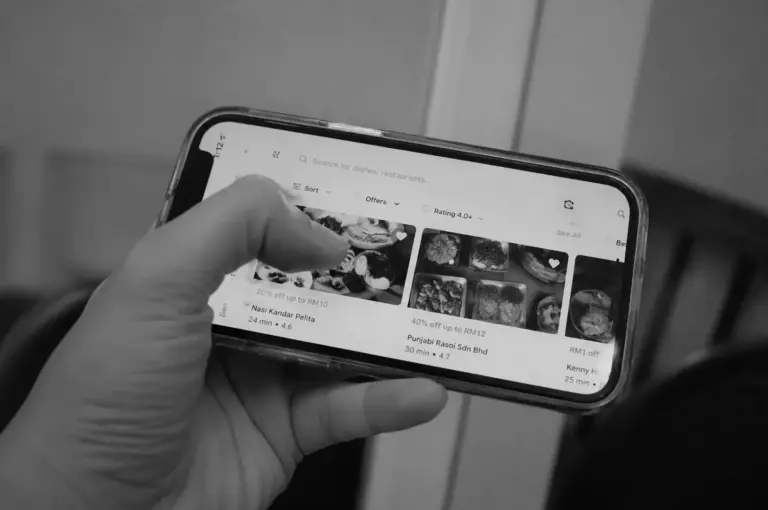
“Where we eat is no longer decided only by hunger; sometimes, it starts with a scroll.”
For a long time, food discovery in Singapore was built on habit and trust. We asked colleagues where to eat near the office, followed family recommendations, read newspaper reviews, or queued at the stall everyone seemed to know. There was a human rhythm to it. Someone ate first, formed an opinion, and passed it on. Today, that process has changed. More often, the first suggestion comes from an app, a search result, a short video, a food list, or an algorithm that seems to know what we want before we do.
We see this shift clearly in the way Singaporeans choose restaurants now. Before visiting a cafe, hawker stall, or dinner spot, many diners check ratings, photos, menus, discounts, booking slots, and comments. A restaurant is no longer judged only when we sit down. It is judged before we arrive, through screenshots, star ratings, saved posts, and user reviews. In some ways, food discovery apps have become the new front door of the dining experience.
This does not mean traditional food critics have disappeared. There is still value in trained observation, context, and careful writing. A good critic does more than say whether a dish tastes nice. They explain why a restaurant matters, what it is trying to do, whether it delivers on its promise, and how it fits into the wider food scene. That kind of judgment cannot be replaced easily by a five-star score or a viral caption.
But we also have to be honest. Many diners today do not wait for a formal review before deciding where to eat. They want quick answers. Is it nearby? Is it worth the price? Is there a promotion? Does the food look good? Is the queue manageable? Can we book a table? Apps and social platforms answer these questions fast, and that speed has changed customer behaviour.
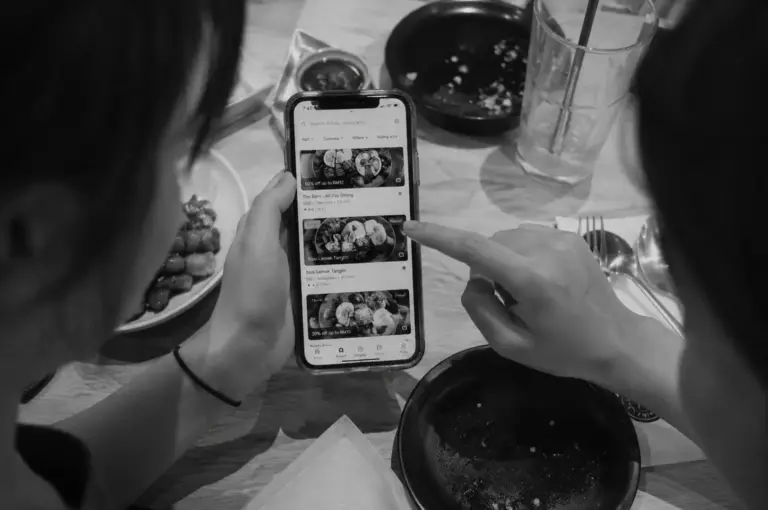
The strength of food discovery apps is convenience. They gather information in one place and make dining decisions feel easier. For busy Singaporeans, this matters. We live in a city where eating out is frequent, choices are endless, and time is limited. When an app can filter restaurants by location, cuisine, price, popularity, or discount, it becomes useful. It helps diners move from “what should we eat?” to “let’s go there” in minutes.
Still, there is a risk when algorithms become too influential. Popular places can become even more visible, while quieter, independent spots struggle to appear unless they perform well online. A restaurant with good lighting and photogenic dishes may travel faster than one with stronger cooking but less social appeal. We may discover more places than before**, but we may also end up choosing from the same digital shortlist as everyone else.**
For us, the best approach is balance. Food apps, social reviews, and recommendation platforms are useful tools, but they should not be the only voices we trust. Singapore’s food scene is too layered for that. Some of the best meals still come from stalls without strong branding, restaurants without viral videos, and older eateries that do not know how to market themselves online.
Food discovery has become faster, smarter, and more visual. But good eating still requires curiosity. The app can point us somewhere; the final judgment should still come from the table.
Visit Food Reporters SG for more stories on Singapore’s food culture, dining trends, and the places worth discovering beyond the algorithm.