
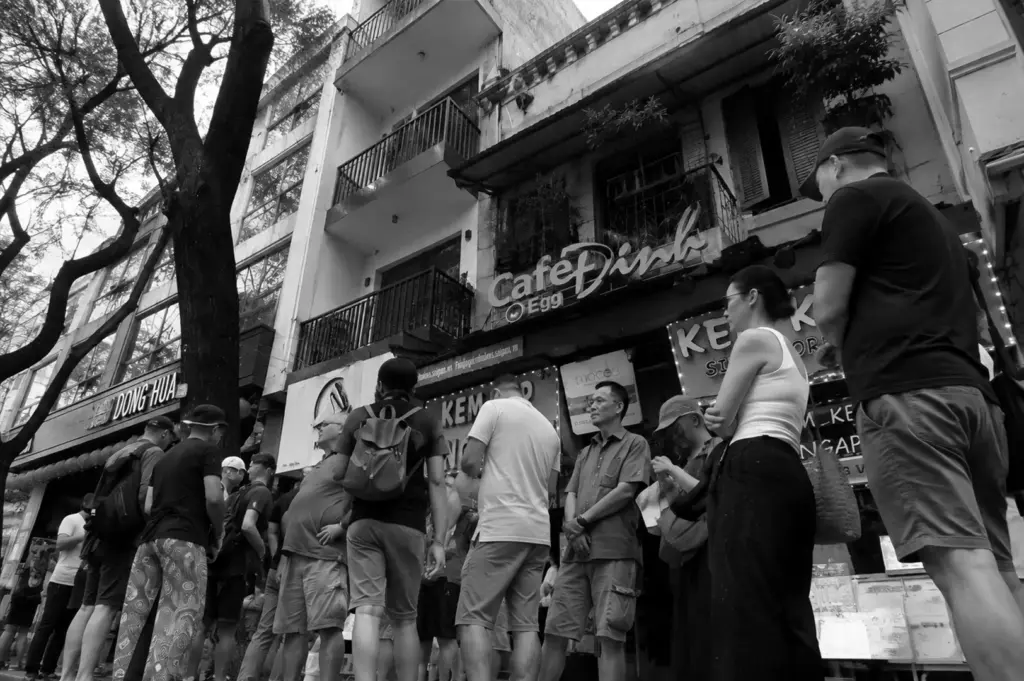
“Sometimes, the most exciting meals are the ones that are not meant to last forever.”
We used to think of restaurants as permanent places. A chef opened a space, built a menu, hired a team, and hoped diners would keep returning. That model still matters, but it is no longer the only way food businesses grow. In Singapore, pop-up restaurants and temporary dining concepts are becoming more visible, and their appeal is easy to understand. They give chefs, brands, and diners something that feels flexible, focused, and immediate.
At the business level, pop-ups make practical sense. Opening a full restaurant in Singapore is expensive. Rent, manpower, equipment, renovation, licensing, and ingredients can create a heavy burden before the first customer even sits down. A pop-up reduces some of that risk. By using an existing kitchen, shared venue, cafe space, bar, or event format, chefs can test a concept without committing to a long lease or full build-out. For young food entrepreneurs, that lower barrier can make the difference between having an idea and actually serving it.
Pop-ups are also useful testing grounds. A chef may want to see if diners respond to a new cuisine, tasting menu, hawker-inspired dish, dessert brand, or beverage pairing. Instead of guessing, they can put the idea in front of real customers. The response is immediate. Which dishes sell out? What do diners ask about? Is the price acceptable? Does the concept work for lunch, dinner, or late-night service? A temporary run can answer questions that market research often cannot.
For diners, the attraction is different. Pop-ups create urgency. Because they are available for a limited time, they feel more special than a regular restaurant visit. People book because they know the menu may not return. This sense of exclusivity is powerful in a city where food trends move quickly and diners are always looking for something new. A good pop-up turns a meal into an event.
Social media has made this format even stronger. A short announcement can create quick interest. Photos from the first few nights can build momentum. Limited slots, guest chef collaborations, and one-weekend-only menus all fit the way people now discover food online. Pop-ups are easy to talk about because they come with a clear story. There is a beginning, an end, and a reason to go now instead of later.
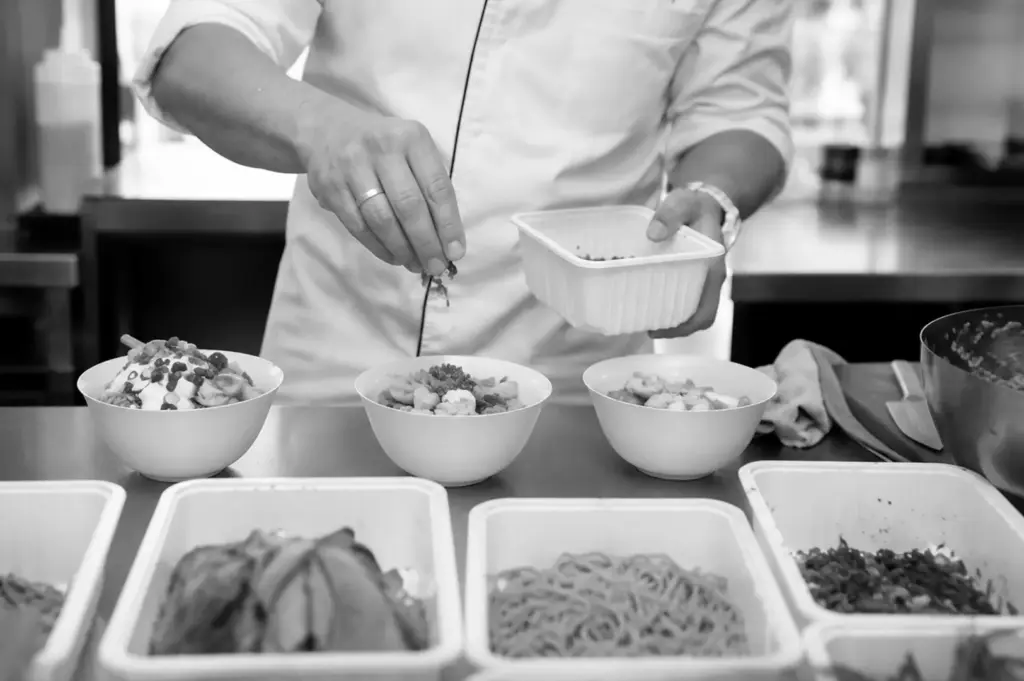
But the format also has limits. Not every pop-up is worth the hype. Some rely too much on scarcity and not enough on execution. A temporary concept still needs proper service, clear pricing, good pacing, and food that delivers. Diners may forgive a small delay or rough edge if the experience feels sincere, but they will not forgive paying restaurant prices for something careless. The best pop-ups understand that temporary does not mean casual in quality.
What interests us most is how pop-ups are changing the way Singapore eats. They give chefs room to experiment without asking diners to commit to an unfamiliar full restaurant. They allow collaborations between kitchens, bars, cafes, and brands. They also give smaller operators a chance to build a following before taking the next step.
In that sense, pop-ups are not just a trend. They are becoming part of the food business ecosystem. Some will remain one-off experiences. Others may grow into permanent restaurants, retail brands, catering businesses, or private dining concepts. The temporary format can become a bridge between an idea and a future.
For us, the rise of pop-up restaurants reflects a dining scene that is more curious, but also more cautious. Chefs want flexibility. Diners want novelty. Landlords, venues, and brands want fresh reasons to bring people in. When done well, everyone benefits.
The challenge is making sure the excitement does not replace substance. A pop-up may disappear after a few days, but the impression it leaves should last longer than the booking window.
Click here: https://foodreportersg.com/ to visit Food Reporters SG for more stories on Singapore’s dining trends, food entrepreneurs, and the concepts shaping how we eat next.