
The taxi turned off Scotts Road, and the city seemed to fall away behind me.
One moment there was traffic, the hum of Orchard just up the road, the usual restless Singapore evening. The next I was standing in front of a black-and-white bungalow, colonial bones under soft light, a stillness settling over the driveway like the place had agreed to slow down for a while.
I hadn’t expected to feel it so quickly. But I did.
Ki Sho 葵 匠: Walking In to a Serene Japanese Omakase Setting on Scotts Road
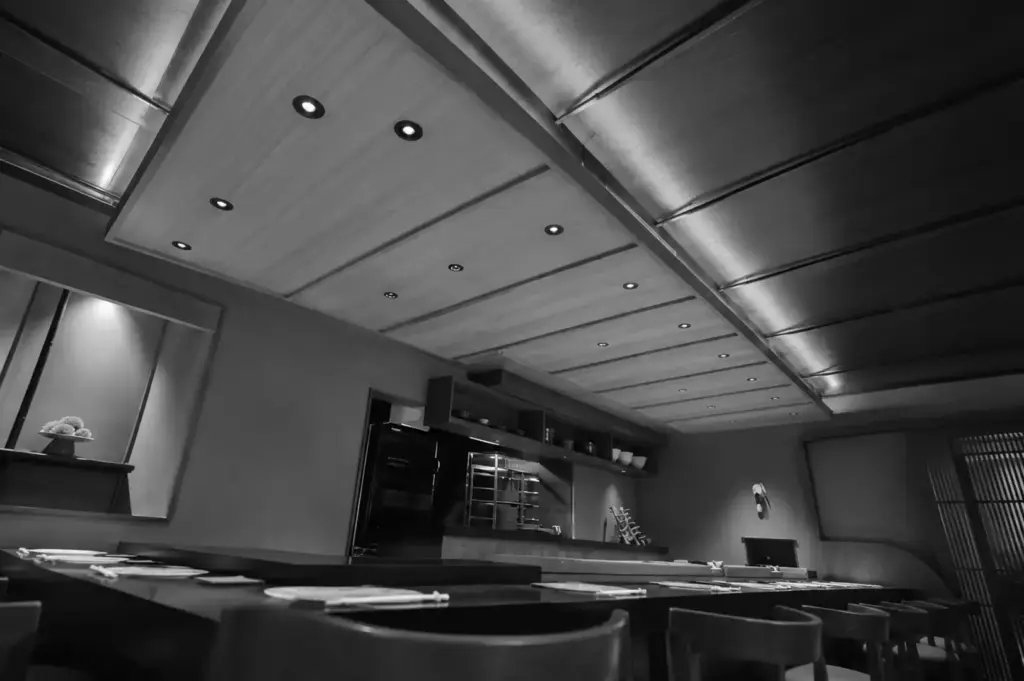
Ki Sho 葵 匠 lives inside that heritage house at 29 Scotts Road, and the setting does something to you before a single course arrives. You step out of the heat, out of the noise, and into a room built around a long L-shaped hinoki wood counter. There are about eleven seats. That’s it. Upstairs on the second floor, there are private rooms, but the counter is the heart of the place, and it’s where I sat.
The interior is minimal in the Japanese sense, which is to say deliberate rather than empty. Pale wood, soft lighting, very little on the walls to distract you. No music fighting for attention. The loudest thing in the room was the quiet itself, and the occasional sound of a knife meeting a board.
I arrived a few minutes before my lunch sitting, and the room was already composed, the counter wiped clean, everything waiting. It felt less like a restaurant opening its doors and more like being invited into someone’s careful, private ritual. If you want a lively night out, this isn’t it. If you want to sit still and pay attention, it’s close to perfect.
Chef Taro Takayama Leads Ki-sho Singapore’s Kappo-Style Omakase
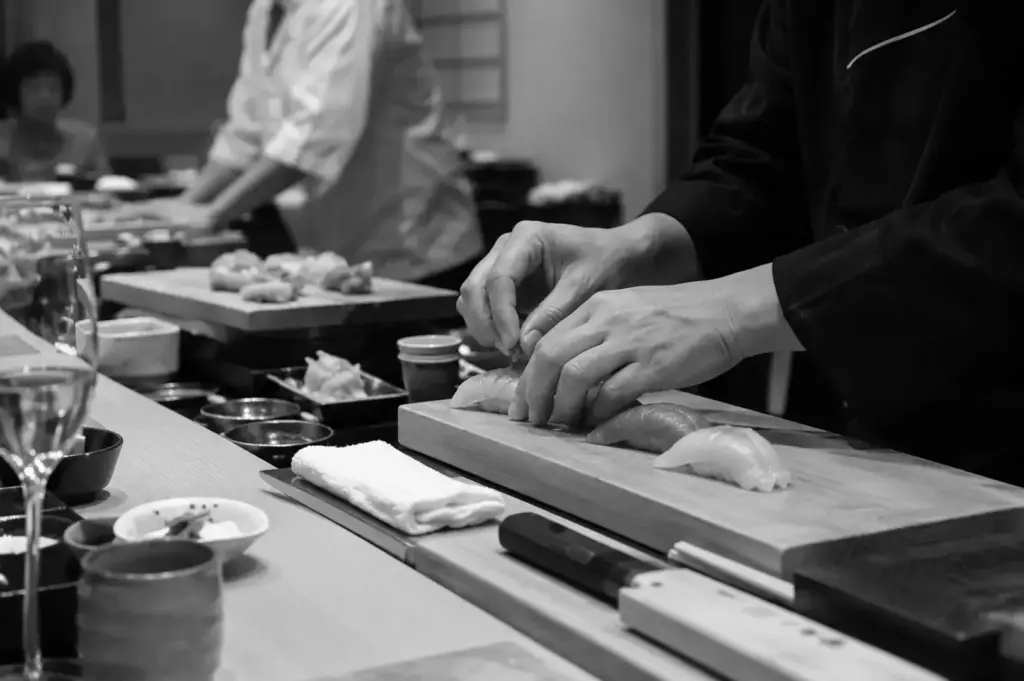
Ki-sho Singapore is now helmed by Chef Taro Takayama, who previously ran his eponymous restaurant Takayama at Downtown Gallery. His kappo-style omakase focuses on seasonal Japanese ingredients, classical technique and a progression of raw and cooked dishes. Chef Takayama, renowned for his mastery in Japanese cuisine, brings a refined focus on seasonal ingredients and precise technique. His background, including prestigious roles and his eponymous restaurant, informs the thoughtful curation of each meal.
The kitchen’s rhythm is deliberate yet fluid, blending raw and cooked preparations with a seamless flow. This is not just a Japanese omakase restaurant; it is an immersive journey through the nuances of Japanese cuisine, where the chef’s skill and seasonal bounty meet.
Ki Sho's Seasonal Sashimi and Signature Dishes: A Taste of Oceanic Umami
The seasonal sashimi at Ki Sho is truly a highlight that set the tone for my entire meal. Each piece was presented with such care and artistry that it felt like a personal gift from the chef.
I remember the dry-aged white fish vividly—its texture was delicate yet firm, brightened by a squeeze of lime and a subtle dusting of snow salt and dehydrated kombu. This combination created a clean, savoury edge that enhanced the fish’s natural flavors without overpowering them. One piece was lightly torched, releasing a gentle smoky aroma that deepened the flavor profile beautifully.
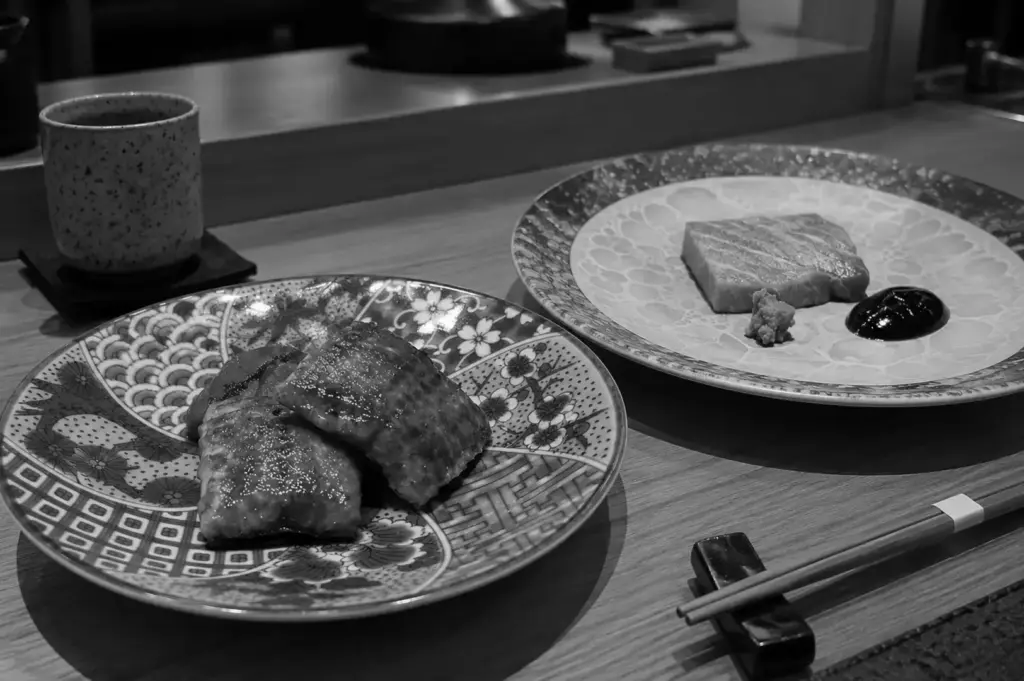
The bluefin tuna was another standout. Paired with a marinated red cured egg-yolk soy sauce, it delivered a rich, almost stubbornly savoury finish that lingered pleasantly on my palate. Each bite was thoughtfully balanced with freshly grated wasabi and a touch of ponzu sauce, which elevated the natural sweetness and umami of the fish.
Other sashimi ingredients like rock fish, surf clam, and sea bream each had their moment to shine, prepared in ways that highlighted their unique textures and tastes. I particularly enjoyed the contrast brought by the shredded fried maitake mushroom, which added an unexpected earthy crunch that perfectly complemented the oceanic umami of the seafood.
Sitting at the counter, watching the chefs prepare each piece with precision and care, made the experience even more immersive and memorable.
Tottori Wagyu: Chef Takayama’s Signature at Ki Sho Singapore
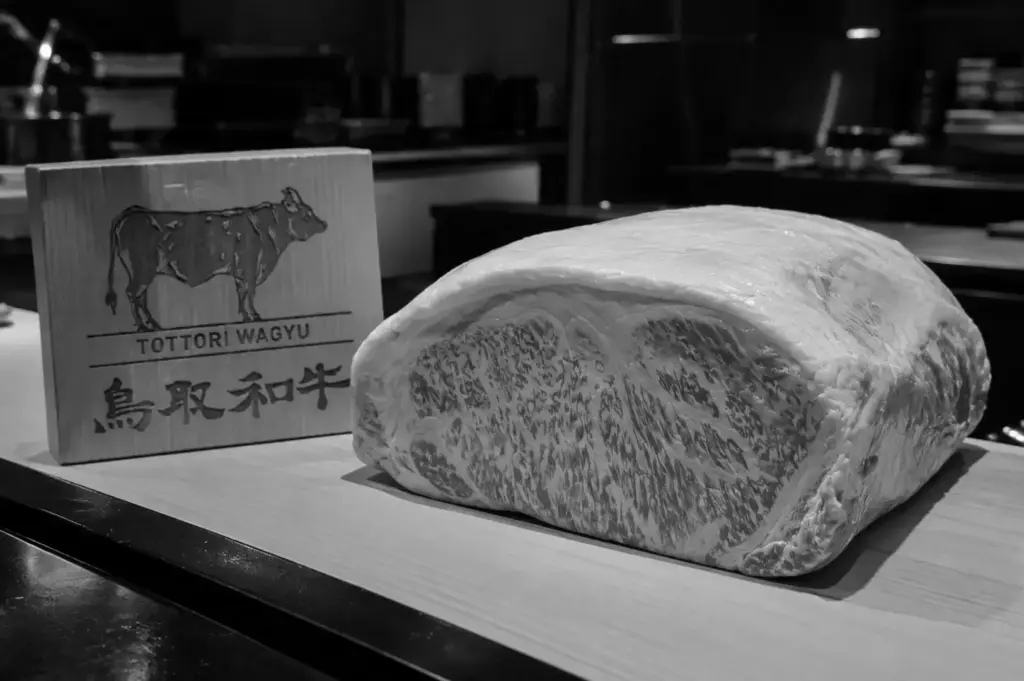
A standout is the Tottori Wagyu, whose beef won the top prize for meat quality at Japan’s 2017 National Wagyu Competition. During my visit, the Tottori Wagyu was served shabu-shabu style with roasted Kyoto eggplant, which provided a smoky, sweet contrast to the beef’s rich marbling This signature dish reflects Chef Takayama’s commitment to premium ingredients and traditional Japanese techniques, showcasing the rich umami and melt-in-the-mouth texture unique to this award-winning wagyu.
For non-beef eaters, a seasonal fish option may be offered depending on the menu; dietary substitutions should be confirmed with the restaurant in advance. During my meal, other seasonal seafood preparations included charcoal-grilled unagi and belt fish.
Ki Sho Offers a Wholesome Experience with Donabe Rice and Seasonal Fruits
The meal’s savory conclusion is the signature donabe rice, a clay pot rice cooked with japanese rice cooked to fluffy perfection. Today’s donabe included sanma fish (Pacific saury) and a touch of umeboshi, the sour plum cutting through the meal’s richness. During my meal, the rice is served alongside house made pickles and a comforting corn soup, made with white miso and infused with dashi stock.
Dessert features seasonal fruits and housemade warabi mochi, a delicate, jelly-like sweet that rounds off the meal with subtle sweetness and texture.
Ki Sho’s Zen Garden Platter and Other Artisanal Small Plates
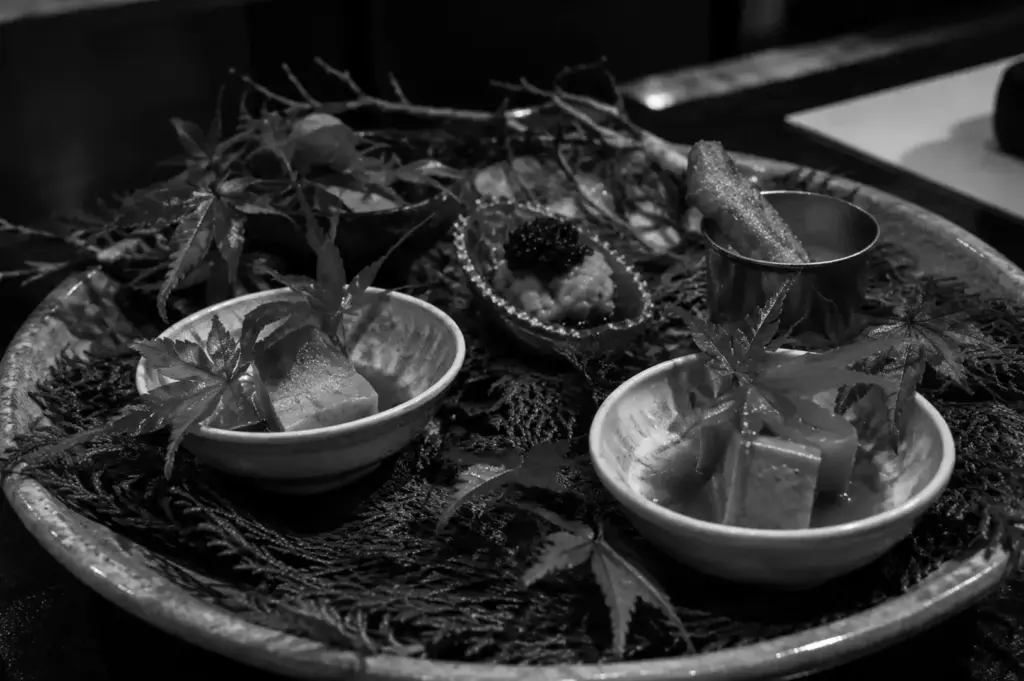
Among the playful and refined dishes is the zen garden platter, a sensory experience with mini-dishes like monkfish liver (ankimo), often described as “foie gras from the sea,” and shrimp taro. The platter also features grilled saba, fried kanu cubes and crisp fried garlic slices, each element designed to pair beautifully with the restaurant’s exclusive sake selections.
Ki Sho also serves a whimsical monaka with foie gras mousse, combining a crisp wafer shell with a creamy, subtly sweet interior enhanced by sake and watermelon.
Ki Sho Singapore’s Service, Atmosphere, and Dining Tips
Ki Sho’s service is attentive and composed, with each course introduced clearly, ingredients explained, and plates cleared without fuss. The pacing is unhurried, allowing diners to savor each dish fully. The welcome hot tea served at the start sets a warm tone.
Current omakase menus:
Lunch: S$168++ for six courses or S$280++ for seven courses.
Dinner: S$280++ for seven courses or S$360++ for nine courses.
Menus change seasonally.
Ki-sho’s current official hours are:
Lunch: Monday–Friday, 12pm–3pm
Dinner: Monday–Saturday, 6:30pm–11pm
Closed Sunday
No Saturday/Public Holiday lunch
Reservations should be made in advance. Ki-sho currently charges S$150 per person for lunch and S$200 per person for dinner for cancellations or booking changes made within 48 hours of the reservation.
Ki-sho currently cannot accommodate vegan or vegetarian menus, so diners with dietary restrictions should check with the restaurant before booking
Final Verdict: Ki-sho Singapore’s Kappo-Style Omakase by Chef Taro Takayama
Ki-sho Singapore at 29 Scotts Road offers a refined and intimate kappo-style omakase experience led by Chef Taro Takayama and centred on seasonal Japanese ingredients. From seasonal sashimi to the prized Tottori Wagyu, from the black abalone hotpot to the comforting donabe rice, each dish is a testament to the subtlety and discipline of Japanese cuisine.
While the chef interaction is more reserved than some may expect, the food’s quality and the serene atmosphere make Ki Sho a destination for serious lovers of Japanese omakase. Whether for a special occasion lunch or a full nine-course dinner, Ki Sho offers an unforgettable journey into the heart of kappou dining.
If you are looking for some sashimi that won’t break the bank, why not discover other sashimi spots I recommend in Food Reporter SG.