
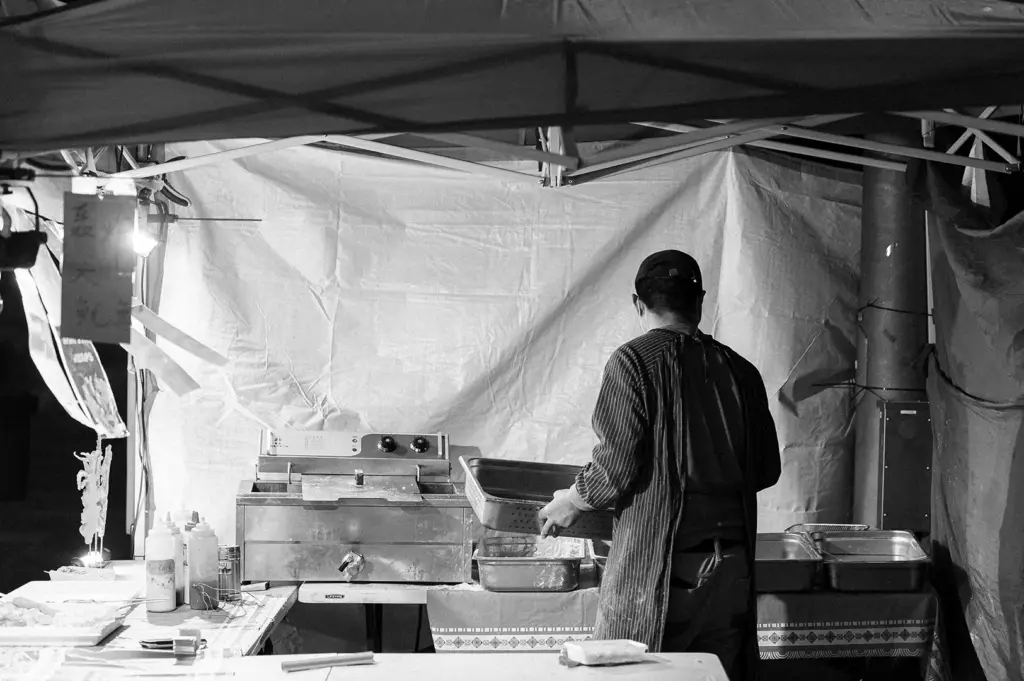
“Not every food idea needs a permanent address before it proves itself.”
We used to think a serious food business needed a proper shopfront. A signboard, a lease, a fixed kitchen, regular opening hours, and a location diners could return to. That model still matters, but it is no longer the only path. In Singapore, more chefs, bakers, home-based brands, private dining teams, and young food entrepreneurs are using pop-ups to test ideas before committing to permanent premises.
The appeal is clear. Opening a full restaurant or cafe here is expensive. Rent, renovation, equipment, manpower, ingredients, marketing, and licensing can create a heavy burden before the first customer is served. A pop-up lowers that risk. By operating for a weekend, a few weeks, or through a collaboration with an existing venue, food businesses can enter the market with less pressure. It gives them a chance to ask a simple question before spending heavily; do people actually want this?
That question matters. A chef may believe in a concept, but belief is not the same as demand. A pop-up can reveal what customers order, what they ignore, how much they are willing to pay, and whether the idea works outside of friends, followers, and early supporters. It can also expose weaknesses quickly. Service may be too slow. Portions may be hard to manage. Ingredients may be too costly. The menu may look exciting online but feel confusing in person. These are lessons better learned before signing a long lease.
Pop-ups are also useful because they create direct contact with diners. There is less distance between the people making the food and the people eating it. Feedback arrives immediately, sometimes too honestly, but often usefully. For a young brand, this can shape everything from menu structure to pricing, packaging, branding, and future location plans. A good pop-up is not just a sales event; it is live market research.
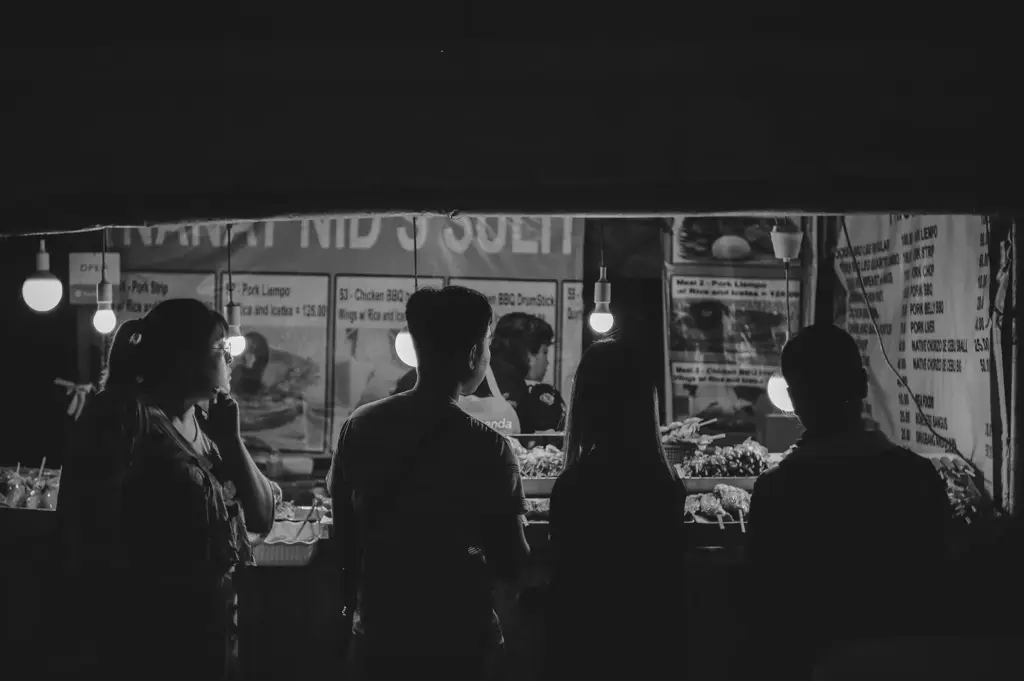
But we should not ignore the hype factor. Pop-ups work partly because they are temporary. Limited slots, short runs, guest chef collaborations, and “one weekend only” menus create urgency. Social media responds well to that. Diners feel they have to go before the opportunity disappears. For some brands, this urgency becomes the whole strategy. The danger is that attention can be mistaken for loyalty.
A queue at a pop-up does not always mean a business is ready to become permanent. Some diners come once because the event feels exclusive. Others are chasing novelty, not building a habit. The real test comes later. Will people return when the brand is no longer scarce? Will they pay the same price when the concept is available every day? Can the team maintain quality without the excitement of a short run?
This is where long-term food brands separate themselves from temporary trends. The best pop-ups use hype as a door, not as the foundation. They deliver food with enough substance to make diners remember the brand after the event ends. They collect feedback, refine their model, and think carefully about scale. They do not rush into permanence just because the first few sessions sold out.
For Singapore’s dining scene, pop-ups are valuable because they make experimentation more possible. They give smaller players a platform, let established chefs try new formats, and allow diners to experience ideas that may not survive in a traditional restaurant model yet. In a market where costs are high and tastes change quickly, that flexibility matters.
So, can short-term pop-ups build long-term food brands? Yes, but only when they are treated as more than publicity. A pop-up can introduce a name, but consistency builds a brand. Scarcity can create excitement, but trust creates return customers.
The future belongs to food businesses that know how to turn a temporary table into a lasting reason to come back.
Visit Food Reporter SG by clicking here: https://foodreportersg.com/ for more stories on Singapore’s dining trends, food entrepreneurs, and the concepts shaping what we eat next.