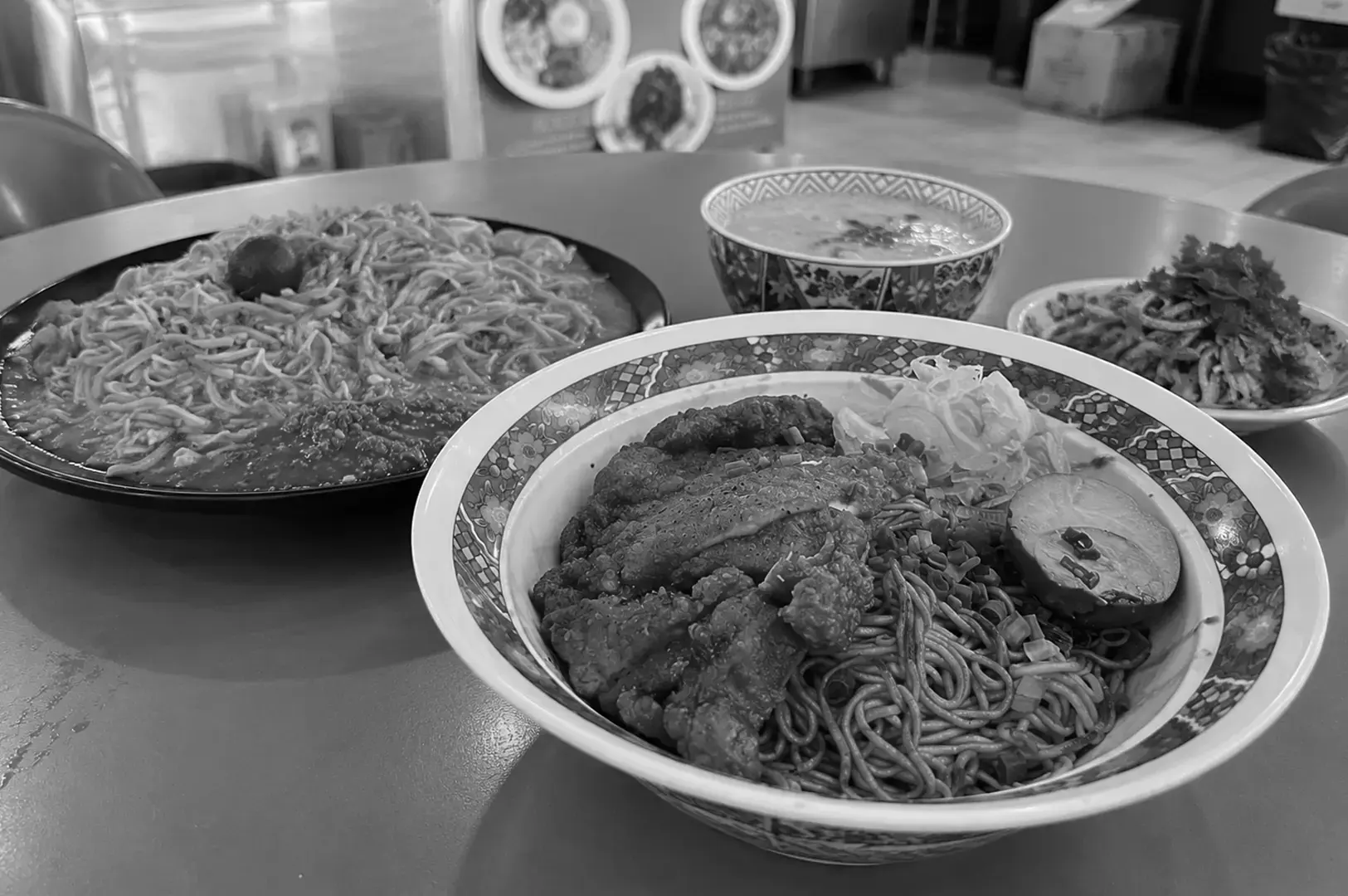
The first noodle dish I remember choosing for myself was a tasty bowl of fishball noodles. I was about nine, standing on tiptoe at a coffee shop counter, when the uncle asked, “Mee pok or mee kia?” I had no idea. I pointed at the flat ones because they looked friendlier.
That question still comes up every time I order. Singapore noodle dishes come from Chinese, Malaysian, Indian-Muslim, and Peranakan kitchens. They share ingredients and borrow from one another, yet each one ends up with its own character. Our hawker culture was inscribed on UNESCO’s Representative List of the Intangible Cultural Heritage of Humanity in 2020, and noodles are a large part of what that recognition protects.
This guide covers the main types of noodles in Singapore, 15 popular noodle dishes (Other than pho or Japanese noodles like: ramen, udon, soba, and other common noodle dishes), how to order them, and the small things worth knowing before you sit down at a shared table.
Different Types of Noodles vs Noodle Dishes
This distinction helped me more than anything else. A noodle type is the noodle itself, made from great variety of ingredients like wheat flour, rice flour, or buckwheat flour, different noodles with different textures. A famous dish is the complete meal built around it.
Unique type | What it’s like | Where you’ll find it |
|---|---|---|
Mee pok | Flat, springy wheat noodles made from wheat flour | Bak chor mee, fishball noodles |
Mee kia | Thin, round wheat noodles | Wanton mee, bak chor mee |
Yellow noodles | Thick wheat noodles with a yellow hue, often used in stir fries | Hokkien mee, mee rebus, mee soto, mee goreng |
Bee hoon (rice vermicelli) | Thin rice vermicelli noodles made from rice flour | Mee siam, prawn mee, vegetarian bee hoon |
Kway teow | Flat rice noodles made from rice flour | Char kway teow, fishball noodles |
Mee tai mak | Short, thick, tapered rice noodles made with rice flour | Fishball noodle soup |
Ban mian / mee hoon kueh | Wheat-dough strands or hand-torn pieces | Ban mian, mee hoon kueh soup |
15 Popular Noodle Dishes in Singapore Featuring Rice Noodles and Asian Noodles
1. Laksa
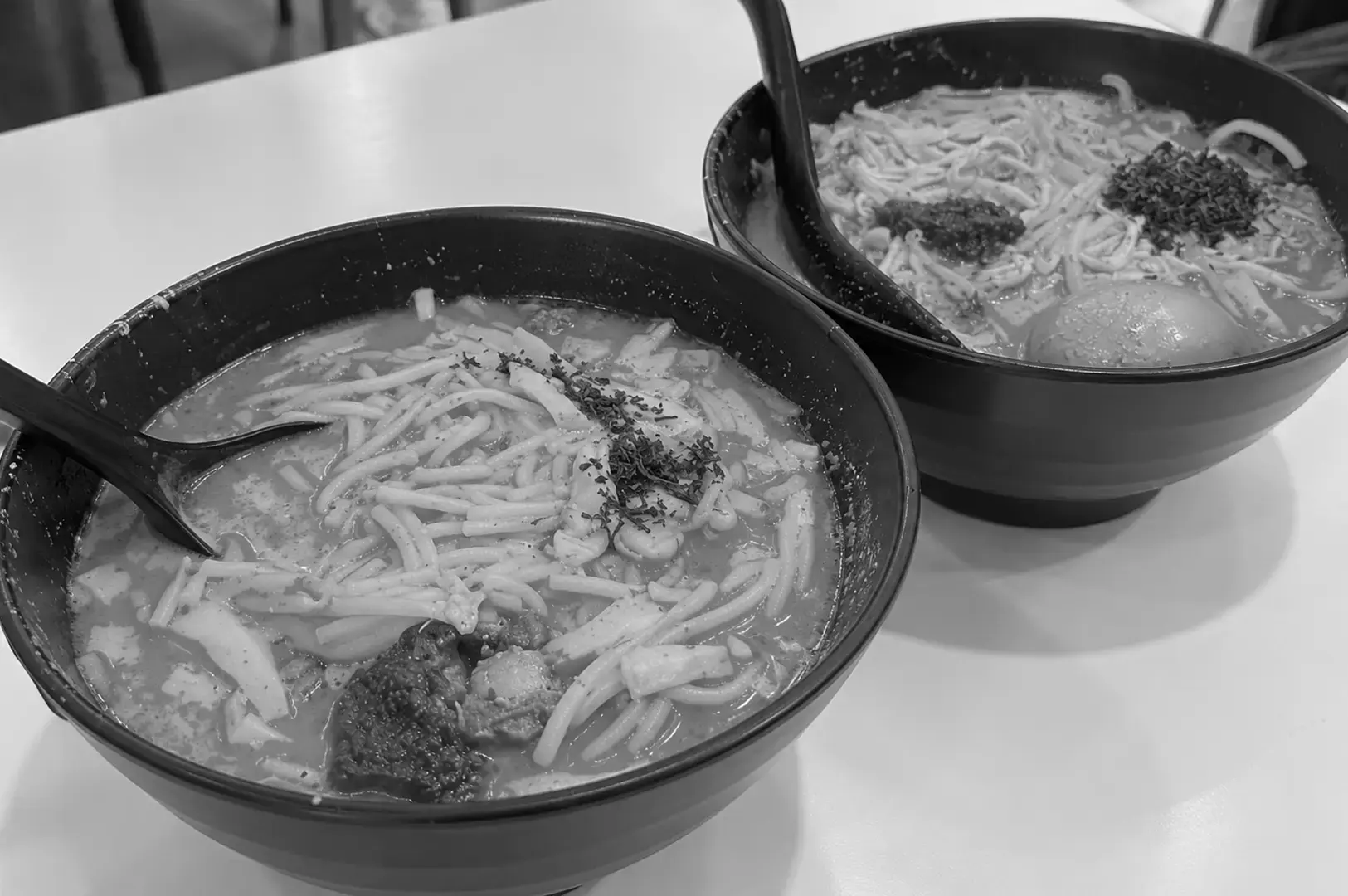
Thick rice noodles sit in a spiced coconut curry gravy with prawns, fishcake, cockles, and laksa leaves. The dish carries strong Peranakan influences. Katong laksa cuts its noodles short so you can eat the whole large bowl with a spoon. The broth should taste rich and well spiced, never just sweet.
Ordering tip: Ask for “no cockles” if raw-ish shellfish isn’t for you.
2. Bak Chor Mee
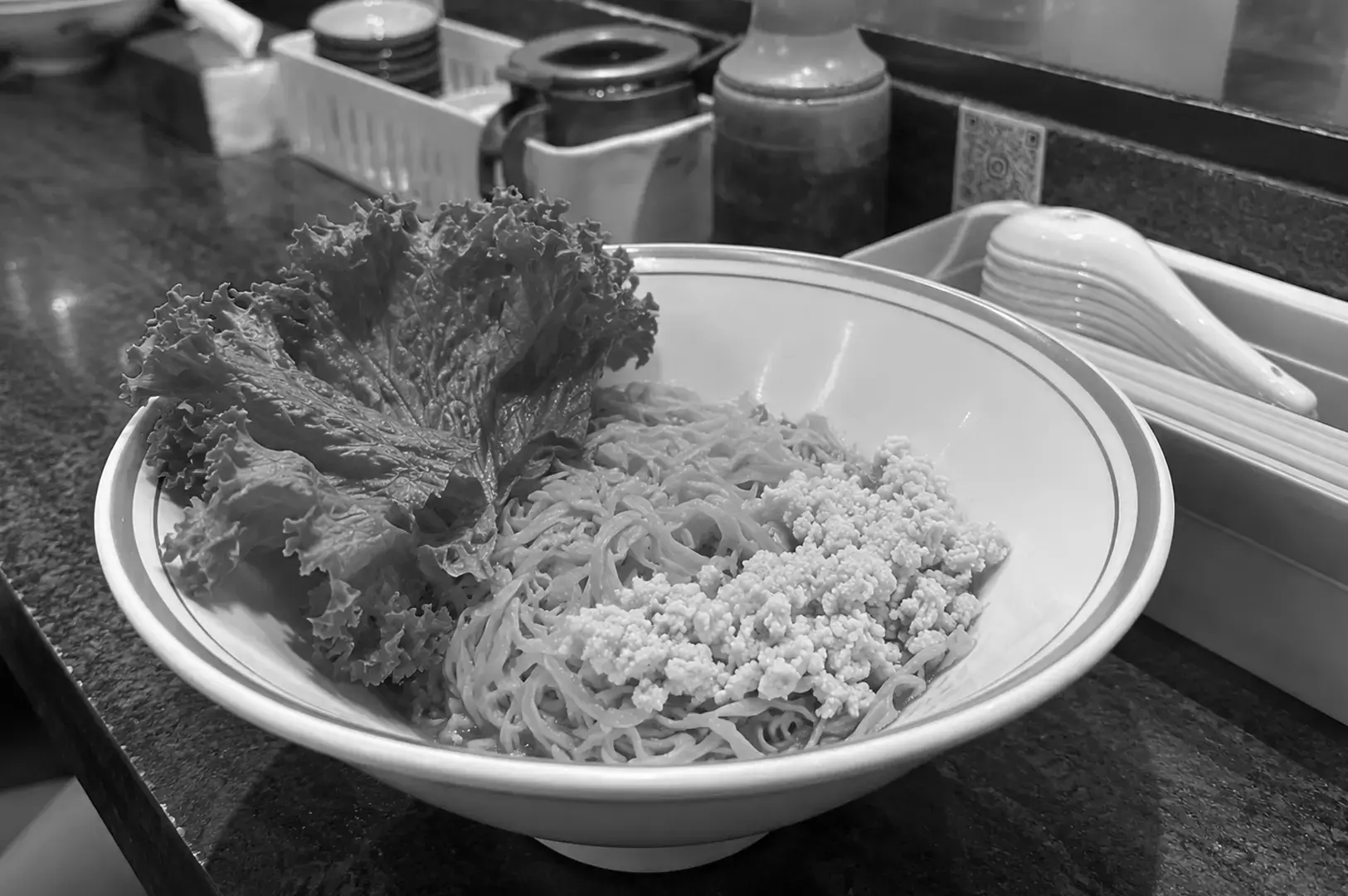
This Teochew dish combines mee pok or mee kia with minced pork, sliced pork, mushrooms, and sometimes liver. The dry version, tossed in dark soy sauce, chilli, and lard, is the style most people think of first. Hill Street Tai Hwa Pork Noodle is often held up as a reference point for it.
Ordering tip: Expect a sharp vinegar tang. Say “less vinegar” if you’re unsure.
3. Fried Hokkien Mee Stir Fries (Buckwheat Noodles)
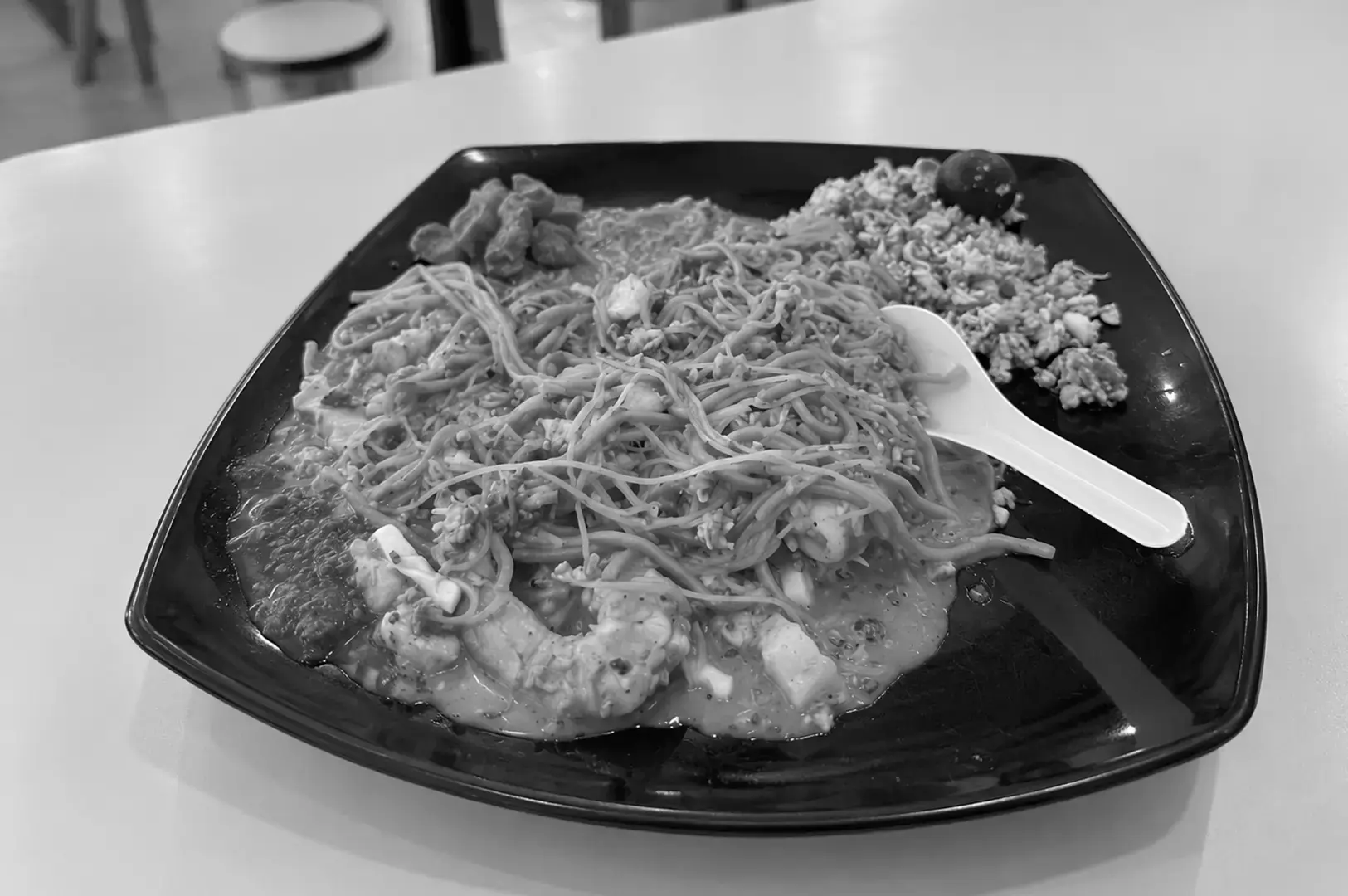
Yellow buckwheat noodles with a bit thicker size and thick bee hoon are fried in prawn stock with prawns, squid, and egg, then served with sambal and lime. Some stalls serve it wet, others dry. Nam Sing at Old Airport Road is a good example of the drier style. A good plate carries wok hei, the faint smokiness that comes from cooking over high heat in a wok.
Ordering tip: Squeeze the lime over the plate before you add any chilli.
4. Char Kway Teow Chow Mein
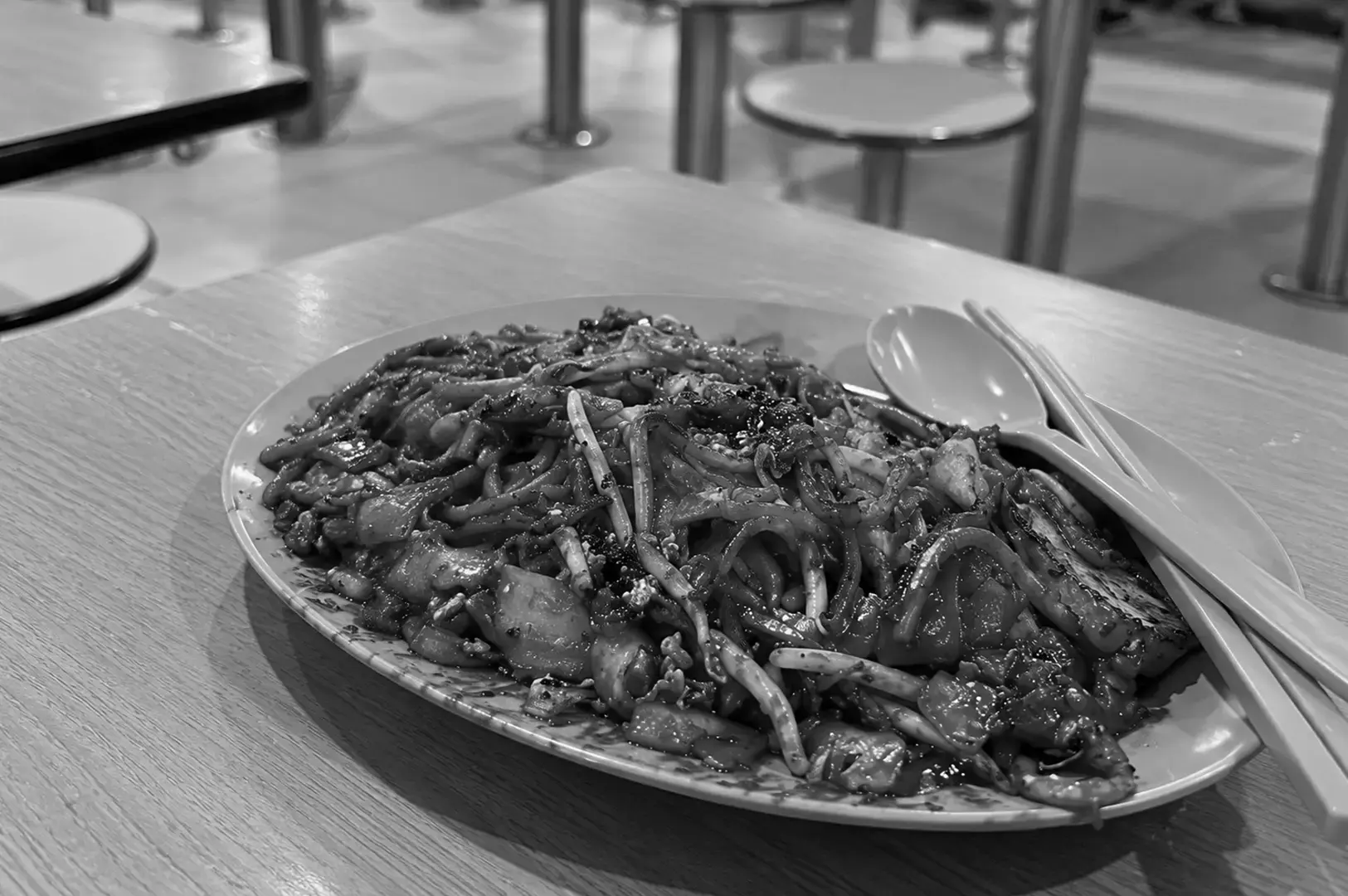
Flat rice noodles, sometimes mixed with yellow noodles, are stir-fried with dark soy sauce, egg, bean sprouts, cockles, Chinese sausage, and fishcake. Traditional versions use pork lard. The flavor sits between sweet and savory, and the wok should leave a slight char.
Ordering tip: “No cockles, no chilli” is a perfectly normal request.
5. Prawn Mee (Hae Mee)
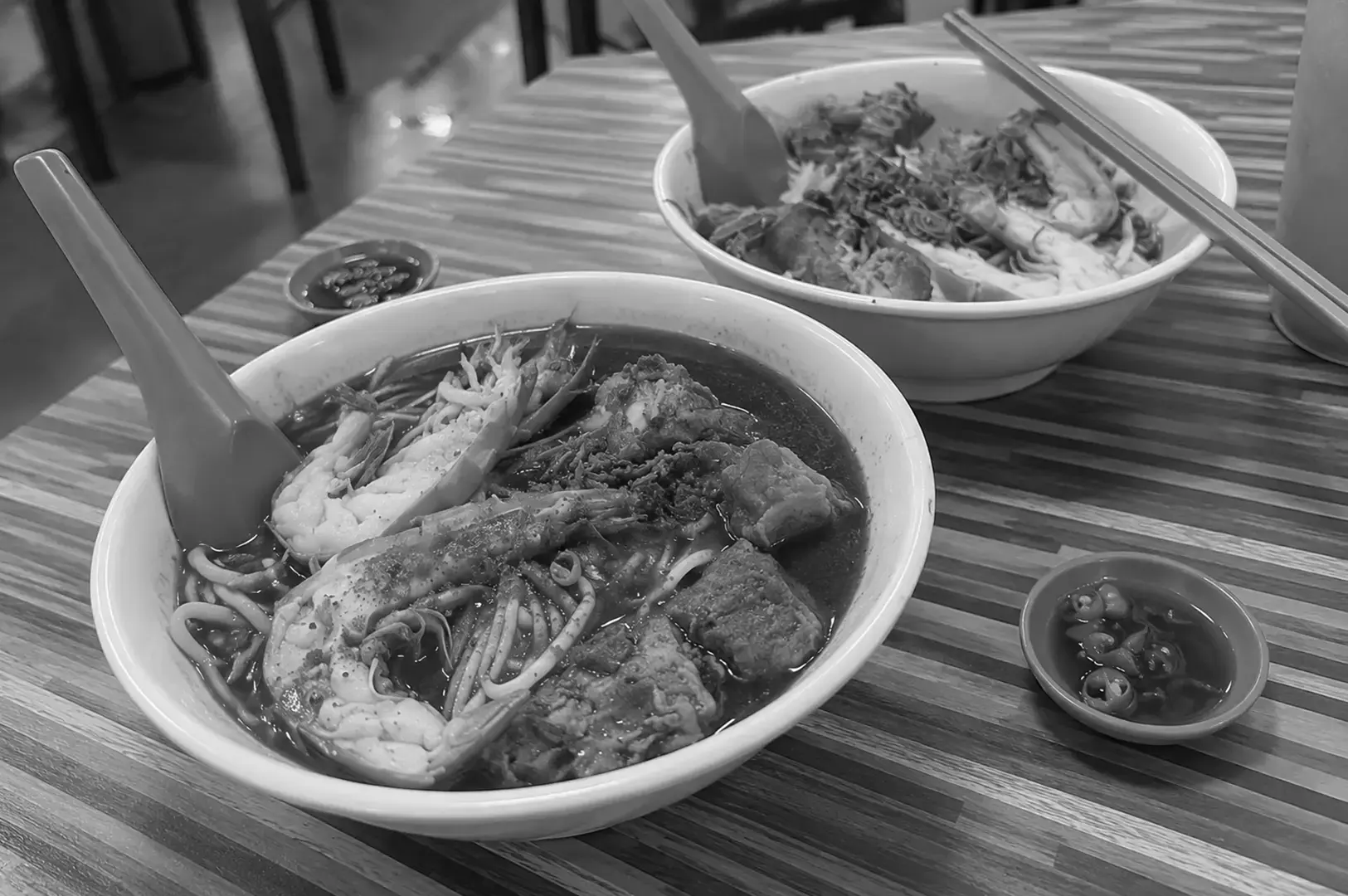
Prawn Mee consists of yellow noodles, bee hoon, or a mix of both come with fresh prawns, pork, and fried shallots in a broth made from prawn heads and shells, sometimes chicken broth. It has Fujian roots. Jalan Sultan Prawn Mee shows how differently the soup and dry versions can taste.
Ordering tip: Many broths also use pork bones or chicken broth, so ask if you avoid pork or meat.
6. Wanton Mee Chinese Noodles
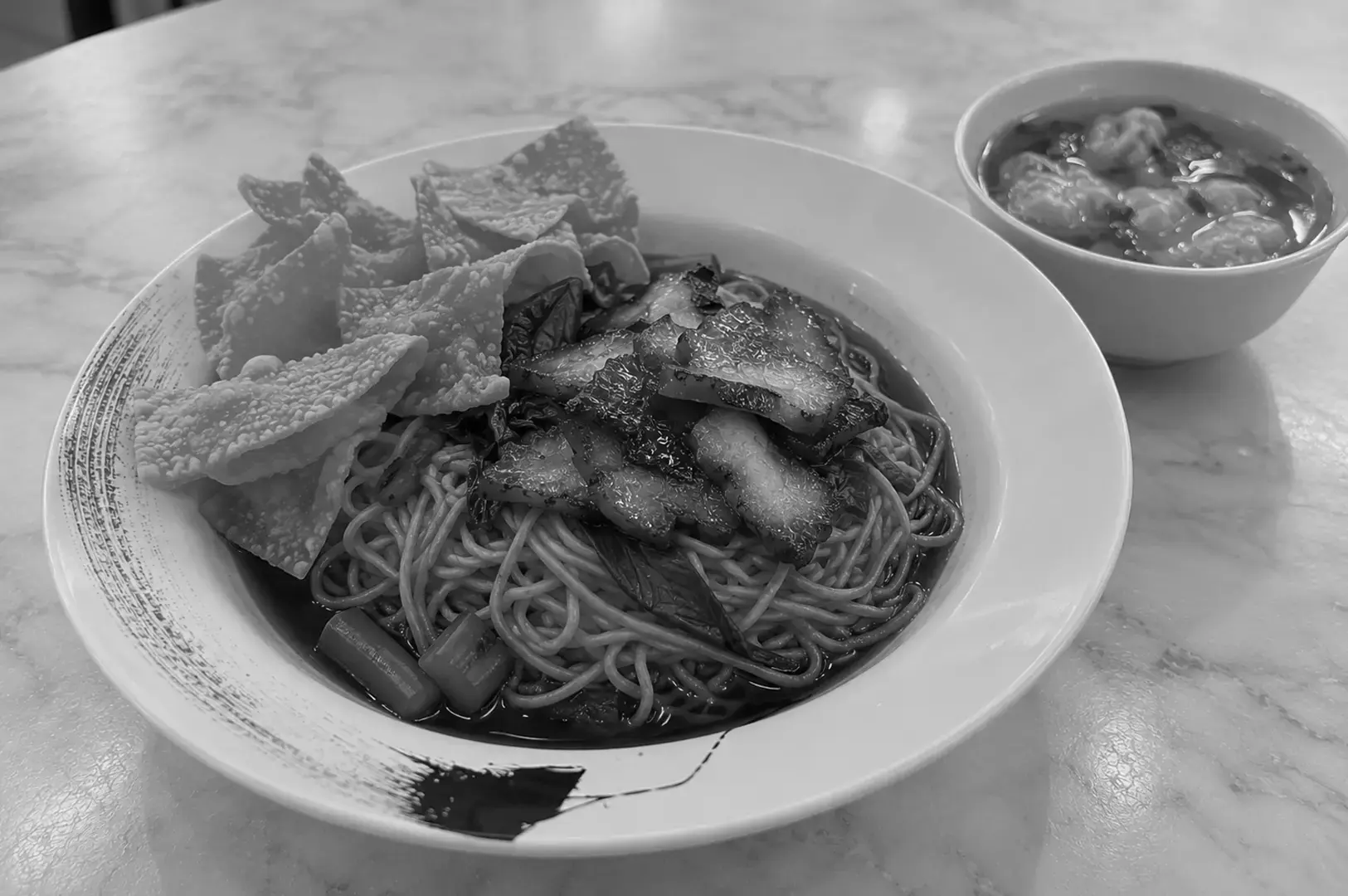
This Cantonese-influenced dish pairs springy egg noodles with pork wantons, char siu, and greens. The Singapore dry version usually comes dressed in a chilli-based sauce with soy sauce, unlike the Hong Kong style, which is generally served hot in soup.
Ordering tip: Order it dry with chilli for the local version.
7. Fishball Noodles
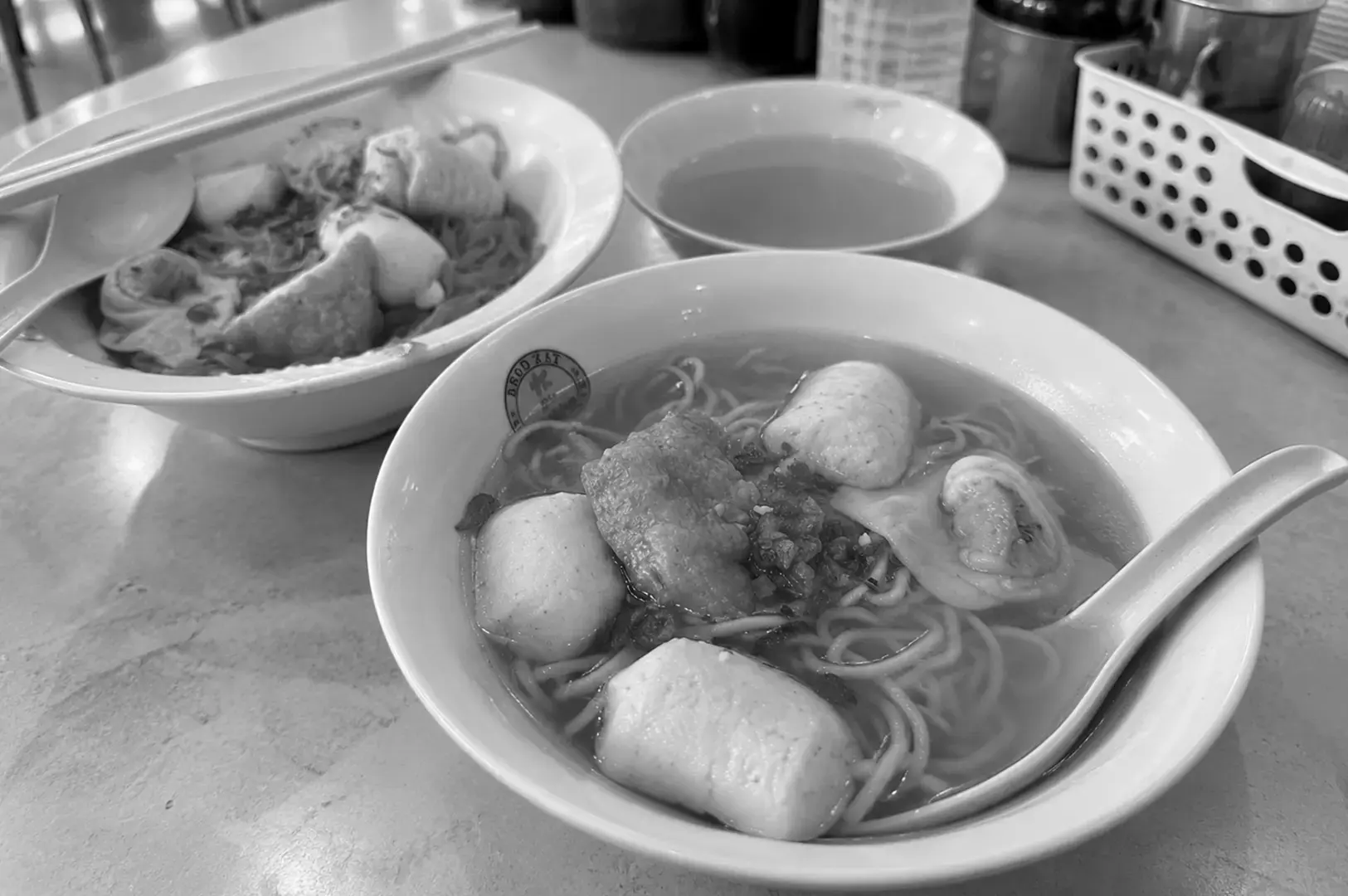
Fishballs and sliced fishcake come with your choice of mee pok, mee kia, kway teow, or bee hoon. The dish is Teochew-influenced. A good fishball should bounce slightly when you bite into it.
Ordering tip: “Mee pok dry, no chilli” is a calm, safe first order.
8. Lor Mee
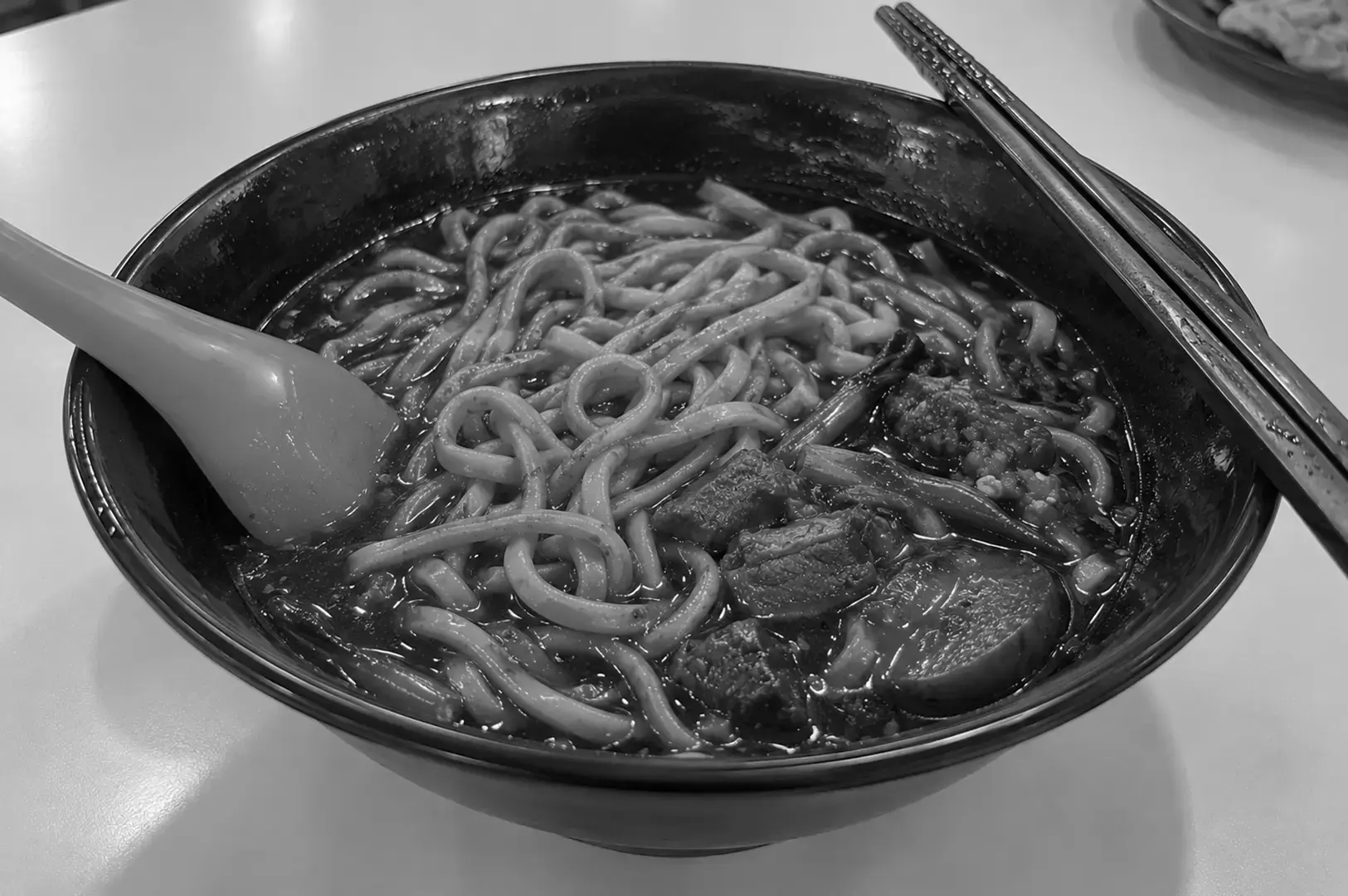
Thick yellow noodles sit in a glossy, starch-thickened gravy with braised egg, fried fish, and ngoh hiang. It’s a Hokkien dish. The gravy should coat the noodles without turning gluey.
Ordering tip: Add the black vinegar and minced garlic. They cut through the richness.
9. Mee Rebus
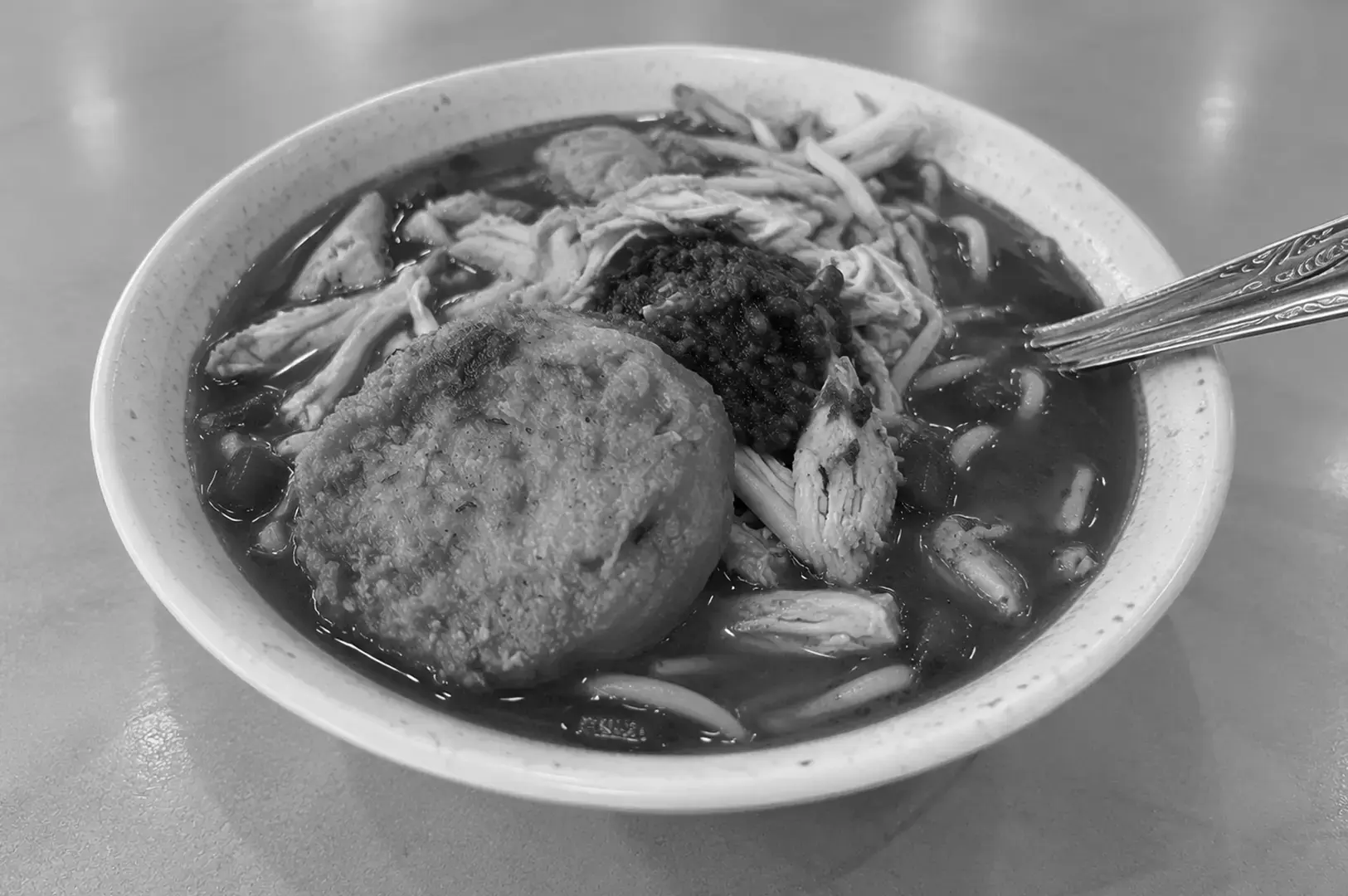
Yellow noodles come in a thick, gently spiced gravy, often made with sweet potato, and topped with egg, tofu, bean sprouts, green chilli, and lime. It’s a Malay dish built on Hokkien yellow noodles, a small example of how ingredients crossed between communities.
Ordering tip: Squeeze in all the lime. It brightens the gravy.
10. Mee Siam
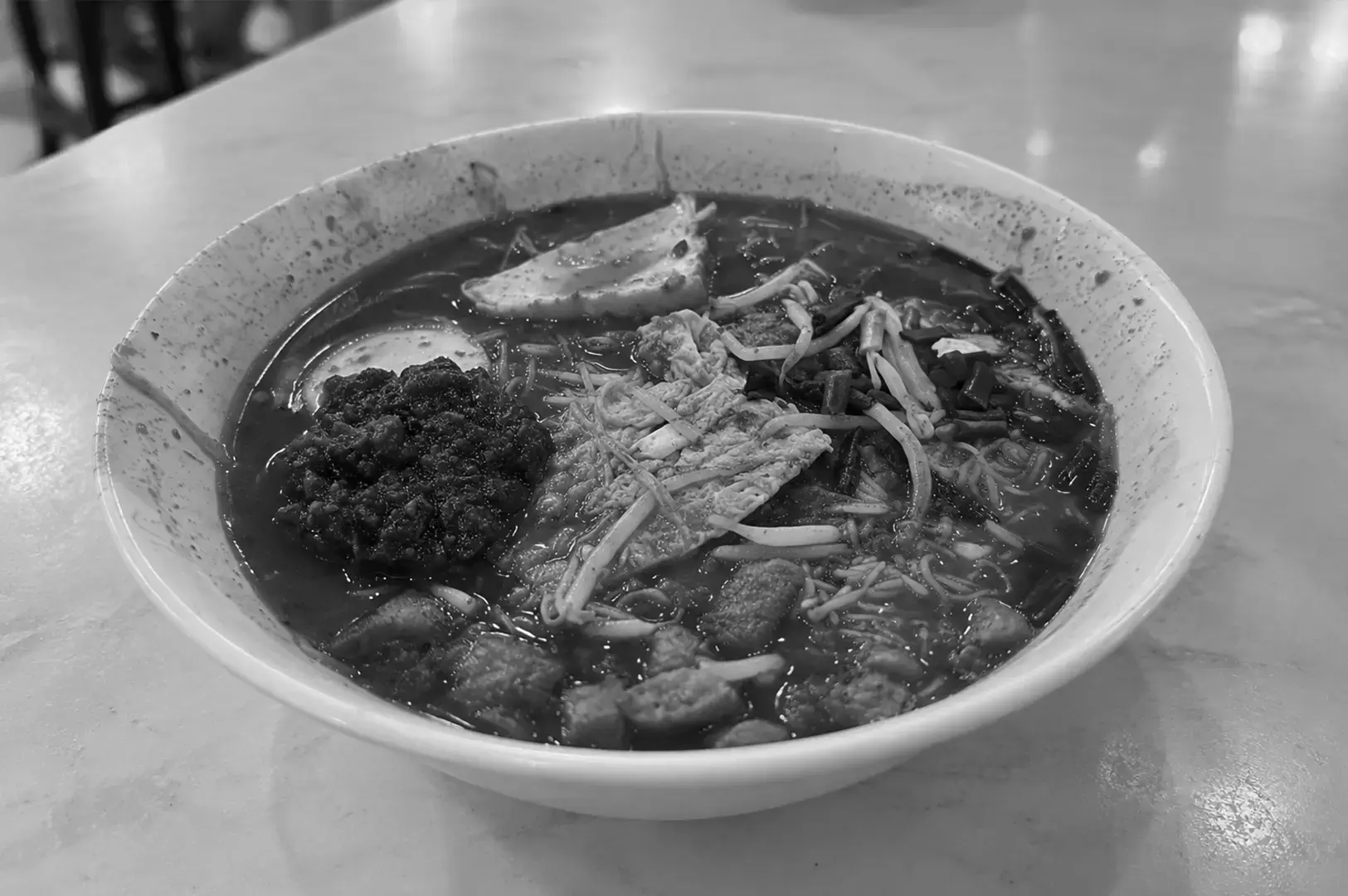
Thin bee hoon sits in a sweet, sour, and spicy tamarind gravy with egg, tau pok, and spring onions. It comes from Malay and Peranakan traditions and is lighter and tangier than mee rebus.
Ordering tip: Asking for less chilli won’t remove the spice from the gravy itself.
11. Mee Soto
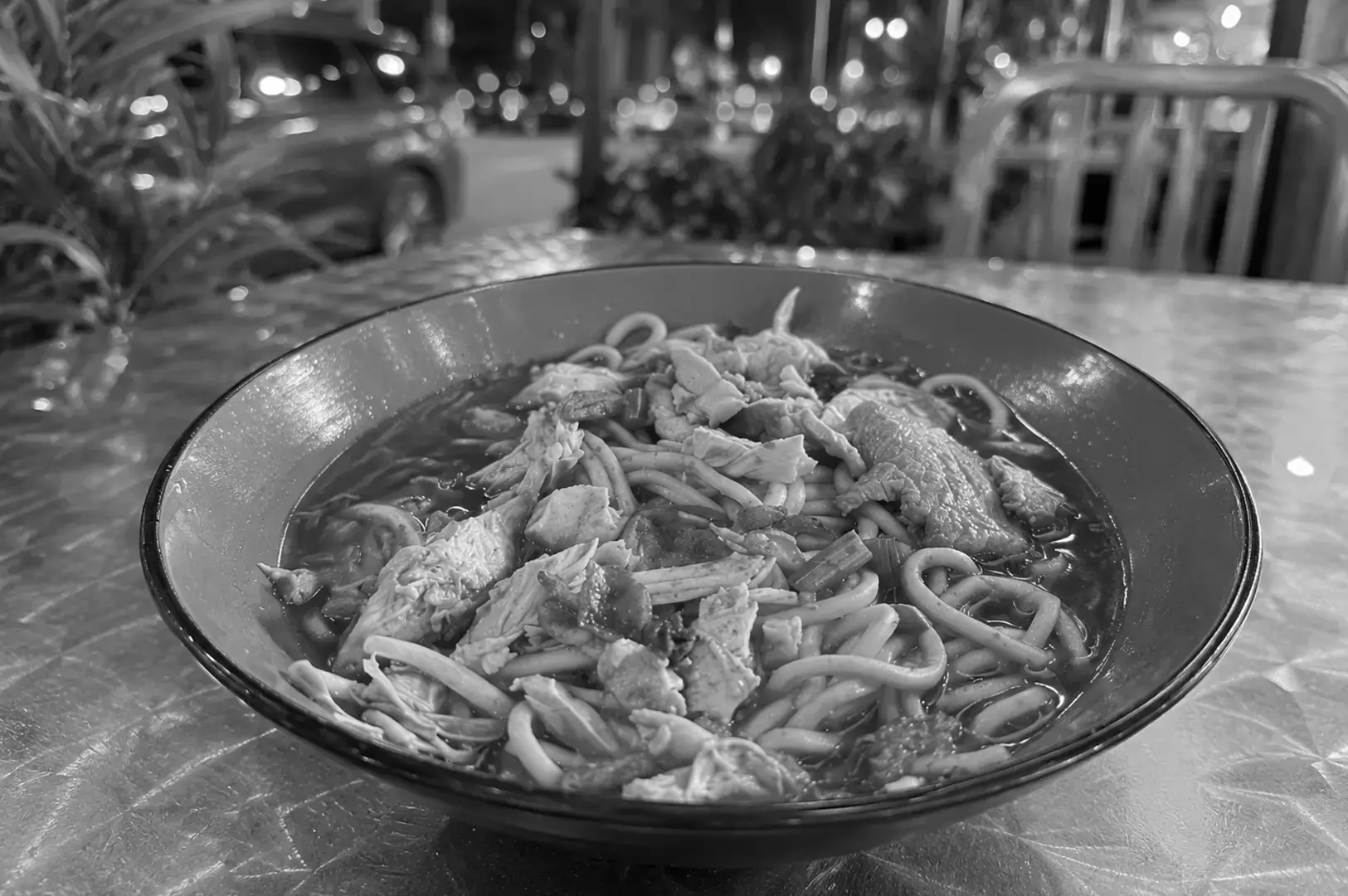
Yellow noodles come in a fragrant, spiced chicken broth with shredded chicken, bean sprouts, and fried shallots, and sometimes a bergedil (potato patty) on the side. Soto ayam is the version served with rice cakes or rice instead of noodles.
Ordering tip: Ask for sambal kicap, a sweet soy chilli sauce, on the side.
12. Indian-Muslim Mee Goreng Stir Fries
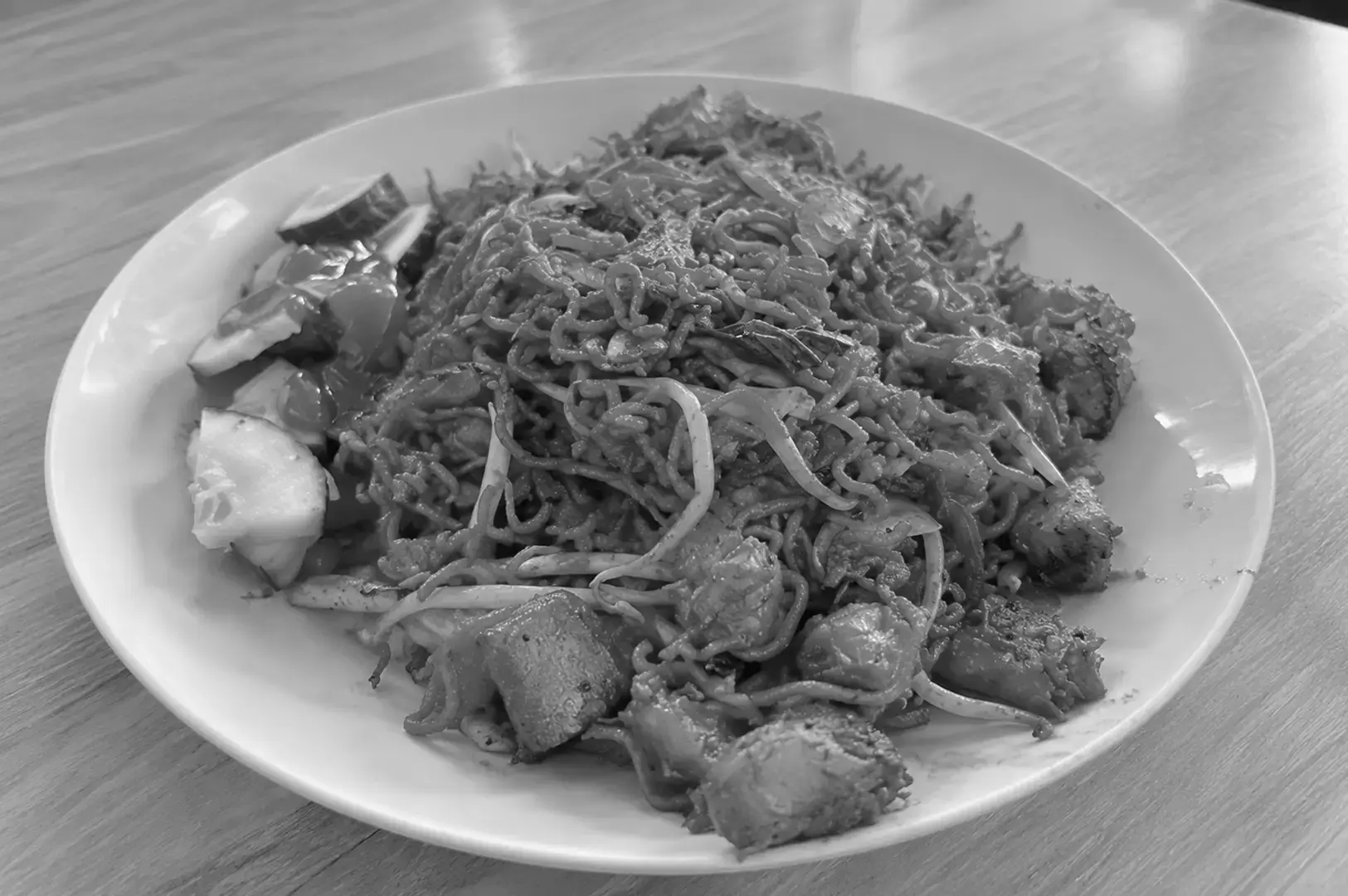
Yellow noodles are fried in a red-orange sauce of tomato, curry powder, and chilli with egg, potato, and vegetables like broccoli and cabbage. It’s sweeter and spicier than Malay-style mee goreng, and it comes from the Indian-Muslim hawker tradition.
Ordering tip: Ask about add-ons, since meat or seafood often costs extra.
13. Kway Chap
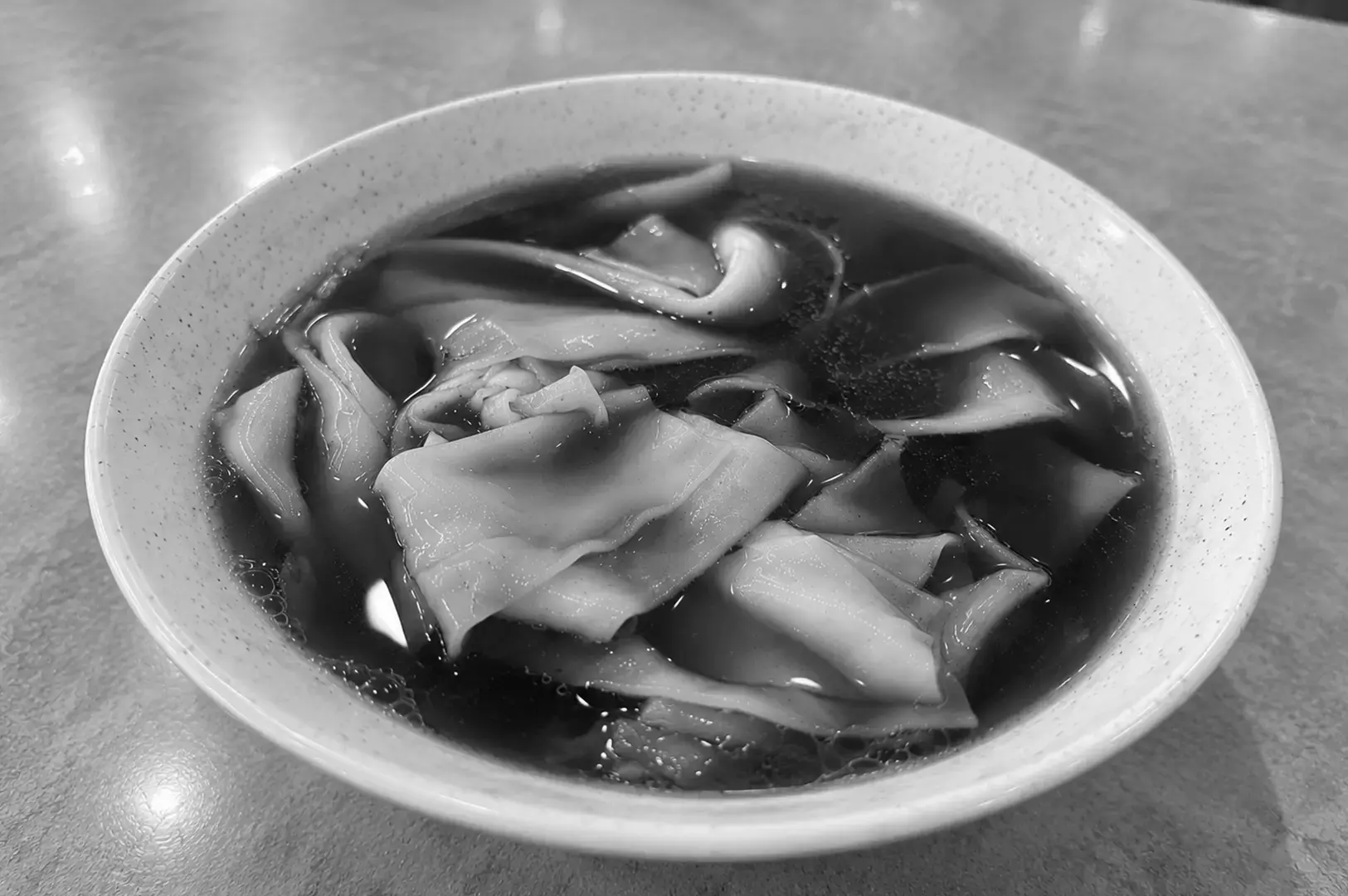
Broad, folded rice sheets made from rice flour come in a dark, aromatic broth, served alongside braised pork belly, offal, tofu, and eggs. It’s a Teochew dish and feels more like a shared meal than a single bowl.
Ordering tip: You choose your own sides, so skip the offal if it doesn’t appeal.
14. Ban Mian and Mee Hoon Kueh
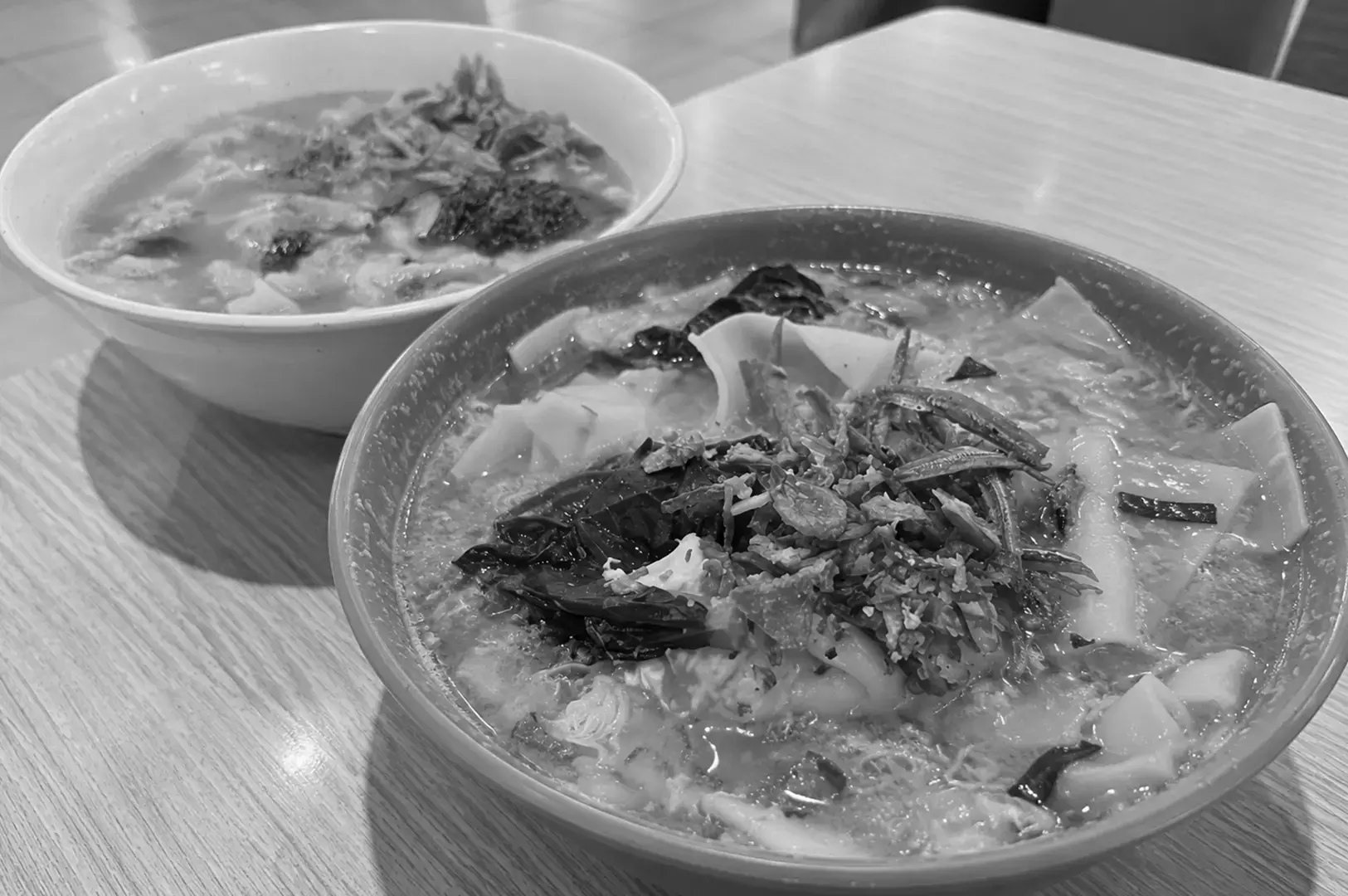
These handmade wheat noodles are cooked in anchovy broth with egg, vegetables, and minced pork. Ban mian uses strands, while mee hoon kueh uses torn or flattened pieces of dough. I’ve found that freshly torn dough has a chew that machine-cut noodles can’t quite match.
Ordering tip: Try the dry chilli version once. It’s a different dish altogether.
15. Vegetarian Bee Hoon (Rice Vermicelli)
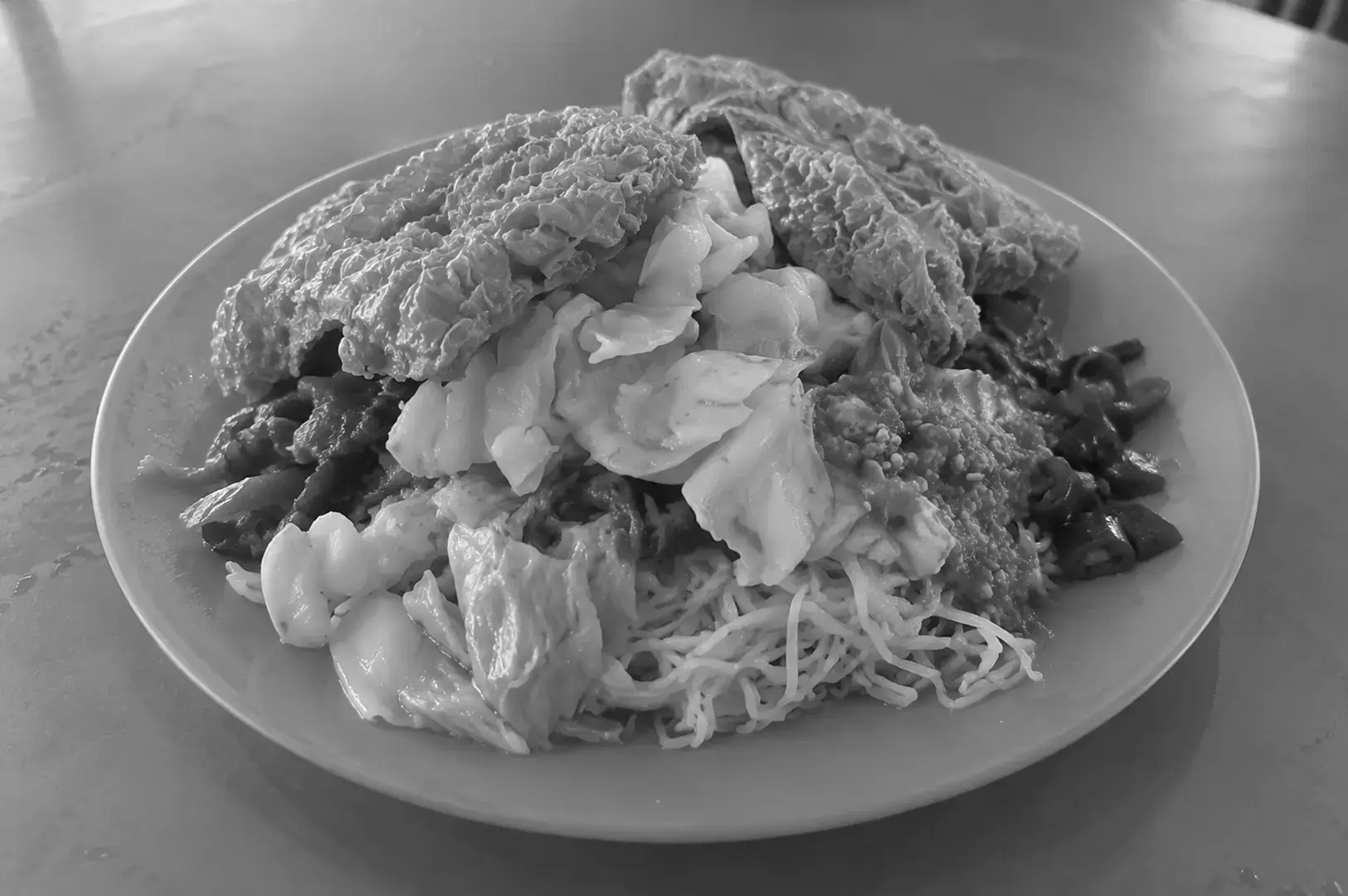
Fried bee hoon fine vermicelli noodles come with your choice of cabbage, ginger, mock meat, beancurd skin, and fried tofu. It’s a common breakfast at vegetarian stalls, and you pay per side you add.
Ordering tip: Vegetarian doesn’t always mean vegan. Some mock meats contain egg or dairy. If you wish for a non-vegetarian option, there is also a Crab Bee Hoon version, where fresh crab meat is stir-fried with rice vermicelli and a fragrant blend of spices.
Did you know? The curry-powder fried vermicelli sold overseas as “Singapore noodles” isn’t a traditional local dish. It’s generally traced to Cantonese cooking in Hong Kong. You won’t find it under that name at most hawker centers here.
Dry, Soup, Fried or Gravy: A Quick Guide to Preparing Asian Noodles
Insider knowledge:
Dry: Noodles tossed in sauce, often with soup on the side (bak chor mee, wanton mee). Look for an even coating with no sauce pooling at the bottom.
Soup: A clear or rich broth (fishball noodles, prawn mee, ban mian). The noodles should never turn soggy.
Fried (Stir Fries): Wok-cooked (Hokkien mee, char kway teow, mee goreng). Look for aroma, not grease.
Gravy: Thick and clinging (lor mee, mee rebus, laksa). It should coat the noodles without drowning them.
Common Ordering Mistakes and Dietary Notes About Gluten Free and Chinese Noodles
What you can see in the bowl isn’t always everything that’s in it. Pork lard turns up in char kway teow, Hokkien mee, and bak chor mee. Dried shrimp and prawn paste often hide in laksa and mee siam. Ban mian broth is built on anchovies, and prawn mee broth usually uses pork bones as well.
Spice can be hidden too. Asking for no chilli removes the sambal on the side, but not the spice paste already cooked into a gravy. If you need gluten-free food, rice noodles help, but sauces and mixed noodle types still need checking.
Common mistake: Assuming a dish is halal or vegetarian because you can’t see any meat. Check the stall’s certification, or ask directly about the stock, lard, and seasonings.
Hawker Etiquette and What You’ll Pay
Order at the counter, pay, and either wait or return when your number is called. Share tables quietly, and don’t hold seats with tissue packets during the lunch rush. When you’re done, return your tray and crockery and clear your litter. NEA enforces this at hawker centres, coffee shops, and food courts.
As for cost, SingStat’s August 2026 averages put fishball noodles at about S$4.43, char kway teow at S$4.82, and mee rebus at S$4.17. Across Singapore hawker noodles, S$4 to S$8 is a fair range, with bigger prawns or premium toppings costing more.
Pro tip: Go between 11.30am and noon for the widest choice. Plenty of stalls sell out or close by mid-afternoon, and fried noodles cooked to order are worth the extra few minutes in the queue.
Finding Your Bowl of Delicious Singapore Noodles
You don’t need to know all 15 of these by heart. Start with one you’re curious about, then try its neighbor: mee rebus after mee siam, or prawn mee after Hokkien mee. You’ll start to notice how one noodle can travel across a whole island and become something new in every kitchen it reaches.
Order the way that feels right to you. Dry or soup, chilli or none. The uncle will ask, and you’ll know what to say.