

“Where global food brands choose to open says as much about the diners as it does about the market.”
Singapore has always been a small country with a much larger appetite. We see it every time a new international food brand opens here and immediately draws queues, social media posts, and long discussions about whether the hype is justified. From coffee chains and dessert brands to Korean dining concepts, Chinese beverage names, American fast-food labels, and overseas restaurant groups, Singapore continues to attract global food players looking for a strong entry point into Asia.
This is not happening by accident. Singapore offers something many food brands want; a compact, well-connected, highly exposed dining market where consumers are curious and quick to respond. Global consumer brands have increasingly used Singapore as a gateway to high-growth Asian markets, supported by its strategic location, infrastructure, and business environment. For food brands, that makes the city both a launchpad and a testing ground. (Economic Development Board)
We understand why Singapore is attractive. Diners here are used to variety. A typical week can include hawker food, Japanese ramen, Korean BBQ, Thai noodles, specialty coffee, bakery runs, and a casual Western meal without anyone thinking it unusual. Our food culture is local at its core, but international by habit. That makes Singapore a useful place for global brands to test whether their menus, pricing, service style, and branding can work across Asian audiences.
Recent openings and announcements show how strong that pull remains. Chick-fil-A selected Singapore for its Asian debut, with its Bugis+ opening positioned as part of a wider regional expansion. (Asia Pacific Food Industry) Chinese F&B brands have also been using Singapore as a global launchpad, with names such as Luckin Coffee and Chagee reflecting how beverage and casual dining players see the city as a serious regional market.
But the excitement around global brands also raises a fair question. Are Singapore diners genuinely looking for better food, or are we simply chasing the next imported name? The answer is probably both. A famous overseas brand gives diners a sense of access. It lets people experience something they may have seen while travelling, on social media, or through international food coverage. There is an immediate curiosity attached to it. Still, curiosity only lasts for the first visit.
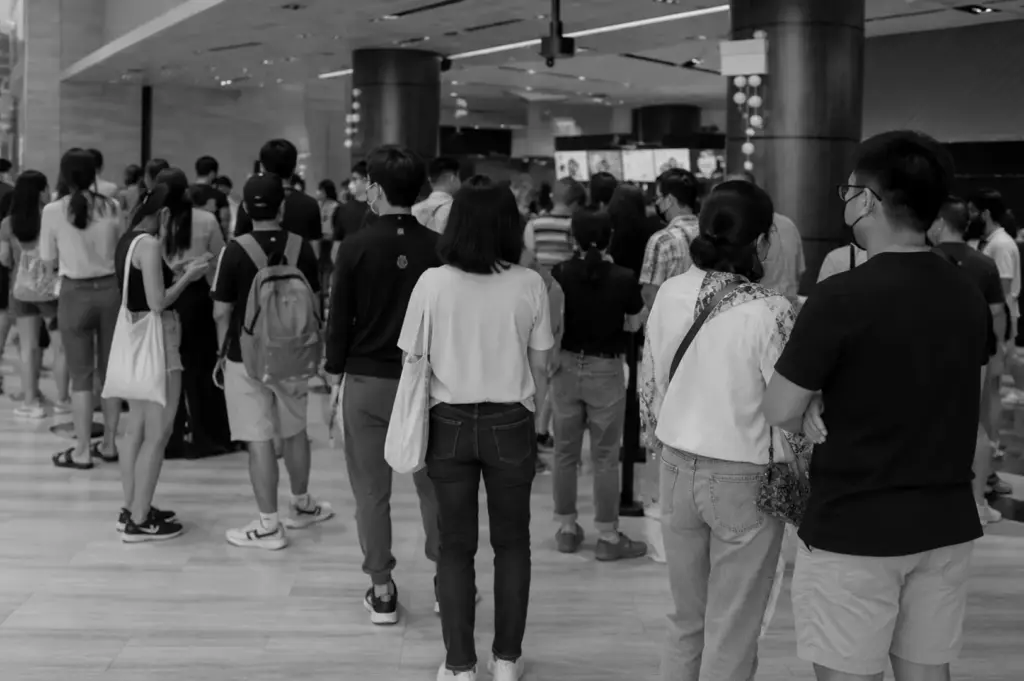
Singaporeans may queue for hype, but we do not forgive weak execution for long. If the food is average, the price too high, or the local outlet feels like a diluted version of the original, diners move on quickly. Global branding can bring attention, but consistency is what earns repeat customers. This is where Singapore becomes a tougher market than it first appears. We are open-minded, but we are also practical. We compare. We discuss. We decide fast.
There is also pressure on local businesses. When big international names enter the market, they often arrive with strong capital, polished branding, and marketing power. Independent cafes, hawker entrepreneurs, and homegrown restaurant groups have to work harder to stay visible. At the same time, global competition can raise standards. It forces everyone to think more clearly about product, service, identity, and value.
For us, the best outcome is not a Singapore food scene dominated by international brands. It is a dining landscape where global names add variety without weakening local character. Singapore’s strength has always been its ability to absorb outside influences while still protecting what feels distinctly ours.
Global food brands will keep choosing Singapore because the market is curious, connected, and commercially useful. The real test is whether they can become part of our dining habits after the opening queues disappear.
Visit Food Reporters SG for more stories on Singapore’s restaurant openings, food trends, and the dining brands shaping what we eat next.