

Some restaurants close quietly. The signboard comes down, the booking page disappears, and the space is eventually taken over by something new. But sometimes, a dish refuses to disappear with the restaurant. It returns through a pop-up, appears in a hotel collaboration, follows a chef to a new venue, or survives as a memory diners still talk about years later.
We have seen this happen often enough to know that restaurants and dishes do not always share the same lifespan. A restaurant is tied to rent, manpower, timing, location, business decisions, and market conditions. A dish, once it becomes loved, can live more freely. It can move. It can be remembered. It can be recreated. In some cases, it becomes more famous after the original place has closed because scarcity gives it new weight.
This is one of the strange realities of dining culture. A restaurant may be gone, but the emotional attachment to its food can remain very strong. Diners remember a specific pasta, roast chicken, cake, curry, burger, noodle dish, or dessert not only because it tasted good, but because of where they were in life when they ate it. A dish can become tied to birthdays, first dates, office lunches, family meals, or late dinners after work. When the restaurant closes, people are not only losing a place. They are losing access to a routine.
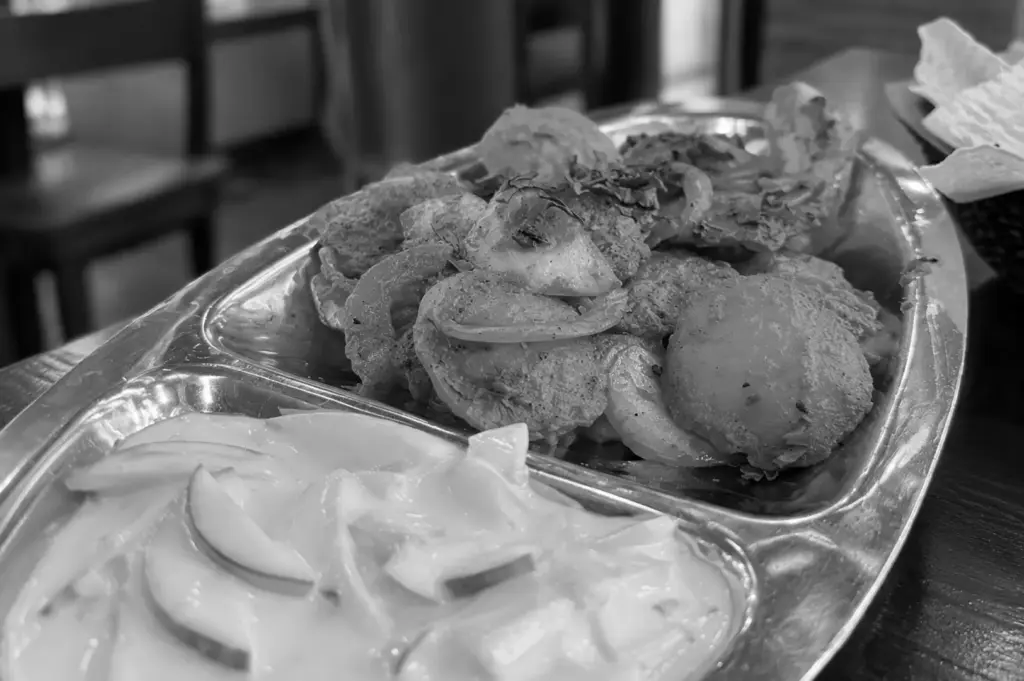
That is why pop-ups and collaborations can feel so powerful. When a closed restaurant’s signature dish returns for a limited time, diners respond quickly. They book because they know the chance may not last. Hotels and restaurants understand this too. A familiar dish from a respected chef or former dining institution brings instant recognition. It tells diners, “You remember this, and now you can taste it again.”
But there is also a question of authenticity. When a dish moves to a new venue, is it still the same? The kitchen may be different. The ingredients may have changed. The chef may no longer cook it personally. The room, service, and atmosphere may not match the original. For some diners, that matters. For others, the flavour is enough. An iconic dish does not need to remain frozen in time, but it must still carry the reason people cared in the first place.
This is especially relevant in Singapore, where restaurants open and close quickly. High rent, manpower challenges, changing tastes, and crowded competition mean even respected places may not last forever. Yet our food memory is long. Diners remember what moved them, even if the business behind it could not continue. In that sense, a dish can become a kind of portable heritage.
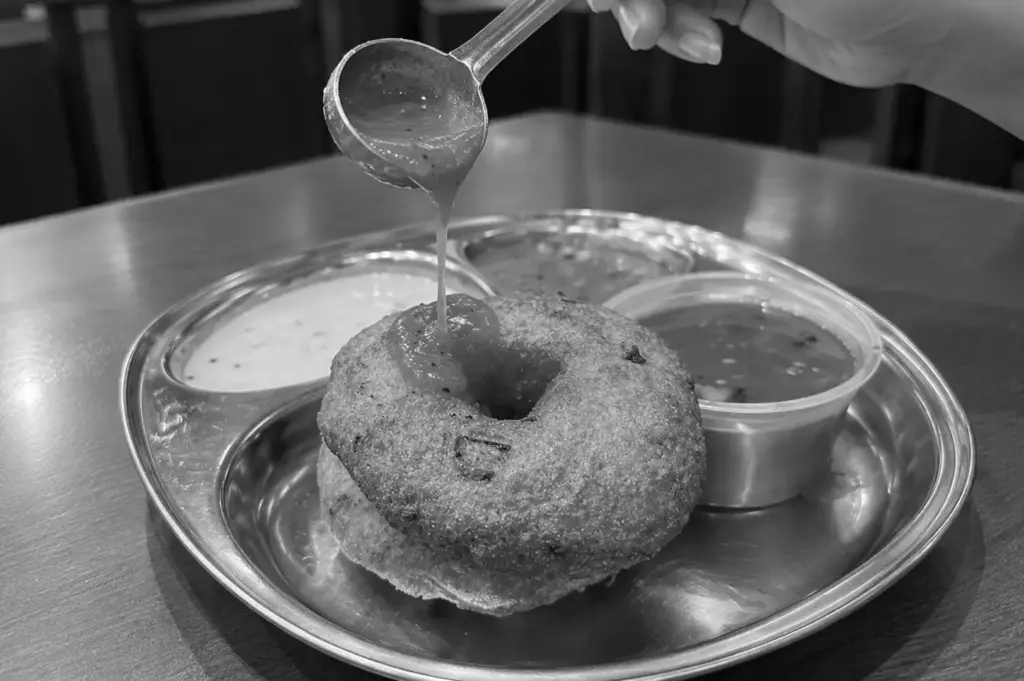
Chefs also benefit from this. A signature dish can follow them into the next chapter. It can help bridge old diners to a new concept. It can remind people of the chef’s identity without forcing the new restaurant to repeat the past completely. The best chefs know how to respect those dishes while still allowing themselves to grow.
For us, the survival of a dish after a restaurant closes says something important about food culture. It shows that dining is not only about venues, rankings, or openings. It is about memory, recognition, and the way certain flavours stay with people long after the bill is paid.
A closed restaurant may become part of the past, but a great dish can still find another table.
Click here: https://foodreportersg.com/ to visit Food Reporter SG for more stories on Singapore’s dining memories, restaurant culture, and the dishes that continue to shape how we eat.