
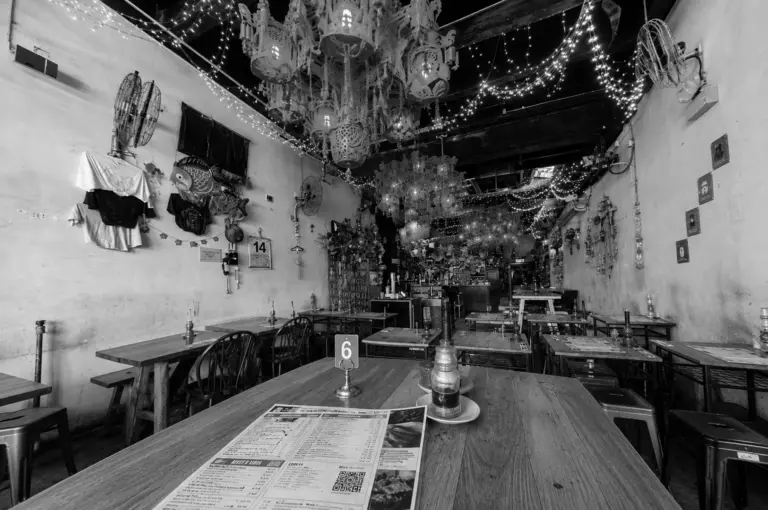
Singapore has no shortage of cafes.
From quiet neighbourhood coffee bars to design-led brunch spots in the city, there always seems to be a new place opening somewhere. Yet even with so many choices, the cafe scene continues to grow. We see it almost every month; another specialty coffee counter, another sourdough-focused brunch menu, another minimalist space built for slow mornings and phone cameras.
At first glance, it feels like the market should already be full. But the continued rise of cafes in Singapore says something about how dining habits have changed. Coffee is no longer just a quick drink before work. For many people, it has become part of a lifestyle; a reason to meet friends, work outside the office, explore a new neighbourhood, or spend a weekend cafe-hopping.
Specialty coffee is one of the biggest reasons behind this shift. More diners now care about where their beans come from, how the coffee is brewed, and whether the cafe offers more than the usual latte. Filter coffee, cold brews, single-origin beans, house blends, and rotating roasters have become part of everyday cafe language. Even casual coffee drinkers are becoming more curious, and cafes are responding with menus that feel more personal and detailed.
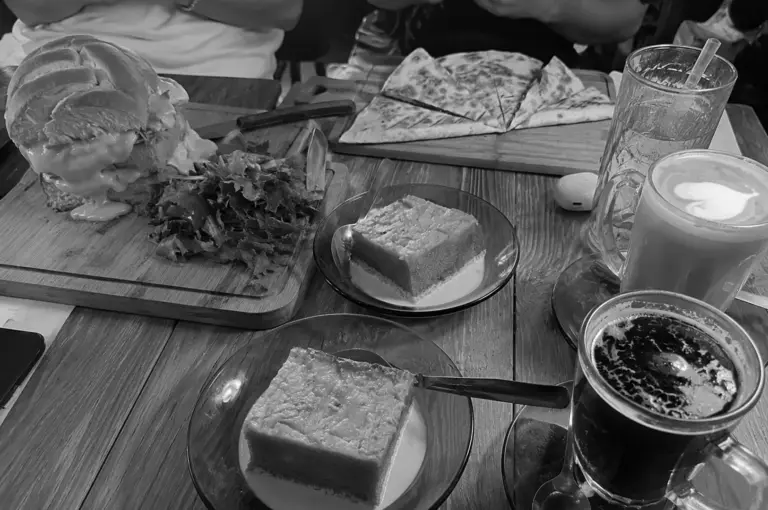
Then there is the brunch factor. Many new cafes are not relying on coffee alone. They are building full dining experiences around eggs, toast, pastas, pastries, rice bowls, and local-inspired plates. A cafe today has to work harder to stand out, so menus often mix familiar comfort food with something more modern. We have seen cafes turn kaya, chicken rice flavours, matcha, mochi, and even hawker-style ideas into brunch-friendly dishes. This is where the scene becomes interesting; cafes are no longer just borrowing from overseas trends, they are slowly making them fit Singapore’s own food culture.
Aesthetics also play a major role. In a city where diners often discover places through social media, the look of a cafe matters. Natural light, clean interiors, statement counters, curated tableware, and photogenic drinks all help create attention. Some may call it superficial, but for many cafe owners, design is part of the business model. A good-looking space can bring in first-time visitors; good food and coffee are what make them return.
The challenge, of course, is survival. Opening a cafe in Singapore is not easy. Rent, manpower, ingredients, equipment, and competition all create pressure. A crowded market also means customers are quick to move on when the next new place appears. To last, cafes need more than a viral drink or pretty corner. They need consistency, identity, and a reason for people to come back after the opening buzz fades.
Still, we understand why new cafes keep appearing. Singaporeans enjoy discovery. We like having options. We like finding a quiet spot for coffee, a good brunch plate, or a place that feels different from our usual routine. In that sense, the cafe boom is not just about caffeine. It is about how people want to spend their time.
The question now is not whether Singapore has too many cafes. It is whether the new ones can offer something meaningful enough to stay.
“A good cafe does not just serve coffee; it gives people a reason to pause.”
Click here to visit Food Reporters SG for more stories on Singapore’s evolving food, coffee, and dining scene.