
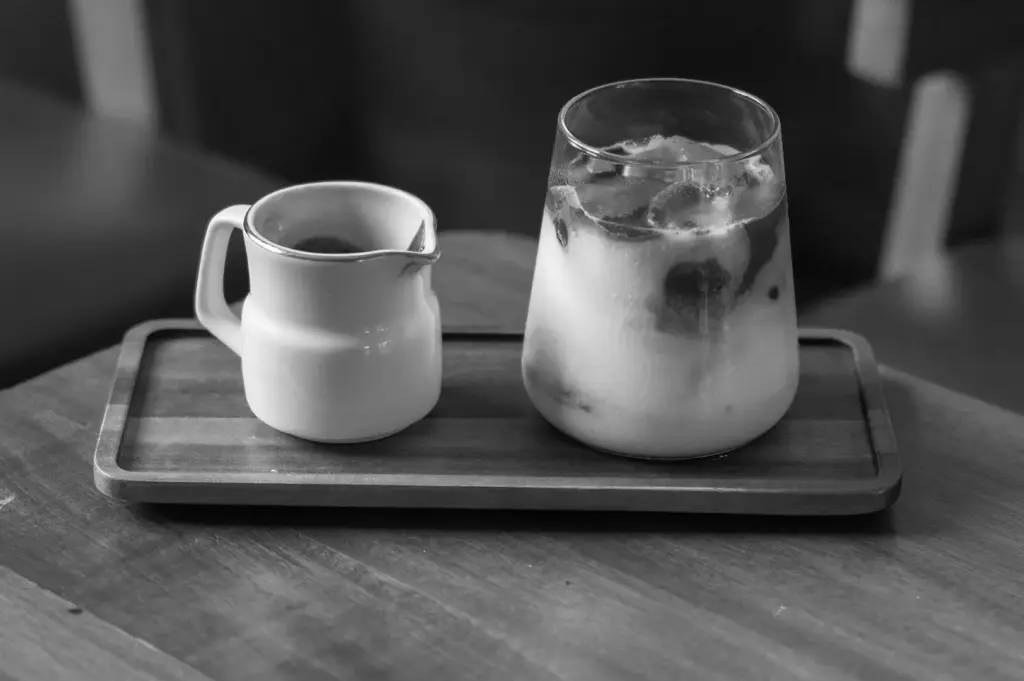
“Not every new thing needs to become the next big thing.”
In Singapore, food trends move quickly. One month, everyone is talking about a new drink. The next, it is an imported dessert, a limited-edition collaboration, a themed cafe, or a restaurant opening with a queue before the first weekend is over. We have become used to this pace. Our feeds are full of “must-try” lists, first-look videos, opening specials, and countdowns to the next brand arriving from overseas. It can be exciting, but it can also be tiring.
We understand the appeal of novelty. Singaporeans are curious diners. We like trying what is new, especially when the item carries a strong story. A dessert from Japan, a Korean bakery concept, a viral coffee order, a seasonal menu, or a pop-up collaboration can make dining feel fresh. It gives people something to talk about and a reason to visit a place they may not have considered before. For restaurants and brands, trends create urgency. For diners, they create discovery.
But the question now is whether the excitement still lasts as long as it used to.
There are only so many viral drinks, croissants, matcha desserts, fried chicken concepts, and limited-time menus diners can chase before everything starts to feel similar. When every opening is promoted as unmissable, the word begins to lose meaning. People may still click, save, or share, but that does not always translate into lasting interest. A trend can bring a crowd through the door once; it cannot guarantee loyalty.
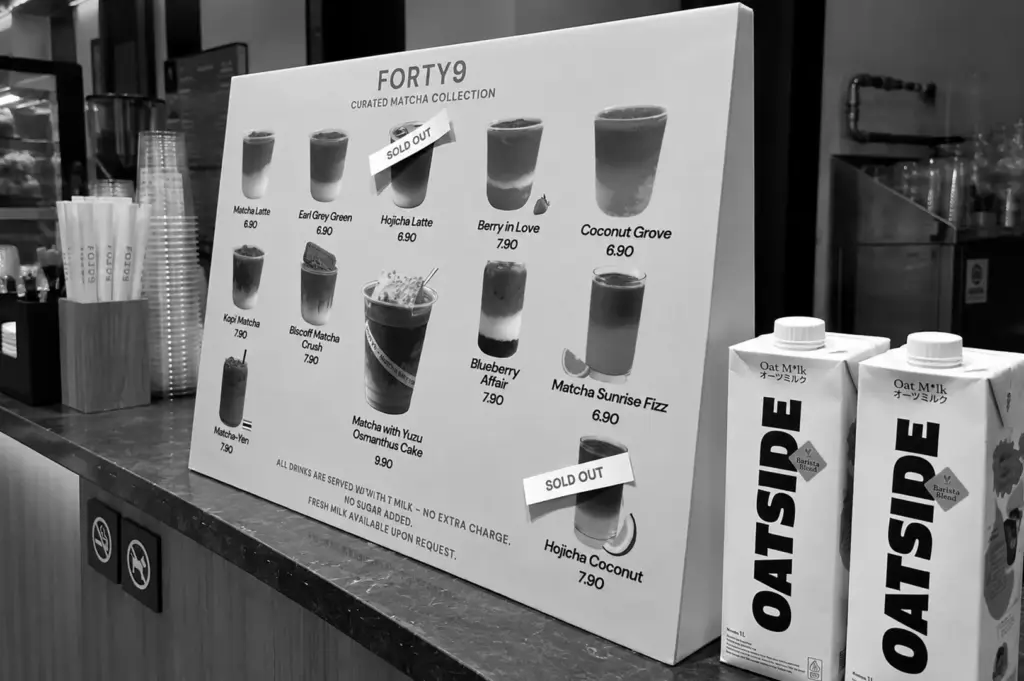
Cost is part of the fatigue too. Trying the latest food trend often means paying premium prices, queuing, travelling across the island, or booking ahead. When the experience delivers, the effort feels justified. When it does not, diners become more cautious. A viral item that looks good online but tastes ordinary in person can make people less willing to follow the next wave of hype. Over time, the question changes from “Should we try this?” to “Is this really worth it?”
This may be why dependable neighbourhood favourites are becoming more attractive again. A good zi char stall, old-school bakery, reliable ramen shop, familiar hawker centre, family-run restaurant, or regular cafe does not need to announce itself as a trend. It survives through habit, consistency, and trust. In a noisy dining landscape, reliability has become its own form of value. Diners may still enjoy novelty, but many are also returning to places where they know what they are getting.
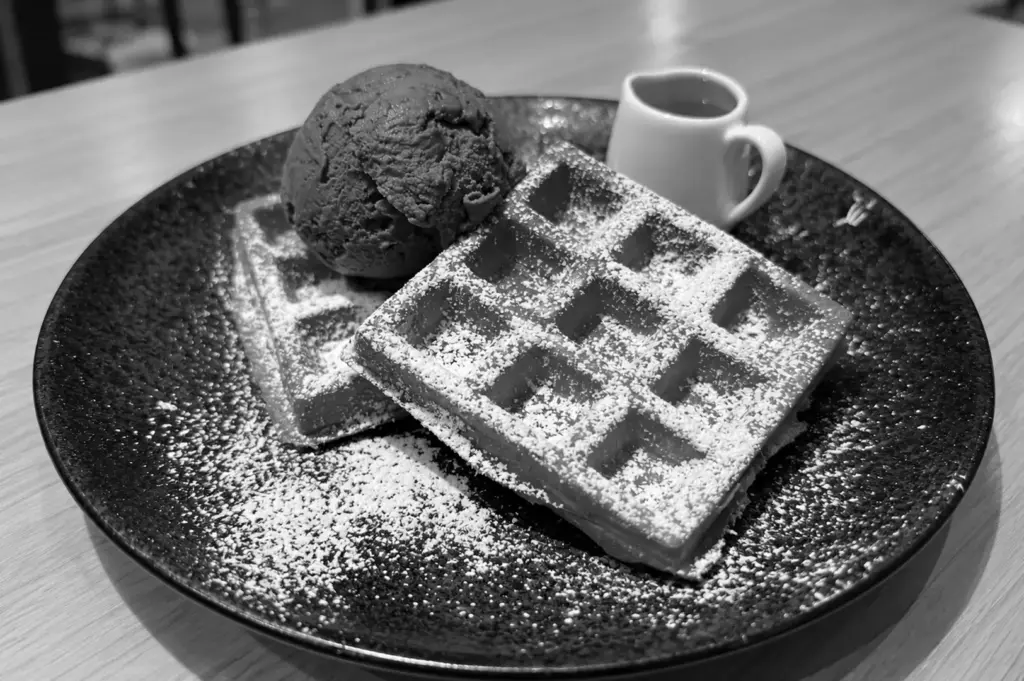
That does not mean food trends are bad. They keep the dining scene moving. They introduce new flavours, encourage creativity, and give smaller brands a chance to gain attention quickly. Some trends also mature into lasting habits. Specialty coffee, Korean dining, Japanese bakeries, and plant-based options all started as stronger waves before becoming more normal parts of the local food scene. The issue is not novelty itself; it is the pressure to treat every novelty as essential.
For us, food trend fatigue is really a sign that diners are becoming more selective. Singaporeans are still adventurous, but we are also more experienced. We know the difference between genuine quality and good marketing. We can enjoy a viral launch without pretending it has changed the food scene overnight. We can also admit that sometimes, the best meal of the week is not the newest one, but the one that has always been there.
The future of food trends in Singapore will depend on substance. If a new concept brings flavour, consistency, and a reason to return, diners will support it. If it relies only on novelty, the attention will fade as quickly as it arrived.
Visit Food Reporters SG for more stories on Singapore’s dining trends, food culture, and the places worth returning to beyond the hype.