
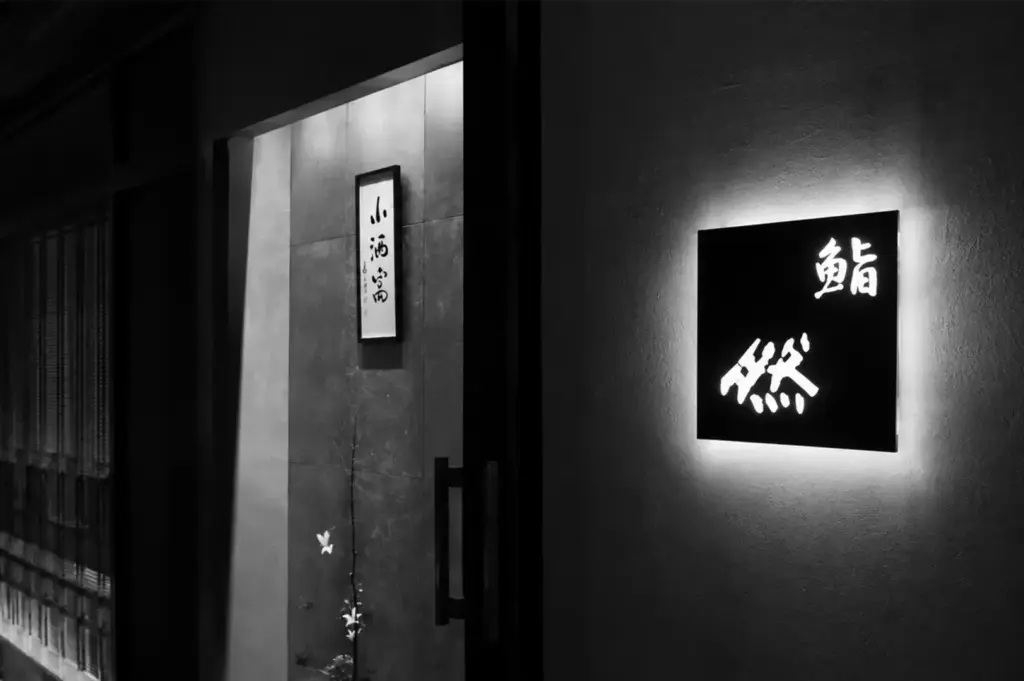
There is a certain anticipation that comes before an omakase meal. It is not just hunger. It is curiosity.
You arrive knowing that the evening will unfold differently from a typical dinner. The chef decides the rhythm. The ingredients decide the direction. Each course arrives when it is ready, shaped by seasonality, technique, and years of practice.
That was the feeling I had when visiting Sushi Zen Singapore along Keong Saik Road. Tucked within one of Singapore’s most vibrant dining neighbourhoods, Sushi Zen 鮨 然 feels removed from the surrounding energy once you step inside. The streets outside are lively, but the restaurant itself moves at a calmer pace.
Behind the counter, every movement feels deliberate. The preparation of the fish, the shaping of the rice, and the quiet exchanges between chef and diner create a dining experience built around attention.
Sushi Zen Singapore: A Quiet Destination Along Keong Saik Road
Located along Keong Saik Road, Sushi Zen Singapore sits within an area known for its evolving food culture. The neighbourhood has transformed over the years, with heritage shophouses now housing restaurants, bars, and modern dining concepts.
Yet Sushi Zen takes a quieter approach.
The restaurant’s intimate space places focus on the counter experience. Instead of being surrounded by distractions, diners are encouraged to observe. The preparation becomes part of the meal itself.
There is something comforting about watching a chef work through a service. The slicing of fish. The careful placement of toppings. The gentle pressure used when forming sushi.
These small actions reveal the philosophy behind Japanese dining. Great sushi is not only about premium ingredients. It is about timing, balance, and respect for each component.
Sushi Zen 鮨 然 and Chef Owner E Ran’s Japanese Omakase Vision
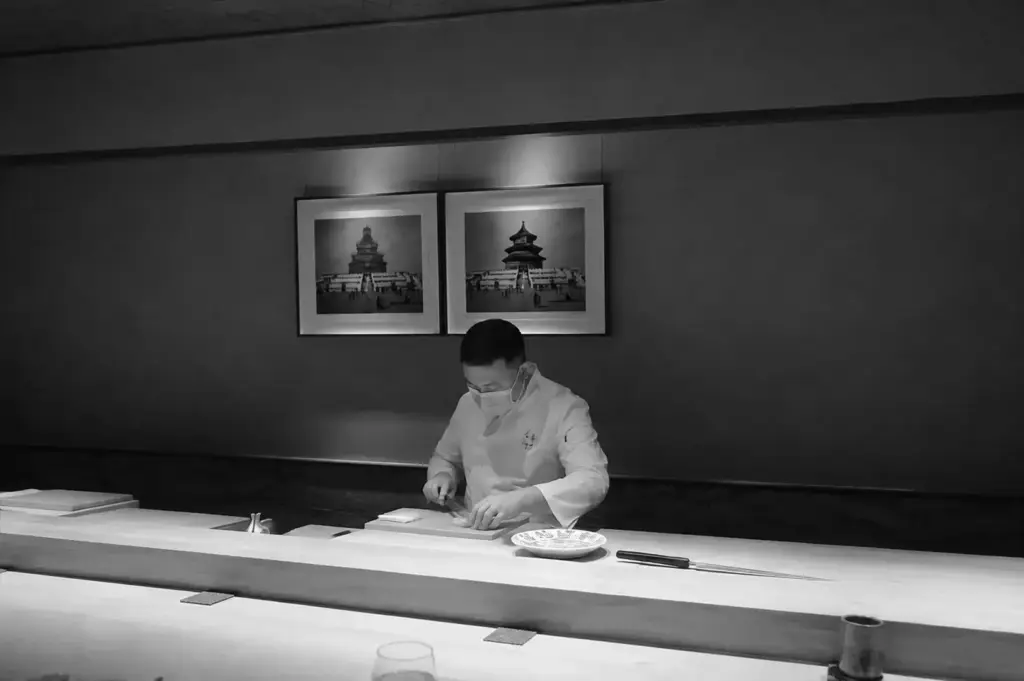
At the centre of Sushi Zen 鮨 然 is chef owner E Ran, whose approach reflects a deep appreciation for Japanese techniques while allowing room for personal expression.
The restaurant’s Japanese omakase experience is built around the relationship between chef and diner. Rather than presenting a fixed performance, each course feels like part of a conversation, shaped by seasonality, ingredient quality, and the chef’s interpretation of the moment.
Chef E Ran’s background and training are evident in the details. From the way ingredients are handled to the careful balance of flavours, each dish reflects an understanding that sushi is not only about premium seafood. It is also about timing, temperature, rice, and restraint.
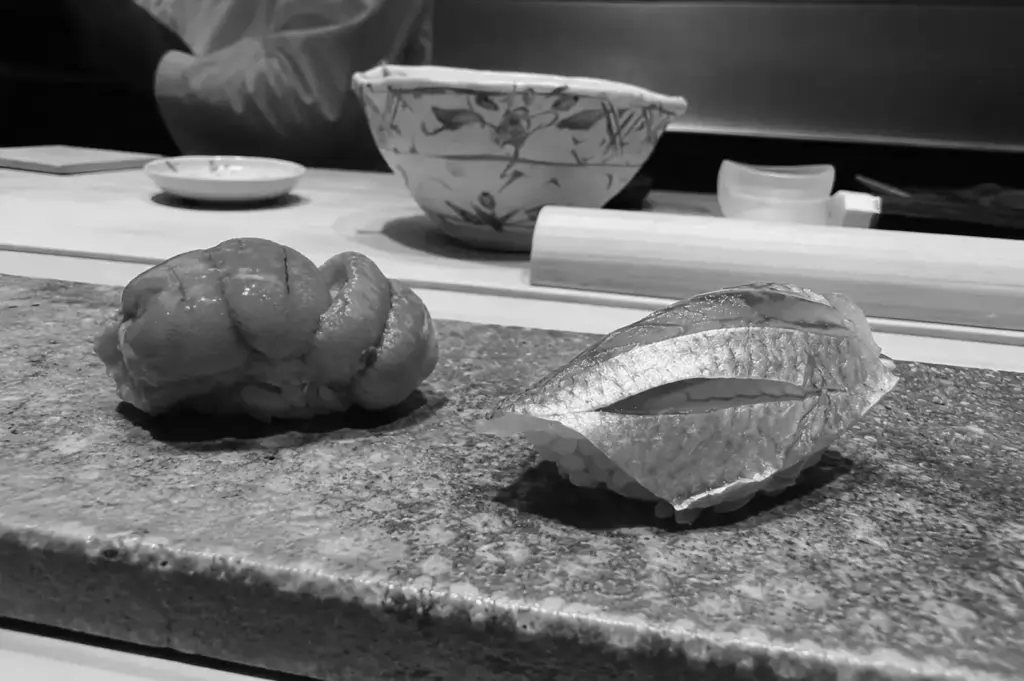
The use of quality ingredients is especially noticeable. Seafood selections such as fatty tuna, uni, and scallop are presented with care, allowing the natural characteristics of each ingredient to remain clear.
Sushi Zen sits within a larger shift in Singapore’s dining scene, where more diners are becoming curious about the craft behind Japanese omakase. Beyond individual restaurants, the appeal lies in understanding how chefs interpret seasonality, sourcing, and technique. The variety of omakase experiences in Singapore reflects this growing curiosity, with each restaurant offering its own perspective on what a chef-led meal can become.
Lunch Omakase at Sushi Zen: A More Accessible Introduction
While omakase is often associated with dinner, lunch omakase has become increasingly popular in Singapore.
At Sushi Zen, the daytime experience offers a different atmosphere. The pace feels slightly lighter, making it suitable for diners who want to explore Japanese omakase without committing to a longer evening session.
The lunch omakase starts as a carefully arranged progression of dishes, allowing guests to experience the restaurant’s philosophy in a more approachable format.
For first-time diners, this can be a good introduction to the world of omakase. You still experience the chef’s curation, seasonal ingredients, and attention to detail, but within a setting that feels easier to fit into a busy schedule.
The contrast between lunch and dinner is interesting. Lunch feels like an introduction. Dinner feels like a deeper conversation.
Exploring the Sushi Zen Singapore Menu: From Nanatsuboshi Rice to Fatty Tuna
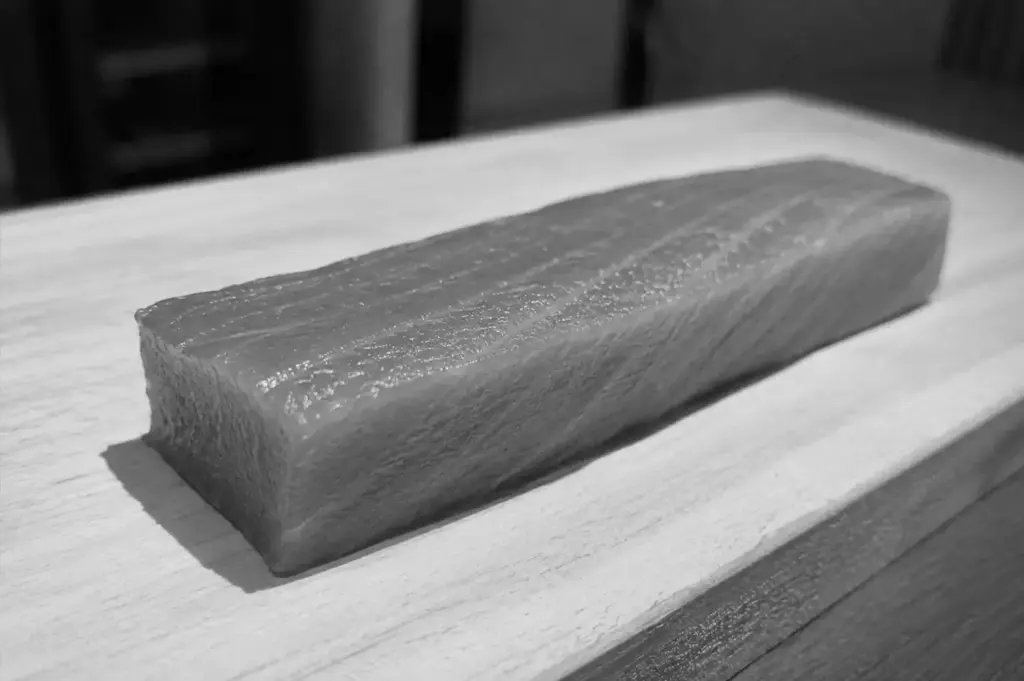
The Sushi Zen Singapore menu focuses on balance. Each course highlights the relationship between seafood, rice, and seasoning.
One detail that stood out was the use of Nanatsuboshi rice. Sushi rice, or shari, plays a quiet but important role in Japanese cuisine. It should support the fish rather than compete with it.
The rice texture, seasoning, and temperature all influence how the sushi is experienced.
The sushi courses showcased ingredients such as fatty tuna, uni, and scallop, each bringing a different texture and flavour profile. The richness of fatty tuna contrasted with the cleaner notes of lighter seafood, creating a natural progression throughout the meal.
Other elements, such as appetisers featuring seasonal ingredients, added variety. The use of ingredients sourced from places like Toyosu Market reflects the importance of freshness and seasonality in Japanese cuisine.
The restaurant also pays attention to smaller details. A touch of salt. A carefully prepared garnish. The balance between sweetness and acidity.
These details may seem subtle, but they are often what separates a memorable sushi experience from an ordinary one.
The Dining Experience at Teck Lim Road: An Intimate Counter Setting
Beyond the food, the setting contributes greatly to the experience.
Located near Teck Lim Road, Sushi Zen offers a counter-focused environment where diners can watch the chef’s movements closely. The seating arrangement creates a sense of connection that is difficult to replicate in larger restaurants.
The counter is where the story happens.
You notice the rhythm of service. The quiet conversations. The moments when the chef pauses before presenting a dish.
For diners who appreciate the process behind Japanese cuisine, this creates a more meaningful connection with the meal.
The restaurant’s approach is not about overwhelming guests with spectacle. Instead, it focuses on precision and consistency.
Why Sushi Zen Stands Out Among Japanese Omakase Restaurants
Singapore has no shortage of Japanese restaurants, but Sushi Zen occupies a more focused space.
It does not try to compete through excess. Instead, it builds its identity around craftsmanship, seasonal ingredients, and the relationship between chef and diner.
The experience works because the restaurant understands the heart of omakase. Trust.
You allow the chef to guide the meal. The chef responds through ingredients, technique, and timing.
For those searching for a thoughtful Sushi Zen review, the appeal lies in these quieter moments. The texture of perfectly prepared rice. The freshness of seafood. The interaction across the counter.
These are the details that remain after the final course has been served.
For those interested in exploring more Japanese dining options, check out this guide to the best chirashi don in Singapore.