
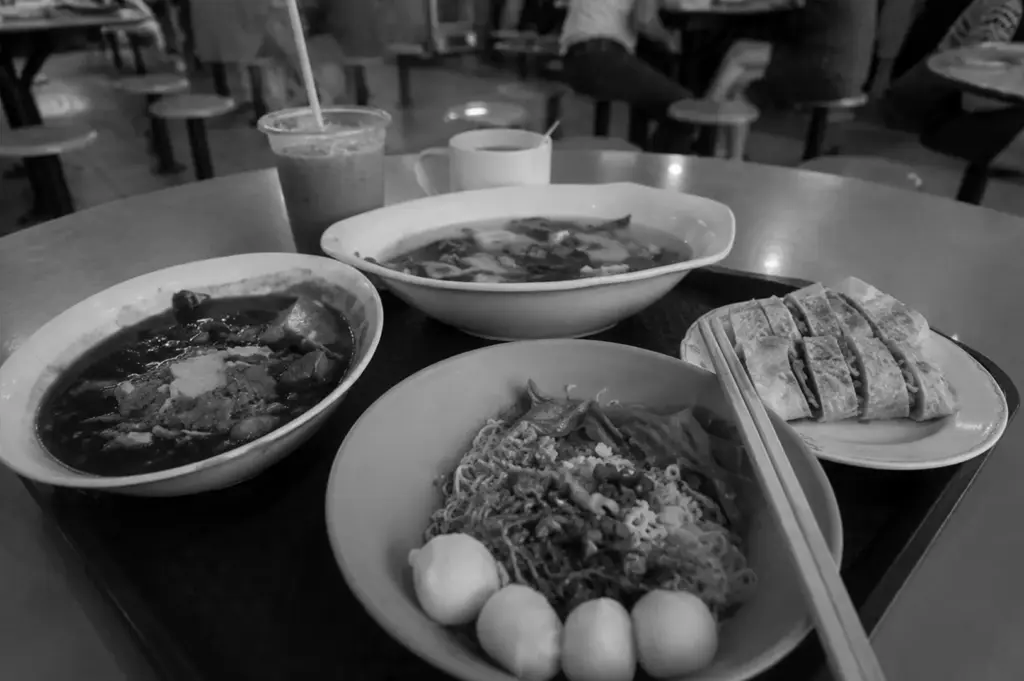
“Sometimes, the food we miss most is not fancy; it is simply familiar.”
In Singapore, food trends often move quickly. One month, everyone is talking about a new cafe opening. The next, it is a viral pastry, a Korean dessert, a specialty coffee bar, or a regional cuisine that suddenly fills our feeds. But beneath all this movement, we have noticed something quieter and more lasting. Nostalgia has become one of the strongest forces in our dining scene.
Old-school bakeries, traditional desserts, retro cafes, and heritage food brands are finding new attention from both older diners and younger customers. This is not surprising. In a city that changes quickly, familiar food becomes a kind of anchor. A buttercream cake, kaya bun, egg tart, tau sar piah, ang ku kueh, putu piring, chendol, or bowl of tang yuan can carry more meaning than its price suggests. It reminds people of childhood, family routines, neighbourhood shops, and a version of Singapore that felt more personal.
We see this most clearly in the renewed interest around traditional bakeries. Many of these shops are not flashy. Their displays are practical, their packaging is simple, and their recipes have often changed very little over the years. Yet that is exactly their strength. In a market full of polished concepts, old-school bakeries offer something harder to manufacture; trust built over time. When customers return for banana pie, cream horns, pandan chiffon cake, old-school waffles, or soft white bread, they are not only buying food. They are buying continuity.
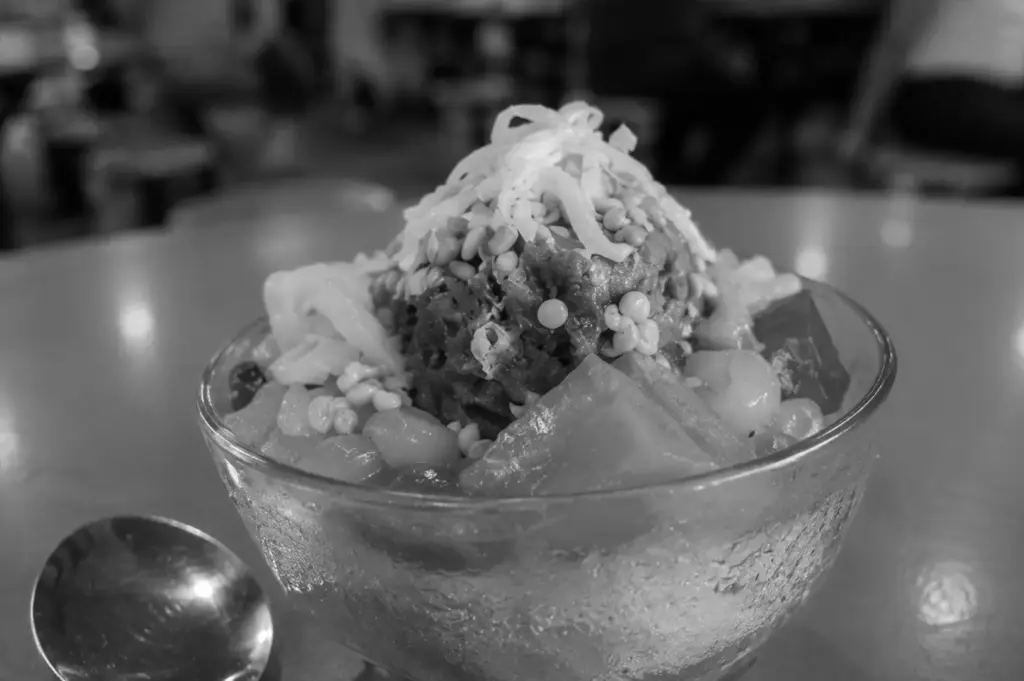
Traditional desserts carry the same emotional pull. Desserts like ice kachang, pulut hitam, tau suan, cheng tng, or orh nee may not always look modern, but they remain deeply comforting. They belong to family meals, hawker centres, wet market mornings, and after-dinner cravings. In recent years, even newer cafes and dessert shops have borrowed from these flavours, using gula melaka, pandan, red bean, yam, black sesame, and coconut in more contemporary formats. The result is familiar but updated.
Retro cafes have also found their place in this trend. Some recreate the look of old kopitiams with tiled floors, vintage posters, enamel cups, and kaya toast sets. Others build menus around local breakfast, traditional drinks, or nostalgic snacks. The best ones do not simply use nostalgia as decoration. They understand that the appeal lies in memory, not props. A retro interior may bring people in, but the food must still taste like it respects what came before.
There is also a practical reason nostalgia works. Singaporeans are surrounded by choice, but too much choice can be tiring. Familiar food cuts through the noise. It does not need a long explanation or a complicated menu. We know what it is supposed to feel like. That makes it comforting in a time when dining can sometimes feel overly curated.
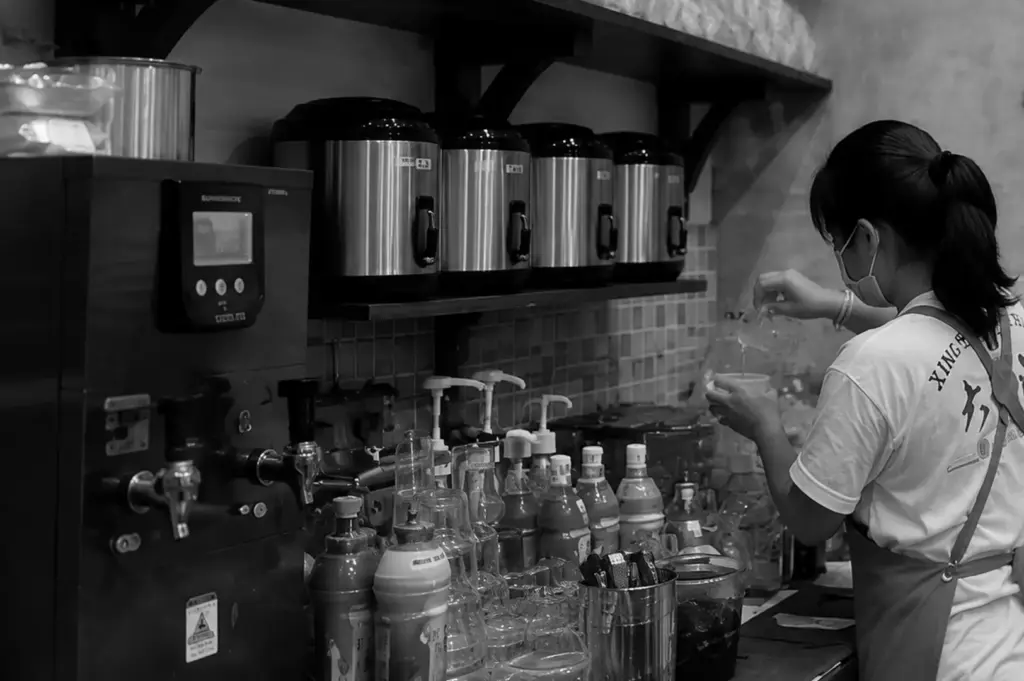
Still, nostalgia should not become an excuse to freeze food in the past. Heritage brands and old-school shops also need to survive rising costs, succession issues, changing customer habits, and digital competition. Some will modernise their packaging, take online orders, or introduce new flavours. That does not automatically make them less authentic. If done with care, adaptation can help tradition last.
For us, nostalgia is powerful because it speaks to both memory and identity. It reminds us that Singapore’s food culture is not only built by what is new, but also by what has stayed. In the end, the strongest food trends are not always the loudest ones. Sometimes, they are the ones that bring people back to a taste they thought they had forgotten.
Click here to visit Food Reporters SG for more stories on Singapore’s heritage food, dining trends, and the flavours that continue to shape how we eat.