
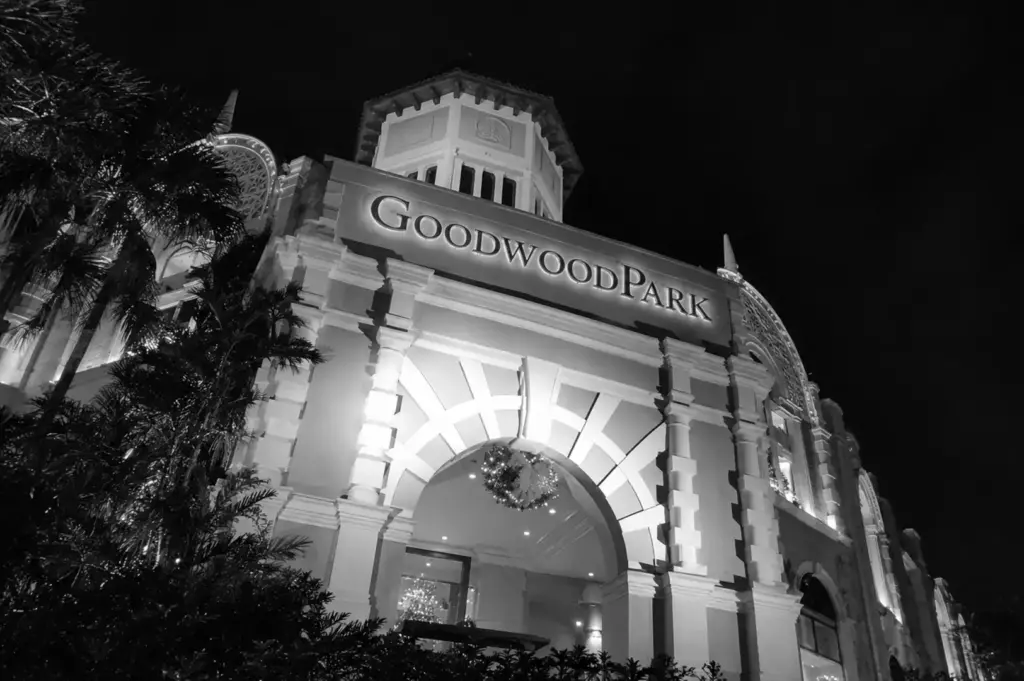
It had been raining on Scotts Road most of the afternoon. By the time I walked up the driveway of Goodwood Park Hotel, the air had cooled and the old white facade looked softer, the way it does after a shower. The traffic noise faded a few steps in.
I’d come for one thing: fish. Not the theatre of a new omakase counter, and not the novelty of whatever had gone viral that month. I wanted to know whether Tatsuya Singapore, open since 1998, still does what its regulars have quietly returned for all these years. That means serving fresh, seasonal fish with care, in a room that feels more like someone’s home than a stage.
That idea is built into the name. Chef-owner Chia Pee Tat (Ronnie Chia to many) trained in Japan, then combined “Tat” with “Ya,” meaning home. It’s a small detail, but it stayed with me through the meal.
First Impressions at Tatsuya Japanese Restaurant in Goodwood Park Hotel
Tatsuya sits within Goodwood Park Hotel rather than in a shopping mall, and that alone changes the mood. There’s no food court clatter next door and no escalator hum. You step off the hotel’s quiet corridors into a room of pale pinewood, warm and a little old-fashioned in the best sense.
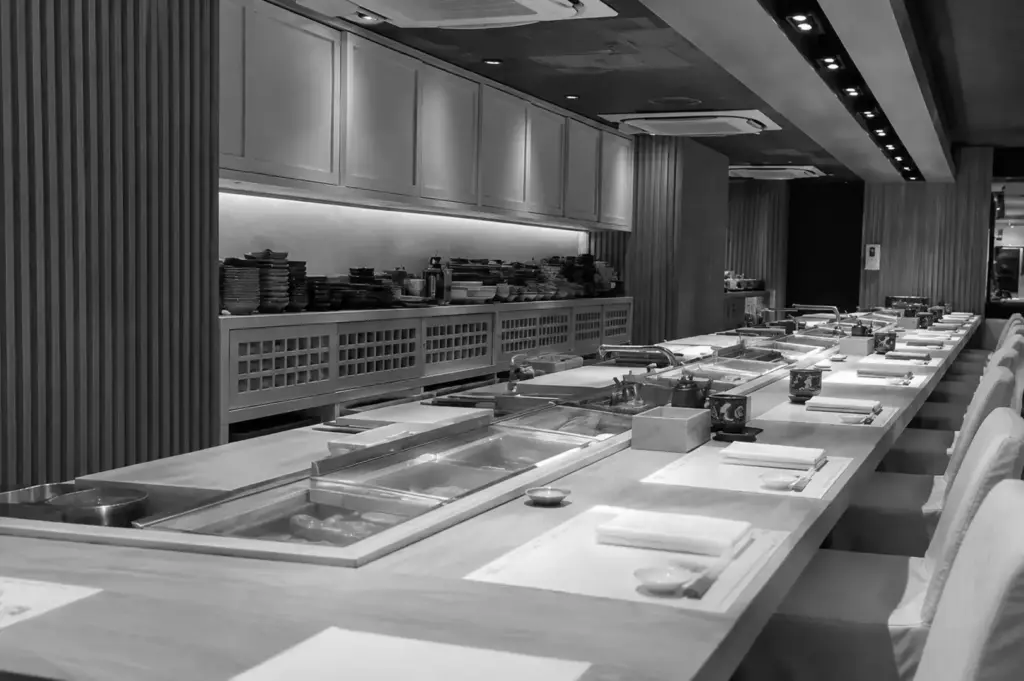
The space offers more choices than I expected. There’s a 24-seat sushi counter, a main dining room with tables, alfresco seating, and a private tatami room. I glanced into the tatami room on my way in. It looked cosy, the kind of space where a small family or a table of old friends could settle in for a long dinner.
I took a seat at the counter, and I’d suggest you do the same if you’re dining solo or as a pair. From there, you watch the chefs work: the slow draw of the knife, the brief pause before each piece is placed on the plate. It’s calm and focused, and nobody seems to be performing for the room.
The atmosphere feels established rather than trendy. It’s premium without being flashy. When I arrived early in the dinner service, the room was hushed and intimate. By the time dessert plates were going out elsewhere, it had filled up and grown noticeably louder. It never felt chaotic, but it was far from the library-quiet omakase some diners might picture. If calm matters to you, come early.
What I Ordered at Tatsuya Japanese Restaurant: A Taste of Authentic Japanese Cuisine
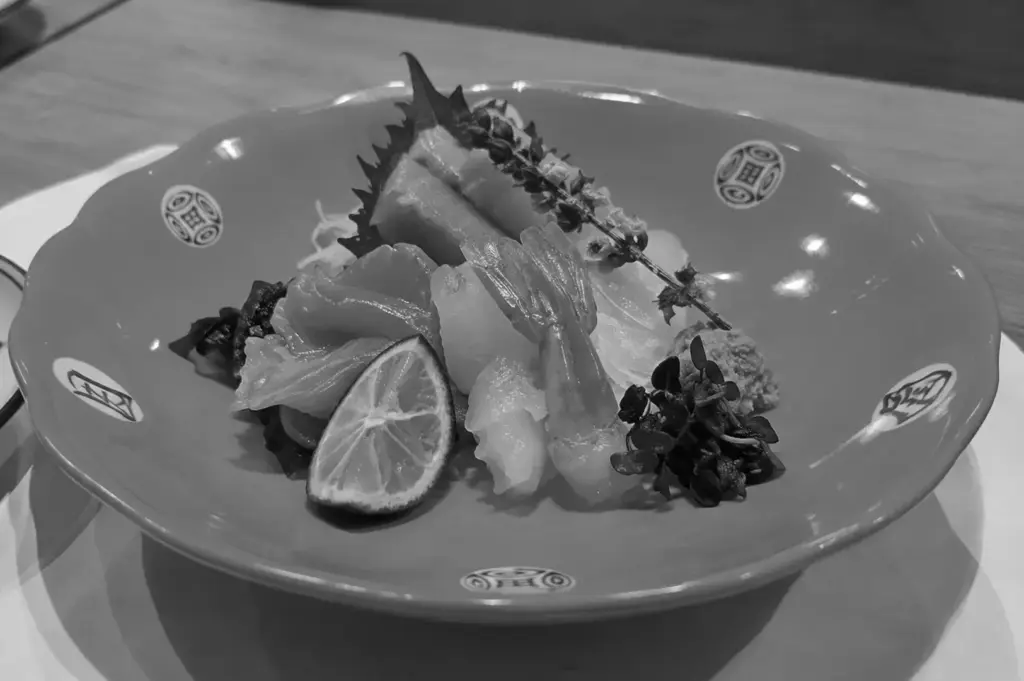
Assorted Seasonal Sashimi: Freshness and Care in Every Piece
This is the heart of Tatsuya, and the dish I’d send anyone here for. My sashimi selection arrived on a cold plate, each cut laid out with a little space around it, garnished simply and carefully.
The tuna came first. It was deep red and cool to the touch, with a clean, almost mineral taste and a firm, yielding bite. The amberjack was paler and richer, with a gentle oiliness that coated the palate without weighing it down. The scallop was the quiet surprise. It was soft and sweet, with a faint brininess, and so fresh it barely needed soy. The Hokkaido rose prawn had that same sweetness, but with a springier, more delicate texture.
What struck me most was the consistency. No piece tasted tired, and no cut felt careless. The freshness that so many Tatsuya Singapore reviews mention wasn’t an exaggeration. The portion was measured rather than generous (more on that later), but every mouthful felt deliberate.
Would I order it again? Without hesitation. It’s the reason to come.
A Note on Chirashi and Omakase Experience
Tatsuya has long been associated with aburi, fish lightly torched until the oils loosen and the surface catches a touch of char. Older diners still speak fondly of its chirashi, particularly an aburi version built from the day’s fish.
Omakase dining means “I leave it up to you” in Japanese, where the chef curates a multi-course meal highlighting seasonal ingredients. At Tatsuya, the omakase experience features both raw and cooked dishes, emphasizing the chef’s craftsmanship and presentation.
I didn’t see a chirashi listed during my visit, and I can’t confirm whether it’s currently available. If it’s the reason you’re coming, ask when making reservations. What I did notice is that searing and saucing play a real part in the kitchen’s style here. For some, that’s the appeal. For others, as I’ll explain, it can get in the way of the fish.
Where Tatsuya Singapore Fell Short: A Person's Honest Review
I left satisfied, but not without reservations of my own.
The first is portion size. Each plate was beautiful and precise, but restrained. At this price point, I found myself wishing for one more slice of tuna and one more piece of scallop. This isn’t a place for volume. If you judge value by how full you feel, you may walk out a little disappointed.
The second is seasoning. On one plate, a topping sat more assertively on the fish than I’d have liked. The dish wasn’t bad, but it pulled my attention away from the fish itself. I noticed other diners have raised the same point, especially around bonito flakes and heavier garnishes on sashimi. Raw fish of this quality speaks well on its own. When the kitchen steps in too firmly, something quiet gets lost.
If you’re a sashimi purist, my advice is simple: ask the chef to keep things minimal. I suspect they’ll respect the request.
Service and the Dining Experience at Tatsuya Japanese Restaurant
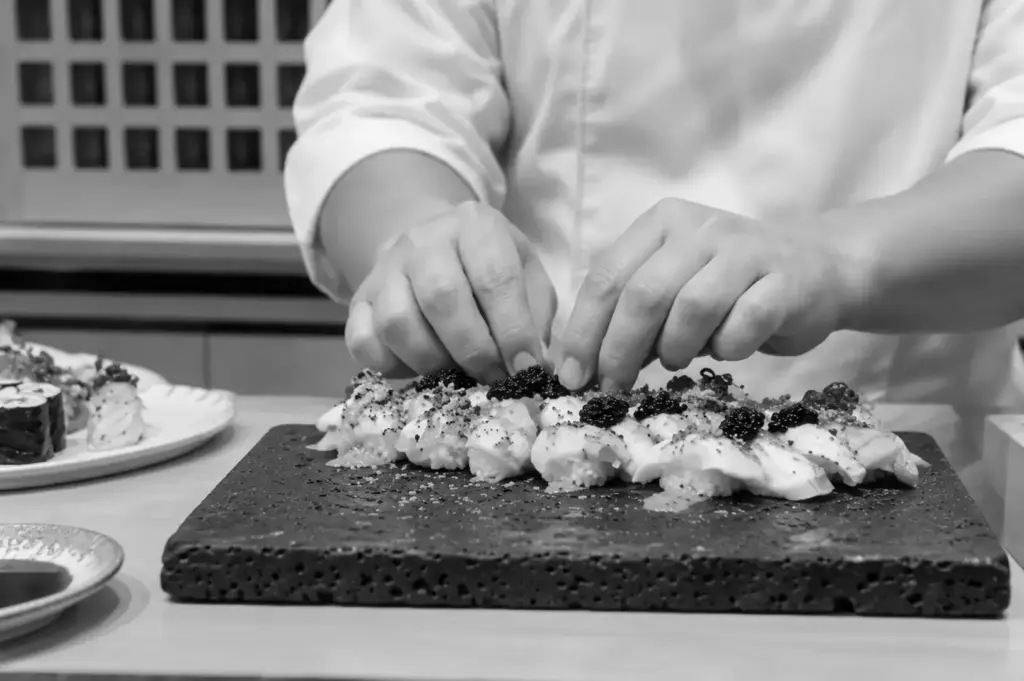
I arrived on a weeknight at the start of dinner service, just after 6.30pm. The room was only partly filled, and the service in that first hour was lovely: attentive, unhurried and knowledgeable.
The chef at my section of the counter (I later learned it was Chef Sasaki, whom other diners have singled out) walked me through the day’s fish without being asked. He explained what had come in and what he’d pair it with, and he seemed to care about the order in which I ate things. That kind of interaction is what makes counter dining worth it.
Plates arrived at a steady rhythm, never rushed and never stalled.
As the room filled, though, the pace shifted. Catching a server’s eye took longer, and the bill took a while to arrive. It wasn’t poor service, just stretched. I’ve seen similar notes from others: on busy nights, attention can thin, and some feel regulars get a little more warmth. I didn’t feel neglected, but I understood the point.
Regulars do return here, some for many years, often because of a relationship with a particular chef. That kind of loyalty doesn’t happen by accident.
Pricing, Minimum Spend, and Practical Tips for Visiting Tatsuya Singapore at Goodwood Park Hotel
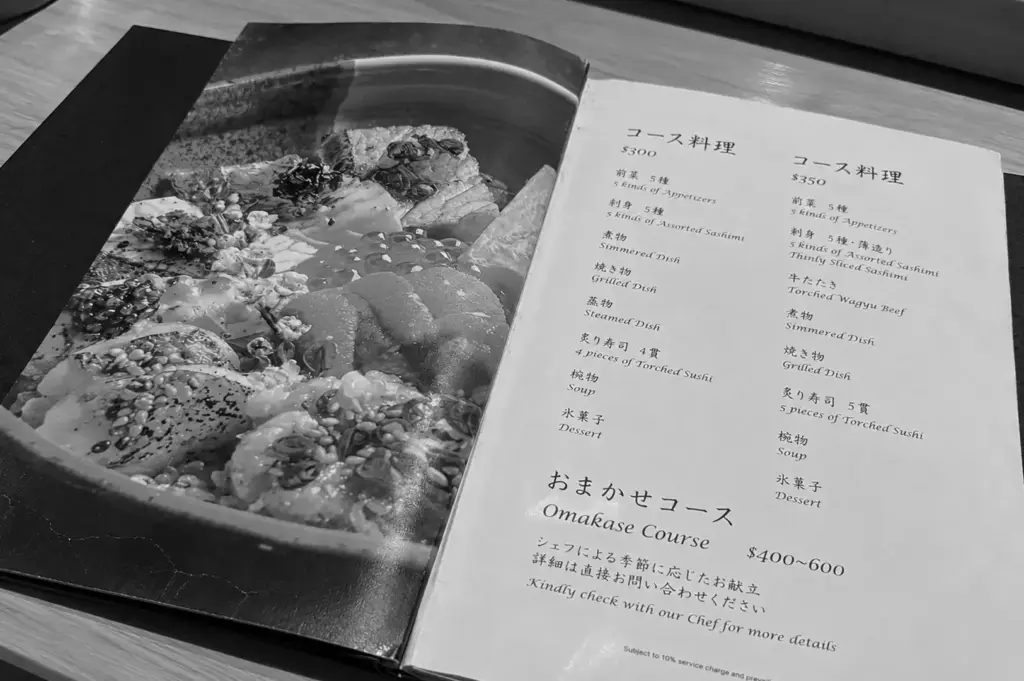
Let’s be honest: Tatsuya is expensive. It sits firmly at the premium end of authentic Japanese cuisine in Singapore. The menu doesn’t publish reliable dine-in prices, and premium fish changes with the market, so I’d rather not quote numbers that might mislead you. Ask about pricing when you order, especially for tuna belly or seasonal specials.
Omakase sets cost varies. The menu does not publish reliable dine-in prices, and premium fish changes with the market, so ask about pricing when ordering, especially for premium tuna and seasonal specials.
Good to know before visiting:
Average spend: Premium. Budget as you would for a special-occasion Japanese meal, and ask for prices on the day. If you are looking for more options that may suit your budget or occassion, you can click here for more Sashimi restaurant suggestions.
Reservations: Recommended, especially for counter seats, the tatami room, weekend dinner and omakase. The restaurant takes bookings by phone (+65 6887 4598) and through its online form. Book well in advance for prime slots.
Minimum spend and cancellations: I found no published minimum spend, and no stated policy on whether cancellations incur a fee. If you’re booking the tatami room or a larger table, confirm both directly.
Hours: Lunch runs 12pm to 3pm, and dinner runs 6.30pm to 11pm.
Getting there: Orchard MRT (NS22) is about a six-minute walk from Goodwood Park Hotel, and several bus stops are nearby.
Parking: Available at the hotel, which is a real convenience in this part of town.
Best time to visit: Weekday lunch or the start of dinner service for a calmer room and more attentive service.
Best for: Sashimi lovers, business meals, quiet dates at the counter, and small groups who want the tatami room.
Seating tip: Choose the counter if you want to talk to the chef and watch the work. Choose the tatami room if you want privacy.
Final Verdict: Is Tatsuya Singapore Worth the Visit at Goodwood Park Hotel?
Food: 4.5/5
Service: 4/5
Atmosphere: 4/5
Would I return? Yes. Not every week, but I’d go back when I want sashimi treated seriously, in a room that feels settled and lived-in rather than designed for photographs.
What would I order again? The assorted seasonal sashimi, led by whatever the chef recommends that day, with tuna, scallop and amberjack if they’re available. I’d also try whichever seasonal dish is running, as I did with the skipjack.
Tatsuya suits diners who already love authentic Japanese cuisine and want to explore seasonal fish. It works for business lunches, quiet anniversaries, and pairs who enjoy sitting at a counter and asking questions. It suits people who value freshness over fanfare.
It’s less suited to anyone on a budget, anyone who measures a meal by how full they leave, or purists who’d rather their fish arrive with nothing on it at all. If you’re expecting a silent omakase room, a busy Friday may catch you off guard.
Is it worth the price? For the fish, mostly yes. For the portions, it depends on how you count. I paid more than I would elsewhere, but I left with a memory of that scallop, sweet and cold, which I’m still thinking about days later. Some meals are like that. You don’t remember the bill for long. You remember the piece that made you pause.