
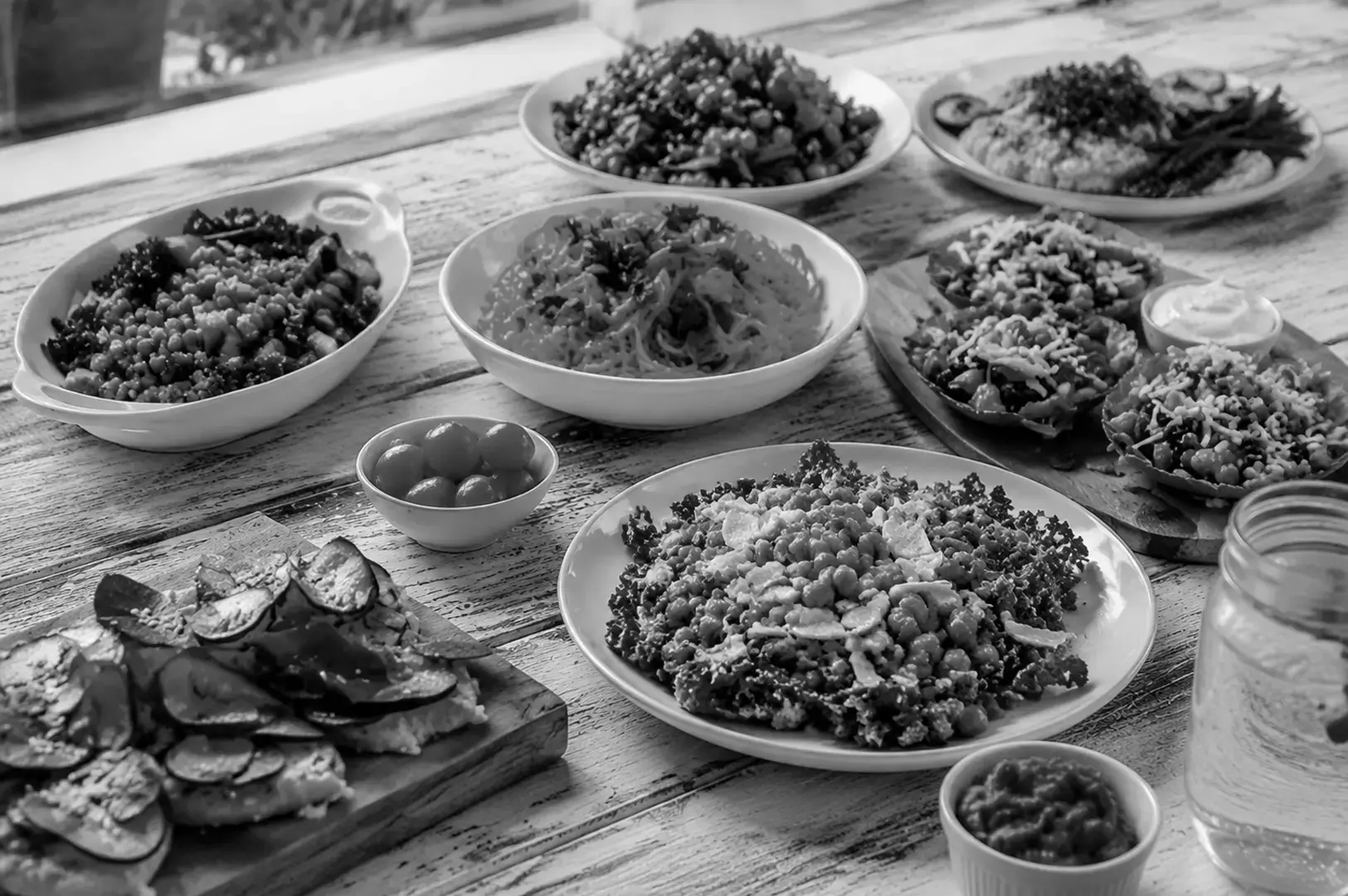
This guide is for anyone who has ever felt confused at a meatless menu — whether you are the person ordering, or the person trying to cook for or take out a friend. I will walk you through each type of vegetarian diet, what it actually means in practice, the nutritional considerations you should keep in mind, and where to eat well in Singapore depending on which category applies to you.
Let me start with the single most important point in this entire article.
Vegetarian and Vegan Are Not the Same Thing
I cannot say this clearly enough. A vegetarian diet excludes meat and, depending on the specific type, may or may not include animal-derived products like eggs and dairy. A vegan diet goes further — it excludes all animal products entirely: no meat, no eggs, no dairy products, no honey, and often no animal-derived ingredients like gelatin or certain food colorings.
Someone who is vegetarian may happily eat a cheese pizza or a bowl of yogurt. A vegan will not. If you are hosting a dinner, this distinction matters enormously. If you are the one being hosted, it is worth spelling it out.
For a more detailed discussion, learn more about difference between Vegetarian and Vegan here.
The Main Types of Vegetarian Diets Explained
Lacto-Ovo Vegetarians
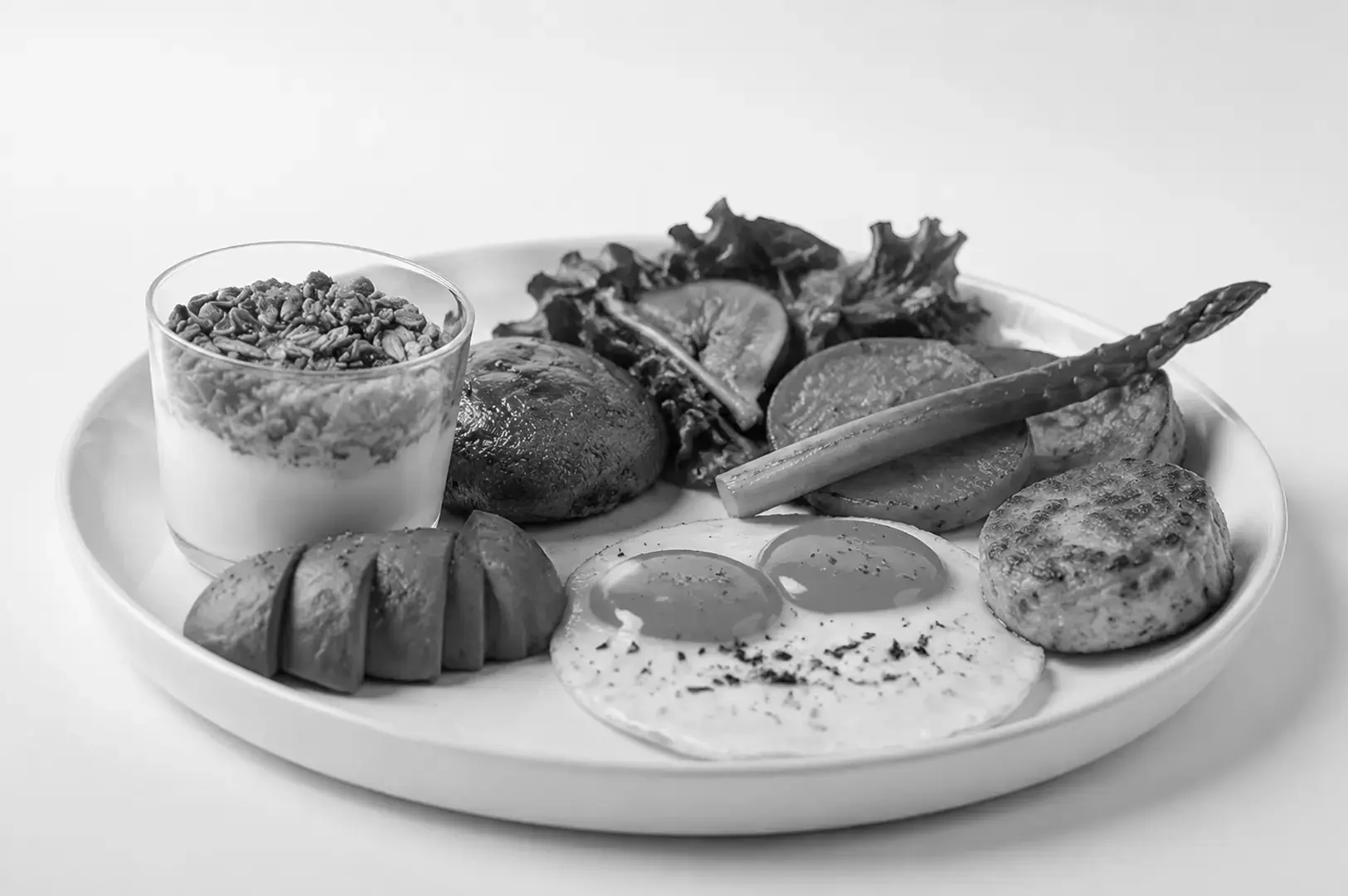
This is the most common type. Lacto-ovo vegetarians do not eat meat or fish but do eat dairy products and eggs. The “lacto” refers to dairy (from the Latin word for milk) and the “ovo” refers to eggs.
Lacto-ovo vegetarian diets are generally the easiest to navigate when eating out in Singapore. Most restaurant menus, including non-specialist ones, can accommodate this type with minor adjustments. Dishes like egg fried rice, pasta with cream sauce, and cheese-based options are all typically fine. Nutritionally, lacto-ovo vegetarians are in a good position: they get calcium and protein from dairy products and eggs, which makes a balanced diet relatively achievable without heavy reliance on supplements.
The main nutrients to keep an eye on are iron, vitamin B12 (which is found mainly in animal foods), and omega-3 fatty acids. Eating iron-rich plant foods alongside vitamin C rich foods (like citrus fruits or fruit juices) helps the body absorb iron more efficiently — something worth knowing if you are new to this way of eating.
Lacto Vegetarians
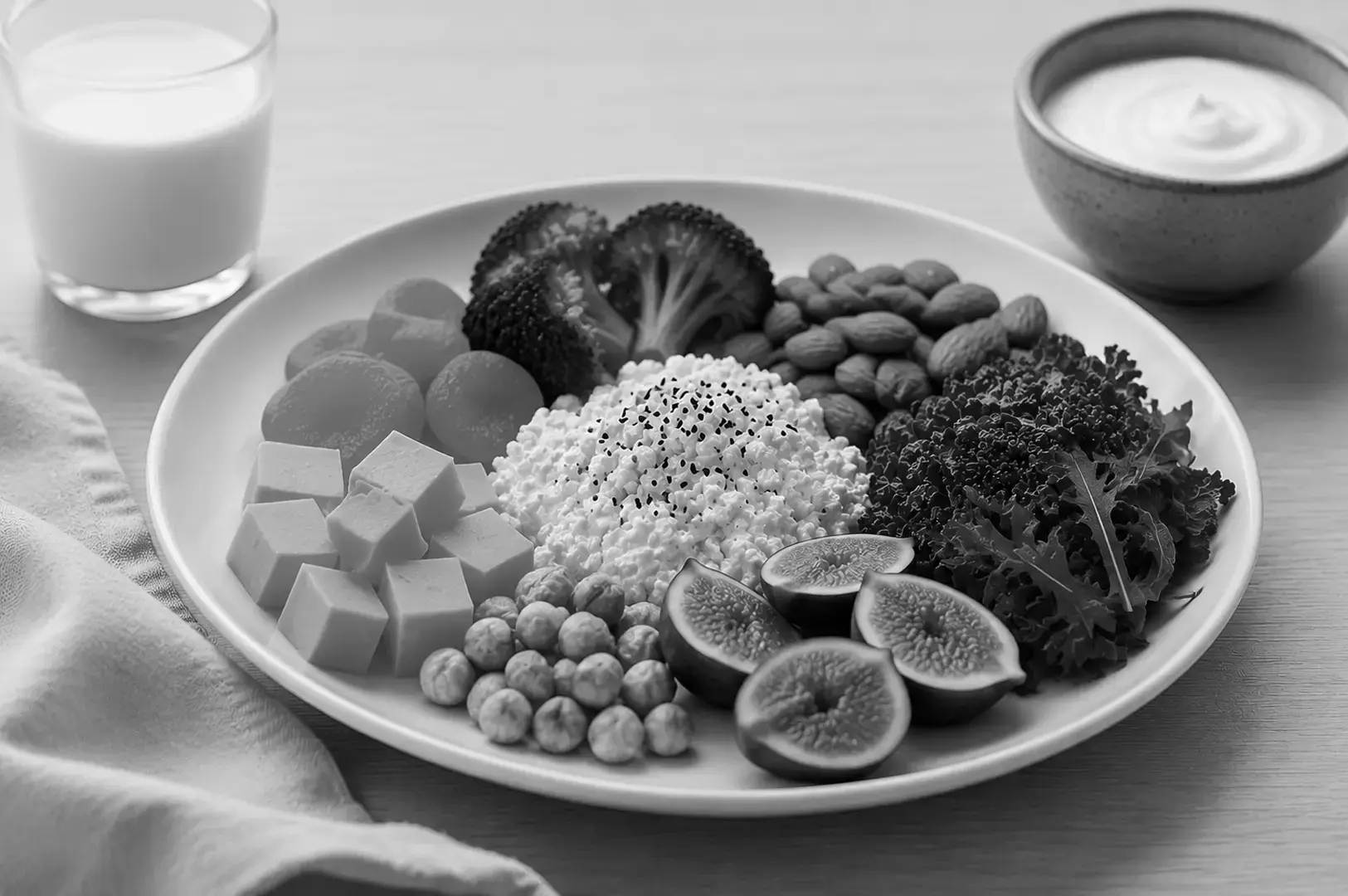
A lacto vegetarian diet excludes meat, fish, and eggs but includes dairy products. This means milk, cheese, yogurt, and butter are on the table, but eggs are not.
Many traditional Indian vegetarians follow a lacto vegetarian diet, which is why Indian vegetarian restaurants in Little India are an excellent resource for this group. Because eggs are excluded, lacto vegetarians need to be more intentional about getting enough protein. Lentils, kidney beans, soy products, baked beans, whole grains, and nuts and seeds all help fill that gap. Combined with the amino acids from dairy products, a well planned vegetarian diet of this type can absolutely be nutritionally adequate.
Ovo Vegetarians
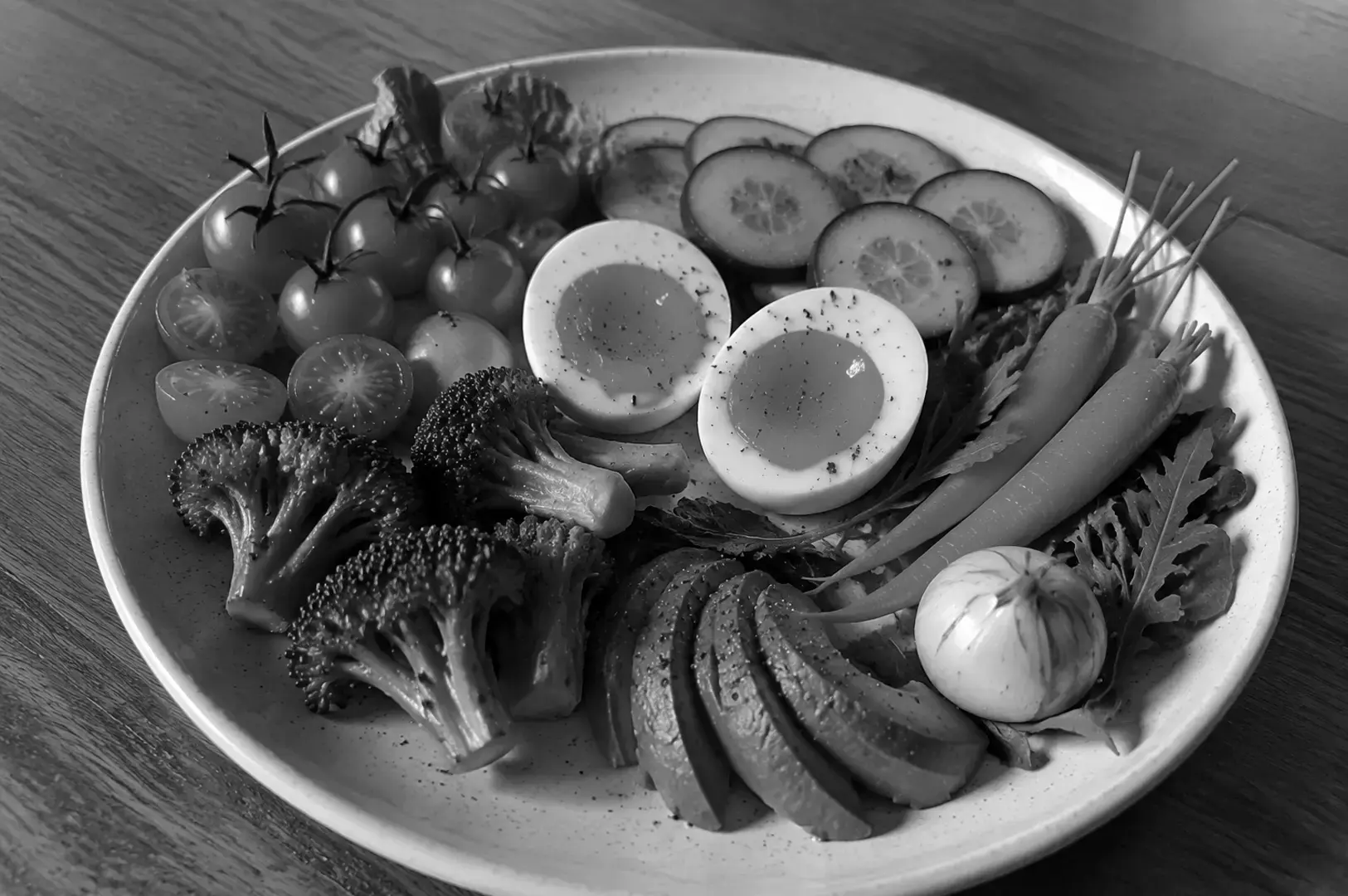
Ovo vegetarians eat eggs but avoid dairy products and meat. This is a less common category but it is worth understanding, particularly for those with lactose intolerance who still want to include some animal protein.
In Singapore, this group faces a slightly trickier time at casual dining spots, since many vegetarian dishes at local stalls are cooked with dairy in some form. The clearer labeling at modern plant-based cafés makes navigating this type of diet easier, and it is always worth asking whether a dish contains butter or milk even if it looks egg-only friendly.
Vegans
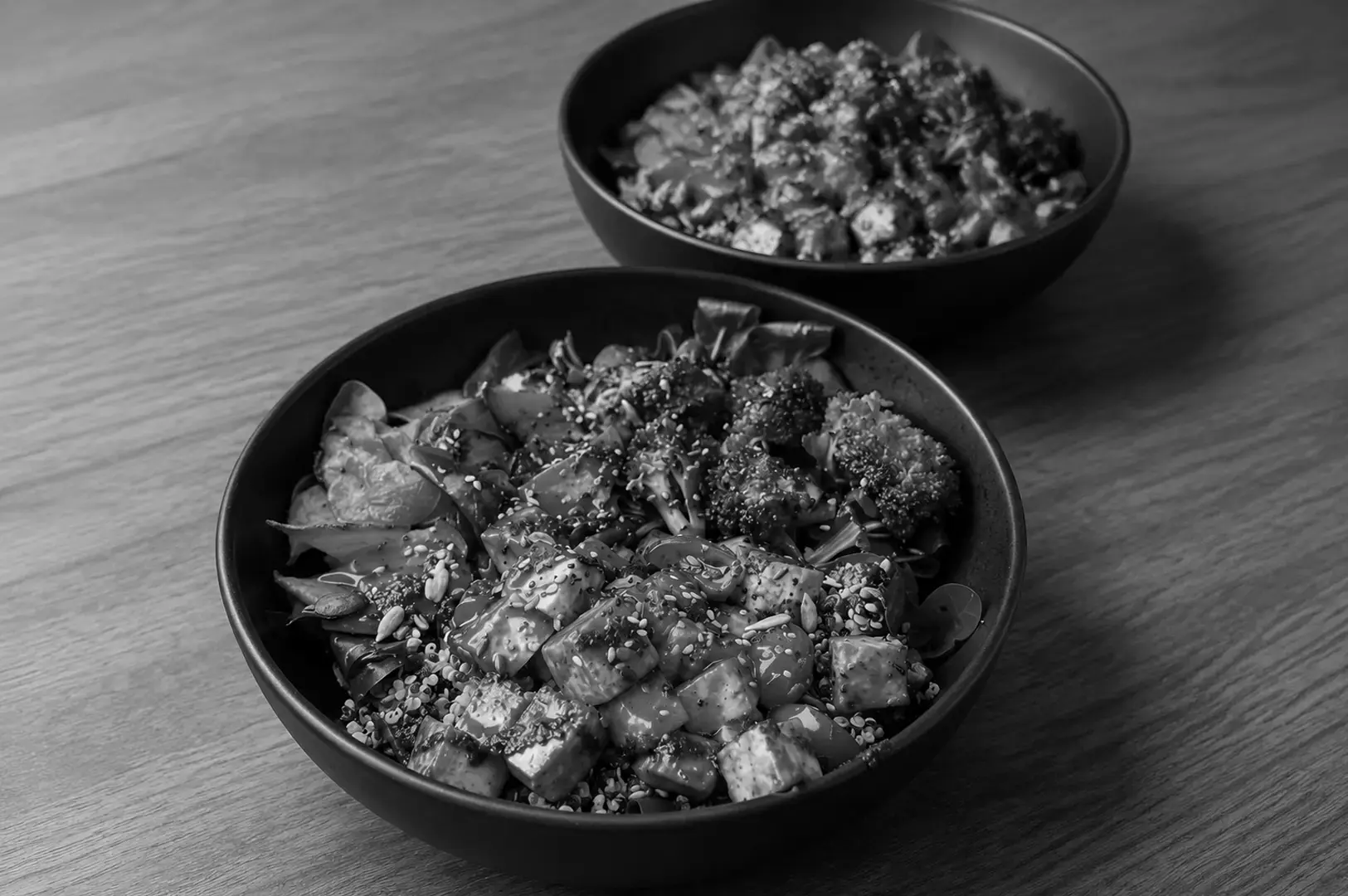
Veganism sits at the strictest end of the plant based diet spectrum. Vegans consume no animal products at all — no meat, no dairy products, no eggs, no honey, and no ingredients derived from animals. A purely vegetarian diet of this kind relies entirely on plant foods for all nutrients.
Nutritionally, a vegan diet requires more planning. The key nutrients to watch are:
Vitamin B12: Found almost exclusively in animal products. Most vegans need dietary supplements or fortified foods like certain breakfast cereals and soy milk to meet their daily requirements.
Vitamin D: Sunlight helps, but vitamin D supplements are commonly recommended, especially in climates with limited outdoor sun exposure.
Calcium: Without dairy products and eggs, vegans should look to fortified foods like almond milk, rice milk, and fortified soy milk, as well as dark green vegetables like kale and bok choy.
Omega-3 fatty acids: Oily fish and fatty fish are out, so plant-based sources like canola oil, pumpkin seeds, and flaxseeds become important. Some vegans supplement with algae-based omega-3 products.
Iron: Found in dark green vegetables, kidney beans, and baked beans. Pairing iron-rich foods with vitamin C helps with iron absorption significantly.
Pescatarians
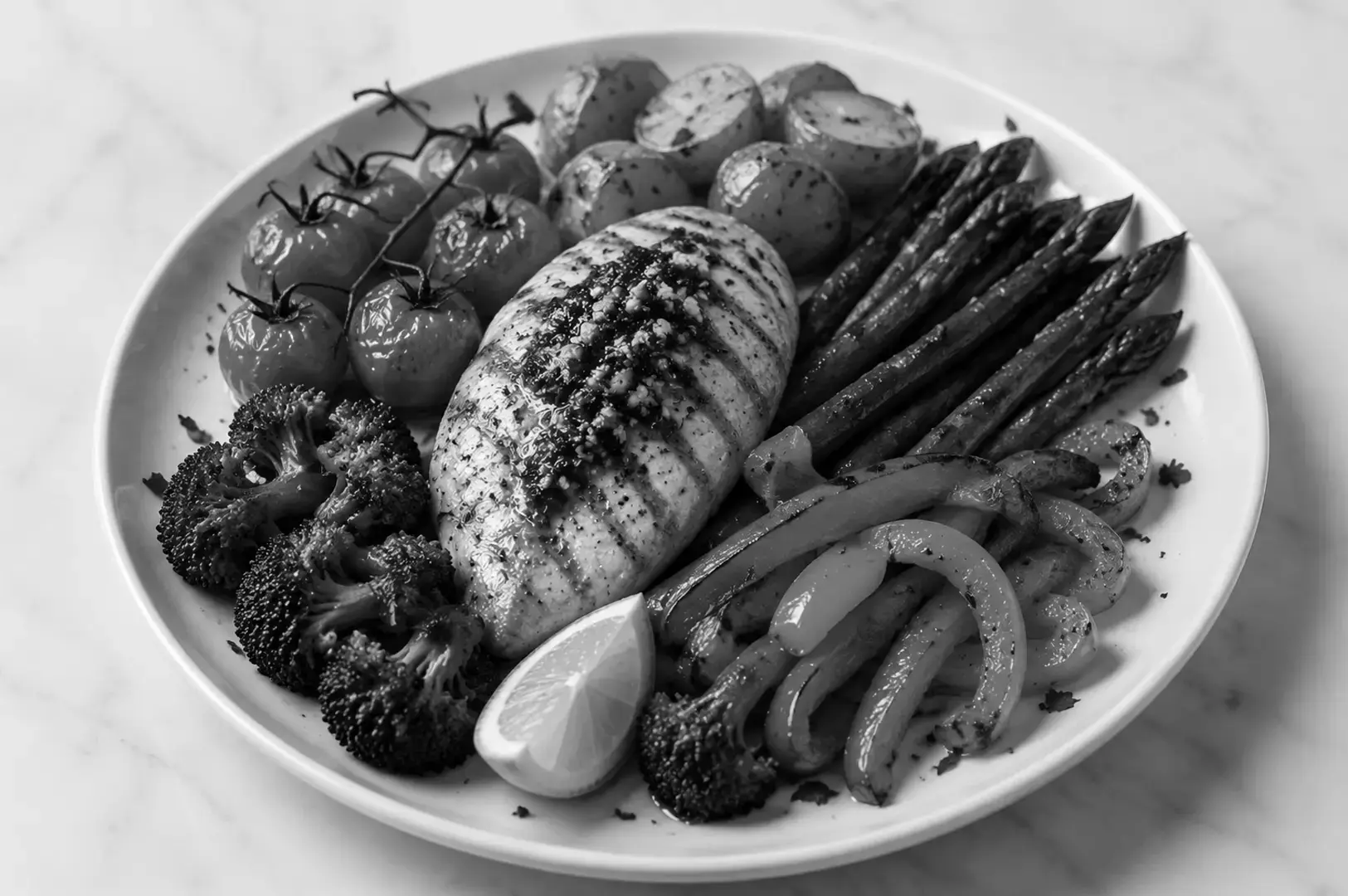
Pescatarians follow a largely vegetarian diet but eat fish and other seafood. They do not eat meat. Strictly speaking, pescatarian diets are not vegetarian — fish is an animal — but this group is often discussed alongside vegetarians because their dietary restrictions overlap significantly.
The big advantage of a pescatarian diet is access to fatty acids from oily fish, which makes it much easier to meet omega-3 requirements without supplements. Fatty fish like salmon, mackerel, and sardines are among the richest natural sources of these essential nutrients, which support heart health and help reduce the risk of chronic diseases like heart disease.
In Singapore, pescatarians are well-served at hawker centres, where fish-based dishes are everywhere: grilled stingray, steamed fish, fish soup, and sambal prawns are all standard fare. The main challenge is avoiding dishes made with pork lard or chicken stock, which requires a bit of vigilance and a willingness to ask questions at the stall.
Flexitarians
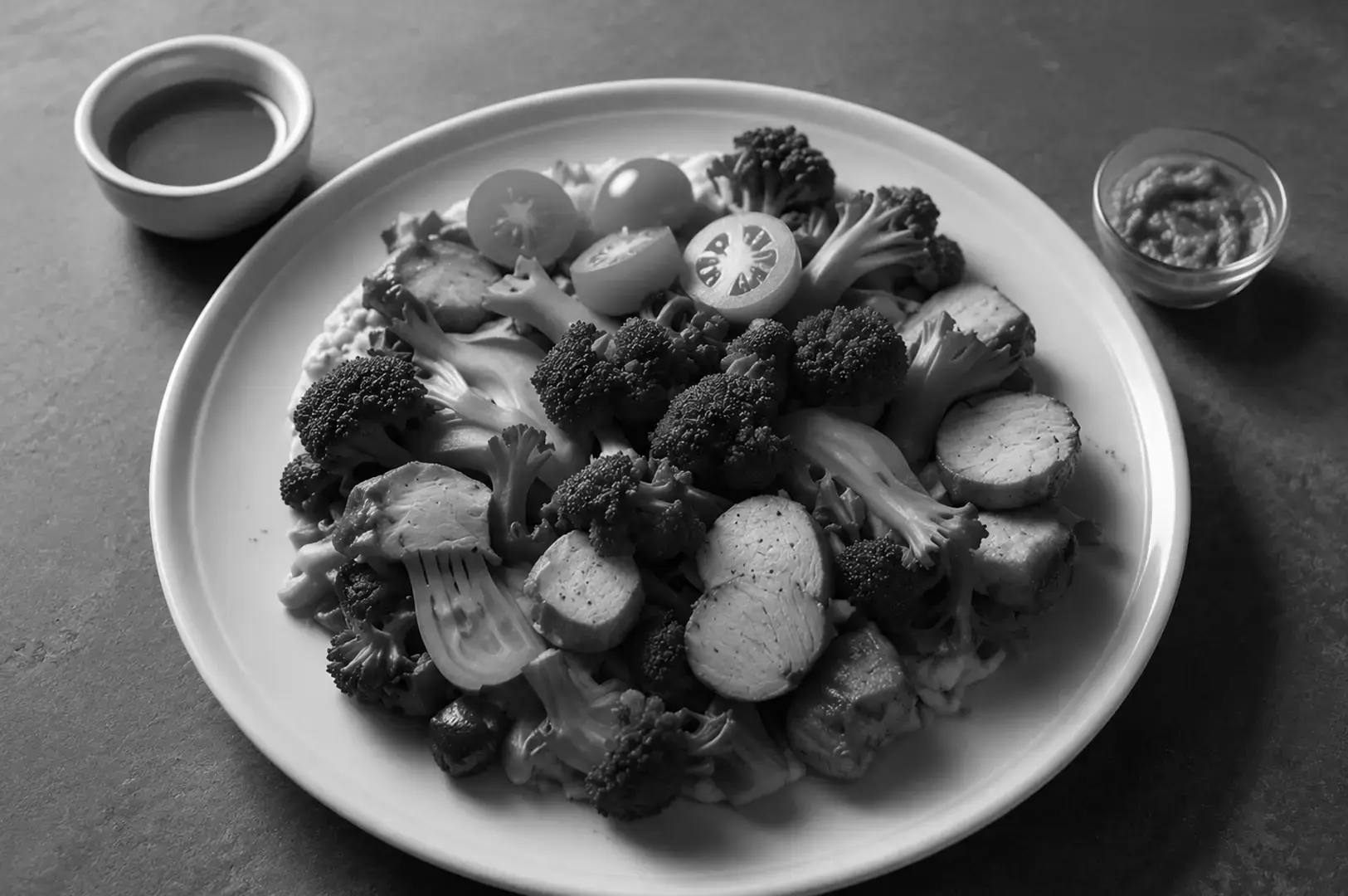
The flexitarian diet — sometimes called a semi vegetarian diet — is exactly what it sounds like: a mostly plant-based diet that occasionally includes meat or fish. There is no strict rule for how little meat counts; the point is intentionality, not perfection.
Registered dietitian Dawn Jackson Blatner popularized the term, and a review published by Emma J Derbyshire (2017) in scientific literature found that the flexitarian diet supports weight management, improved blood pressure, and a reduced risk of type 2 diabetes, making it a compelling option for those who want the health benefits of a vegetarian or vegan diet without the full commitment.
In Singapore, this is arguably the easiest category to navigate. Almost every restaurant has options that make a largely plant-based meal possible, and the growing availability of meat substitutes at places like Greendot means that the familiar textures of a meat-inclusive diet are no longer exclusive to meat eaters.
Buddhist Vegetarians
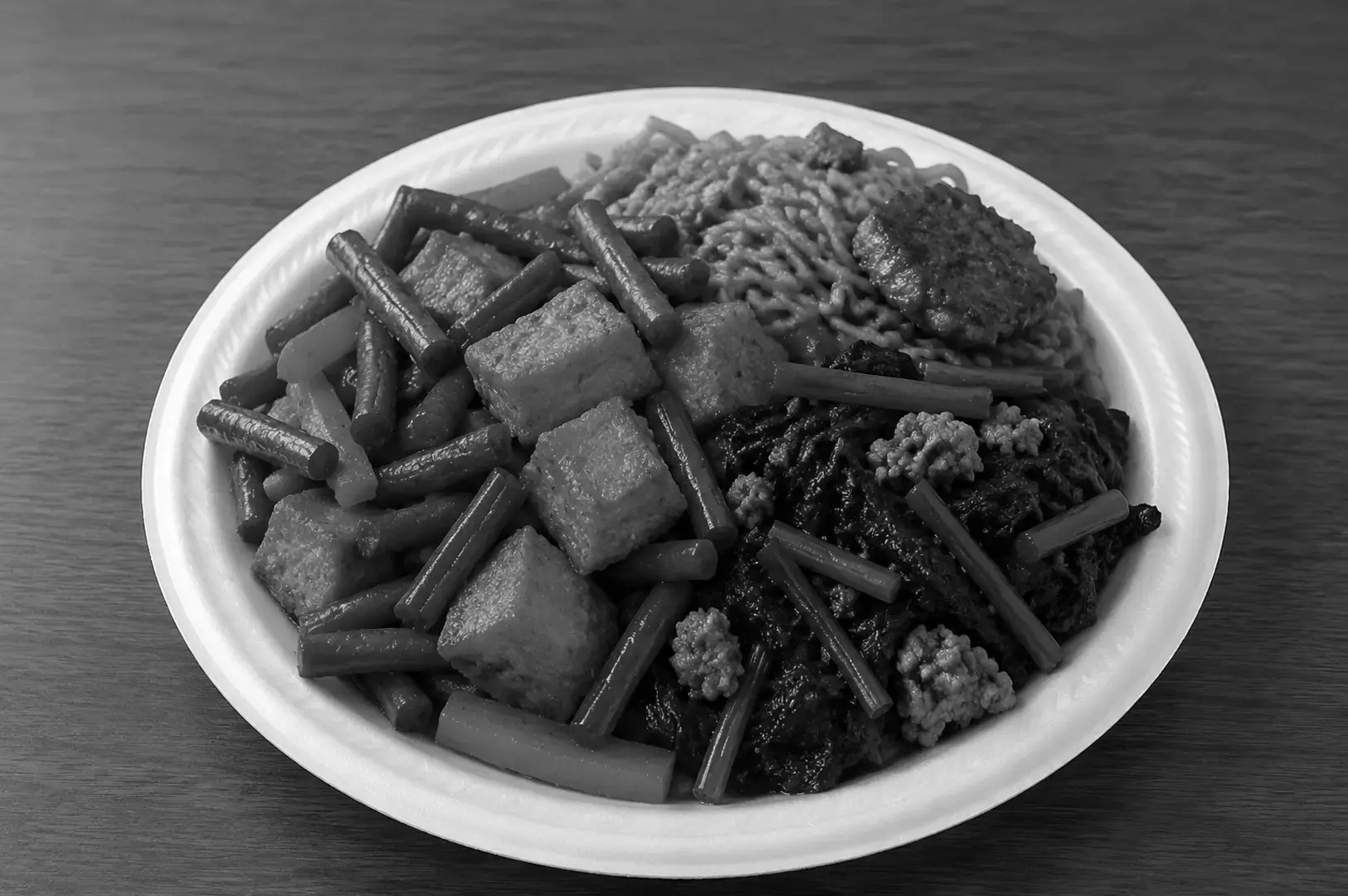
This is one category that surprises many people encountering it for the first time, and it is particularly relevant in Singapore given our large Buddhist Chinese community. Buddhist vegetarians follow a strictly vegetarian diet — no meat, no fish — but they also exclude what are known as the “five pungent roots”: garlic, onion, leeks, shallots, and chives. All of which are part of the Allium vegetable group.
The reason is rooted in Buddhist belief: these vegetables are thought to stimulate the mind and emotions in ways that are not conducive to meditation and spiritual practice. This means a Buddhist vegetarian meal looks very different from a standard vegetarian one, even if both contain no meat. Many of the Chinese Buddhist vegetarian stalls you find at temple canteens and certain hawker centres operate on this principle.
Eating Out by Diet Type in Singapore
Singapore genuinely punches above its weight when it comes to vegetarian-friendly dining. Here is where I find the best options based on dietary type.
For a Budget Meal: Hawker Centres and Kopitiam Stalls ($3.50–$15)
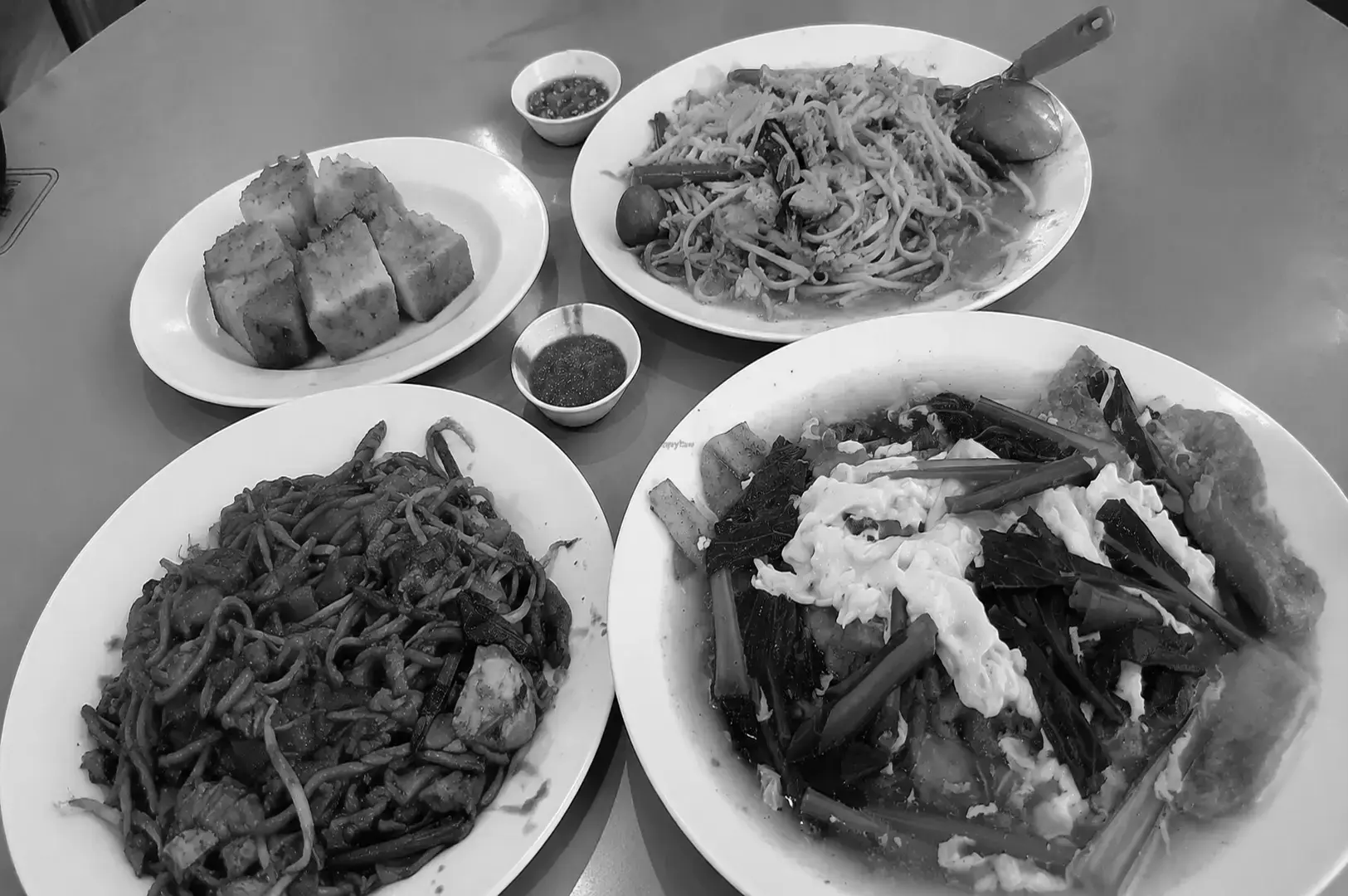
The Indian vegetarian stalls at Tekka Centre in Little India are a reliable staple for lacto vegetarians and lacto-ovo vegetarians. A banana leaf rice set or a roti prata with dal comes in under $10 and is filling, flavourful, and honest. Buddhist vegetarian stalls are also scattered throughout hawker centres islandwide — just look for the circular green “vegetarian” symbol on the stall sign, and confirm whether they cook without pungent roots if that matters to you.
For a Mid-Range Meal: Greendot ($10–$20)
Greendot has become something of a household name for plant-based eating in Singapore, with multiple outlets across the island. Their Asian fusion vegetarian menu spans bento sets and rice bowls, with dishes like their laksa (complete with a convincingly prawn-like mock prawn) and a rotating seasonal menu that recently featured Thai Green Curry with Lion Mane Mushroom. Meals generally land between $10 and $20, and the atmosphere is casual and welcoming.
It is worth noting that while Greendot is fully vegetarian, not all dishes are vegan — so if you are strictly avoiding dairy products and eggs, ask your server to clarify before you order.
For a Polished Dining Experience ($30 and above)
Whole Earth, Singapore’s first and only Peranakan-Thai plant-based restaurant since 2003, is one of my personal recommendations for a special occasion meal. Their kitchen transforms fresh vegetables, legumes, mushrooms, and grains into dishes that are deeply rooted in Peranakan and Thai culinary traditions. It is plant-based and entirely meatless, with a menu that makes you forget you are eating without animal protein.
Explore more vegetarian dining options to enjoy in Singapore by clicking here.
A Quick Nutritional Summary by Diet Type
To recap the key nutritional considerations across all types of vegetarian diets:
Type of Vegetarian | Key Nutritional Considerations |
|---|---|
Lacto-ovo vegetarians | Watch iron and vitamin B12; eat iron-rich foods with vitamin C rich foods to help body absorb iron better. |
Lacto vegetarians | Ensure enough protein from plant-based sources; eggs and dairy provide different nutrient profiles, so filling the egg gap takes some planning. |
Ovo vegetarians | Monitor calcium intake without dairy; look to fortified foods and dark green vegetables. |
Vegans | Supplement vitamin B12 and consider vitamin D supplements; source calcium from almond milk, rice milk, or fortified soy milk; get omega-3 fatty acids from canola oil and pumpkin seeds. |
Pescatarians | Relatively easy to meet most nutritional needs; oily fish covers omega-3 fatty acid requirements well. |
Flexitarians | Focus on increasing whole plant foods and reducing processed foods and saturated fat rather than tracking strictly. |
Buddhist vegetarians | Generally nutritionally similar to lacto-ovo or vegan depending on the individual; check carefully for hidden garlic and onion when eating out. |
A well planned vegetarian diet — at any point on this spectrum — can absolutely be a healthy diet. The research consistently shows that plant-based eating is linked to lower rates of heart disease and chronic diseases. The key word is “planned.” Understanding your specific type of vegetarian diet is the first step toward eating in a way that is not just ethical or principled, but genuinely nourishing.
Know Your Type, Eat With Clarity
Knowing whether you are lacto-ovo, strictly vegan, pescatarian, or following Buddhist vegetarian principles means fewer awkward conversations at the table, fewer dishes sent back, and more meals that you actually enjoy. It also means you can help the restaurants and stalls who are trying to serve you well do exactly that.
For more guides on eating well and eating honestly across Singapore, visit Food Reporters SG — where you will find stories about the city’s food scene written by people who care more about the food than the fanfare.