
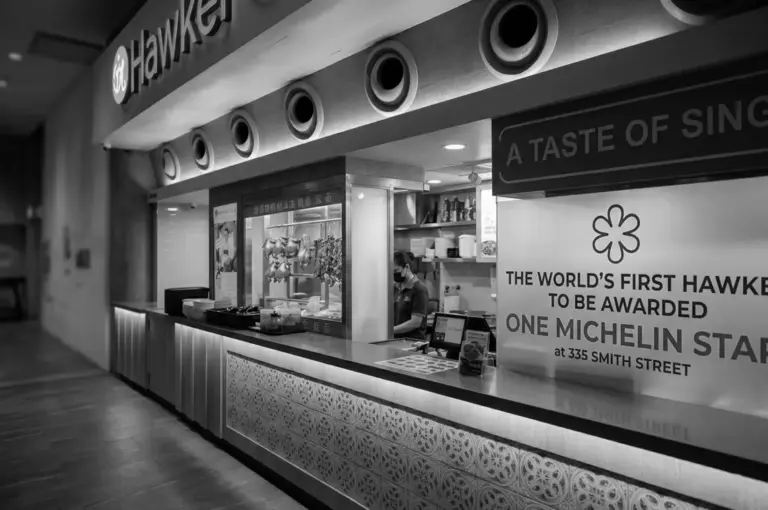
I have spent years analyzing the operational mechanics of the food and beverage industry in Singapore. When the Michelin Guide first arrived on our shores, many industry professionals wondered how our unique dining ecosystem would be evaluated. The result was a fascinating shift in our local culinary landscape; the guide recognized both multi-million dollar fine dining establishments and humble, open-air hawker stalls. This dual recognition has fundamentally changed how we view culinary excellence in our city.
The inclusion of hawker centre stalls in a globally recognized guide is a double-edged sword. On one hand, it validates the immense skill and relentless hard work of our local vendors. I often observe how this international spotlight brings unprecedented foot traffic to small businesses, allowing traditional recipes to gain a global audience. It proves that exceptional food does not require white tablecloths or expensive tasting menus.
However, this recognition also introduces severe operational challenges. The traditional hawker business model relies on high volume and incredibly tight profit margins. When a stall receives a Michelin Star or a Bib Gourmand, the sudden surge in demand can cripple a small kitchen. I have seen hawkers struggle to maintain their rigorous quality standards under the pressure of two-hour queues; some even face aggressive rent increases from landlords capitalizing on their newfound fame. Balancing the preservation of traditional hawker culture with the heavy expectations of global culinary standards requires incredible resilience.
Simultaneously, the fine dining sector in Singapore has been forced to evolve. To stand out in a city where a three-dollar bowl of noodles holds a Michelin Star, high-end restaurants must offer more than just premium imported ingredients. I notice a growing trend where top-tier chefs are deeply studying local flavor profiles and incorporating regional techniques into their menus. They are learning from the hawker heroes. This cross-pollination creates a highly dynamic dining scene where culinary boundaries are constantly being pushed and redefined.
Ultimately, the impact of the Michelin Guide goes beyond mere accolades. It has sparked a crucial conversation about the value of our local food heritage. It forces us to ask how we can sustainably support the hawkers who form the backbone of our food culture, while still embracing the innovations of modern gastronomy. The evolution of our dining scene depends on maintaining this delicate equilibrium. We must ensure that the pursuit of global recognition does not erase the authenticity that made our food exceptional in the first place.
To read more analytical deep dives into our local dining scene and discover the latest industry trends, check out our website at https://foodreportersg.com/ for more similar articles to read.