
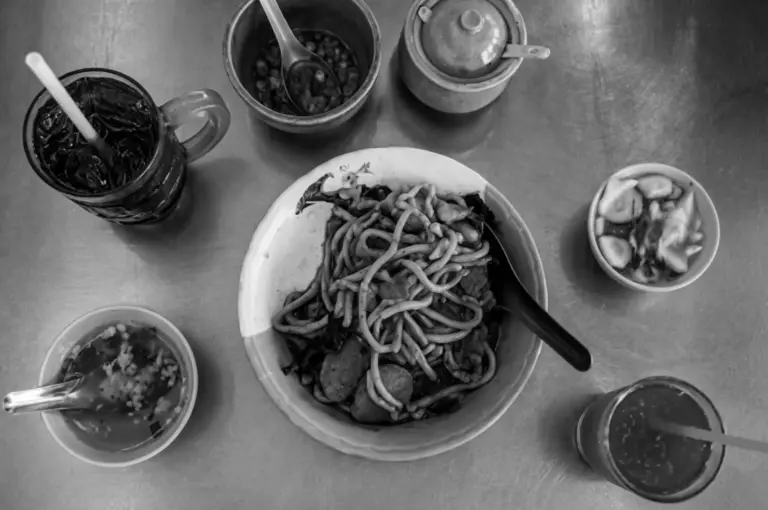
When I first tried shifting my diet a few years ago, I was completely lost. I assumed that ordering the “vegetarian” option at a local coffee shop meant I was eating a fully plant-based meal. I learned the hard way that this is not always true. I remember confidently ordering a plate of vegetarian bee hoon, only to bite into a piece of tofu that was drenched in fish sauce. I was frustrated, but it taught me a valuable lesson about how complex dietary labels can be in our local food scene.
If you are feeling confused about the difference between being a vegetarian and being a vegan, you are not alone. In Singapore, our rich mix of cultures makes things even more complicated. I want to break down exactly what these terms mean and show you how to navigate our local food centers and the best plant-based spots in the citywithout the anxiety.
Understanding the Vegetarian Diet and Vegan Diet: What Are You Really Eating?
To put it simply, the main difference between a vegetarian diet and a vegan diet comes down to how strictly you avoid animal products.
Vegetarian Diet
A vegetarian diet means you do not eat meat. This includes poultry, beef, pork, and seafood. However, vegetarians usually still consume animal byproducts like dairy products and eggs. There are several sub-categories, including ovo vegetarians who eat eggs but not dairy, lacto-vegetarians who eat dairy but not eggs, and lacto-ovo vegetarians who eat both eggs and dairy foods. Many vegetarians include these animal products to ensure they get all the essential amino acids and other essential nutrients.
Vegan Diet
A vegan diet is much stricter. Vegans eat only plant based foods and avoid all animal products, including meat, seafood, dairy, eggs, and even honey. Vegan sources of nutrition come entirely from plant foods, fortified foods, and supplements. Ethical vegans also extend their lifestyle beyond diet, avoiding animal origin products such as leather, wool, and cosmetics tested on animals. Vegans eat foods like tofu processed from soy, nuts and seeds such as chia seeds, hemp seeds, and sunflower seeds, as well as fortified cereals and plant based milks like soy milk and unsweetened soya drinks to meet their nutritional needs.
All vegans are vegetarians, but not all vegetarians are vegans.
Vegetarian and Vegan Diets: Navigating Nutritional Needs for a Balanced Diet
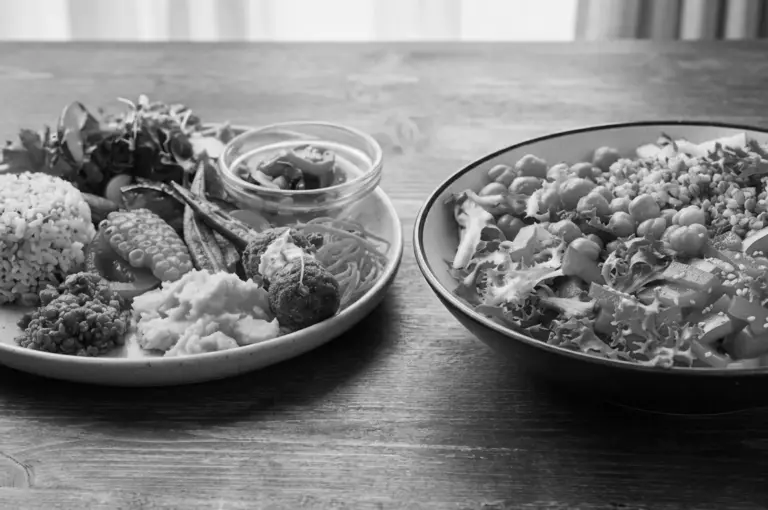
Both vegetarian and vegan diets can be healthy eating choices when well planned. A balanced diet is essential to ensure you get all the nutrients your body needs to develop healthily and maintain a strong immune system.
Nutritional Needs: Protein, Amino Acids, and Enough Protein Intake
Protein is crucial for building and repairing tissues, producing enzymes, hormones, and supporting healthy bones. Meat eaters typically get protein from meat products and oily fish, which provide all the amino acids needed. However, vegetarians and vegans must rely on plant sources to get enough protein and all the essential amino acids. Plant based foods like legumes, nuts and seeds, tofu processed from soy, wholemeal bread, brown rice, and starchy vegetables can provide protein, but it is important to eat a variety of these foods to ensure you get all the amino acids your body requires. Combining different plant foods at meals helps achieve a well planned vegetarian diet or balanced vegan diet with enough protein.
Sources of Vitamin B12 and Other Essential Nutrients
Vitamin B12 is critical for producing red blood cells and maintaining a healthy nervous system. Since vitamin B12 is found naturally only in animal products, vegetarians or vegans need to pay special attention to sources of vitamin B12. Vegetarians who eat dairy foods and eggs may get enough vitamin B12 from these sources, but vegans should consume fortified foods such as fortified cereals, fortified plant based milks, and nutritional yeast, or take vitamin B12 supplements to avoid nutrient deficiencies. Other essential nutrients to watch for include vitamin D, calcium, iron, zinc, and omega 3 fatty acids.
Omega 3 Fatty Acids: Importance and Sources
Omega 3 fatty acids are important for heart health and reducing the risk of heart disease. While oily fish is a primary source of omega 3 fatty acids for meat eaters, vegetarians and vegans can obtain these fats from plant sources such as flaxseeds, chia seeds, hemp seeds, walnuts, and fortified foods. Some vegans also take algal-based omega 3 supplements to ensure adequate intake.
Vitamin D, Calcium, and Healthy Bones
Vitamin D helps regulate calcium and phosphate in the body, which are essential for healthy bones and teeth. While vitamin D is found in dairy products and egg yolks, vegetarians and especially vegans may need fortified foods or supplements to meet their nutritional needs. Good sources for vegans include fortified cereals, fortified plant based milks, and exposure to sunlight. Calcium is abundant in dairy foods for vegetarians but vegans can get calcium from leafy vegetables, tofu processed with calcium sulfate, fortified foods, nuts and seeds.
Iron and Vitamin C: Preventing Iron Deficiency
Iron is essential for red blood cells and oxygen transport. Iron from plant based foods is less easily absorbed than iron from meat products, so it is important to consume vitamin C-rich foods like fruit and vegetables alongside iron-rich plant foods such as brown rice, wholemeal bread, legumes, and dried fruit to enhance iron absorption and prevent iron deficiency.
Health Benefits of Vegetarian and Vegan Diets: Why Choose Plant Based Foods?
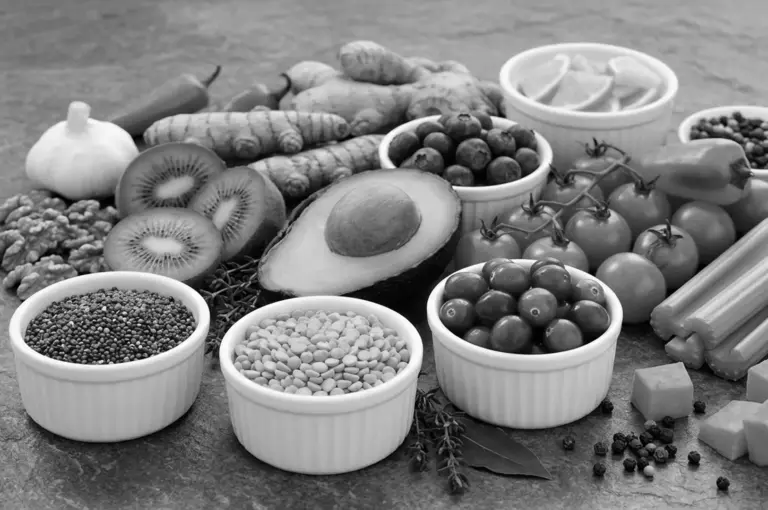
Choosing a vegetarian or vegan diet offers numerous health benefits. Well planned vegetarian and vegan diets are typically lower in saturated fat and cholesterol, which can reduce the risk of chronic diseases such as heart disease, type 2 diabetes, hypertension, and certain cancers. The high fiber content from fruit and vegetables, nuts and seeds, whole grains like brown rice and breakfast cereals, and starchy vegetables supports digestive health by increasing the good bacteria in the gut.
Vegetarians and vegans often have lower body mass index (BMI) and lower obesity rates compared to meat eaters. The diet quality of plant based diets rich in unsaturated oils, nuts, seeds, and plant foods contributes to better heart health and overall wellness.
What Vegans Eat: Plant Based Foods and Popular Vegan Choices in Singapore
Vegans eat a wide variety of foods high in nutrients, including legumes, tofu processed from soy, nuts and seeds such as chia seeds, hemp seeds, sunflower seeds, whole grains like brown and white bread, brown rice, and starchy vegetables. Fortified foods like fortified cereals and plant based milks such as soy milk and unsweetened soya drinks help vegans meet their nutritional needs.
Popular vegan options in Singapore include vegan burgers, plant based milks, and dishes made from tofu processed in creative ways. Vegan sources of protein and essential nutrients can also be found in dried fruit, fruit juices, and fortified foods. Ethical vegans often seek out products free from animal by products and animal origin ingredients.
Tips for Eating Out in Singapore: Avoiding Hidden Animal Products and Nutrient Deficiencies
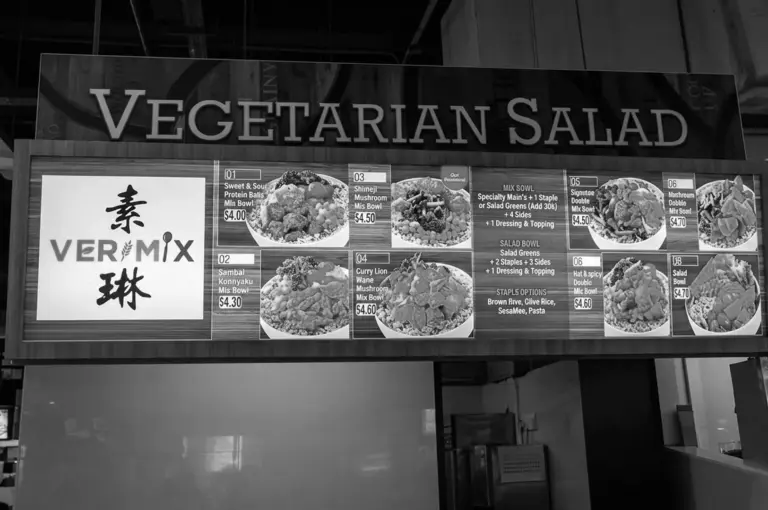
In Singapore, the green “素” (su) symbol often indicates vegetarian food, but it does not guarantee a vegan or fully plant based diet. Many dishes may contain hidden animal products such as fish sauce, shrimp paste (belacan), eggs, or dairy products. When eating out, it is important to ask specific questions about ingredients to ensure your meal aligns with your dietary choices.
Using technology like the HappyCow app can help you find restaurants that cater to vegetarian and vegan diets with transparency. Additionally, carrying snacks like mixed nuts or vegan granola bars can help you avoid nutrient deficiencies when options are limited.
Summary Table
Aspect | Vegetarian | Vegan |
Meat | ❌ No | ❌ No |
Eggs | ✔ Possible | ❌ No |
Honey | ✔ Possible | ❌ No |
Dairy | ✔ Possible | ❌ No |
Lifestyle | Diet | Diet + Often lifestyle |
Ease of eating out | Easier | More challenging |
Conclusion: Embracing a Balanced Vegetarian or Vegan Diet for Healthy Eating in Singapore

Transitioning to a vegetarian or vegan diet in Singapore can be a rewarding journey full of health benefits and delicious plant based foods. By understanding your nutritional needs, including sources of vitamin B12, omega 3 fatty acids, and essential amino acids, you can enjoy a balanced diet that supports healthy bones, a strong immune system, and overall wellness.
Remember that a well planned vegetarian diet or balanced vegan diet requires variety and attention to nutrient intake. With the growing availability of vegan sources and fortified foods in Singapore, it is easier than ever to meet all the nutrients your body needs without eating meat or animal products.
If you found this guide helpful and want to discover the best plant-based spots in the city, check out Food Reporters SG for more similar articles to read.