
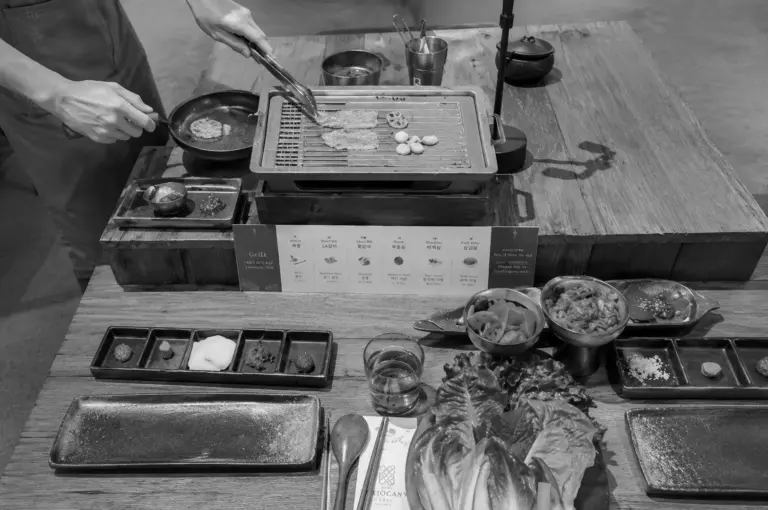
It is hard to walk through Singapore’s dining districts today without seeing the influence of Korean food. From smoky BBQ restaurants in Tanjong Pagar to Korean fried chicken chains, samgyetang specialists, street snack kiosks, bakeries, and cafe-style dessert spots, K-food is no longer just a trend. It has become part of how many Singaporeans eat.
We have seen this shift happen slowly, then all at once. Korean restaurants used to be mostly associated with BBQ, army stew, kimchi soup, and fried chicken. These are still popular, of course, but the scene has widened. Diners are now more open to dishes like gimbap, tteokbokki, cold noodles, Korean-style pasta, seafood stews, rice bowls, herbal chicken soup, and traditional banchan-led meals. The more familiar Singaporeans become with Korean culture, the more curious we become about the food beyond the obvious choices.
Part of this rise is linked to the Korean Wave. K-dramas, K-pop, beauty trends, and travel content have made Korean dining feel familiar before diners even step into a restaurant. We see characters eating jjajangmyeon after a long day, grilling pork belly with friends, or warming up with a bowl of soup in winter, and suddenly those dishes feel less foreign. Food becomes another way to experience the culture.
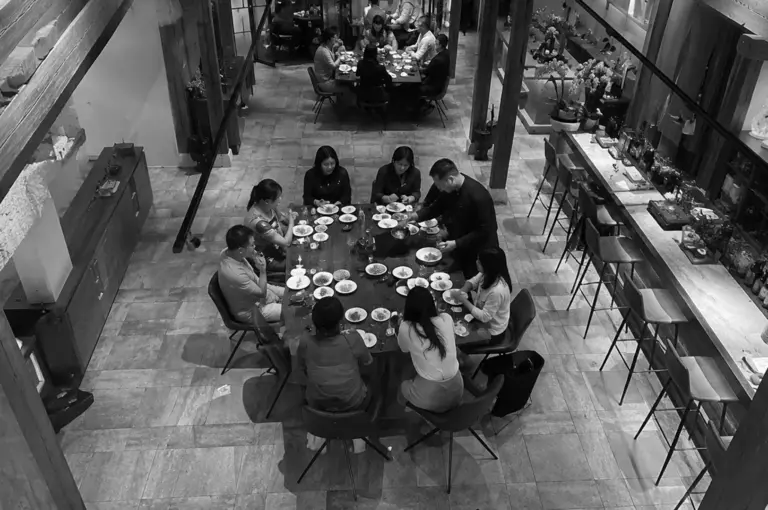
But K-food’s success in Singapore is not only about pop culture. It works here because it fits the way we like to eat. Korean meals are often communal, generous, and built around sharing. BBQ, hotpots, stews, fried chicken platters, and snack plates all suit group dining. The flavours are also bold enough for local palates; spicy, savoury, fermented, sweet, smoky, and comforting. It is not difficult to understand why a table of friends would choose Korean BBQ for dinner, then end the night with bingsu or a Korean-style cafe drink.
The newer wave of Korean dining is also more specialised. We are seeing restaurants focus on one dish or one category, such as samgyetang, cold noodles, premium BBQ, Korean fried chicken, or Korean bakery items. This shows that the market is maturing. Diners are no longer satisfied with a general Korean menu that serves everything. They want places that do one thing well.
Korean cafes have also added to the momentum. Their appeal is different from BBQ restaurants. These spaces often focus on soft interiors, pastries, toast, cream-based drinks, matcha, coffee, and desserts that are easy to share online. For younger diners especially, the Korean cafe is not just a place to eat. It is a place to spend time, take photos, catch up, and enjoy a slower afternoon.
Still, the popularity of K-food also brings competition. Not every new Korean concept will last. Singapore diners are quick to notice when a restaurant relies too much on branding and not enough on taste. The places that stay will be the ones that offer consistency, proper service, and food that feels worth returning for after the opening buzz fades.
For now, Korean dining in Singapore shows no sign of slowing down. It has moved from trend to routine, from occasional craving to regular dining choice. Whether it is a sizzling grill, a bowl of herbal soup, a spicy street snack, or a quiet cafe dessert, K-food continues to find new ways into our weekly meals.
“Korean food stays popular because it gives Singapore diners what we already love; bold flavours, shared tables, and comfort that feels easy to return to.”
Click here to visit Food Reporters SG for more stories on Singapore’s food trends, restaurant openings, and the dining cultures shaping what we eat next.