
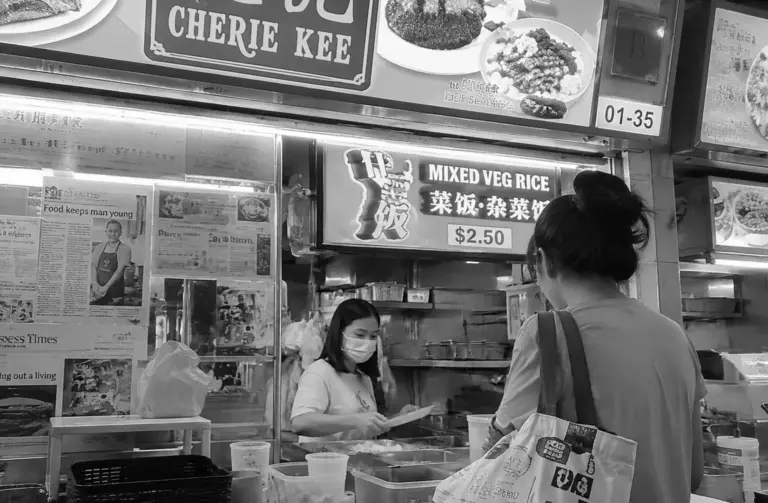
The first time I got it wrong at a Singapore hawker centre, I was nineteen and starving.
I walked into Maxwell Food Centre during the lunch rush, spotted an empty table near the drinks stall, and dropped into the seat like I owned it. A minute later, an uncle came back holding a plate of chicken rice, looked at me, then pointed silently at a small packet of tissues sitting by the edge of the table.
I had sat on his chope. I just didn’t know what that meant yet.
He wasn’t unkind about it. He just waited. I gathered my things, mumbled an apology, and shuffled off feeling like everyone in the centre had watched the whole thing. They hadn’t. But that’s the thing about hawker etiquette: nobody hands you the rules, you just absorb them, usually after a small embarrassment or two.
So let me save you mine. By the end of this, you’ll move through a Singapore hawker centre like you’ve done it a hundred times, because the rules are simple once someone actually tells you.
First, Understand What a Singapore Hawker Centre Really Is
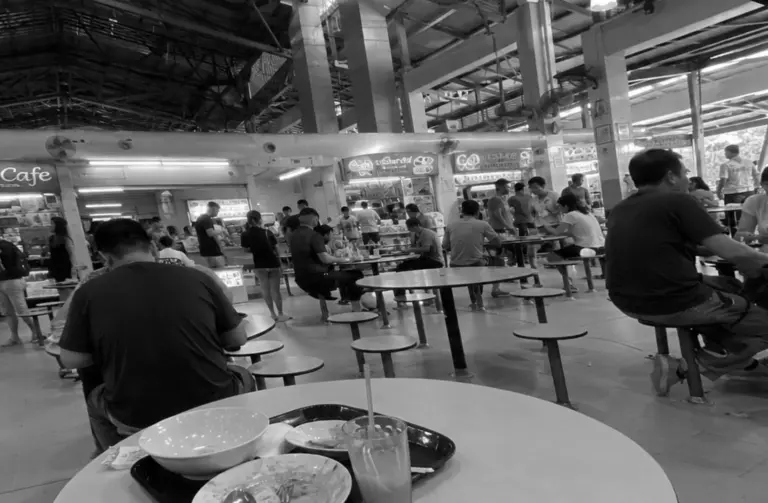
Here’s something I think gets lost on first-timers: a hawker centre is not an outdoor food court.
It’s a community dining room where locals and tourists alike gather to enjoy a wide variety of hawker food from many stalls. Office workers, retirees, families, students, everyone eats here daily. Singapore’s hawker culture, rooted in street food vendors and hawker stalls, was added to UNESCO’s Representative List of the Intangible Cultural Heritage of Humanity in 2020. That recognition makes sense once you’ve spent enough mornings at one of the island’s many hawker centers.
So the etiquette isn’t about rigid rules. It’s about sharing a space that a lot of people treat as part of their everyday life. Once you see it that way, the rest falls into place.
The Chope System at Singapore Hawker Centres (The Thing That Confuses Everyone)
“Chope” means to reserve. And the way locals reserve a seat is by leaving a small item on the table.
Usually it’s a packet of tissues. Sometimes an umbrella, a water bottle, or even a name card. If you see any of these on an empty table, that seat is taken. Someone is queuing for food and will be back.
Do not move it. Do not sit there. I learned this the awkward way, and I promise it’s the single most important rule in this whole guide.
Insider knowledge: Keep a packet of tissues in your bag specifically for this. It’s the universal chope tool, costs almost nothing, and means you’ll never be caught without a way to hold a table during a busy lunch rush.
My 5-Step Method for Navigating Hawker Stalls and Communal Dining
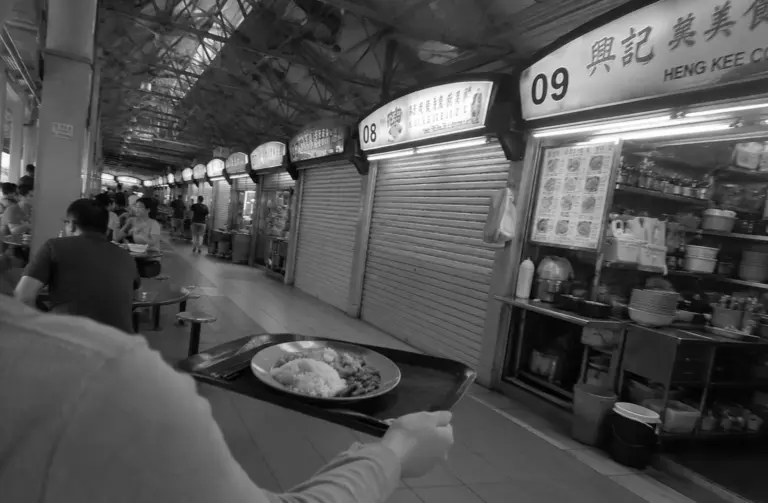
I’ve done this so many times it’s muscle memory now. Here’s the breakdown.
Step 1: Survey the Hawker Centre Area
Don’t join the first long queue you see. Walk through the centre once.
Look at which food stalls have locals queuing (a good sign), check seating availability, and get a feel for the layout. At sprawling places like Chinatown Complex or the Old Airport Road Food Centre, this thirty-second walk saves you from committing to the wrong line.
Step 2: Secure a Seat (If It’s Busy)
If it’s peak hours, chope a table now. Leave a tissue packet, an umbrella, anything small and clearly not abandoned.
One thing: don’t leave your phone, wallet, or anything valuable. Choping works on trust, but you don’t need to tempt fate.
Step 3: Order Your Food from Popular Hawker Stalls
Have your payment ready before you reach the front. Many stalls now take PayNow, NETS, or GrabPay, but plenty of older hawker stalls are still cash only, so carry some notes.
During a lunch rush, know roughly what you want before it’s your turn. Hawkers move fast, and a smooth order keeps the line happy. If you’re unsure what a dish is, just ask. In my experience, hawkers are used to it and usually happy to explain.
Try iconic local dishes like chicken rice, char kway teow, prawn mee noodle soup, roti prata, or carrot cake. These dishes reflect Singapore’s hawker culture and the island’s multicultural culinary heritage.
Step 4: Collect Your Food
Pay attention to how the hawker stall works. Some give you a buzzer. Some deliver to your table if you give them your table number. Many are self-collect, where you wait and carry it yourself.
Watch what the person ahead of you does. It tells you everything.
Step 5: Return Your Tray
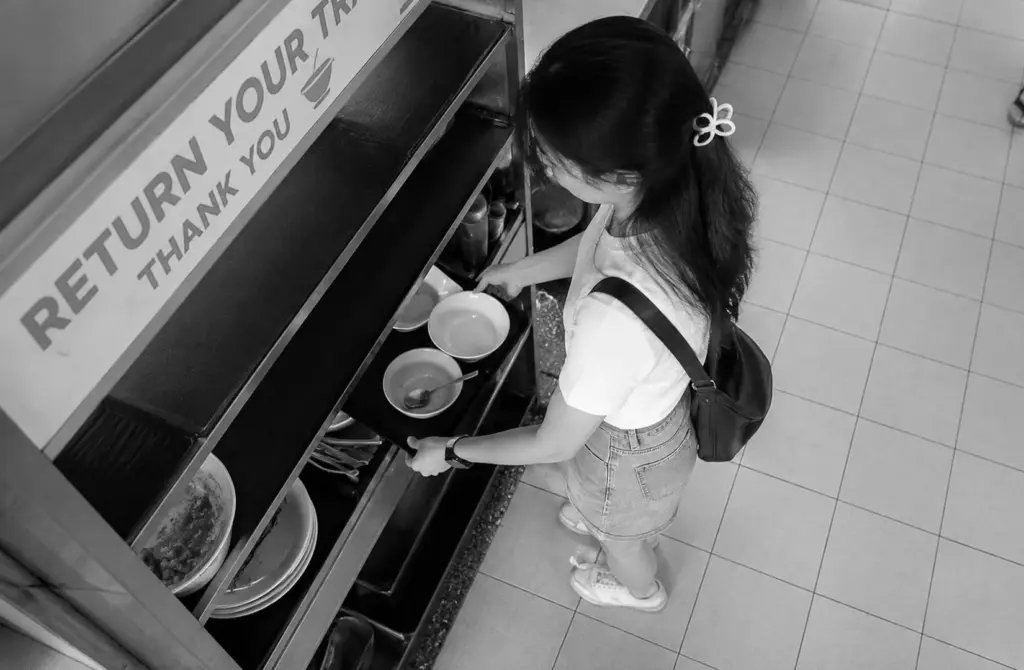
When you’re done, return your tray. This is mandatory now by the National Environment Agency, and there are clearly marked stations for plates, cups, and utensils.
I won’t sugarcoat it: this trips up a lot of visitors, and you can get a warning or fine for skipping it in some centres. But beyond the rules, it’s just decent. Someone wants that table after you.
Pro tip: If you’re dining as a group, split the jobs. One person chopes a good table, the others queue at different popular stalls at the same time. You’ll get your seats and sample three or four dishes in the time it takes one person to queue once. This is how locals eat widely without wasting an afternoon.
Sharing Tables With Strangers in Communal Dining Spaces
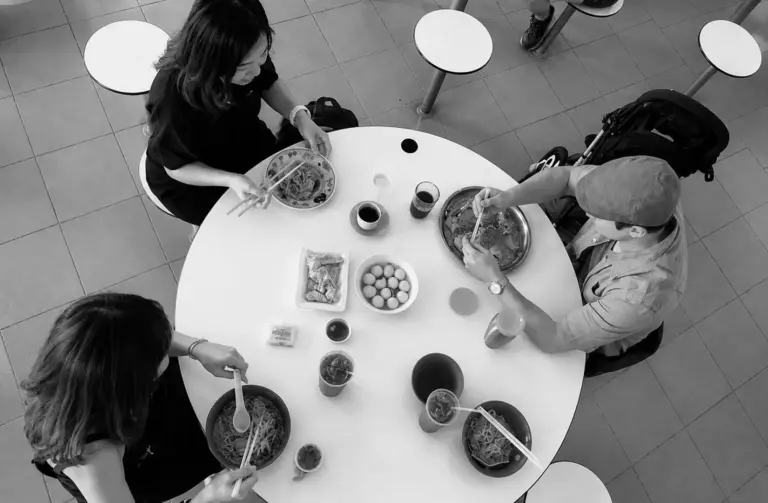
Yes, you’ll share. Communal dining is normal, and during busy periods you’ll often sit with people you’ve never met.
If a table has free seats and no chope items, just ask: “Excuse me, is this seat taken?” Nearly everyone will nod you in. You don’t need to make conversation. People mostly eat, mind their own business, and leave. It’s comfortable in its own quiet way.
Watch Out For the Wrong Queue at Hawker Centres
Some popular hawker stalls run two lines: one to order, one to collect. I’ve stood patiently in a “queue” before only to realize it was the collection line and the actual ordering happened elsewhere.
So before you commit, glance at where people are paying versus where they’re waiting for food. A few seconds of looking saves ten minutes of standing in the wrong spot.
Best Hawker Centres to Visit in Singapore
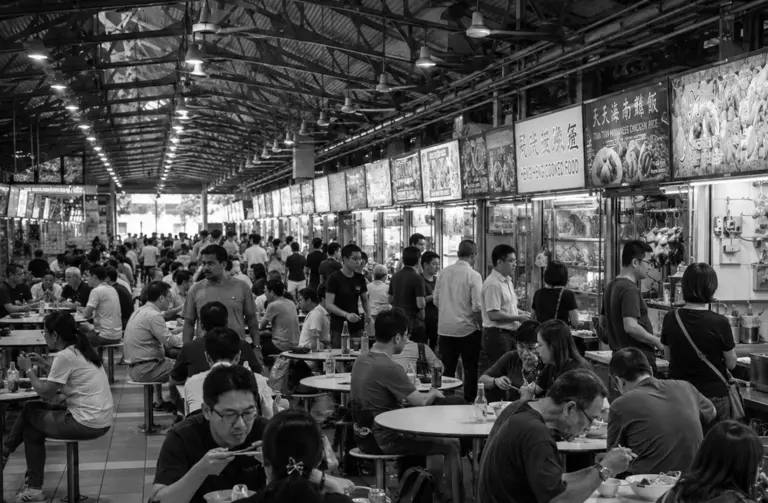
Singapore boasts over 100 hawker centres, each offering a unique taste of the city’s vibrant food culture. For first-timers, Maxwell Food Centre is a must-visit, famous for its legendary stalls like Tian Tian Hainanese Chicken Rice. Chinatown Complex Food Centre, the largest with more than 700 stalls, offers an incredible variety of local foods in a bustling market food centre setting.
For a more authentic local experience, Old Airport Road Food Centre has a long history and is loved for its traditional dishes and legendary stalls. Newton Food Centre, located near Orchard Road, is popular for its BBQ seafood and chilli crab, making it a great spot for a lively evening. Tekka Centre in Little India is perfect for those craving South Indian cuisine and a vibrant wet market atmosphere.
Each of these hawker centres showcases the rich multicultural flavors that define Singapore’s hawker culture. To learn an indepth review of these hawker centres, be sure to visit Food Reporters SG to discover more about must-try hawker centres.
What It Actually Costs to Eat at Singapore Hawker Centres
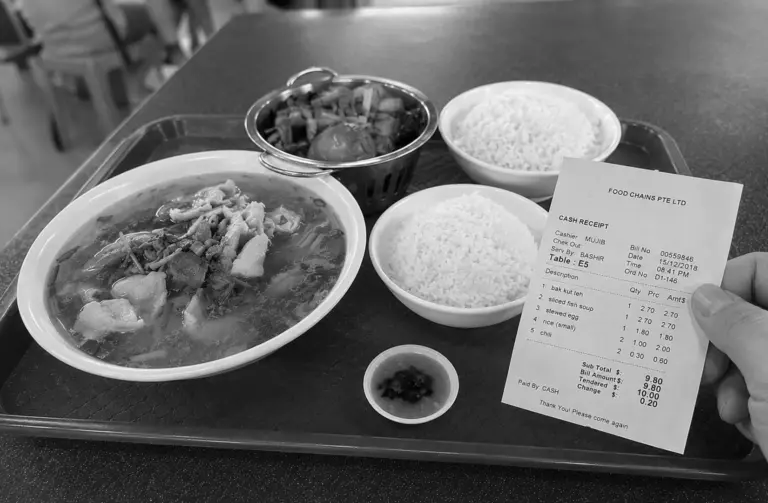
This is the part I love about hawker food. It’s genuinely affordable, and the value is hard to beat anywhere in this city.
Here’s a rough guide so you know what to expect:
Breakfast
Kaya toast set: S$3.50 to S$6
Roti prata: S$2 to S$5
Kopi: S$1.50 to S$2.50
Lunch and dinner
Chicken rice: S$4 to S$8
Laksa or prawn mee noodle soup: S$4 to S$7
Char kway teow or egg noodles: S$5 to S$8
Satay (especially from Satay Street at Lau Pa Sat): S$6 to S$12
For most meals, you’ll spend somewhere between S$5 and S$15 per person. A budget meal sits around S$5 to S$8. That’s the quiet magic of it: a proper, satisfying meal for the price of a single cafe coffee.
When to Visit Singapore Hawker Centres (and When to Brace Yourself)
Timing changes everything.
The calmest windows I’d suggest are breakfast around 7:00am to 9:00am, an early lunch before 11:45am, or an early dinner around 5:00pm to 6:00pm. You’ll get seats, shorter queues, and a more relaxed pace.
What I’d avoid if you can: weekday lunch between 12:00pm and 1:30pm, and weekend brunch from roughly 10:00am to 1:00pm. Places like Maxwell Food Centre, Tiong Bahru Market, and Chinatown Complex get properly packed, and the seat hunt becomes a sport.
The One Rule That Covers Everything at Singapore Hawker Centres
If you forget all of this, remember this single thing: watch what locals do, and follow their lead.
Respect the chope. Return your tray. Be patient with queues. Share the table. None of it is complicated once you’ve seen it in action, and people here are far more forgiving of an honest beginner than you’d expect. I got it wrong at nineteen and the uncle just waited. That’s the spirit of the place.
So go. Eat widely, sit with strangers, carry your tissues, and clear your tray when you’re done. The food is waiting, and it’s better than you think.
If this guide was useful and you’d like more honest writing about Singapore hawker centres and the small rituals that make it special, click here to read more over at Food Reporters SG.