
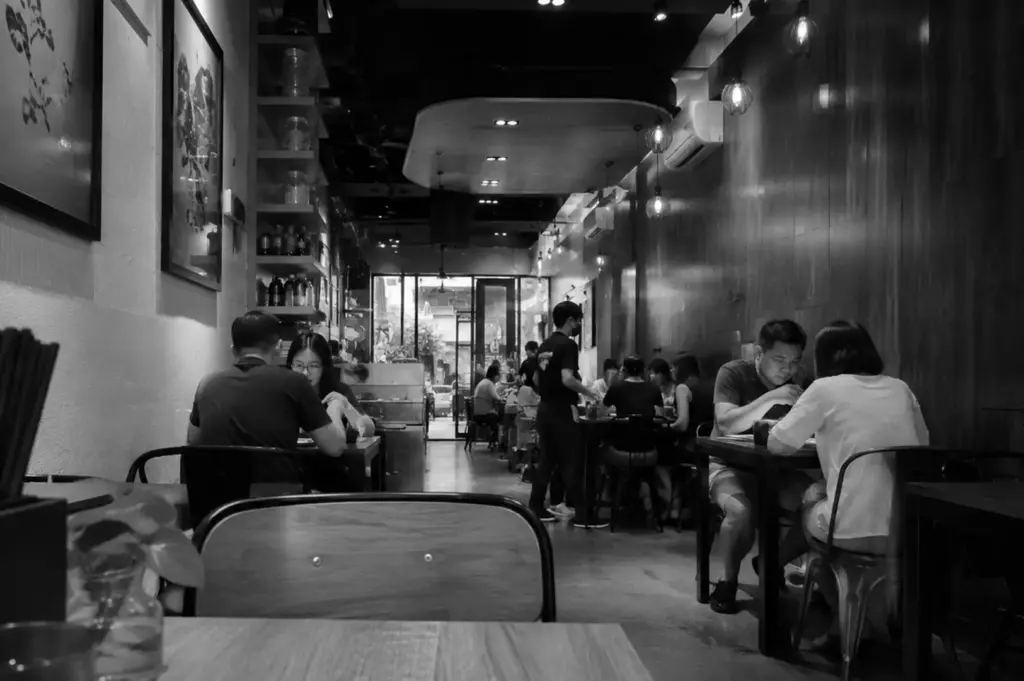
“Brunch is no longer just the meal between breakfast and lunch; it has become the way many of us choose to spend a slower part of the day.”
I used to think of brunch as a weekend treat, something planned only when there was time to spare. Today, it feels more like a regular part of Singapore’s dining rhythm. Cafes are no longer just places for coffee and cake. They have become meeting points, work corners, date spots, social media backdrops, and small escapes from the pace of the week.
What makes brunch interesting is how flexible it has become. It does not have the formality of dinner, and it does not carry the rushed feeling of breakfast. It sits comfortably in between, giving diners permission to order eggs at noon, pasta before 11am, coffee with dessert, or a full plate of pancakes when the day has barely started. In a city that often runs on schedule, brunch gives people a softer way to gather.
For cafes, brunch is also good business. A strong brunch menu can stretch the dining window from morning into late afternoon. It allows cafes to serve more than drinks, while still keeping the atmosphere casual. Dishes such as sourdough toast, big breakfasts, scrambled eggs, waffles, grain bowls, sandwiches, pastries, and specialty coffee are easy to understand, but they can still be adjusted to fit a cafe’s identity. Some lean Australian. Some feel Japanese or Korean-inspired. Others bring in local flavours through kaya, chilli crab, pandan, otah, or laksa-style elements.
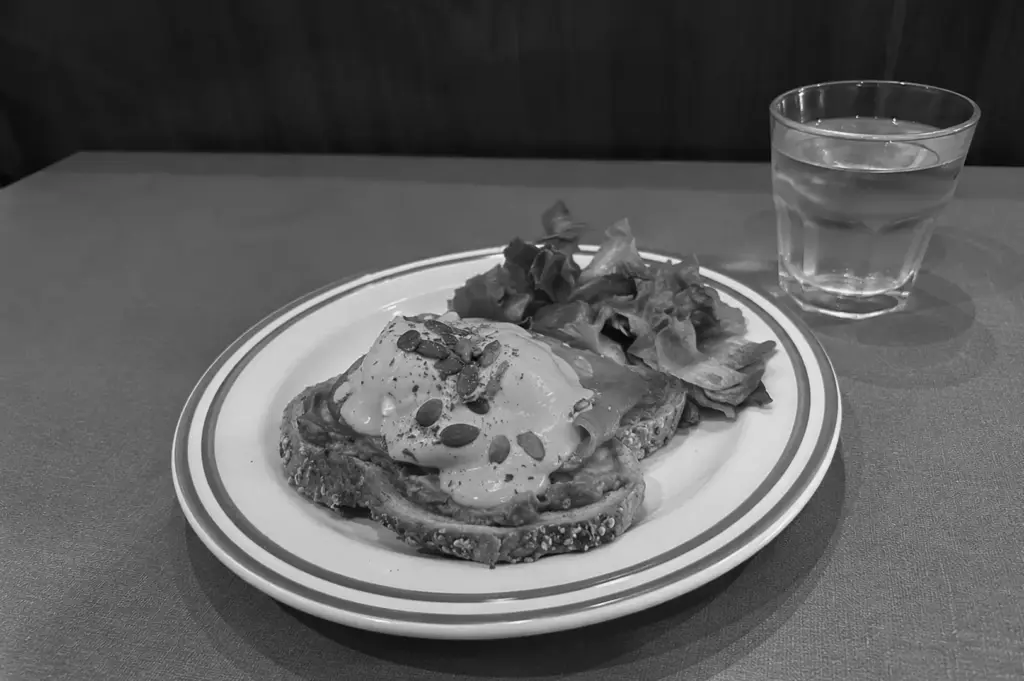
This is why brunch has become less about one meal and more about lifestyle positioning. Diners are not only paying for food. They are paying for time, comfort, space, and the feeling of being somewhere that fits their mood. A good cafe understands this. It knows that lighting, seating, service flow, music, plating, and even the shape of the coffee cup all affect how people remember the visit.
Social media has also changed the business of brunch. A well-lit plate travels quickly online, and many diners discover cafes through photos, short videos, and saved recommendations. This does not mean taste no longer matters. In fact, it matters more after the first visit. A cafe may gain attention because it looks good, but it earns regulars only when the coffee is consistent, the food is satisfying, and the experience feels worth repeating.
Still, cafe culture in Singapore is not without pressure. Rent is high, ingredients are not cheap, and diners are more careful with spending. When a simple brunch can cost more than a hawker meal several times over, cafes have to justify the price. The best ones do this by offering clarity; good produce, thoughtful menus, trained staff, and a space that feels considered rather than copied. The weaker ones rely too much on aesthetics and fade once the opening crowd moves on.
I think brunch continues to thrive because it answers a real need. Singaporeans work hard, move fast, and spend much of the week between obligations. A cafe gives us a small pause. It is accessible, familiar, and easy to arrange. You do not need a celebration to go for brunch. Sometimes, wanting a decent coffee and a quiet table is reason enough.
The business of brunch works because it sells more than food. It sells a version of time that feels unhurried, even in a city that rarely slows down.
Click here to visit Food Reporters SG for more stories on Singapore’s cafe culture, dining trends, and the places worth making time for.