
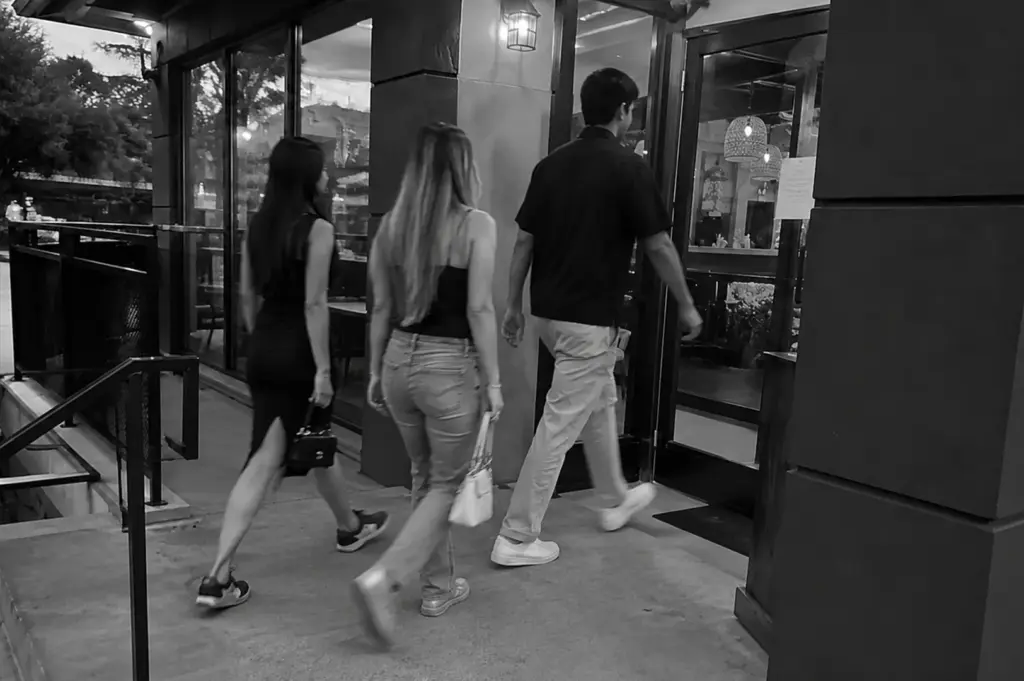
“Sometimes, the hardest table to get is not the best one; it is simply the one everyone tried to book first.”
There was a time when dinner plans in Singapore could be made by walking around a neighbourhood and seeing what looked good. We could turn a corner, spot a busy restaurant, check the menu at the door, and decide on the spot. That kind of dining still exists, especially in hawker centres, casual eateries, and older neighbourhood restaurants. But for many popular cafes, bistros, omakase counters, private dining rooms, and weekend brunch spots, the walk-in is starting to feel less like a habit and more like a risk.
Online reservations have changed the way we eat. Today, diners often check booking platforms before checking their calendars properly. We look for available time slots, table sizes, dining durations, deposits, cancellation rules, and credit card guarantees. A restaurant visit now begins before we leave home. In some cases, it begins days or weeks earlier, when someone in the group sends a link and says, “Book first, decide later.”
For restaurants, this shift makes sense. Reservations help kitchens plan better, control seating, reduce uncertainty, and manage manpower. In a city where rent, ingredients, and labour remain expensive, empty tables are costly. A booking system gives operators more structure. It also helps restaurants collect information about dietary needs, special occasions, repeat customers, and peak demand. From the business side, the benefits are clear.
For diners, the benefit is also practical. A reservation removes the anxiety of showing up and being turned away. It is especially useful for celebrations, group meals, date nights, and restaurants with limited seating. Nobody wants to spend half the evening walking from one full dining room to another, especially in areas like Tanjong Pagar, Orchard, Keong Saik, Dempsey, or Marina Bay, where popular tables can disappear quickly.
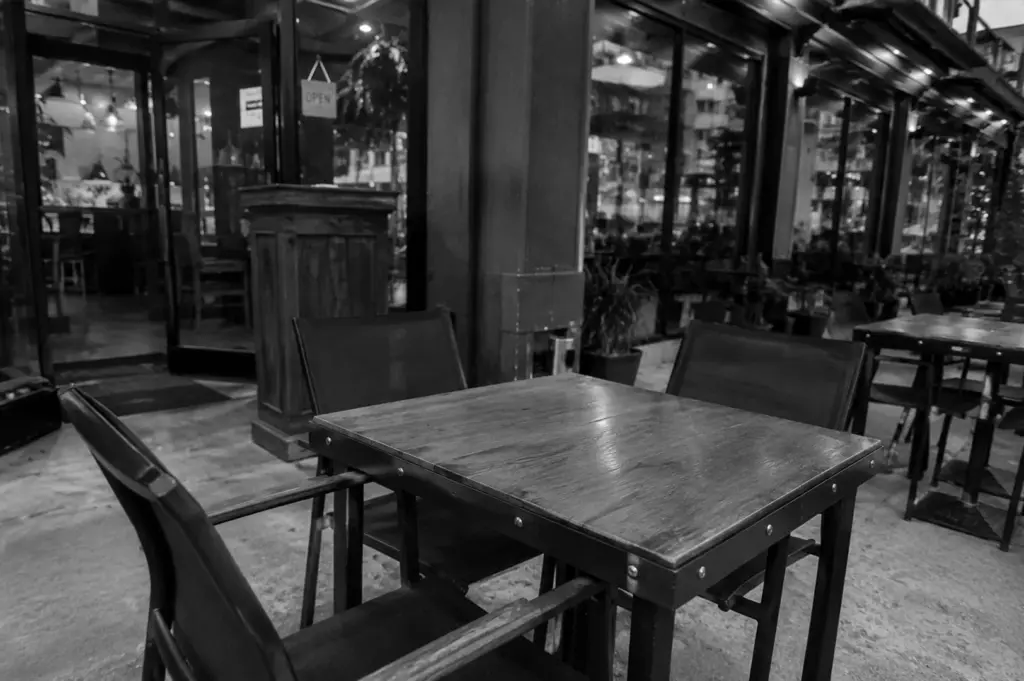
Still, something is lost when every meal needs planning. Walk-in dining has always carried a small sense of discovery. It allows diners to follow mood instead of schedule. It makes room for chance, for the quiet restaurant we did not expect to enjoy, for the late dinner after work, for the spontaneous meal that becomes a favourite. When every good table has to be secured online, dining starts to feel more controlled and less open.
There is also the issue of access. Reservation culture can favour those who know where to look, when slots open, and which platforms to use. Restaurants that become popular online may fill up quickly, while diners without flexible schedules are left with odd timings. The system is efficient, but it can also make eating out feel like another task to manage.
Singapore will probably not lose walk-in dining completely. Our food culture is too broad for that. Hawker centres, kopitiams, casual chains, mall eateries, and neighbourhood spots will continue to welcome diners without much planning. But for the more talked-about restaurants, walk-ins may become less reliable. The future seems to be a mixed one; reservations for the places we cannot risk missing, walk-ins for the meals that still allow us to be spontaneous.
For us, the best dining city should make room for both. Technology can improve convenience, but it should not remove the pleasure of deciding where to eat only when hunger arrives.
Click here to visit Food Reporters SG for more stories on Singapore’s dining culture, restaurant trends, and the habits shaping how we eat today.