
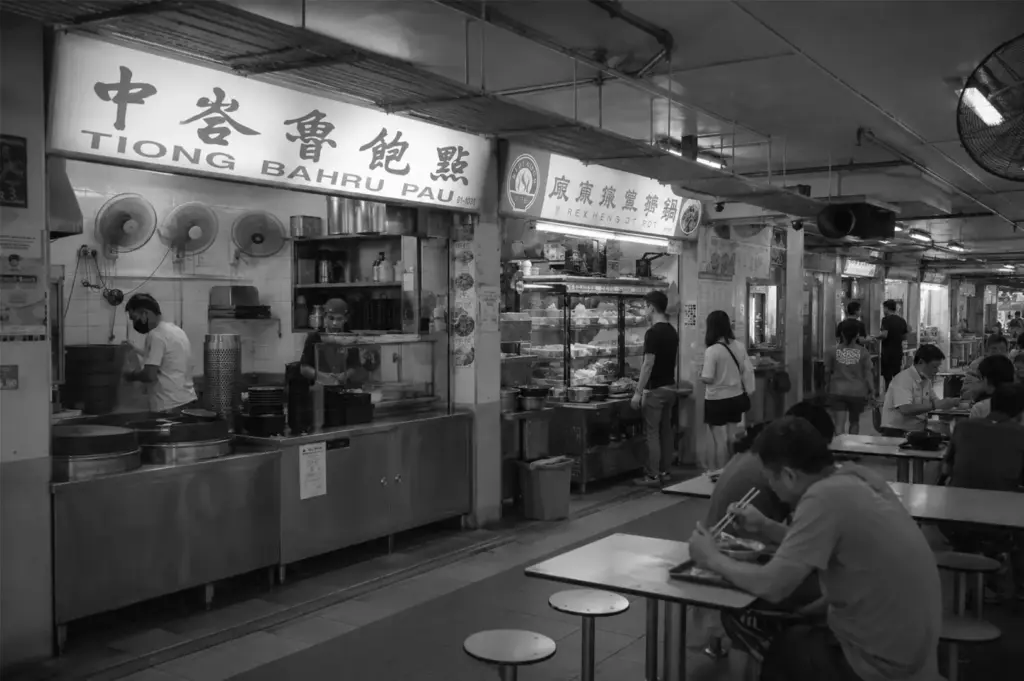
Singaporeans love hawker food, but we also love hawker food at a certain price. That is where the problem begins.
For years, we have treated hawker meals as the last dependable affordable option in the city. When restaurant prices climb, we go to the hawker centre. When cafe brunch feels too expensive, we go back to chicken rice, fishball noodles, nasi lemak, mee rebus, or economic rice. Hawker food has become our comfort, our routine, and in many ways, our price anchor.
But the cost of making that food has changed. Prices of Hawker foods has increased.
Ingredients are more expensive. Cooking oil, eggs, seafood, meat, rice, sauces, packaging, utilities, and transport all add up before the first plate is even served. Hawkers are not operating outside the economy. They face the same inflation, supply issues, and manpower pressure as other food businesses, but with one major difference; customers often expect them to absorb the increase.
That expectation is unfair, even if it is understandable.
We know why diners react strongly when hawker prices go up. For many households, affordable meals matter. A 50-cent or S$1 increase may seem small to some, but for people eating out daily, it becomes noticeable. Hawker centres serve office workers, retirees, students, families, and lower-income diners. The affordability of local food is not just a lifestyle issue, it is part of daily survival for many people.
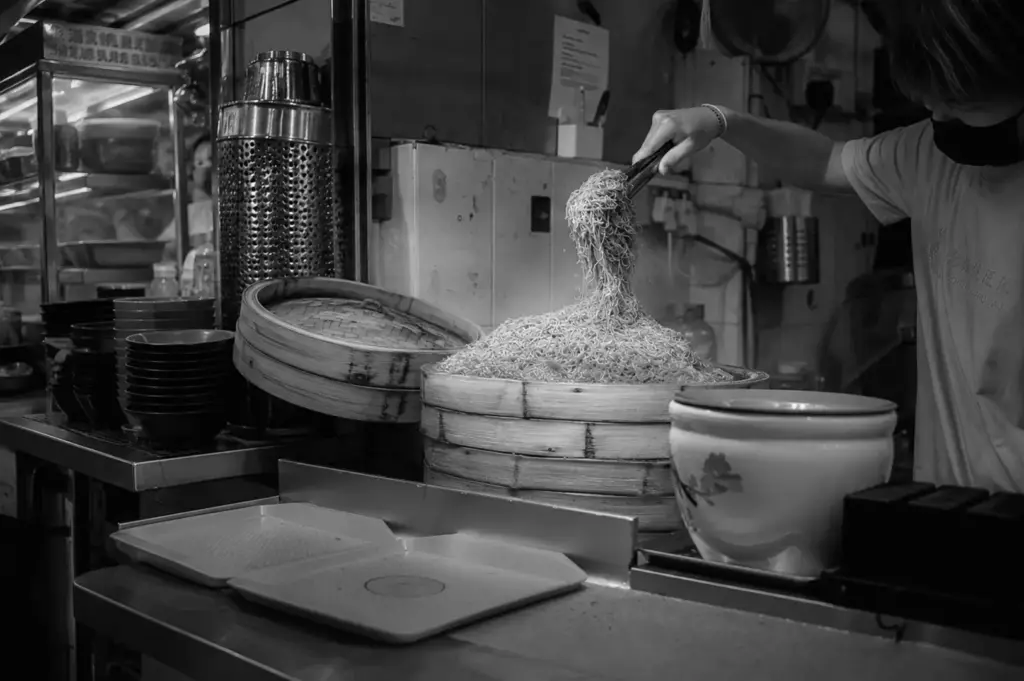
Still, we need to ask a harder question. If we want better ingredients, consistent portions, skilled cooking, and stalls that can survive for the next generation, are we willing to pay slightly more?
Too often, hawker food is judged by a different standard. We may pay S$7 for a coffee, S$18 for cafe eggs, or S$25 for pasta without much debate. But when a hawker raises noodles from S$4 to S$4.50, the reaction can be immediate. This says something about how we value labour. A hawker who wakes up before dawn, cooks for hours in heat, and repeats the same craft every day is still expected to keep prices low because hawker food has always been seen as cheap.
But cheap should not mean undervalued.
There is also a quality issue. Better hawker food often costs more to produce. A richer broth requires more ingredients and time. A better plate of char kway teow needs skill, heat control, and proper preparation. A good nasi lemak depends on rice, sambal, fried items, and freshness. If diners want shortcuts avoided, then the price must reflect some of that effort.
This does not mean every price increase is automatically justified. Hawkers still need to be fair, transparent, and consistent. Diners are willing to pay more when the food delivers. What people dislike is paying more for smaller portions, weaker taste, or careless cooking. The value must still be clear.
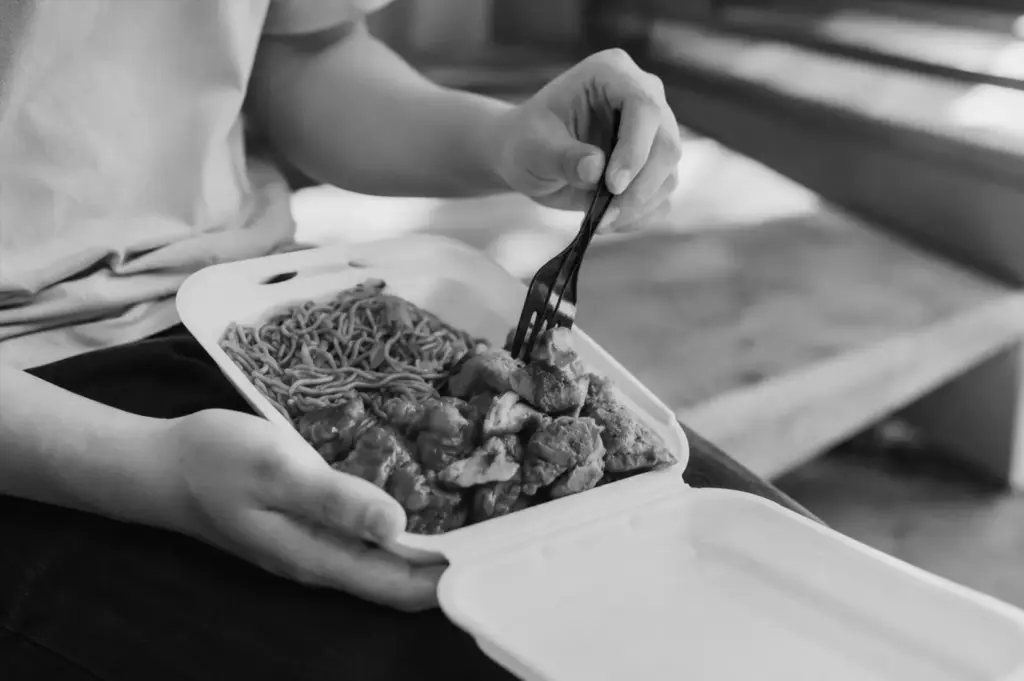
The future of hawker food depends on a better balance. Government support, fair rental systems, and operational help all matter. But customers also have a role. We cannot keep asking hawkers to preserve tradition, maintain quality, serve generous portions, and stay cheap forever.
At some point, supporting hawker culture means paying what the food is worth.
For us, the answer is simple. Singaporeans will pay more for better hawker food, but only if they understand what they are paying for. The challenge is changing the conversation from “why so expensive?” to “is this still good value?”
Because if we lose good hawkers over 50 cents, we may end up paying much more later for food that does not taste like home.
“A good hawker meal should stay accessible, but it should never be taken for granted.”
Visit Food Reporters SG for more stories on Singapore’s hawker culture, food trends, and the people keeping local flavours alive.