
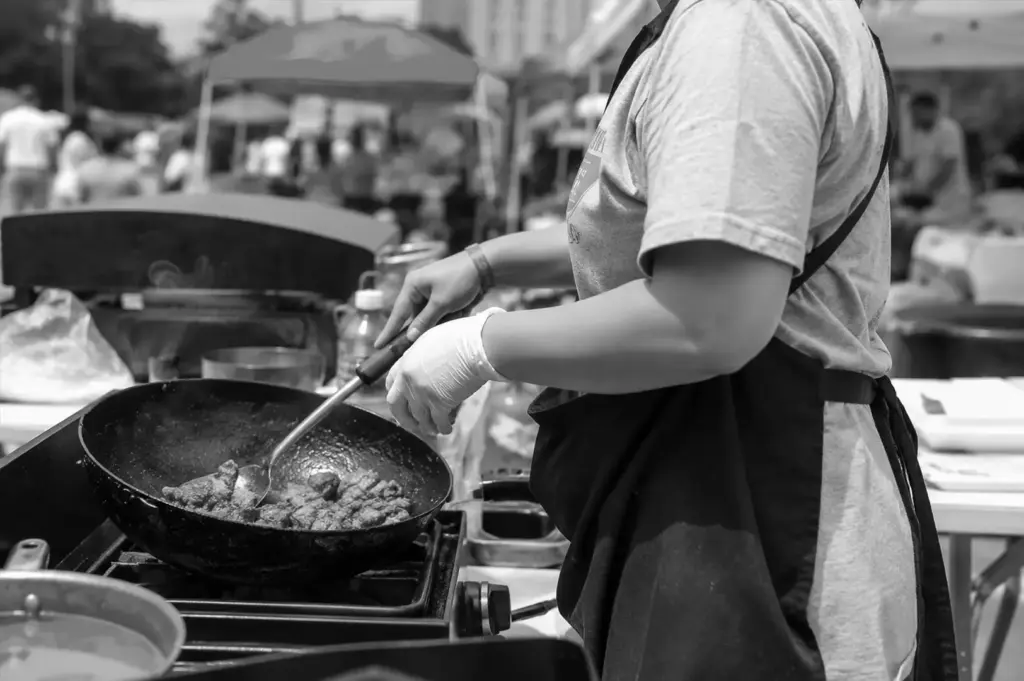
“Food may travel faster online, but it still tastes different when experienced in person.”
I used to think food festivals were the easiest way to discover what was new. You walked into a festival hall or outdoor event, followed the smell of grilled meat, watched queues form, and decided what to try based on instinct. Today, that process feels different. By the time a food event opens, many of its highlights may already be on social media. The vendors have been tagged, the menus have been posted, and the “must-try” items have been turned into short videos before most people even arrive.
That raises a fair question. Are food festivals still relevant when diners can discover new restaurants, hawker stalls, home-based brands, and viral snacks from their phones?
I think they are, but the role has changed. Food festivals are no longer just about discovery. They now have to offer something that social media cannot fully provide; a real-time, physical experience with food, people, and atmosphere in the same place. A post can show a burger being pulled apart or a dessert being torched, but it cannot recreate the decision-making, the waiting, the first bite, or the conversation with the person behind the stall.
This is where food festivals still matter. They give smaller food businesses a chance to meet diners directly. For new brands, pop-ups, and independent makers, a festival can work like a public test. They can see which items sell, what customers ask, how pricing is received, and whether the concept has enough pull beyond online attention. In a market like Singapore, where opening a permanent space is expensive, that kind of exposure has value.
For diners, festivals also lower the risk of trying something unfamiliar. Instead of committing to one full restaurant meal, people can sample several cuisines, snacks, drinks, and desserts in one visit. This matters when food trends move quickly. Regional dishes, fusion concepts, plant-based menus, craft beverages, artisanal bakes, and international street snacks can all appear side by side. A good festival makes curiosity easier.
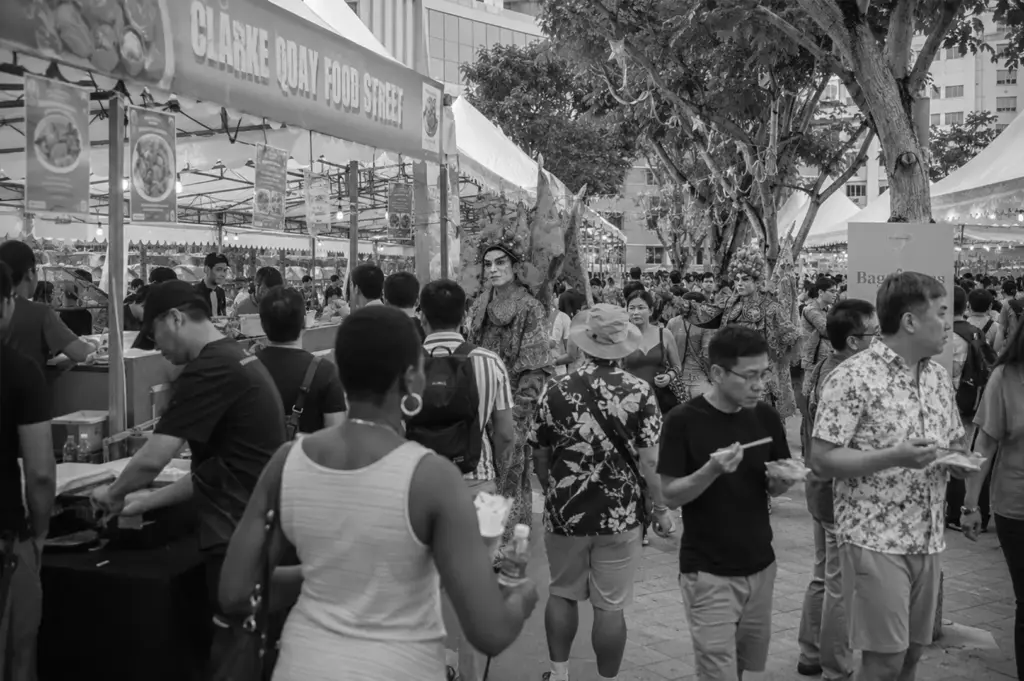
Still, not every food festival gets it right. Some events feel too crowded, too expensive, or too focused on aesthetics. Long queues, small portions, unclear pricing, and repetitive vendor lists can turn excitement into frustration. Diners are more informed now, and they can tell when an event is relying on hype rather than substance. If the same viral stalls appear everywhere without much thought, the festival begins to feel like a physical version of a social media feed.
That is the challenge. Food festivals must give people a reason to leave the screen. Strong curation matters. Good crowd control matters. Seating, shade, payment systems, and clear menus matter. So does variety. The best festivals are not just collections of popular names; they help diners understand what is happening in the food scene, from emerging cuisines to young hawkers, local producers, guest chefs, and experimental concepts.
Social media has made food discovery faster, but it has also made it flatter. Everything looks exciting for a few seconds. A food festival, when done well, brings back context. It lets diners taste, compare, ask questions, and form opinions without depending only on likes, captions, and algorithms.
So yes, I think food festivals are still relevant. But they cannot survive on novelty alone. They need to be organised with purpose, not just promotion. They need to remind diners that food is not only something to be seen; it is something to be experienced.
Visit Food Reporters SG for more stories on Singapore’s food events, dining trends, and the culinary experiences worth showing up for.