

“Trust on the plate begins long before the food reaches the table.”
I have noticed how often restaurant menus now use words that sound reassuring. Locally sourced. Sustainable. Premium. Responsibly raised. Farm-fresh. Ethical. Traceable. These phrases appear on menus, websites, reservation pages, and social media captions. They suggest care, quality, and responsibility, which is exactly what many diners want to hear. But the more common these claims become, the more I wonder whether restaurants are explaining enough.
In Singapore, this question matters because we are a city that depends heavily on imported food. Our seafood, vegetables, meat, dairy, grains, and dry goods often come from many different places before they reach a kitchen. At the same time, Singapore has been placing more emphasis on food resilience, sustainability, and local production. Diners are becoming more aware of these issues, even if they may not ask about them at every meal. If restaurants want to use sourcing as part of their identity, they should be prepared to explain what those words actually mean.

The problem is not that restaurants are making these claims. Many kitchens do put in real effort. Some work with local farms. Some choose specific fisheries, butchers, roasters, growers, or suppliers. Others reduce waste, avoid certain ingredients, or build menus around seasonal produce. These decisions can affect cost, flavour, consistency, and operations. They deserve to be recognised.
But vague language weakens trust. “Sustainable” can mean many things. Does it refer to farming methods, animal welfare, lower carbon impact, reduced packaging, responsible seafood, or simply a supplier’s branding? “Premium” may refer to quality, origin, price, or nothing very clear at all. “Locally sourced” sounds good, but diners may reasonably want to know whether that means grown in Singapore, supplied by a Singapore company, or simply purchased from a local distributor. Good sourcing language should inform diners, not decorate the menu.
I do not think every restaurant needs to turn its menu into a technical report. Diners do not want to read a supply chain document before ordering dinner. But simple transparency can go a long way. A short line naming the farm, region, supplier, or method can make a claim feel more credible. If a fish is from a local kelong, say so. If vegetables come from a Singapore farm, name it. If eggs are cage-free, explain the standard. If beef is grass-fed or responsibly raised, give the origin. These details help diners understand what they are paying for.
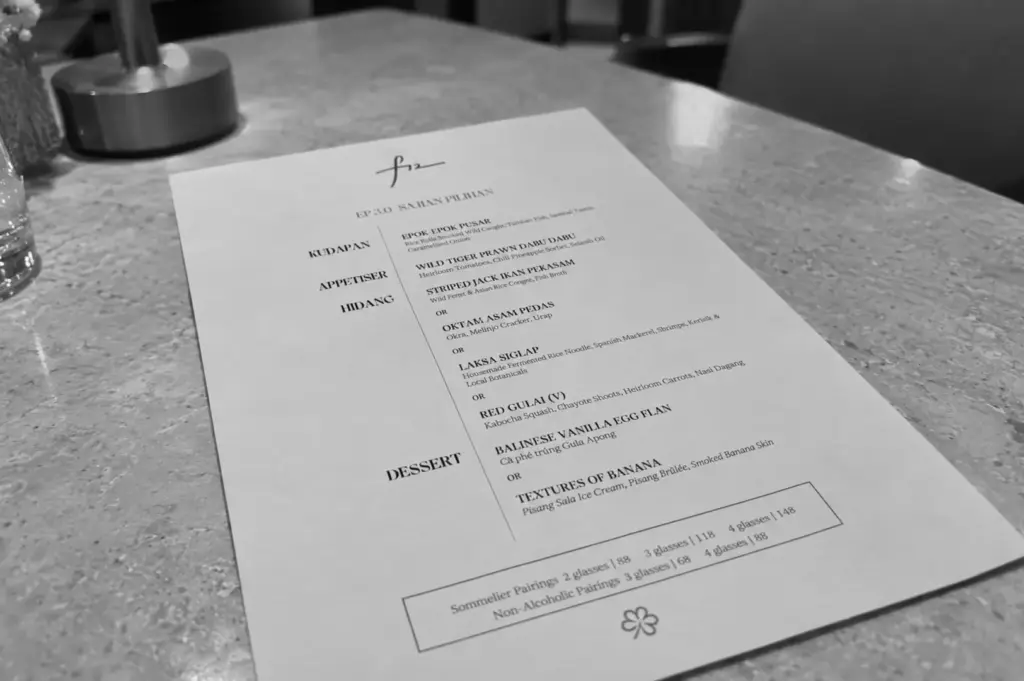
Transparency also protects restaurants. When prices are higher because ingredients are better sourced, customers are more likely to accept the cost if the reason is clear. A $28 salad or $42 fish dish becomes easier to understand when the menu explains the produce, source, and preparation honestly. Without that context, diners may see only the price.
There is also a wider cultural benefit. More transparent menus can help Singaporeans think more seriously about food systems. We often care deeply about taste, queue length, and value, but less about how food arrives here. That may need to change. As climate pressure, supply disruptions, and sustainability concerns become more visible, restaurants can play a role in making sourcing part of normal dining conversation.
Still, transparency must be handled carefully. It should not become another marketing performance. Diners can tell when a restaurant is using responsible-sounding words without substance. The strongest approach is direct and specific. Say what you know. Do not overclaim. Let the sourcing support the food rather than distract from it.
For me, the issue comes down to respect. If restaurants use sourcing to justify identity, price, or quality, diners deserve clarity. We do not need every detail, but we need enough to trust the claim.
Food should taste good, but in today’s dining scene, it should also tell the truth.
Visit Food Reporters SG by clicking here for more stories on Singapore’s dining culture, restaurant trends, and the conversations shaping how we eat.