
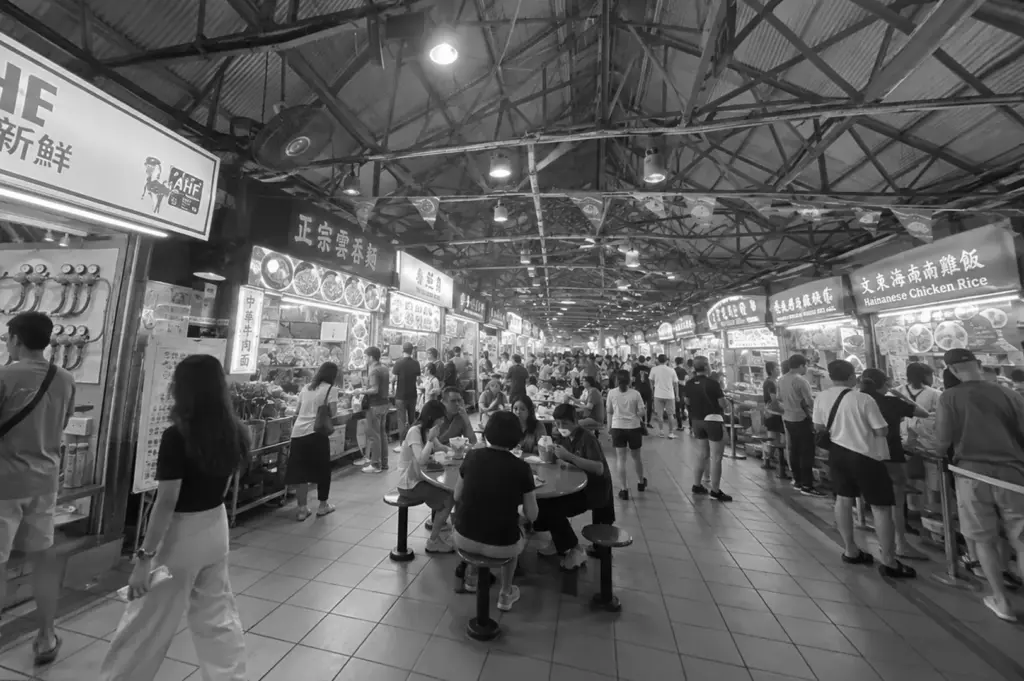
“A clean table is a small courtesy, but in a shared dining space, it becomes a public good.”
In Singapore, public dining spaces are part of everyday life. Hawker centres, coffeeshops, and food courts are where office workers grab lunch, families share weekend meals, tourists try local favourites, and regulars return to the stalls they have supported for years. These places work because they are shared. That also means they depend on shared responsibility.
So here is our simple reminder to Singaporeans and tourists alike; please return your trays, crockery, and used utensils after eating.
This is not just about following a rule. It is about basic dining etiquette. It is also mandated by NEA since 2021 to return used trays and clean tables. When we leave used bowls, plates, cups, tissues, bones, shells, and leftover food on the table, someone else has to deal with the mess before the next diner can sit down. In a busy hawker centre during lunch hour, one uncleared table can quickly become a problem. Seats become harder to find, cleaners are stretched further, and the whole dining space feels less pleasant for everyone.
Singapore’s return tray policy exists for a reason. Diners are expected to clear their tables at hawker centres, coffeeshops, and food courts by returning used trays and crockery to the designated return points. This includes clearing litter such as tissues, wet wipes, drink cups, straws, and food packaging. It may seem like a small act, but when thousands of people eat in these spaces every day, the impact adds up.
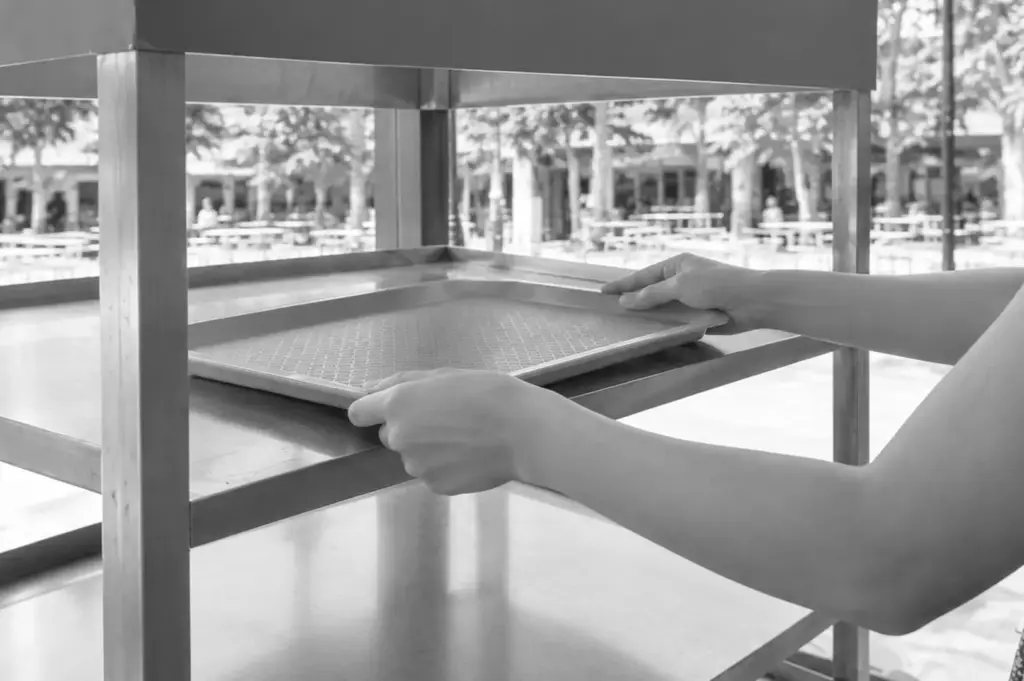
We understand that visitors may not always know the local practice immediately. In some countries, clearing the table is fully handled by staff. In Singapore, the system is different. Cleaners are still there, but their role is not to pick up after every diner from scratch. They help keep tables properly cleaned, sort trays, and manage return points. Diners doing their part makes the whole system faster, cleaner, and fairer.
For locals, this should already be second nature. Returning trays is not difficult. After finishing a meal, check the table, gather the crockery, place it neatly on the tray, and bring it to the correct return station. Halal and non-halal tray return areas may be separated, so it is worth paying attention to the signs. If there is leftover food or litter, dispose of it properly where instructed. It takes less than a minute, but it shows consideration.
This matters especially in a food culture like ours. Singapore’s hawker scene is something we are proud to share with the world. Tourists come here to eat chicken rice, laksa, satay, rojak, nasi lemak, char kway teow, and countless other dishes in public dining spaces that are open, affordable, and busy. Keeping those spaces clean is part of protecting the experience.
Returning a tray does not make anyone less of a customer. It makes us better users of a shared space. Good dining culture is not only about what is on the plate; it is also about how we leave the table for the next person.
Visit Food Reporter SG for more stories and reminders on Singapore’s food culture, dining habits, and the everyday practices that keep our public spaces better for everyone.