
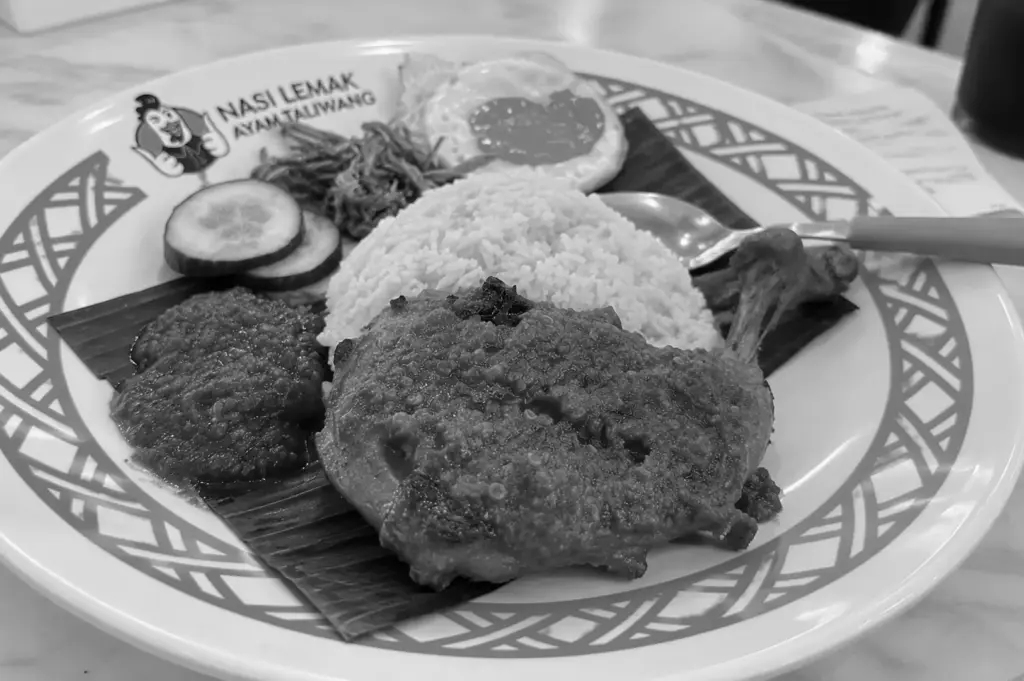
“A traditional breakfast is more than a morning meal; it is a small record of how Singapore used to begin the day.”
I have always felt that breakfast says a lot about how a city lives. In Singapore, the morning meal used to have its own rhythm. There was kaya toast with soft-boiled eggs, of course, but also chee cheong fun, chwee kueh, economy bee hoon, nasi lemak, peanut pancakes, mee siam, thosai, soon kueh, yam cake, steamed buns, and kopi served in thick cups. Some of these dishes are still easy to find, but others are becoming quieter in the background, especially when they depend on ageing stallholders and regulars who have been eating the same breakfast for decades.
Kaya toast remains visible because it has been successfully commercialised. Chains have made it convenient, consistent, and accessible across malls, transport hubs, and office districts. I do not see that as a bad thing. Kaya toast is part of our breakfast identity, and its survival shows how traditional food can adapt. But I worry about the breakfast items that do not fit so neatly into a modern business model. The stalls that open before sunrise, sell out by mid-morning, and rely on recipes that were never formally written down are much more vulnerable.
Work routines are one reason. Many people no longer have slow mornings at hawker centres or wet markets. Breakfast has become something to grab on the way to the office, order through an app, or replace with coffee. Hybrid work has changed foot traffic in some areas, while long commutes make convenience more important. A traditional breakfast that requires queuing, sitting down, or travelling to a specific neighbourhood can lose out to a bun, sandwich, or drink that fits easily into a rushed schedule.
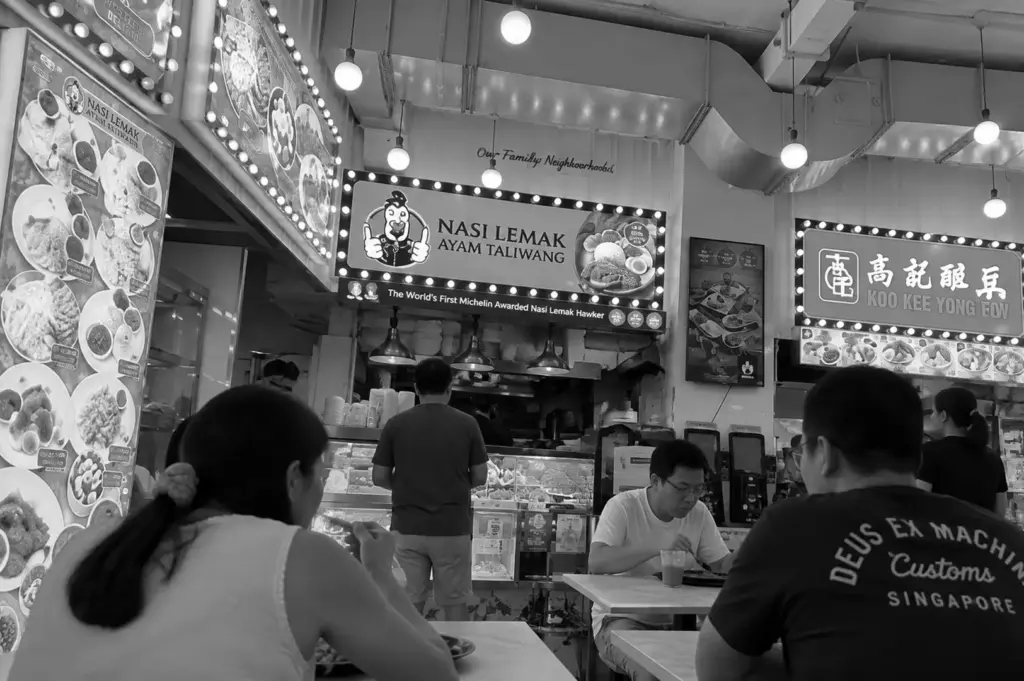
Redevelopment has also changed the landscape. Older estates, markets, and coffeeshops are not just buildings; they are ecosystems. When a familiar space is renovated, relocated, or replaced, the breakfast crowd may not return in the same way. A stall can survive on food, but it also needs routine. If regulars move away or the new location changes the flow of morning customers, the business becomes harder to sustain.
Then there is the issue of succession. Many old-school breakfast stalls are run by people who have spent most of their lives doing difficult work for modest returns. Their children may not want to take over, and I understand why. Waking before dawn, preparing by hand, standing for hours, and keeping prices affordable is not easy. When these operators retire, Singapore does not just lose a stall. We lose technique, timing, and memory.
Convenience culture is not the enemy, but it has changed our expectations. We want food that is fast, portable, and available at all hours. Traditional breakfast often follows a stricter rhythm. It appears early, depends on freshness, and disappears when sold out. That rhythm may feel inconvenient now, but it is also part of what makes the food meaningful.
For me, the quiet disappearance of traditional breakfasts is not about resisting change. Singapore’s food culture has always adapted. The concern is whether we are noticing what is fading before it is gone. It is easy to celebrate heritage after it becomes rare. It is harder, but more important, to support it while the stall is still open and the auntie or uncle is still cooking.
Visit Food Reporter SG for more stories on Singapore’s food heritage, dining culture, and the everyday meals worth remembering.