
The first time someone corrected me on this, I was mid-sentence.
I’d called a slice of salmon “sushi,” and a friend, gently, told me it wasn’t. It was sashimi. I nodded like I understood, but honestly, I didn’t. Not really. Not until I started paying closer attention to what was actually on the plate.
If you eat Japanese food in Singapore, you’ve probably blurred the two words too. We do it at conveyor-belt chains, at omakase counters, over supermarket trays grabbed on a tired evening, on delivery menus that list “salmon sashimi” and “salmon nigiri” a few lines apart. The terms sit so close together that we stop noticing the difference.
But the difference matters, and it’s simpler than you’d think. This is a sashimi guide for Singapore diners: what sashimi means, where it came from, the types worth knowing, how to eat sashimi, and how it differs from sushi.
Sashimi Guide: Understanding This Japanese Dish of Raw Fish
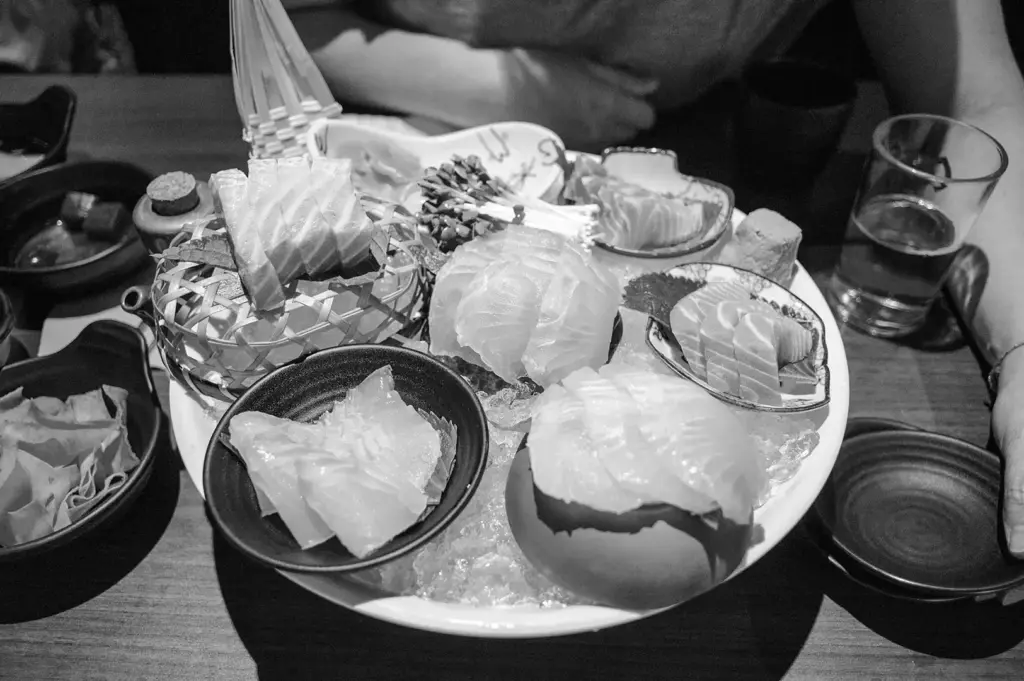
Sashimi, a celebrated Japanese dish, literally means “pierced body” in Japanese, referring historically to the practice of attaching the fish’s fin or tail to the sliced fish meat to identify the species. In the purest form, sashimi consists of carefully sliced raw fish or seafood, served raw without sushi rice or other ingredients. It is an art form where Japanese chefs slice meticulously thin slices or paper thin slices of fish meat to highlight the natural flavors and texture of fresh fish.
Unlike sushi, which is defined by seasoned, vinegared rice, sashimi focuses solely on the quality and cut of the raw fish sashimi or seafood served. This dish is typically served with dipping sauce options like soy sauce and wasabi, sometimes accompanied by pickled ginger and shredded daikon radish to cleanse the palate and enhance the experience.
Sashimi dishes showcase a variety of seafood beyond just fish—squid, surf clam, geoduck clam, red clam, sea urchin, and sweet shrimp are popularly served in Japanese restaurants. The thinly sliced fish meat is often sliced in different thicknesses depending on the species to bring out the best texture and flavor, whether it’s the meaty texture of horse mackerel or the buttery flavor of medium fatty tuna.
Raw Fish in Japanese Cuisine: The Foundation of Sashimi
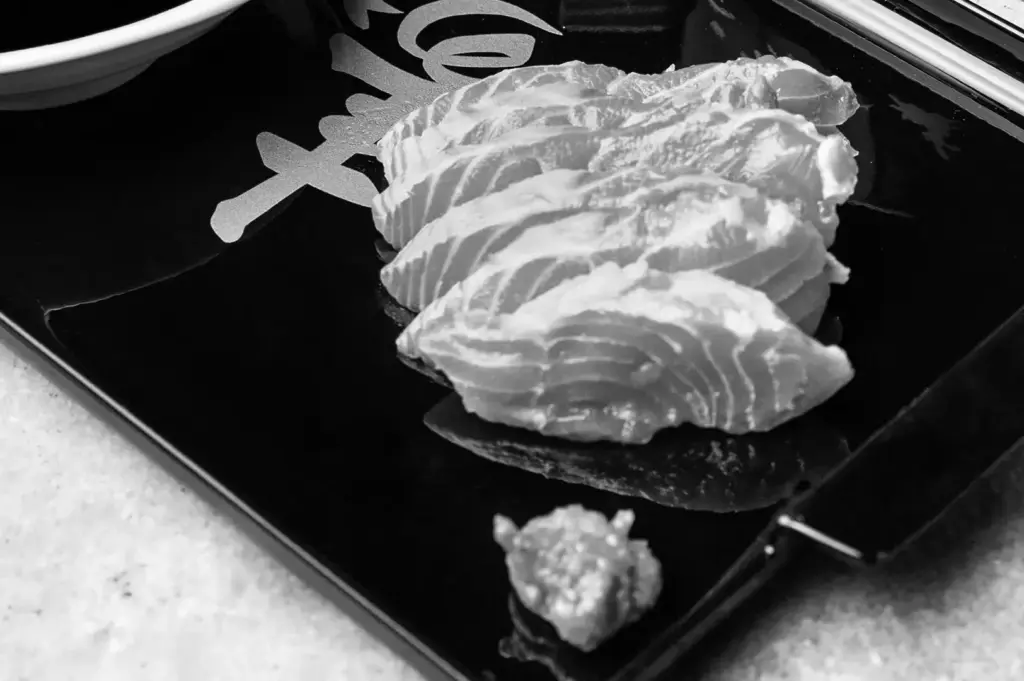
Raw fish is central to Japanese cuisine, and sashimi is one of the purest ways to enjoy it. The emphasis is on fresh fish, sliced meticulously to preserve its natural flavors and firm texture. The fish meat is typically sliced into thin strips or thin slices to maximize taste and mouthfeel. Different fish require different slicing techniques and thicknesses; for example, white fleshed fish like sea bass or sea bream are often sliced thinner than fatty fish like bluefin tuna.
Japanese chefs train for years to master the knife skills required to make sashimi, transforming raw fish into an elegant presentation. The fish must be of the highest quality, often labeled as sashimi-grade, ensuring safety for consumption raw and maintaining the best flavor profile.
How to Eat Sashimi: Tips for Enjoying This Raw Fish Dish
To truly enjoy sashimi, it’s important to understand how to eat sashimi properly. The first step is to appreciate the delicate balance of flavors and textures presented in each sashimi piece. Use chopsticks or fingers to pick up a sashimi piece, then lightly dip it into soy sauce. Avoid soaking the sashimi, as too much dipping sauce can overpower the natural flavors.
A small amount of wasabi can be placed directly on the sashimi piece to add a spicy kick. Between different types of sashimi, eat pickled ginger to cleanse your palate and prepare for the next bite. Shredded daikon radish and shiso leaves are often served alongside sashimi to add freshness and balance.
Eating sashimi in one bite is typically recommended to experience the full texture and flavor. The order in which you eat sashimi can also enhance your tasting experience—start with mild flavor fish like sea bass or squid, then progress to richer options like medium fatty tuna or horse mackerel.
Best Sashimi: How to Recognize Quality Raw Fish Sashimi

The best sashimi is made from fresh fish that is sashimi-grade, meaning it is safe to eat raw and has been handled with care to maintain freshness. Good sashimi should smell clean and not fishy, have vibrant color, and a firm texture that reflects the species. The slicing should be smooth and precise, with no ragged edges.
When served, the sashimi should be chilled but not icy, and arranged thoughtfully on the plate with appropriate garnishes. The natural flavors of the fish meat should shine through, complemented but not masked by dipping sauce or condiments.
Sashimi Versus Sushi: Understanding the Difference
Sashimi and sushi are often confused, but they are distinct Japanese dishes with important differences. Sashimi consists of thinly sliced raw seafood or other ingredients served without sushi rice. In contrast, sushi is defined by the presence of vinegared rice, which forms the base of the dish.
While sushi may include raw fish, it does not always do so. Varieties such as nigiri, maki, temaki, chirashi, and inari are all sushi because they use seasoned rice, regardless of whether raw fish is present. It is important to note that sashimi is not a type of sushi.
All raw fish is not sashimi, and all sushi is not raw fish. The easiest distinction between the two lies in the presence or absence of rice.
Feature | Sashimi | Sushi |
|---|---|---|
Vinegared rice | No | Yes |
Raw seafood | Usually | Optional |
Main emphasis | Ingredient and knife work | Balance between rice and toppings |
Serving style | Sliced pieces on a plate | Nigiri, rolls, bowls, pressed sushi, tofu pockets |
Common examples | Salmon, tuna, yellowtail, scallop | Nigiri, maki, temaki, chirashi, inari |
Discover where to experience the finest sushi in Singapore by exploring our comprehensive guide to the Best Sushi Singapore: From Conveyor Belt to Omakase Counter.
Popular Types of Sashimi to Try in Japanese Restaurants
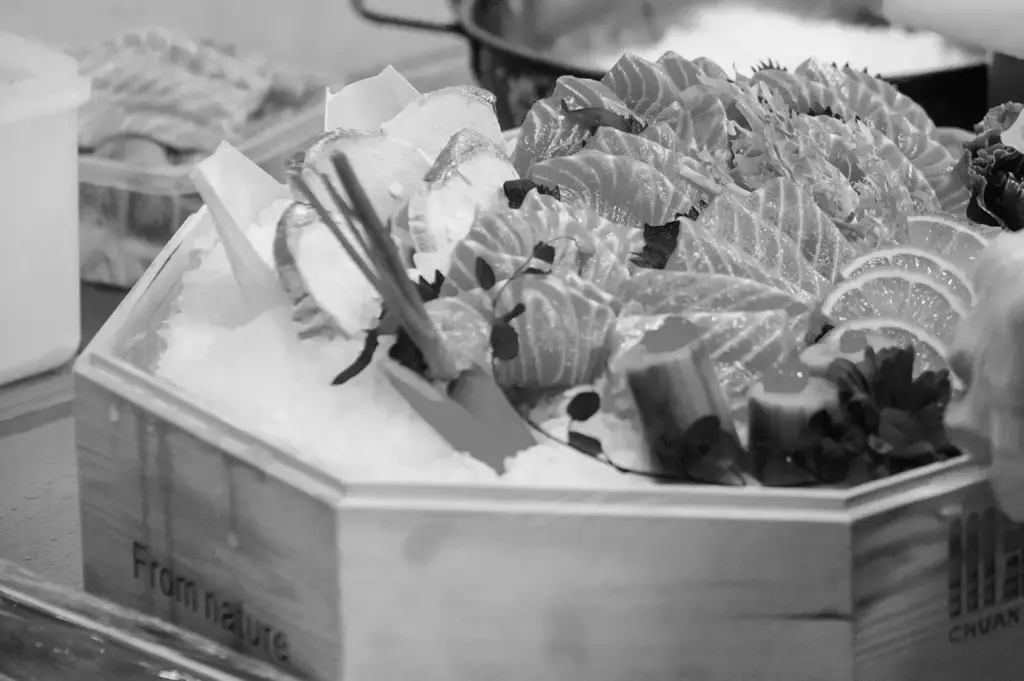
When dining at Japanese restaurants, some popular types of sashimi to try include bluefin tuna cuts (akami, chutoro, otoro), salmon, sea bream, horse mackerel, squid, sweet shrimp, and sea urchin. Each offers a different taste and texture profile—from the mild flavor of sea bream to the buttery flavor of medium fatty tuna. Here is a list of what to try out when trying Sashimi for the very first time:
Bluefin Tuna: The Crown Jewel of Sashimi
Among the many types of sashimi, bluefin tuna holds a special place. This prized fish is known for its rich flavor and is typically served in three main cuts: akami (lean red meat), chutoro (medium fatty tuna), and the highly coveted otoro (fatty belly), which boasts a buttery flavor that melts in the mouth. The different cuts of bluefin tuna offer a range of textures from firm and meaty to soft and luscious.
Bluefin tuna sashimi is typically served raw in thick, rectangular slices, showcasing its vibrant red color and marbling. It pairs beautifully with soy sauce and a dab of wasabi, allowing diners to enjoy sashimi in its purest form.
Salmon Sashimi: A Popular Choice with a Sweet Flavor
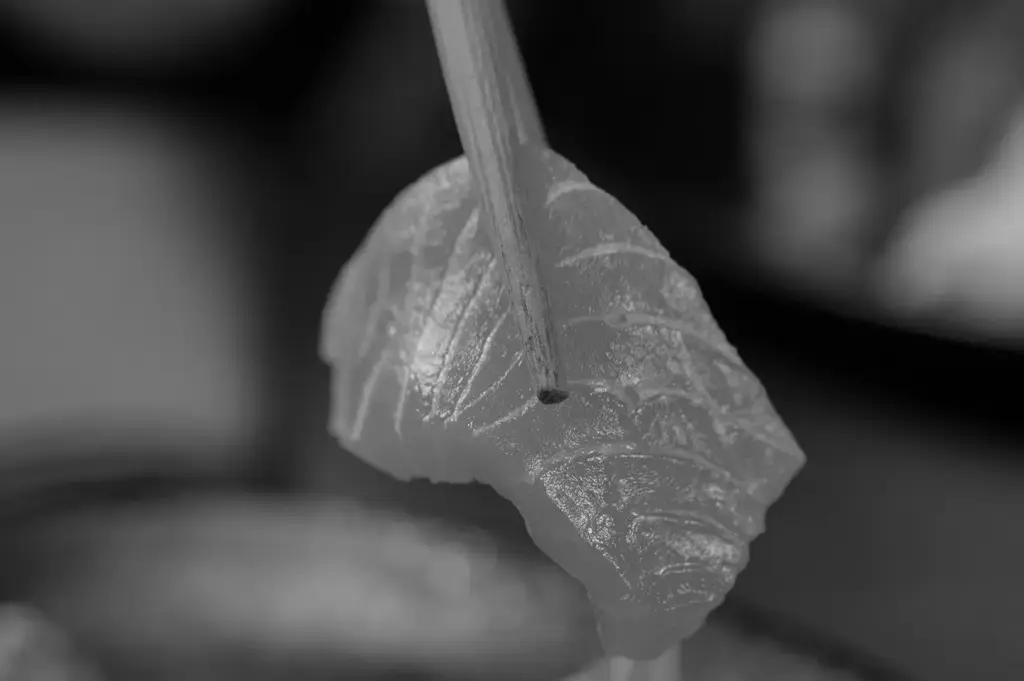
Salmon sashimi is one of the most beloved types of sashimi served in Japanese restaurants worldwide. Known for its bright orange color and tender texture, salmon offers a distinctive sweet flavor that appeals to both sashimi newcomers and seasoned enthusiasts. The flesh is fatty yet delicate, providing a melt-in-the-mouth experience that pairs beautifully with soy sauce and a touch of wasabi.
Salmon sashimi is typically sliced into smooth, even pieces that highlight its vibrant color and marbling. The buttery richness of salmon makes it a perfect balance to the sharpness of the accompanying condiments. In Japanese cuisine, salmon is often enjoyed raw not only for its taste but also for its nutritional benefits, including high-quality protein and omega-3 fatty acids.
Horse Mackerel and Other Seasonal Sashimi Delights
Horse mackerel is a popular sashimi fish in Japanese cuisine, known for its strong flavor and firm texture. It is often enjoyed with grated ginger and soy sauce to balance its boldness. Seasonal fish like horse mackerel and sea bream are typically served in early summer when their flavors are at their peak.
Other seasonal sashimi options include lightly seared katsuo (bonito), which adds a smoky dimension to the raw fish experience, and surf clam, which offers a sweet and meaty bite. These options highlight the seasonal variety and depth of sashimi dishes.
One Last Thought
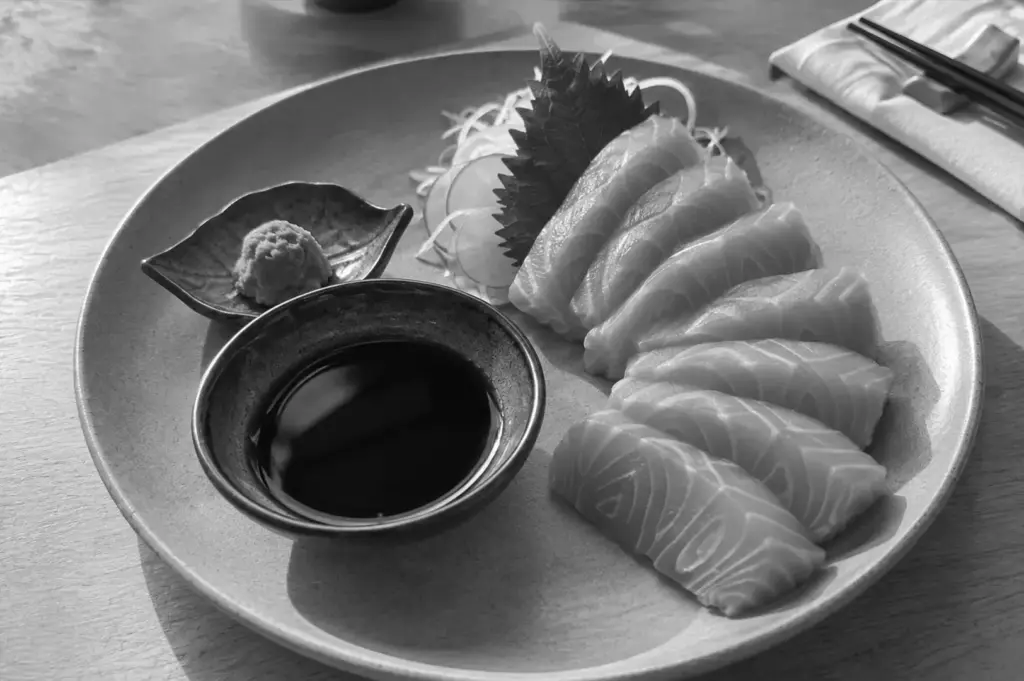
Sashimi is more than raw fish. It’s a quiet discipline built on ingredient, knife, texture, and restraint, and the difference from sushi always comes back to the rice.
You don’t need to memorise every term tonight. Start with salmon, scallop, tuna, and yellowtail, then wander toward the stronger flavours when you’re ready. The plate gets more interesting the more you notice.
Visit us today at Food Reporter SG and read about the best sashimi spots in Singapore, where freshness meets exquisite Japanese craftsmanship. Each slice is carefully prepared by skilled chefs using traditional Japanese slicing techniques to highlight the natural flavors and textures of the fish.