
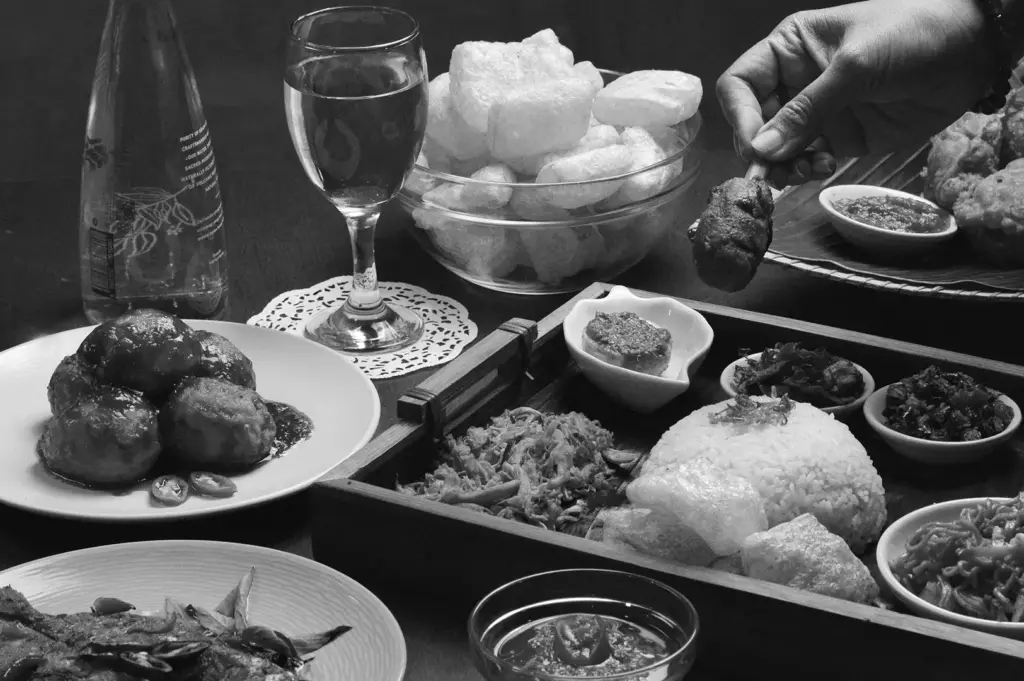
“Choice is attractive, but sometimes a good meal works better when the kitchen leads.”
I used to think set menus belonged mainly to fine dining. They were for tasting menus, omakase counters, anniversary dinners, or restaurants where the chef wanted full control of the evening. Today, that line feels less clear. In Singapore, set lunches, chef’s selections, fixed-course dinners, and smaller tasting formats are appearing across more types of restaurants. They are no longer limited to special occasion dining; they have become part of how restaurants manage business and how diners decide whether a meal feels worth the price.
The appeal for restaurants is practical. A set menu gives the kitchen more control over ingredients, preparation, pacing, and portioning. Instead of offering a large menu where some items move slowly and others sell out too quickly, a restaurant can plan around a tighter selection. That helps with cost control, especially when ingredients, rent, manpower, and utilities remain difficult to manage. If a kitchen knows roughly how many portions of each course it needs, it can buy more accurately, prep more efficiently, and reduce waste.
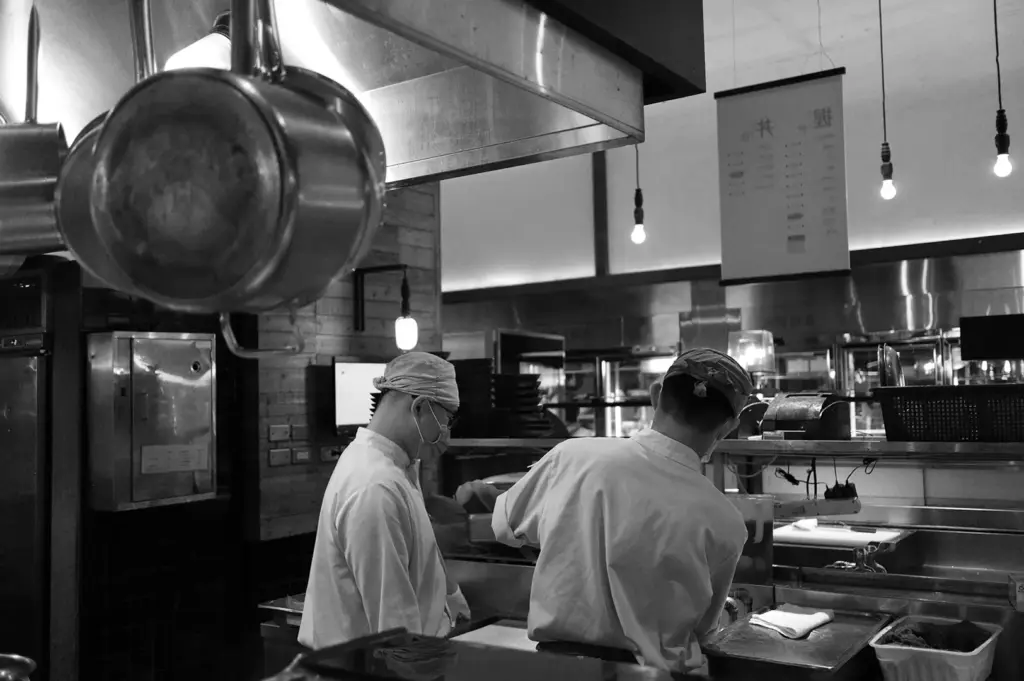
This matters in a city where F&B margins can be unforgiving. A large à la carte menu may look generous, but it can also create pressure behind the scenes. More ingredients need to be stocked. More prep work is required. More wastage can happen when demand is uneven. A set menu does not solve every problem, but it gives restaurants a clearer structure. For smaller kitchens, that structure can be the difference between consistency and chaos.
Diners also benefit when set menus are done well. A good set lunch can offer better value than ordering dish by dish. A chef’s menu can introduce the restaurant’s strongest ideas without forcing diners to study a long list. A tasting format can make the meal feel more complete, especially when the courses are paced properly. At its best, a set menu gives diners confidence; it says the restaurant knows what it wants to serve.
But there is a trade-off. Singapore diners are used to choice. We like adjusting spice levels, swapping sides, sharing dishes, ordering one more plate, or skipping what we do not feel like eating. A fixed menu can feel restrictive, especially for people with dietary needs, small appetites, or strong preferences. If a set menu offers little flexibility, diners may feel they are paying for the restaurant’s convenience more than their own enjoyment.
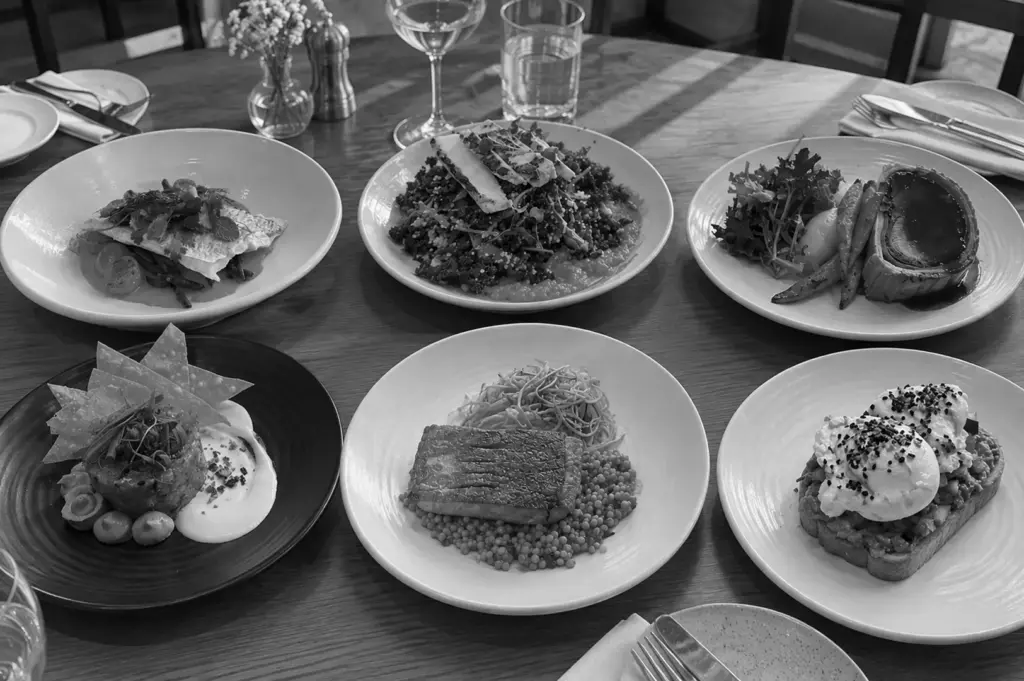
This is where restaurants need to be careful. A set menu should not feel like a shortcut. It should feel considered. The pricing must make sense, the portions must be fair, and the sequence should have a clear rhythm. If the menu is fixed only because it is easier for the kitchen, diners will notice. If it is fixed because the restaurant has chosen the best way to present its food, diners are more likely to accept it.
I also think set menus work best when restaurants leave a little room for choice. Two or three options for mains, optional add-ons, flexible dietary adjustments, or a shorter version for lunch can make the format more approachable. Not every diner wants a long meal. Not every table wants the same experience. The strongest restaurants understand that structure and hospitality should work together.
For me, the rise of set menus reflects the current reality of dining in Singapore. Restaurants need predictability. Diners still want value. Kitchens want to reduce waste. Customers want meals that feel purposeful. The set menu sits somewhere in the middle, offering control for operators and clarity for guests.
The question is not whether set menus limit freedom. Sometimes they do. The better question is whether they replace too much choice with enough trust.
Click here to visit our website for more stories on Singapore’s dining culture, restaurant trends, and the changing ways we eat.