
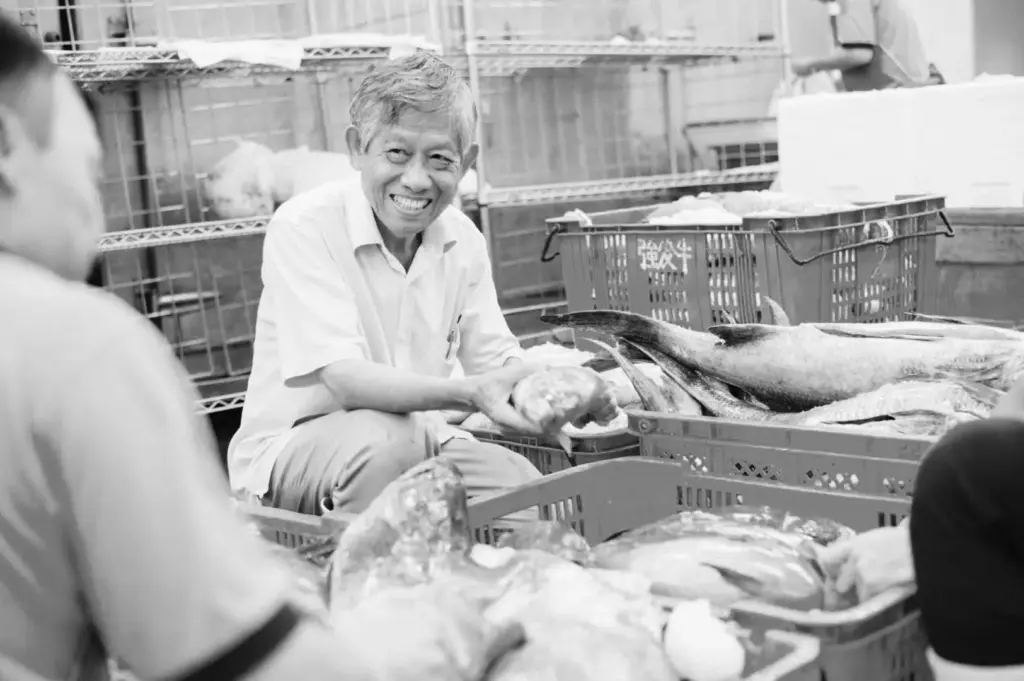
Before Hup Lok became a restaurant, there was already a connection to the sea. The story did not begin with a menu, a dining room, or a bowl of fish soup. It began with a family working with fish: buying, selling, and understanding seafood long before the idea of opening a restaurant took shape.
Located along Havelock Road, Hup Lok is a Teochew pomfret soup and seafood restaurant built around that history. The restaurant may be a new chapter, but the knowledge behind it stretches across three generations of a family involved in Singapore’s seafood trade.
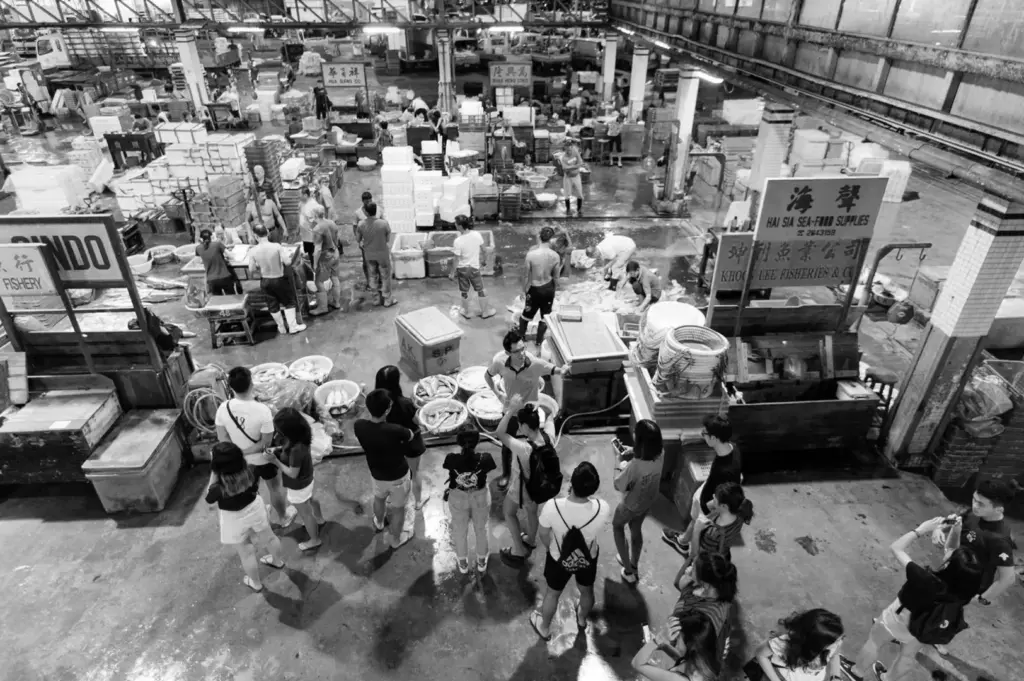
For founder, seafood was not a category discovered later in life. It was something that existed around him from the beginning. His father’s journey started with selling fish at River Valley before moving deeper into the seafood business, eventually becoming connected to Hai Sia Seafood at Jurong Fishery Port. Today, the family remains connected to the trade, continuing to buy fish at dawn.
Hup Lok is the result of that journey coming full circle.
Returning to Where It Started
The path towards Hup Lok was not a direct one. Before returning to seafood, the founder spent years building experience in other industries before entering entrepreneurship and eventually the F&B scene. His first restaurant venture explored a contemporary approach to seafood, bringing familiar ingredients into a more modern dining format.
That experience became an important chapter in understanding hospitality, operations, and what diners respond to. But it also shaped a different perspective on what he wanted the next restaurant to represent.
Hup Lok moved away from creating something elaborate and instead returned to something more familiar: seafood, soup, noodles, and rice dishes built around ingredients the family understood deeply.
The difference is that Hup Lok’s heritage is not presented simply as a story from the past. It appears through the restaurant’s daily operations: from seafood selection to preparation methods and the dishes served at the table.
The restaurant’s central idea is simple: A place that remembers the sea.
The Bowl That Carries Three Generations
The clearest expression of Hup Lok’s identity is Grandpa’s Pomfret Soup. Named in honour of the founder’s father, the dish represents the connection between family history and the food served today. It takes something familiar (Teochew fish soup) and places seafood knowledge at the centre of the bowl.
The first thing that catches attention is the broth.
Unlike versions that rely on milk to create a white appearance, Hup Lok’s soup gets its body from fish bones and collagen. The philosophy behind it is straightforward: the soup is white because the bones give everything.
The whole pomfret sits within the broth, highlighting the ingredient rather than hiding it. It reflects a style of cooking where understanding the fish itself matters as much as the final seasoning.
This is also where Hup Lok’s background becomes most visible. The restaurant’s connection to seafood begins before cooking; with knowing what to look for, how ingredients are handled, and why certain fish are chosen.
Seafood Knowledge Beyond the Kitchen
Many restaurants talk about fresh seafood. Hup Lok’s difference is that its relationship with fish comes from the buying side as well as the cooking side.
The family’s seafood background gives the restaurant a different perspective on ingredients. The focus is not only on how seafood is prepared, but also where it comes from, how it is selected, and the work required before it reaches the kitchen.
That approach extends across the menu.
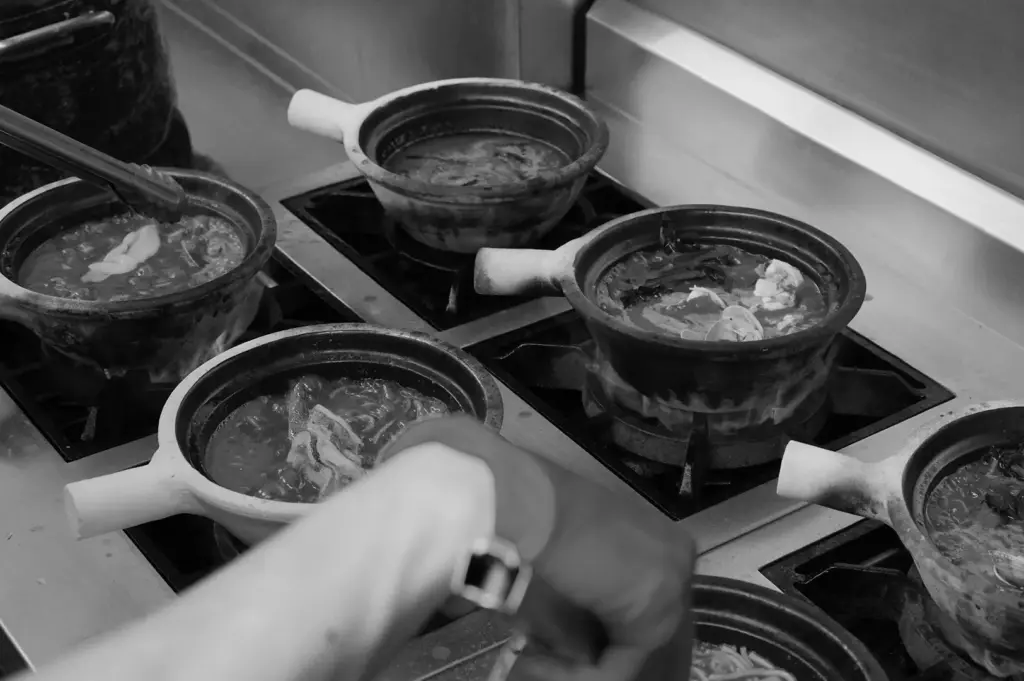
Beyond Grandpa’s Pomfret Soup, Hup Lok serves familiar seafood dishes including Signature Prawn Noodles, Claypot Hokkien Mee, Alaskan King Crab Bee Hoon, and Seafood Pao Fan.
At first glance, these are dishes many Singapore diners already know. That familiarity is intentional.
The restaurant is not trying to transform seafood into something unrecognisable. Instead, it focuses on showing how much work exists behind everyday food: from broth preparation to seafood selection.
Familiar Food, Serious Work
One of Hup Lok’s most interesting qualities is that its menu does not rely on novelty. The dishes are approachable. They are the kind of food many diners already understand. But behind those familiar flavours are years of seafood experience and preparation knowledge.
This reflects a broader shift in Singapore’s dining scene, where diners are increasingly interested not only in what they eat, but also in the story behind ingredients and the people responsible for bringing them to the table.
For Hup Lok, that story is not manufactured after the restaurant opened. It existed before the first bowl was served.
The restaurant represents a return, not simply to seafood as an ingredient, but to the trade, knowledge, and family history that shaped the founder’s understanding of it.
Final Verdict: A Seafood Restaurant Built Around Continuity
Hup Lok is not a restaurant built around nostalgia alone.
While its story begins with the previous generations who worked with fish, the restaurant’s purpose is not to recreate the past. Instead, it takes that knowledge and places it into food designed for everyday dining.
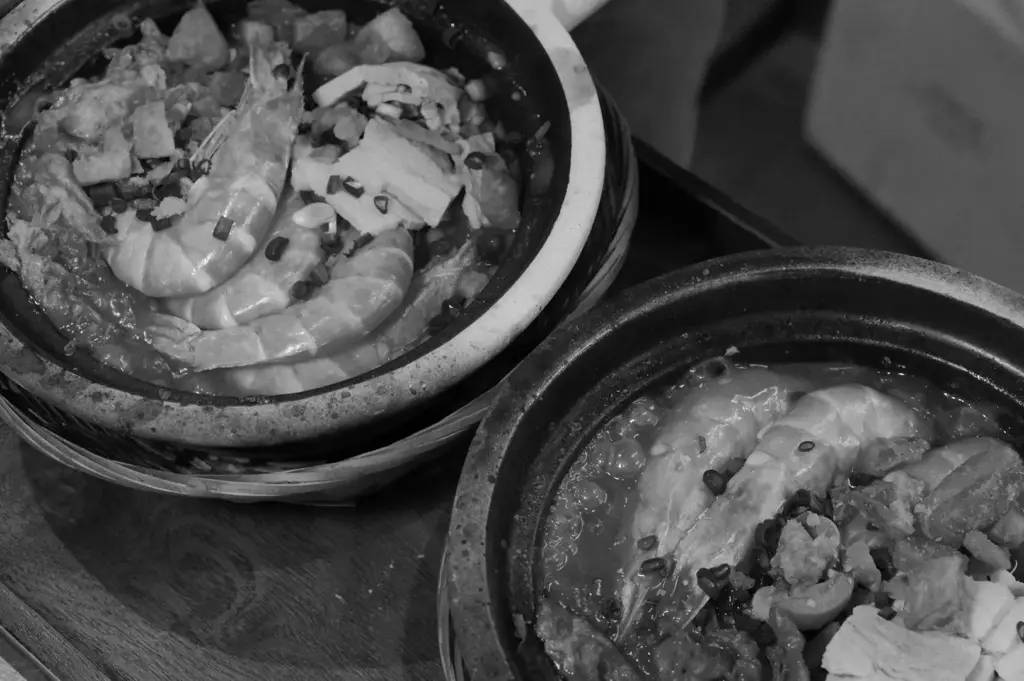
The result is a seafood restaurant where heritage is demonstrated through what reaches the table: a bowl of pomfret soup, a plate of noodles, or a claypot of rice.
The long way back to seafood has ultimately led Hup Lok to something simple. Not a restaurant trying to make seafood feel unfamiliar. But one built around understanding it. From the sea, to the market, to the kitchen, and finally to the bowl.