
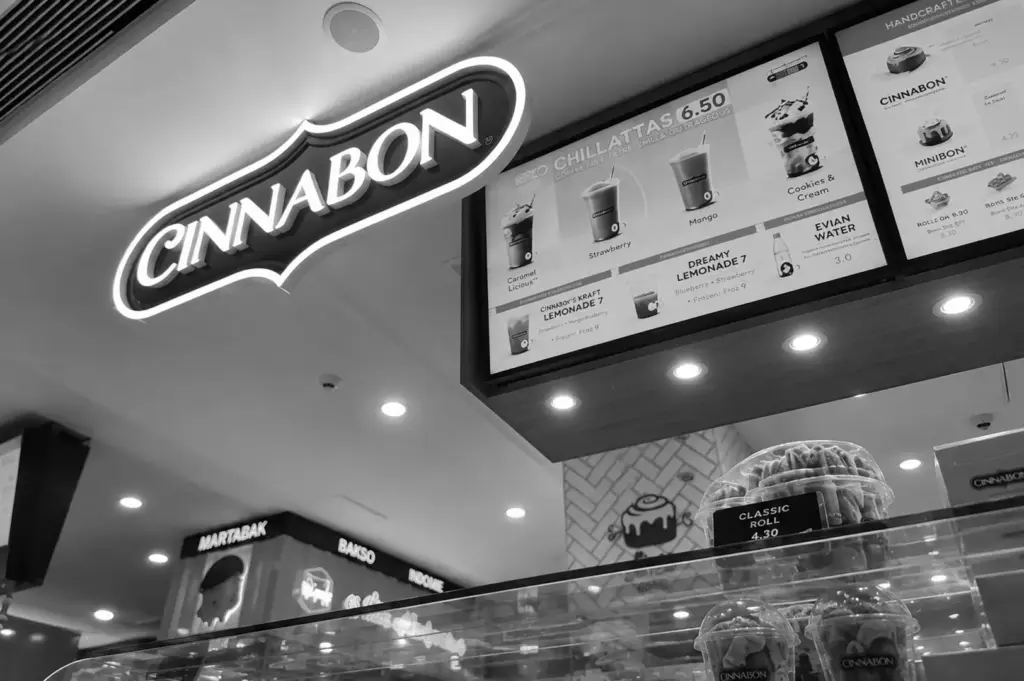
When a food brand closes, it is rarely only about the food. It is also about the version of ourselves that used to eat there.
I thought about this again after news that Cinnabon would be closing its last Singapore outlet at ION Orchard. On paper, it is a business closure. A brand enters the market, operates for a few years, then leaves when the numbers, strategy, or timing no longer work. Singapore’s F&B scene is used to this. Restaurants open and close quickly here. Trends arrive, queues form, leases end, and the next concept takes over the unit.
But diners do not always experience closures in such practical terms.
For many people, an imported chain can become part of local memory even if it is not a Singaporean brand. It may be where someone bought a treat after school, where a family stopped during weekend shopping, where friends met before a movie, or where a smell from the oven became associated with a particular mall. The brand may come from overseas, but the memory is made here. That is why its departure can feel more personal than expected.
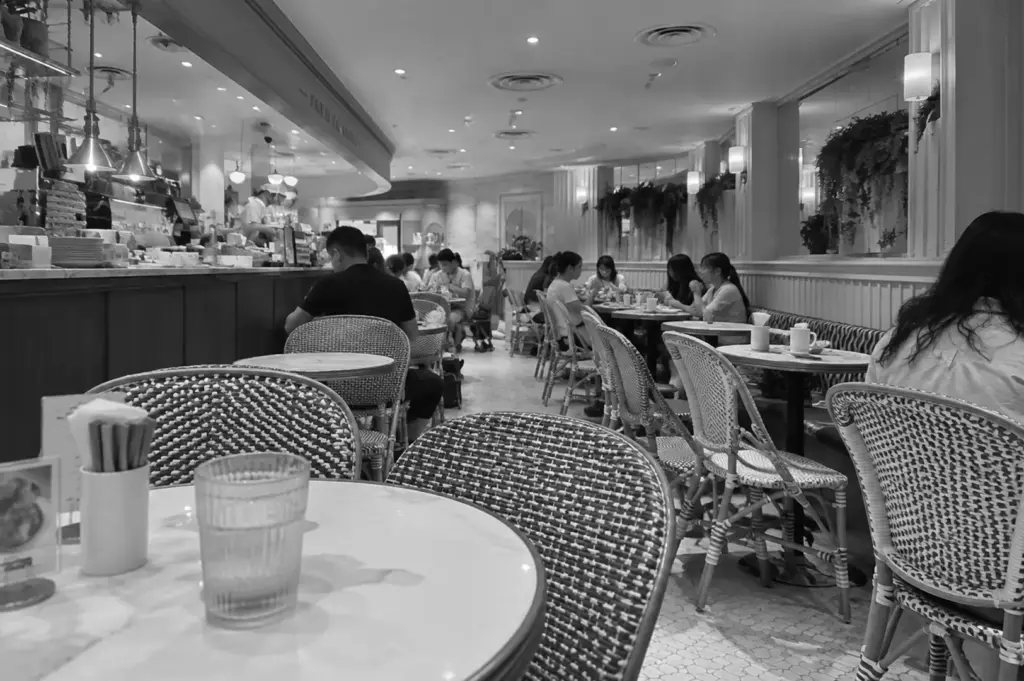
Singapore has always been open to global food brands. We like trying what arrives from abroad, especially if it carries a familiar name from travel, social media, or childhood. Sometimes, these brands succeed because the food is genuinely good. Sometimes, they succeed because they give diners access to something they have heard about for years. Either way, the first visit often feels like participation in a larger food moment.
Still, imported brands face a hard reality here. Singapore diners are curious, but we are also demanding. We compare prices, quality, location, service, and whether the experience justifies repeat visits. A brand can be famous overseas and still struggle locally if rent is high, demand softens, or the novelty fades. Hype may bring the opening crowd, but routine keeps a brand alive.
This is where closures become revealing. When a food brand leaves Singapore, we find out whether it was truly part of our lives or simply part of our curiosity. Some people rush back for one last order. Others post about how they forgot the brand was still around. Both reactions are honest. Food memory is uneven. A chain can mean a lot to one person and nothing to another.
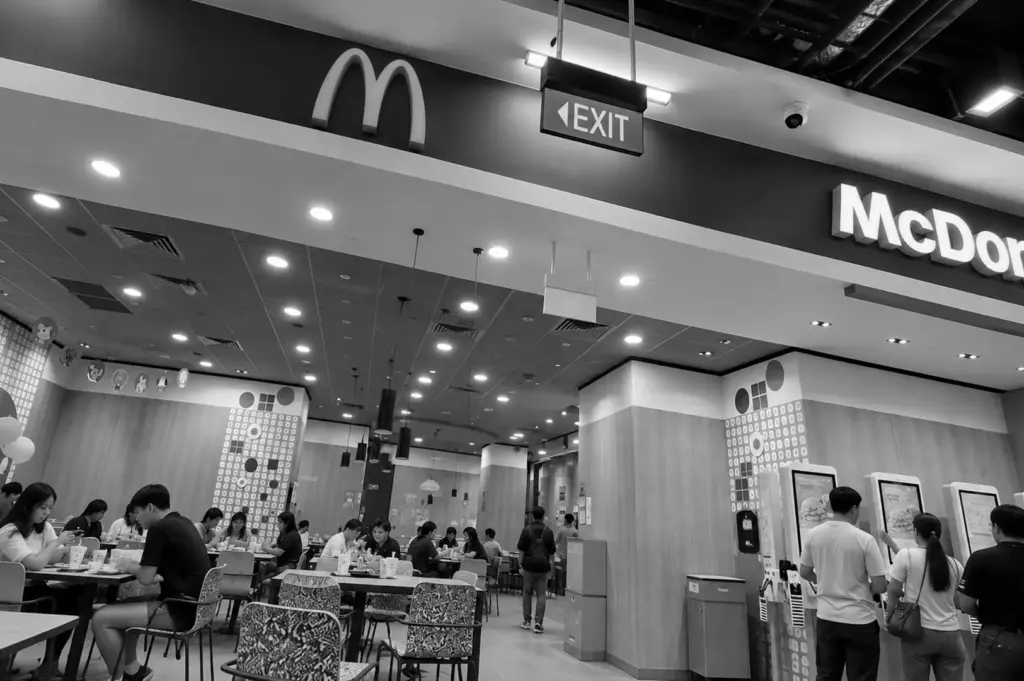
I also think closures make us confront how quickly Singapore changes. Malls refresh tenant mixes. Neighbourhoods redevelop. Food courts rotate vendors. International brands enter, exit, then sometimes return years later. We are used to movement, but that does not mean we are untouched by it. A closing outlet can remind us that the places we assume will stay available are often more temporary than we realise.
There is also a softer reason we care. Imported brands can become markers of time. They remind us of a phase, a friendship, a workplace, a school route, or a version of Orchard Road, City Hall, or Jewel that belonged to a certain period. The food itself may not be the best we have ever eaten, but it becomes attached to memory through repetition.
For me, that is why these closures matter. Not because every brand deserves to stay forever, but because dining is one of the ways we measure change. When a food brand leaves Singapore, it takes away more than a menu item. It takes away a small option in our routines, and sometimes that is enough to feel like a loss.
Click here to visit Food Reporter SG for more stories on Singapore’s dining scene, food memories, and the brands shaping how we eat.