
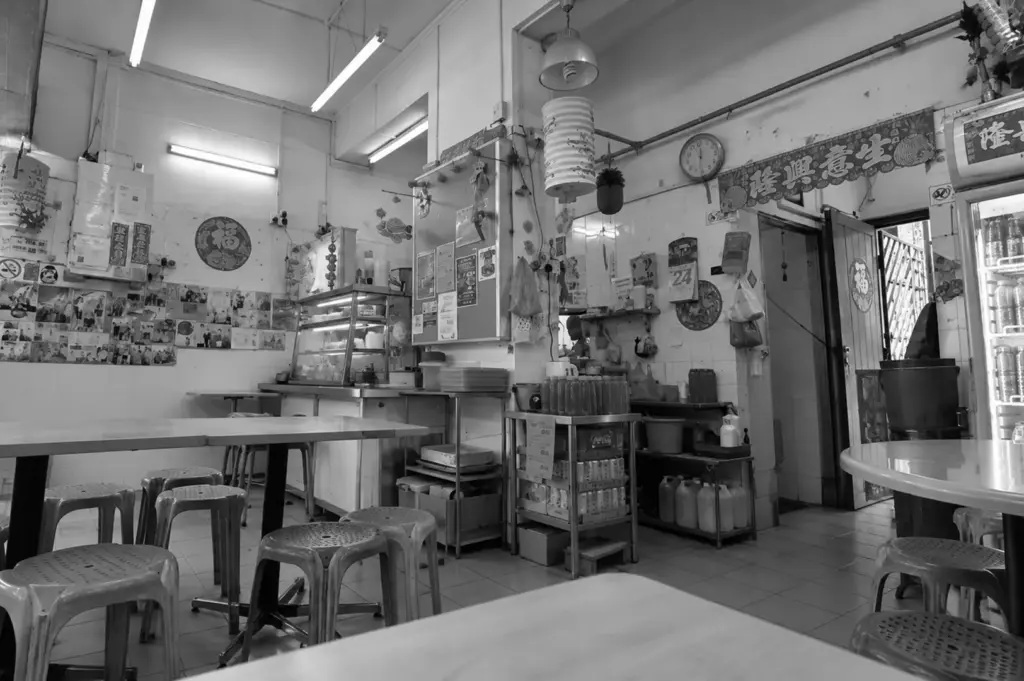
I used to think old-school food businesses survived mainly through regulars. The auntie who bought the same kueh every weekend, the office worker who knew exactly when the noodles would sell out, the family that returned to the same bakery before every celebration. That kind of loyalty still matters, but it may no longer be enough. Today, traditional stallholders are facing higher costs, ageing customers, fewer successors, and a younger crowd that often discovers food through a screen before they ever reach the shop.
This is where social media becomes useful. TikTok and Instagram can do something that old signboards and word of mouth sometimes cannot; they can make a quiet stall visible to people who would never have walked past it. A short video showing handmade soon kueh, old-school buttercream cakes, wok-fried noodles, traditional kopi, or a disappearing hawker dish can travel far in a day. Suddenly, a stall that depended only on neighbourhood traffic can attract students, office workers, food hunters, and younger diners willing to make the trip.
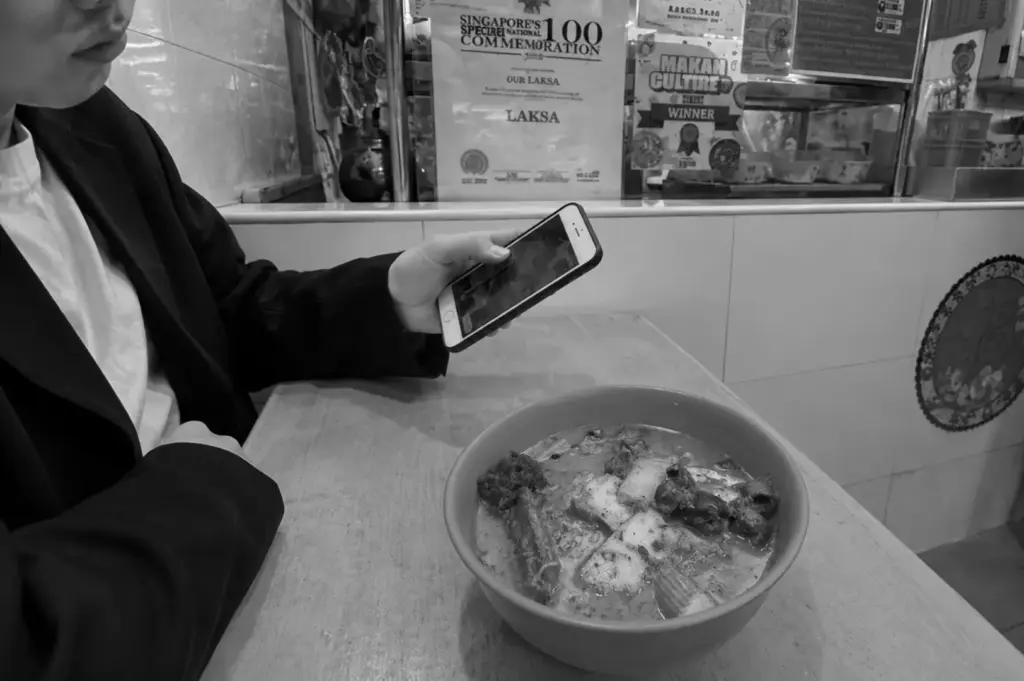
I do not think this is a small thing. For heritage food businesses, visibility can be the difference between being forgotten and being rediscovered. Many old-school stalls are not weak because their food lacks quality. They struggle because fewer people know they exist, or because their regular customers are ageing with them. Social media can introduce these businesses to a new audience without forcing them to open a branch, redesign the shop, or change the recipe completely.
But online attention is not the same as survival. A viral video may bring a queue for one weekend, but it does not guarantee steady business. Some diners come only once because the stall is trending. Others take photos, post their content, and move on to the next discovery. That kind of attention can be helpful, but it can also be unstable. If a heritage business is going to benefit from social media, the interest must become repeat visits, not just temporary curiosity.
There is also the issue of capacity. Many old-school operators are not built for sudden crowds. They may have small kitchens, limited manpower, and recipes that require time. When social media brings too many customers too quickly, the stall can become overwhelmed. Quality may drop, queues may become unmanageable, and the owners may face more stress than support. Digital visibility should help them, not punish them for being discovered.
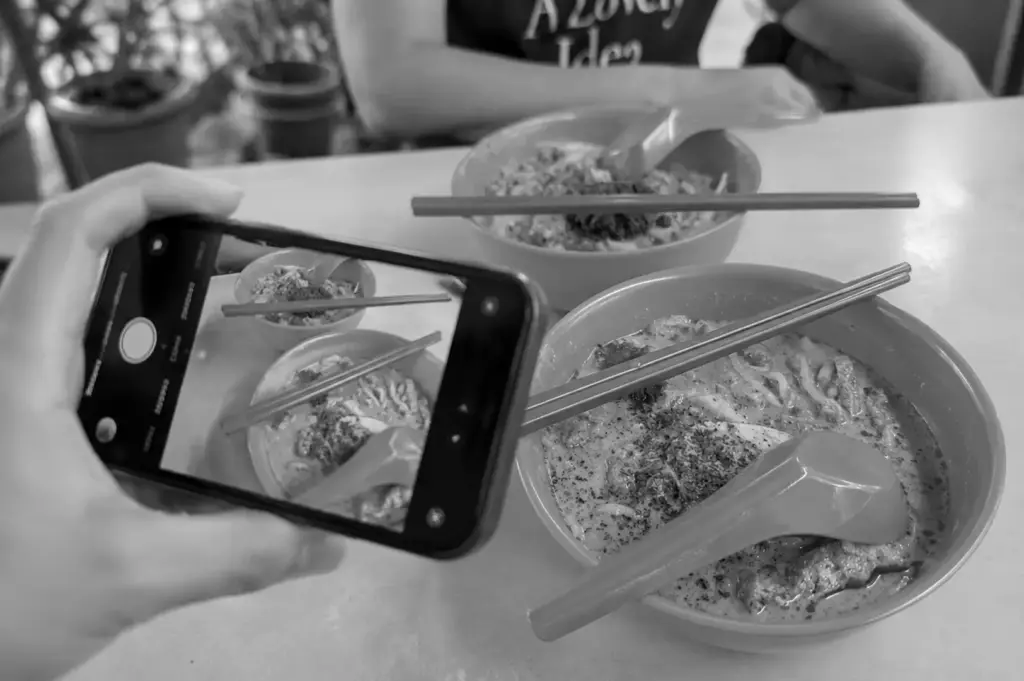
Still, I think social media has a role to play if it is used with care. Younger family members can help manage posts, update opening hours, explain pre-order systems, and tell the story behind the business. Food creators can also do better by sharing practical details, not just dramatic captions. Location, prices, operating days, best times to visit, and whether the stall can handle large crowds all matter. Good storytelling should bring customers responsibly, not just chase views.
For diners, the responsibility is simple. If we discover an old-school food business online, we should treat it with respect. Buy something. Be patient. Do not expect restaurant-level speed from a stall that has been run the same way for decades. Return if the food means something to us. Recommend it beyond one post.
Can social media save an old-school food business? Not by itself. It can open the door, but customers still have to walk through it, spend money, and come back. The real value of digital visibility is not making heritage food trendy for a week; it is helping more people understand why it should still be here years from now.
Click here to visit Food Reporter SG for more stories on Singapore’s heritage food, hawker culture, and the people keeping local flavours alive.