
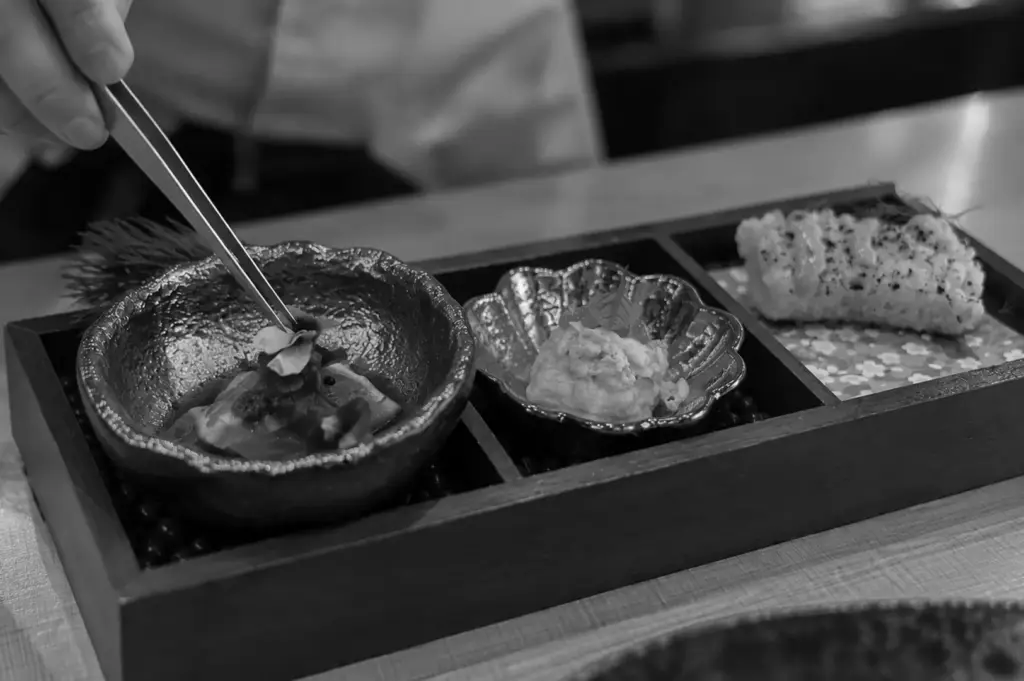
I used to think the natural dream for many chefs was a fine-dining restaurant. It made sense. Fine dining came with recognition, discipline, awards, tasting menus, and a certain kind of prestige. It was where technique could be shown clearly, where ingredients were treated with ceremony, and where a chef’s name could become part of a city’s dining conversation.
That still matters. Singapore’s fine-dining scene remains important, and the best restaurants continue to push the industry forward. But I have noticed a shift. More chefs are no longer treating white-tablecloth dining as the only serious path. They are moving into casual restaurants, bakeries, sandwich shops, private dining, hawker-inspired concepts, wine bars, neighbourhood bistros, and cafes with proper food. The work may look less formal, but it is not necessarily less ambitious.
Part of this comes from changing diner behaviour. Not everyone wants a long tasting menu, even when they appreciate good cooking. Many diners now prefer food that feels easier to return to. They want a good plate of pasta, a well-made pastry, a satisfying rice bowl, a thoughtful set lunch, or a casual dinner that does not require planning weeks ahead. For chefs, this creates an opportunity. Skill does not have to appear only in expensive formats; it can show up in food people actually eat more often.
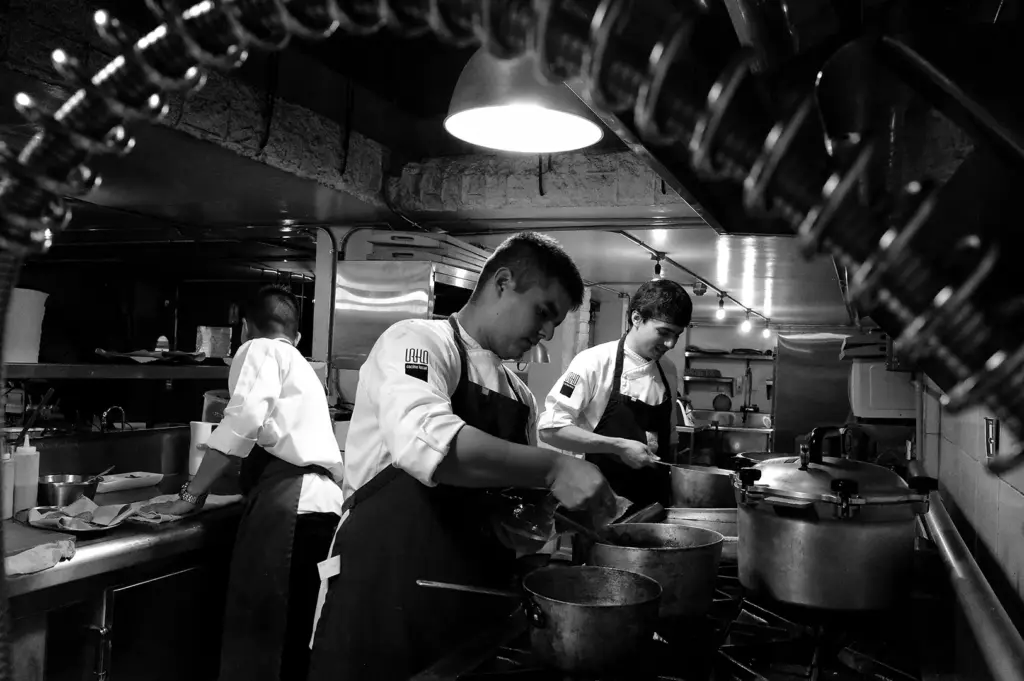
There is also a business reality. Fine dining is expensive to run. It needs manpower, training, premium ingredients, tableware, space, and service standards that are difficult to sustain. Casual concepts can offer more flexibility, even if they come with their own pressures. A bakery can build a loyal morning crowd. A small restaurant can run a tighter menu. A chef-led casual space can serve more diners at a lower price point while still carrying a clear point of view.
I think this is why many chefs are drawn to approachable formats. They allow creativity without all the weight of formality. A croissant, burger, noodle dish, roast chicken, or tart may seem simple, but making it memorable takes real craft. The diner may not see every technique behind it, but they feel the result. In some ways, that is a harder test. There is less theatre to hide behind. The food has to work directly.
Prestige is also changing. In the past, a chef might have been respected mainly for awards, tasting menus, or luxury ingredients. Today, respect can also come from building a strong brand, creating food people crave, supporting local produce, training a good team, or making a neighbourhood place that becomes part of daily life. A restaurant does not need to feel exclusive to be taken seriously.
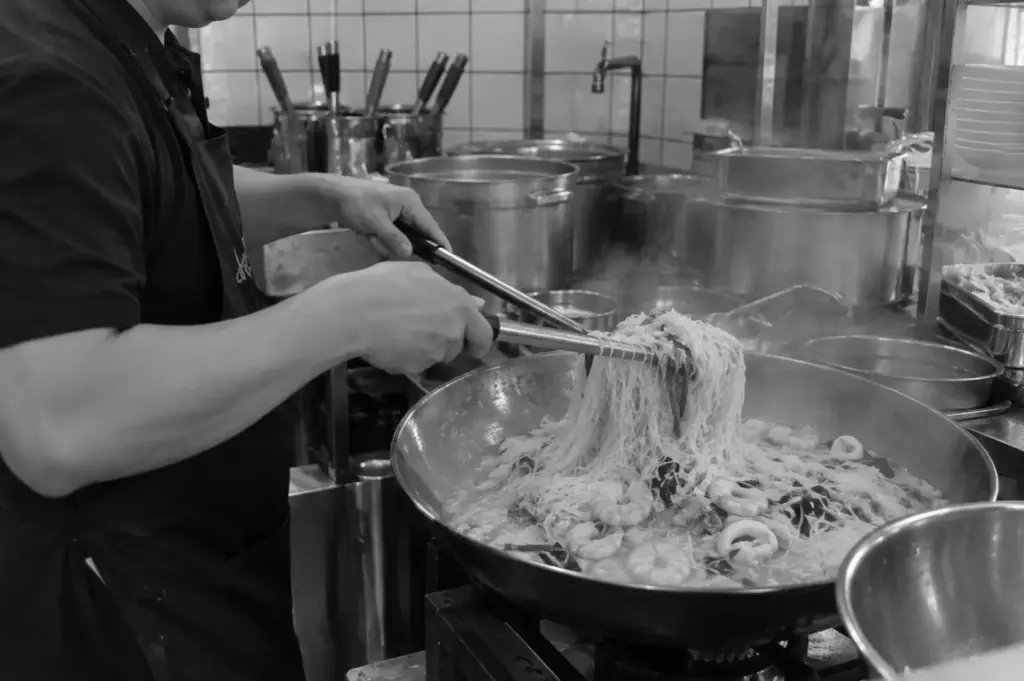
This does not mean fine dining is losing relevance. It still has a role as a space for experimentation, precision, and special occasions. But it no longer owns the idea of culinary excellence. Singapore diners are more open now to finding skill in smaller, simpler, and more focused places. A chef can earn trust through consistency, not just ceremony.
For me, this shift feels healthy. It makes the food scene more varied and less rigid. It gives chefs more ways to build sustainable careers. It also gives diners more chances to experience serious cooking without saving it only for birthdays, anniversaries, or expense-account dinners.
Maybe the question is not whether chefs are leaving fine dining behind. It is whether they are redefining what serious food can look like. And increasingly, that answer may come from a bakery counter, a casual lunch menu, or a small restaurant where the cooking speaks clearly without needing to dress itself up.
Visit Food Reporter SG for more stories on Singapore’s chefs, dining culture, and the changing ideas shaping how we eat.