
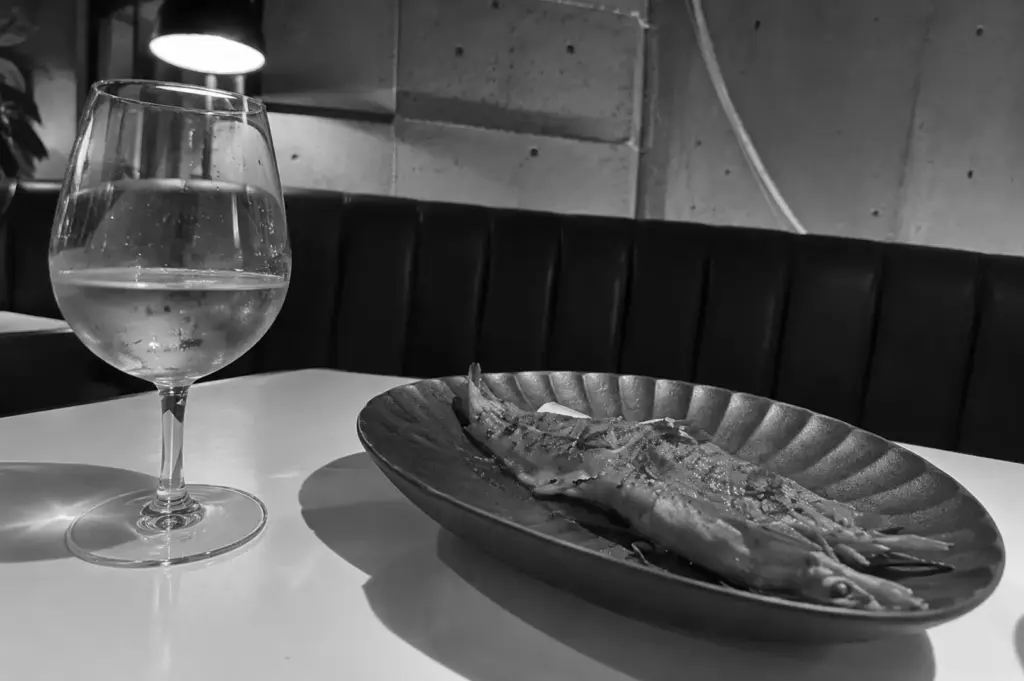
I used to think a fine-dining meal was expected to come with wine. Not necessarily for everyone at the table, but as the default marker of a complete experience. The food had its courses, the sommelier had the pairings, and the drinks were meant to frame the meal. If someone did not drink alcohol, the alternatives often felt secondary; juice, sparkling water, a sweet mocktail, or tea served without much explanation.
That is changing, and I think Singapore is ready for more of it.
Alcohol-free fine dining makes sense in a city like ours. Singapore’s dining audience is diverse, and not everyone drinks for health, religious, personal, financial, or lifestyle reasons. Some diners are cutting back. Some avoid alcohol entirely. Some may enjoy wine but prefer not to drink at lunch, before work the next day, or during a longer tasting menu. If restaurants want to serve a wider range of guests properly, non-alcoholic pairings cannot remain an afterthought.
The good news is that alcohol-free drinks have become much more interesting. Tea pairings, when done well, can be as precise as wine pairings. Green tea, oolong, pu-erh, hojicha, jasmine, black tea, and herbal infusions each bring bitterness, aroma, tannin, warmth, and structure. They can lift seafood, soften spice, cut through fat, or reset the palate between courses. A thoughtful tea pairing does not feel like a compromise. It feels like a different way of understanding the meal.
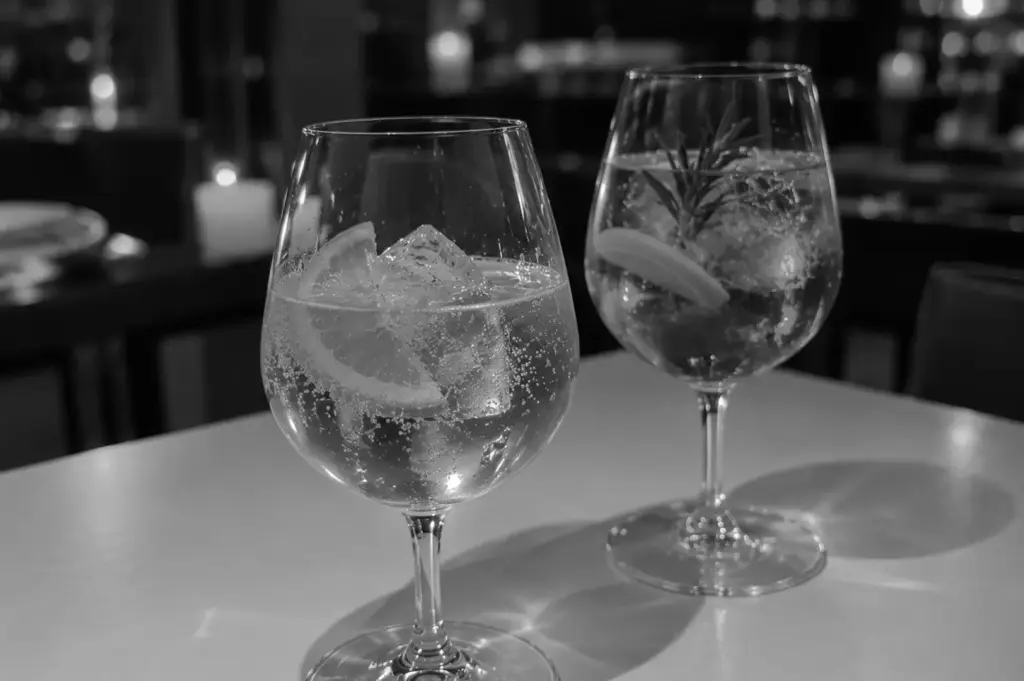
Fermented drinks also have potential. Kombucha, kefir-style beverages, fruit ferments, vinegar-based shrubs, and lightly sparkling house-made drinks can bring acidity and complexity without alcohol. These are useful in fine dining because they have movement. They can be sharp, dry, earthy, fruity, or savoury depending on how they are made. The best alcohol-free pairing should not simply be sweet; it needs balance and tension.
Botanical beverages add another layer. Lemongrass, pandan, calamansi, roselle, ginger, chrysanthemum, mint, shiso, basil, and spices can all be used with real purpose. In Singapore, this opens an interesting path because many of these flavours are already familiar to local palates. A non-alcoholic pairing does not have to imitate European wine culture. It can build from Asian ingredients and still feel refined.
But restaurants need to treat this seriously. Diners can tell when an alcohol-free menu is just fruit juice with garnish. If a tasting menu charges premium prices, the non-alcoholic pairing should have the same level of thought as the wine pairing. It should be explained properly, paced well, served at the right temperature, and matched to the food with intention. Otherwise, it becomes a weaker product sold under a more fashionable label.
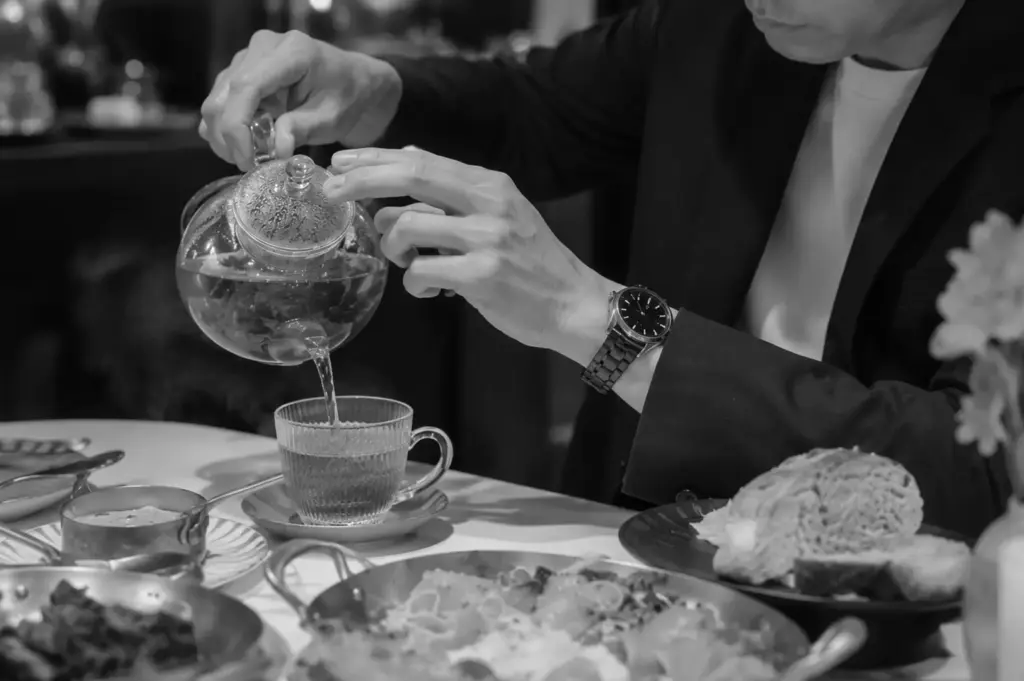
There is also a value question. Wine pairings can be expensive, and some diners accept that because wine carries status, scarcity, and tradition. Alcohol-free pairings will need to prove their worth differently. They must show craft, preparation, and originality. A house-fermented drink or carefully brewed tea can justify its place, but only if the work is visible in the glass.
For me, alcohol-free fine dining is not about replacing wine. Wine will continue to matter, and for many meals it remains a strong pairing choice. The point is choice. A restaurant that offers both wine and non-alcoholic pairings with equal care feels more complete, not less.
Singapore’s fine-dining scene has matured enough for this. Diners are more health-conscious, more curious, and more open to different experiences. The next step is for restaurants to stop treating alcohol-free guests as exceptions.
A serious meal deserves serious drinks, whether or not there is alcohol in the glass.
Click here to visit our website for more stories on Singapore’s dining culture, restaurant trends, and the changing ways we eat and drink.