
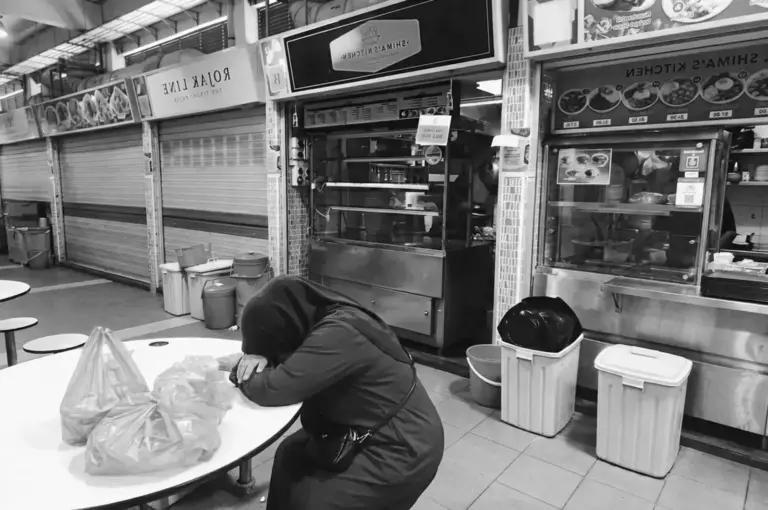
I have spent years documenting the evolution of our local food scene, and I frequently find myself in the narrow, humid corridors behind the storefronts of our neighborhood food centers. Recently, my conversations with cooks and vendors have shifted away from culinary techniques or family recipes. Instead, we talk about survival. The daily reality for a hawker stall owner today is a complex economic balancing act, and it is far more severe than most diners realize.
The most immediate threat to these businesses is the relentless increase in operational costs. When I review the supply invoices shared by some of the stall owners I interview, the numbers reveal a grim picture. The wholesale prices for cooking oil, fresh produce, and poultry have surged over the past two years. However, the public expectation for cheap street food remains firmly entrenched. A vendor who raises the price of a bowl of noodles by fifty cents often faces harsh criticism or a sudden drop in customer footfall. Consequently, owners choose to absorb the rising costs themselves; their profit margins, which were already razor-thin, continue to shrink.
Beyond the financial squeeze, the physical toll of the profession is staggering. I often arrive at these food centers before dawn to observe the preparation process. Many owners, a significant number of whom are well into their sixties, begin their shifts at four in the morning to boil broths and prepare ingredients. They work in cramped, poorly ventilated spaces for up to fourteen hours a day. The work is exhausting, and it is entirely unsurprising that younger generations hesitate to inherit these family businesses. The long hours and low financial returns simply do not justify the physical sacrifice required to keep a stall running.
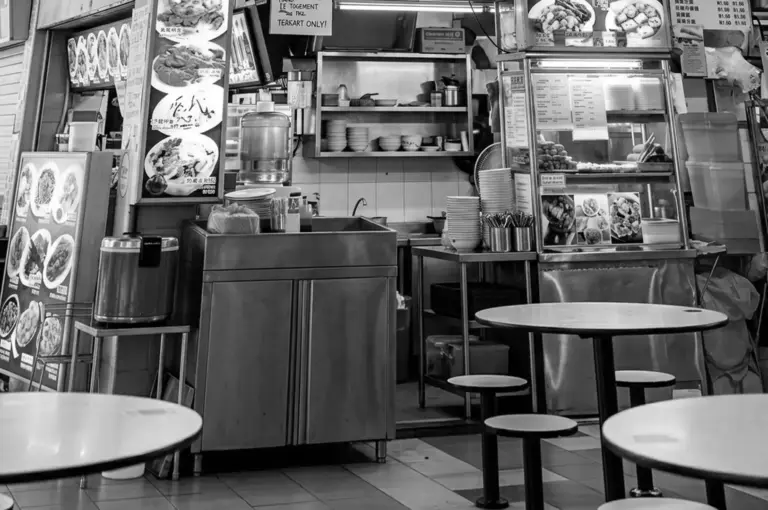
Manpower shortages further compound this issue. Hiring reliable assistants is incredibly difficult. Strict labor quotas restrict the hiring of foreign workers, while locals are rarely willing to endure the heat and grease of a hawker kitchen for a modest wage. As a result, many older hawkers operate their stalls entirely alone or rely heavily on aging family members. If one person falls ill, the stall must close, resulting in an immediate loss of income for that day.
Furthermore, the push toward modernization brings its own set of hidden burdens. The integration of digital payment systems and food delivery platforms is often touted as a necessary step for business growth. Yet, the commissions taken by delivery applications cut deeply into the already fragile profits of these small vendors.
We frequently celebrate our hawker centre as a source of national pride, but we must recognize that this institution is currently being subsidized by the underpaid labor of the people running it. The system is structurally fragile. If we want this vital part of our community to survive, we need to accept the true cost of our food.
“Heritage cannot be sustained on passion alone.”
To read more investigative reports and stay informed on the realities of our local food industry, visit Food Reporters SG today.