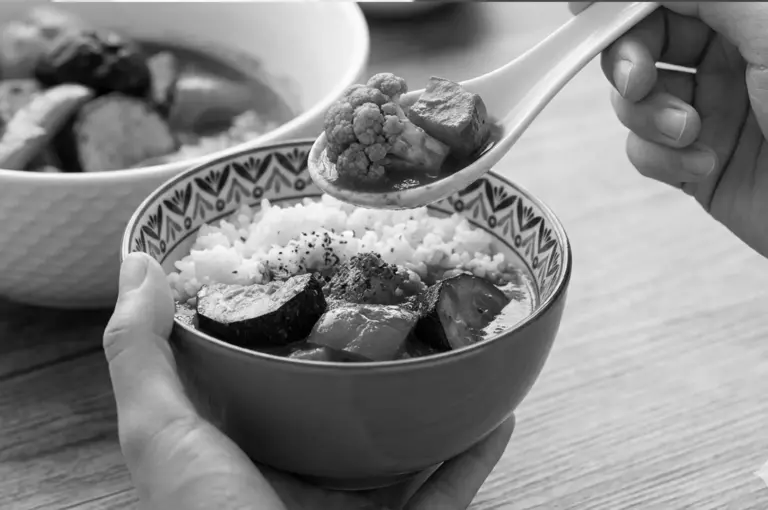
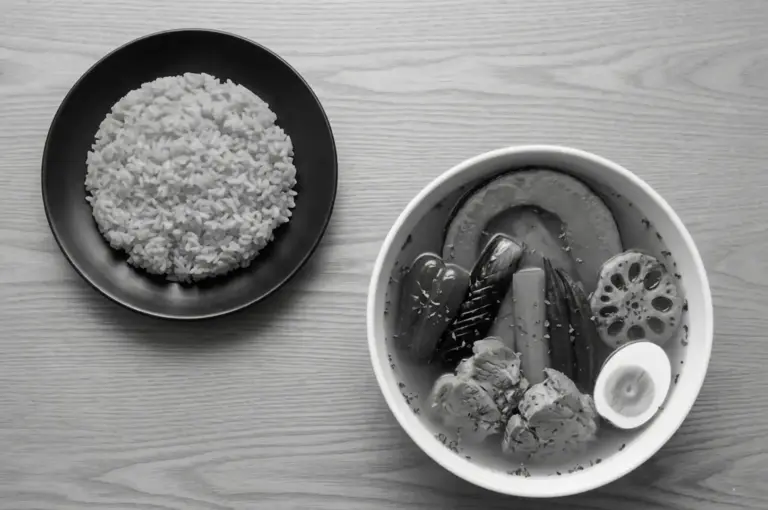
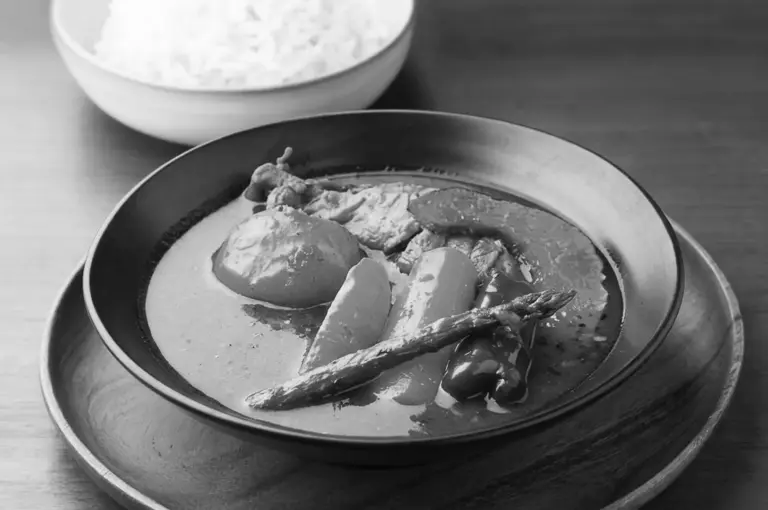
If it is your first time, the menu might look a bit intimidating. Do not worry; here is exactly how you should tackle it:
Pick your base: I highly recommend starting with the classic bone in chicken or chicken soup curry. It is approachable and lets the flavors of the broth shine.
Choose your spicy level: This is crucial. I prefer my soup curry with a bit of extra heat, but if you’re unsure, ask to start mild. I learned the hard way that it is better to ease into the spice!
Decide on your rice portion: The Japanese rice is always served separately in a small bowl. You can usually choose how much rice you want.
Sip, dip, and enjoy: When the food arrives, take a sip of the broth first to appreciate the flavor. Then, scoop up some rice with your spoon and dip it directly into the curry soup.
The Most Common Soup Curry Pitfalls (And How to Avoid Them)
We have all made mistakes in our food adventures. Here is what I wish someone had told me before my first visit:
Expecting a thick stew: I can’t stress this enough (this is a broth). If you go in expecting the heavy richness of other curries, this might feel a little light at first. Give your palate a moment to adjust to the layered taste.
Ignoring the vegetables: The veggies are the soul of the dish! Because of the su age flash frying, the vegetables retain an incredible texture. Do not just focus on the meat.
Trying to cook it casually at home: If you want to cook this recipe at home, know that it takes serious effort. As any good recipe developer will tell you, achieving that authentic broth requires a heavy bottomed pot, precise cooking time, and careful handling of ingredients (like draining the fried veggies to not have that slightly bitter taste on a wire rack with paper towels before storing leftovers in an airtight container).
Note: If you are using a digital recipe, make sure your phone’s cook mode prevent setting is active so your screen doesn’t turn off while you cook!
Soup Curry by Ki-setsu: A Different Way to Experience Japanese Curry
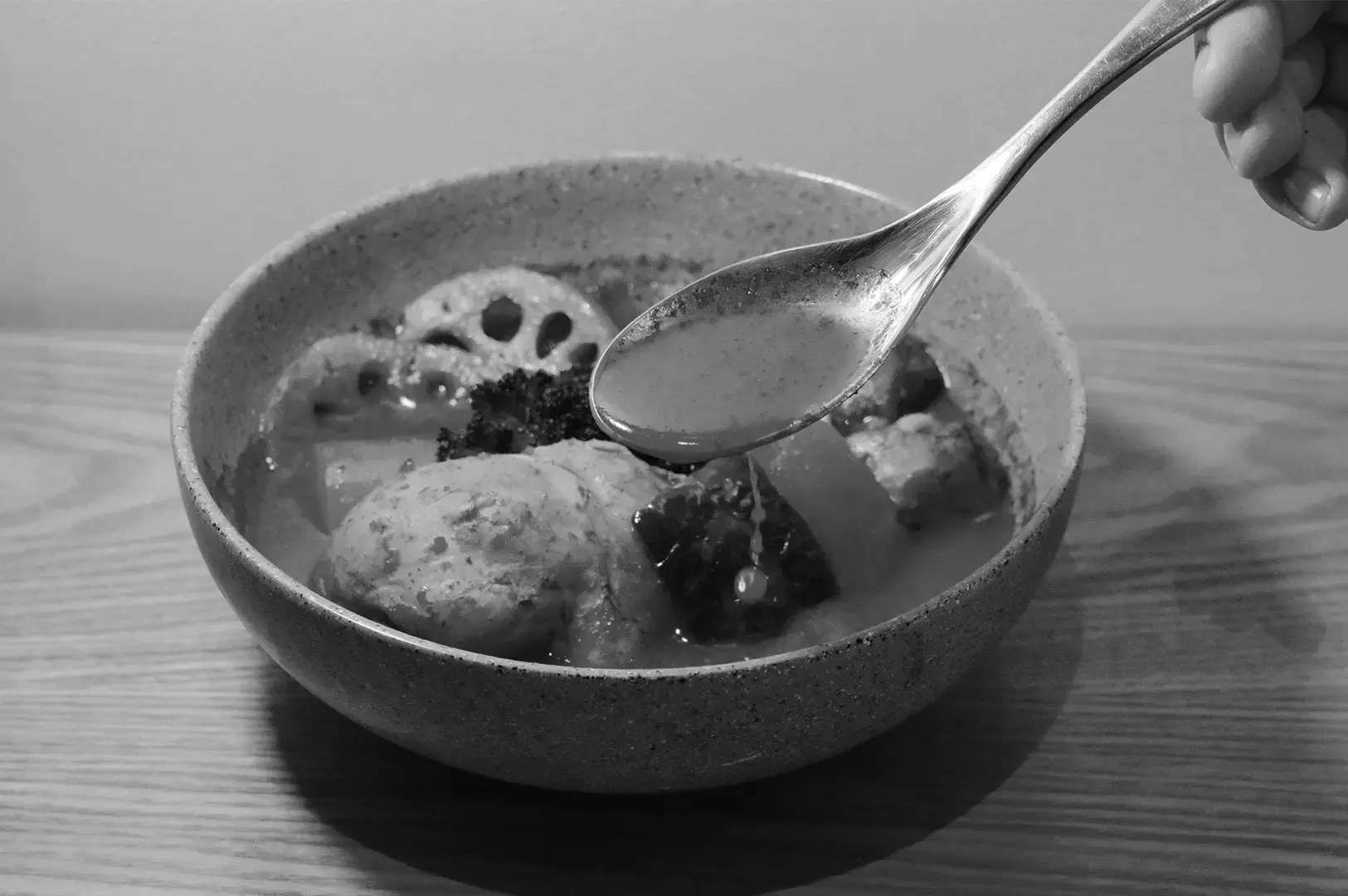
After all that, and everything we told you about soup curry. Where do you go when you want one?
Now open at Fortune Centre, Soup Curry by Ki-setsu offers a different take on Japanese curry rice through the Sapporo tradition of Hokkaido soup curry. Instead of having a thick curry sauce poured over rice and toppings, the restaurant serves an aromatic, broth-like curry alongside the rice. Its chicken-bone broth is simmered for more than six hours, developing a deeply savoury base with curry spices and aromatics.
The difference becomes clearer once you sit down to eat, believe us on this. The Chicken Curry Bowl comes with a large chicken drumstick, around six varieties of vegetables, a half ramen egg and rice, while the Vegetable Curry Bowl includes around nine varieties of vegetables. The exact vegetables can change with the season, so ingredients such as baby corn should not be assumed to be fixed toppings.
The rice stays separate from the soup, giving diners several ways to eat it: spoon rice into the broth, drizzle some soup over it, or alternate between rice, vegetables, chicken and curry. The spiciness level can also be adjusted, so you can start at a normal spice level before working your way up if you want more heat!
Why Soup Curry by Ki-Setsu though?
This is where the restaurant differs from familiar popular dishes such as katsu curry, SAMA Curry and other Japanese curry rice served with a heavier sauce. Rather than focusing on a chicken thigh, cutlet, cheese-heavy toppings, onsen egg, or the richness of dishes such as Hokkaido imomochi cheese, Ki-setsu puts the spotlight on its broth and vegetables. The result is a softer, more aromatic experience, where each mouthful can shift between the warm soup, rice and individual ingredients.
The vegetables are prepared using su-age (we discussed this a while ago) allowing them to develop different textures and natural sweetness before being paired with the simmering broth. So while a Japanese curry cafe might be about a quick bowl of rice and sauce, and while we do love that too, Ki-setsu takes a slower approach to comfort food: one where the smell of spices, the texture of the vegetables and the warmth of the broth all contribute to the experience.
For diners trying Hokkaido soup curry for the first time, the idea is simple: taste the broth first, then decide how you want to bring the rice and toppings into the equation.
Your Japanese Curry Soup Questions, Answered!
Q. Is soup curry always spicy?
A. Not at all! While it is a spiced soup, the heat is entirely up to you. Most restaurants allow you to customize your spicy level, making it very beginner-friendly.
Q. How exactly do I eat the meat if it is on the bone?
A. The meat is slow-cooked until it is incredibly tender. You can easily gently pull the chicken or pork apart using just your spoon and fork right in the bowl.
Q. Will this actually fill me up?
A. Absolutely. Between the generous portion of meat, the hearty root vegetables, and the side of rice, it is a very satisfying food experience.
Final Thoughts: Embrace the Lightness of Soup Curry