
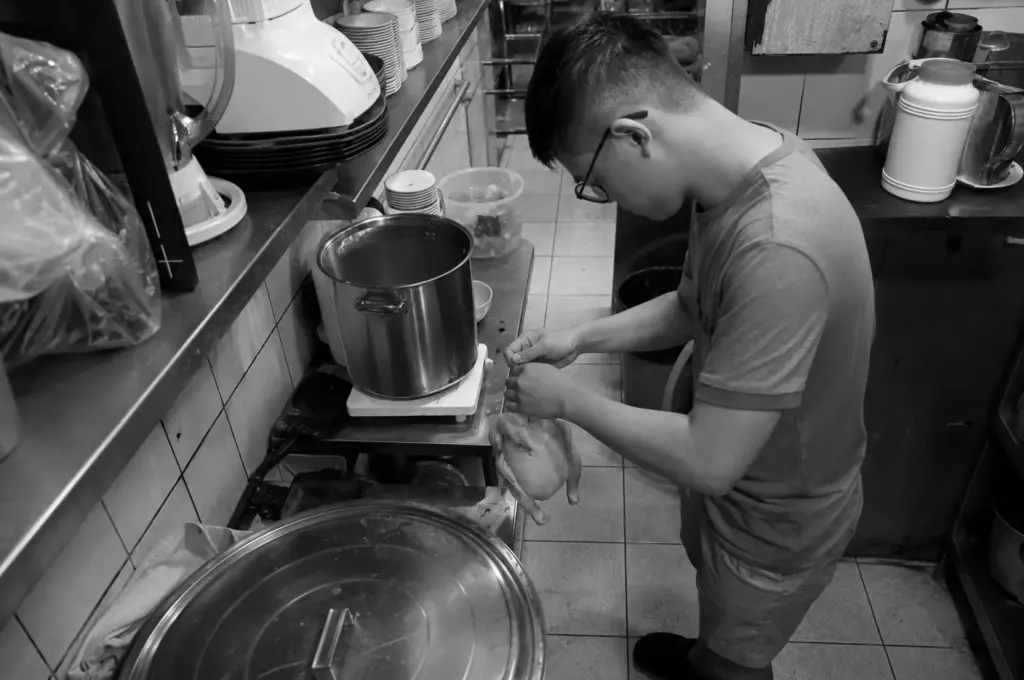
“Food heritage survives only when someone is willing to cook it again tomorrow.”
We often talk about hawker food as if it belongs safely to Singapore’s past, but the truth is more urgent. Hawker culture is not preserved by nostalgia alone. It is kept alive by people who wake up early, prepare ingredients, stand over heat, serve regulars, and repeat the same work day after day. Today, a younger generation of hawkers is stepping into that space, and the question is whether they can carry Singapore’s food legacy into the future without losing what made it matter in the first place.
We see this new generation in different forms. Some are children taking over family stalls. Some are mid-career switchers leaving office jobs for food. Others are young entrepreneurs who see the hawker centre as a place to test ideas without the full cost of a restaurant. They are not all doing the same thing, and that is important. Some want to protect old recipes as closely as possible. Others want to update the format, improve branding, use delivery platforms, or introduce flavours that speak to younger diners.
This is where the future of hawker culture becomes complicated. Innovation is necessary, but it cannot become an excuse to erase identity. A young hawker selling traditional noodles with a better ordering system is still protecting the trade. A stall using social media to explain its recipe, queue system, or daily specials is not betraying tradition. It is simply learning how to survive in the current market. The challenge is knowing which parts should change and which parts should remain untouched.
Singapore’s hawker culture has always evolved. Dishes moved across communities, adapted to local taste, and changed with ingredients, migration, and daily needs. What feels traditional now was once practical innovation. In that sense, young hawkers are not disrupting hawker culture; they are continuing its natural pattern. The difference is that today, the pressure is greater. Rent, manpower, ingredient costs, long working hours, and customer expectations make the trade difficult to sustain.
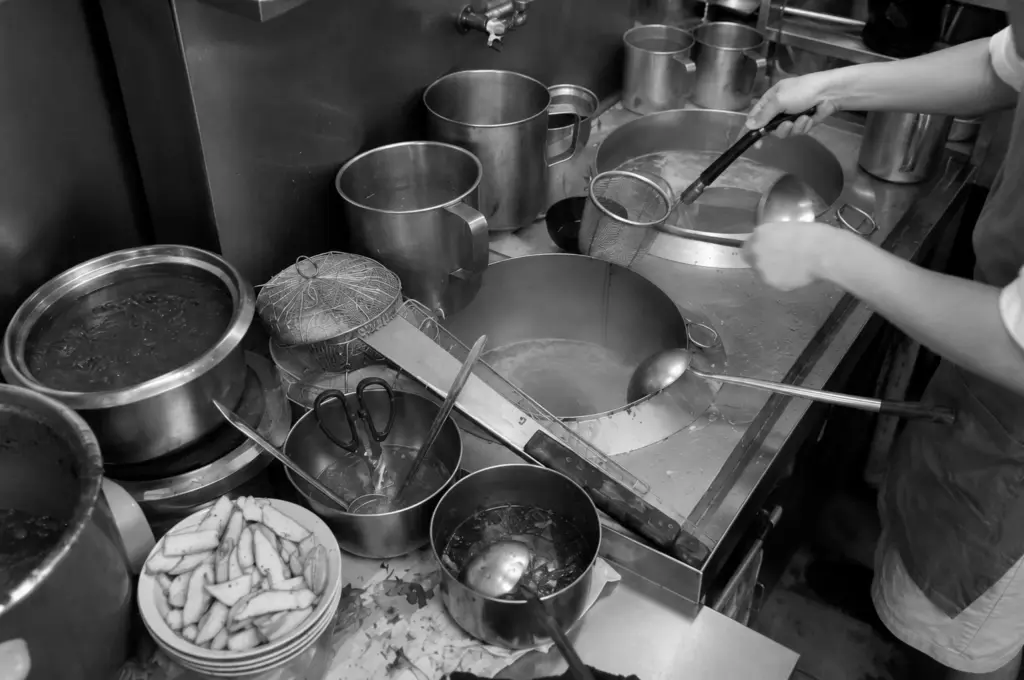
We should not romanticise the work. Hawker life is hard. It is physically demanding, financially risky, and often less glamorous than it appears online. A viral video may bring a queue, but it does not guarantee long-term success. What keeps a stall alive is consistency, discipline, and enough customers returning after the first wave of attention. The real test for young hawkers is not whether they can attract curiosity; it is whether they can build trust.
At the same time, we should give them room to grow. Younger hawkers may price differently, brand differently, and communicate differently from the older generation. That does not automatically make their food less authentic. If we want more people to join the trade, we cannot expect them to work under old conditions while facing new costs. Supporting hawker culture means accepting that sustainability includes fair pricing, better systems, and respect for the labour behind each plate.
We believe the future of Singapore’s food legacy will depend on balance. Young hawkers need to learn from the past, but they also need permission to adapt. Diners need to protect what is meaningful, but we also need to stop treating change as a threat. A hawker centre that includes both old-school stalls and new-generation concepts can still feel deeply Singaporean.
The next chapter of hawker culture will not look exactly like the last one. It should not have to. What matters is whether the food still carries skill, memory, and sincerity.
Visit Food Reporters SG by clicking here: https://foodreportersg.com/ for more stories on Singapore’s hawker culture, young food entrepreneurs, and the people shaping the future of local dining.