
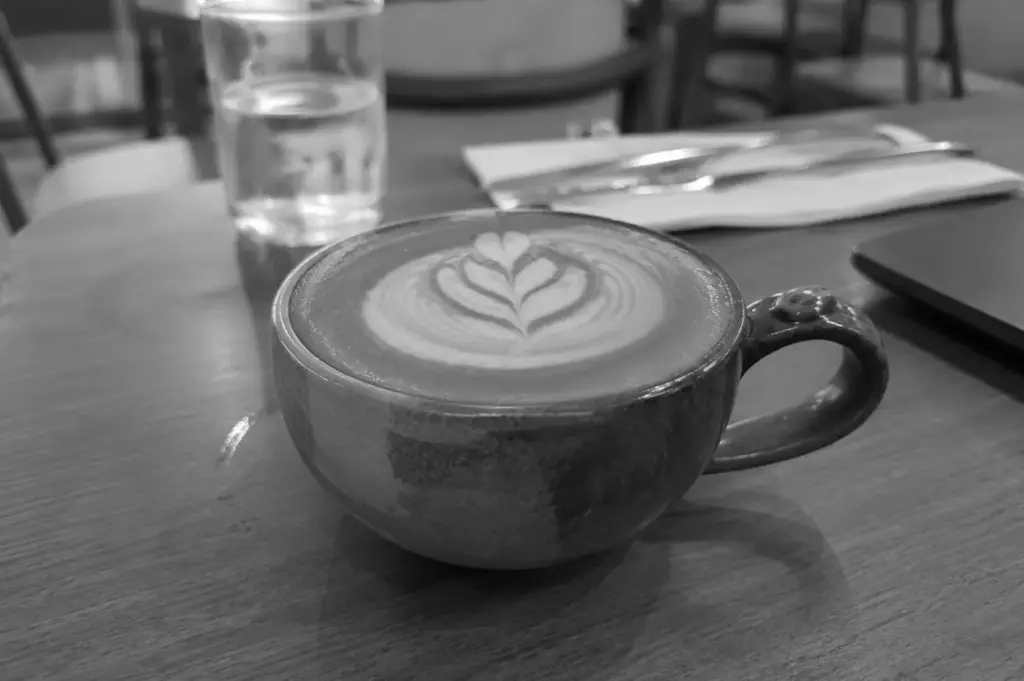
“Coffee used to wake us up; now, it also tells people how we spend our time.”
I used to think of coffee as something practical. It was the drink people bought before work, during a break, or after a meal. It served a purpose, and that purpose was usually caffeine. But in Singapore today, coffee has taken on a much larger role. Specialty coffee is no longer just about staying awake. It has become part of how people organise their day, meet friends, discover neighbourhoods, and even express personal taste.
Walk into a specialty coffee shop and the experience already feels different from ordering a quick kopi. The menu may list single-origin beans, filter brews, tasting notes, espresso blends, oat milk options, and seasonal drinks. There may be a barista explaining the difference between a washed Ethiopian bean and a natural Colombian roast. For some diners, this level of detail may feel unnecessary. For others, it is exactly the point. Specialty coffee turns a daily habit into something more intentional.
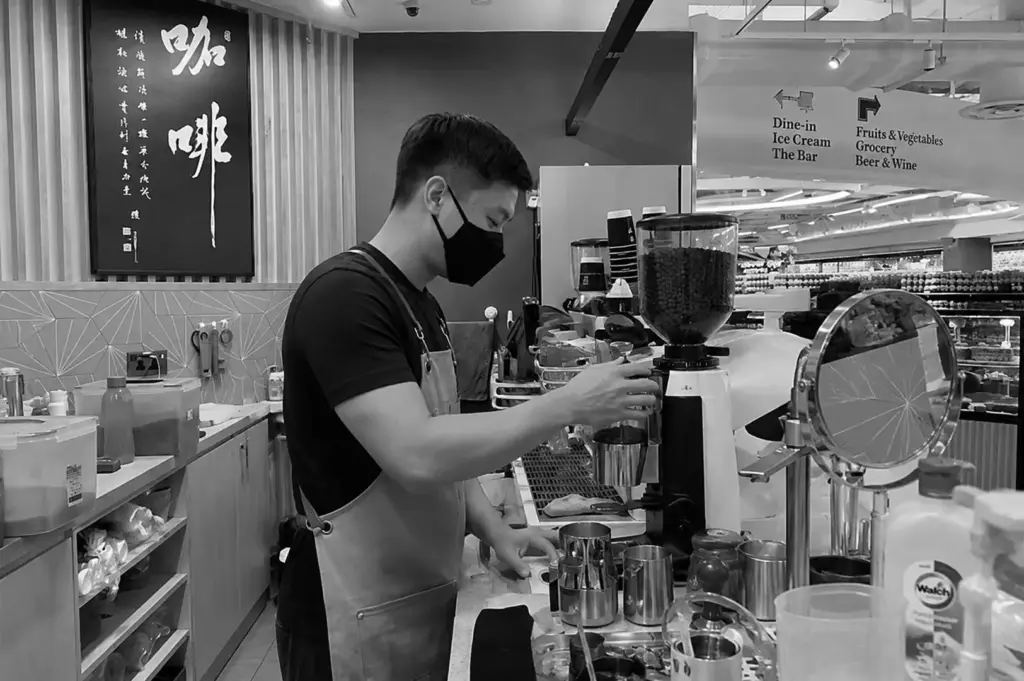
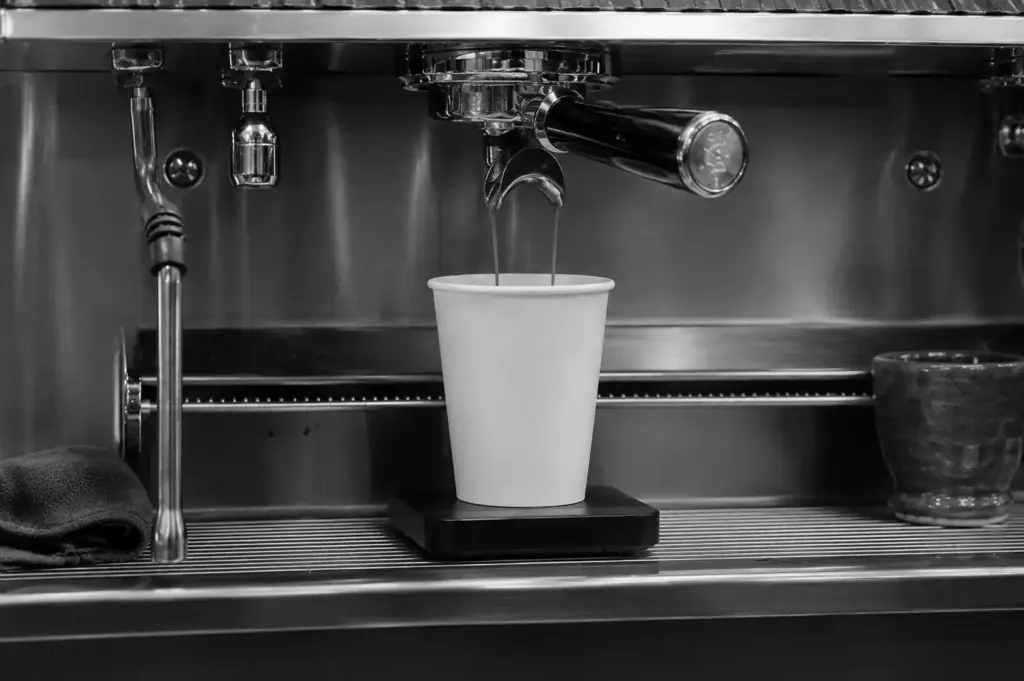
This is where craftsmanship matters. A good cup of coffee is not only about the beans. It depends on grinding, water temperature, extraction, milk texture, timing, and consistency. The best cafes in Singapore understand that customers are paying for care, not just a drink in a paper cup. When a barista remembers how someone takes their coffee, or when a filter brew is served with a short explanation, the transaction becomes more personal. It creates trust, and trust is what brings people back.
Coffee culture has also become a form of community building. Many specialty cafes are small, independent, and closely tied to their neighbourhoods. They become familiar spaces for regulars, freelancers, students, couples, and people who simply want a quiet corner. I have noticed that the best coffee spots are rarely only about the drink. They become places where people feel comfortable returning, even when they are alone. That matters in a city where so much of daily life feels fast and scheduled.
There is also the social identity of coffee. What we order, where we go, and what cafes we choose can say something about us. Some people like clean, minimalist coffee bars. Others prefer cosy spaces with pastries and slower service. Some chase the newest roasters, while others remain loyal to one neighbourhood cafe. Coffee has become a small but visible way of showing taste, routine, and lifestyle. It is not always about showing off. Sometimes, it is simply about finding a place that feels aligned with how we want to live.
Of course, this shift has also made coffee more expensive. A cup from a specialty cafe can cost much more than traditional local coffee, and not everyone sees the value immediately. That is understandable. But I do not think specialty coffee is trying to replace kopitiam culture. They serve different needs. Kopi is part of Singapore’s everyday food heritage. Specialty coffee belongs to a newer cafe movement shaped by craft, design, and slower consumption. Both can exist in the same city, and both say something about how Singaporeans drink coffee.
The question is not whether specialty coffee is just a trend. It has already moved beyond that. The better question is why people keep returning to it. I think the answer is simple. Specialty coffee gives people a pause that feels personal. It offers routine, comfort, community, and a small sense of discovery in the middle of an ordinary day.
A good cup of coffee may begin with caffeine, but the reason people stay is rarely just the caffeine.
Visit Food Reporters SG for more stories on Singapore’s cafe culture, dining trends, and the people shaping the way we eat and drink.