
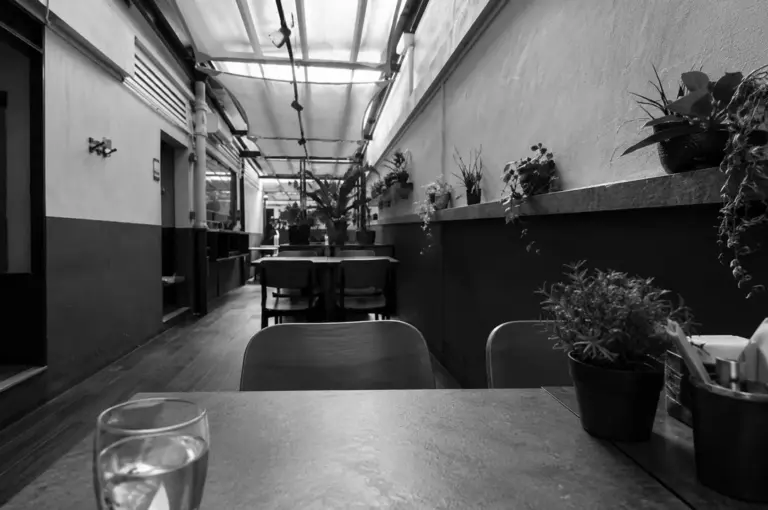
I still remember the first time I walked into a specialty cafe in Tiong Bahru, one of the vibrant neighborhoods in coffee Singapore is known for. The menu had words I had never seen before, like piccolo and cortado, and there were little notes about single origin coffee beans from Ethiopia tasting like blueberries. I panicked and ordered a latte just to feel safe. Looking back, that was such a wasted opportunity, because once I learned how cafes actually work, ordering became one of my favorite little pleasures. So let me save you the awkwardness I went through.
By the end of this guide, you will know what a cafe really is, how it differs from your neighborhood kopitiam, and exactly how to pick a coffee drink that suits you. No coffee snobbery, I promise.
Coffee Singapore: What a Cafe Actually Is
Here is the thing nobody tells you: a cafe in Singapore is no longer just a place to grab a drink. Over the years, I have watched cafes turn into social spaces, remote working hubs, brunch destinations, dessert venues, and full-on lifestyle experiences. Some mornings I am there to work quietly with a flat white. Other times I am meeting friends for a long, lazy breakfast featuring buttermilk waffles and a cup of cold brew.
What sets a cafe apart from a traditional kopitiam comes down to focus. Kopitiams are built around speed and daily affordability; you order your kopi, you get your kaya toast, you move on with your day. Cafes lean into coffee craftsmanship instead. They care about where their beans come from — often visiting coffee farms to source quality beans — how recently those beans were roasted by expert coffee roasters, the brewing method, the presentation, and the overall experience. Whether it’s a coffee bar or a cozy apartment coffee spot, the emphasis is always on quality.
Neither is better than the other. They simply serve different moods.
I would say if you want a one-dollar-something traditional kopi, head to a kopitiam. If you want to explore specialty coffee made from finely ground coffee beans and watch a barista pour latte art atop your drink, you want a cafe.
Coffee Drinks: How to Choose the Right Coffee
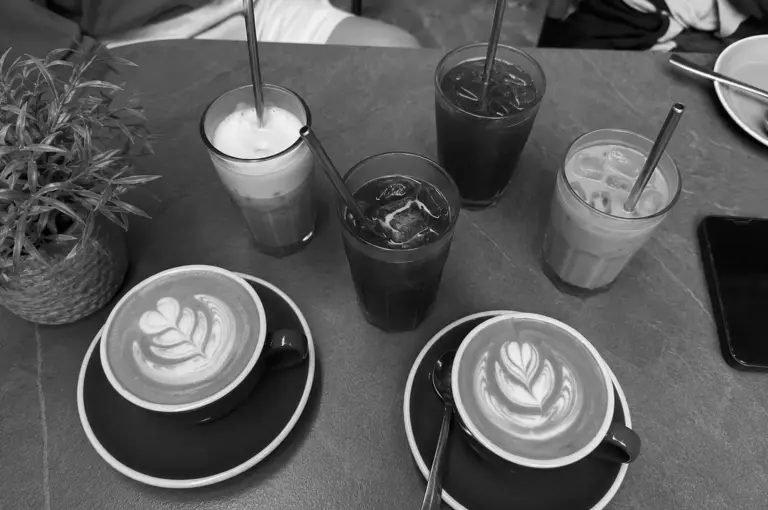
This is the framework I wish someone had handed me years ago. Walk through these four quick questions and you will land on something you like.
Step 1: Do you want milk or not?
If you like milk, look at lattes, flat whites, cappuccinos, and mochas. These drinks combine hot espresso with steamed milk and milk foam to create creamy textures. If you prefer it black, go for hot espresso, americano, long black, or a pour over filter coffee.
Step 2: How strong do you want it?
Mild options include the latte, mocha, and cappuccino. Medium options are the flat white and long black. Strong options are the espresso, piccolo, and cortado. For a high caffeine content, try a double espresso or a double shot.
Step 3: How sweet?
Naturally sweeter drinks include the mocha, vanilla latte, and caramel latte. Less sweet choices are the flat white and cappuccino. For zero sweetness, go espresso, americano, or long black.
Step 4: Hot or iced?
In our Singapore heat, I often default to iced coffee or a cold brew, especially in the afternoon. A hot flat white is still my go-to on quieter mornings though.
Coffee Shop: The Coffee Types, Explained Simply
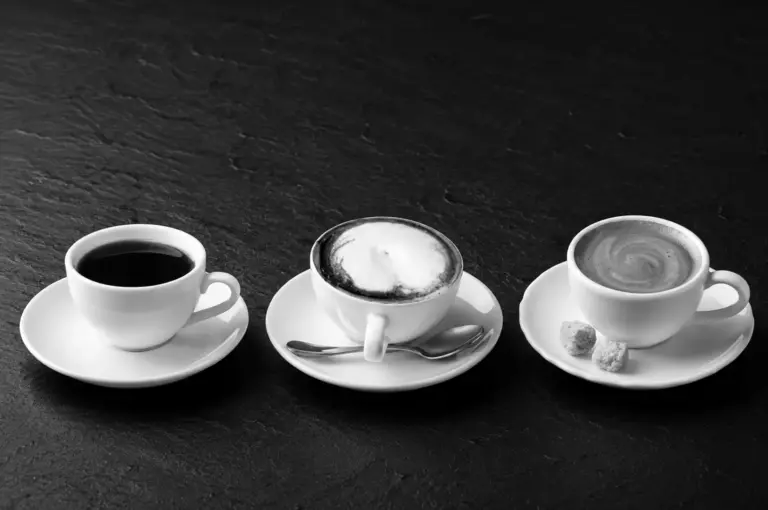
Here is the rundown without the jargon.
Espresso-Based Coffees
Regular Espresso: A single shot of hot espresso made from finely ground coffee beans. Intense and concentrated.
Double Espresso (Doppio): Two shots of espresso in one cup, perfect for those who want a stronger caffeine kick.
Ristretto: A short, concentrated espresso shot using half the water of a regular espresso, resulting in a sweeter, richer flavor.
Lungo: An espresso shot brewed with more water, making it larger and milder but slightly more bitter.
Americano: Espresso topped with hot water, creating a milder coffee with the crema intact.
Long Black: Hot water first, then espresso poured on top so the crema stays intact. Fuller flavor than an Americano.
Piccolo Latte: A small latte made with a ristretto shot, concentrated, smooth, and a little sweet.
Milk-Based Coffees
Latte: Espresso with lots of steamed hot milk and a thin layer of milk foam. Creamy, smooth, mild. Ideal for first-timers.
Cappuccino: Similar to a latte but with more foam and a stronger coffee presence.
Flat White: Less milk than a latte, silkier texture, stronger coffee taste. A popular everyday choice.
Mocha: Espresso with chocolate or cocoa powder and steamed milk. Sweet and dessert-like, often topped with whipped cream.
Cortado: Equal parts espresso and steamed milk. Balanced and rich without the bulk of a latte.
Macchiato: Espresso topped with just a dollop of milk foam. Intense and very coffee-forward.
Filter and Brewed Coffees
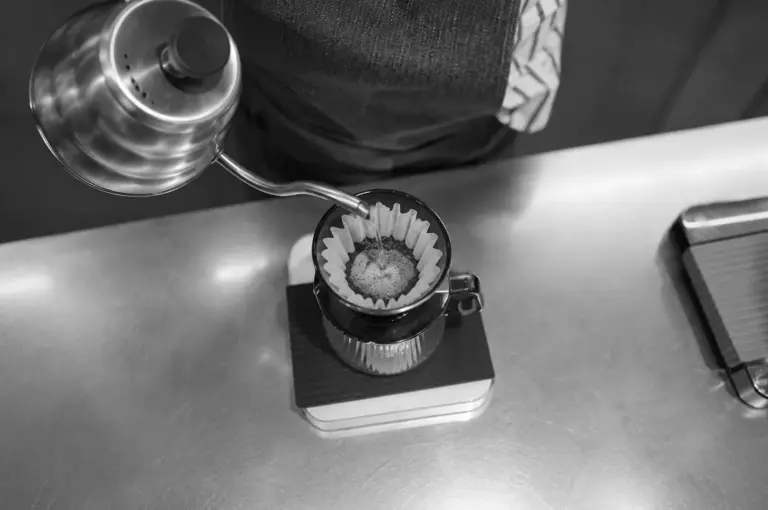
Pour Over Filter Coffee: Coffee brewed by hand through a filter using hot water. Clean and clear, it really lets the bean’s character shine.
Cold Brew: Coffee grounds steeped in cold water for 12 to 24 hours. Smooth, less acidic, and incredibly refreshing for Singapore’s climate.
Whipped Coffee (Dalgona Coffee): Made by whipping instant coffee, hot water, and sugar until frothy, then poured over milk. A trendy and sweet coffee drink.
Specialty and Dessert Coffees
Irish Coffee: Hot coffee combined with Irish whiskey and sugar, topped with a layer of whipped cream. A warming, boozy treat.
Coffee Bar: Specialty Brewing Methods
Once you are comfortable, this is where the fun begins.
Pour Over: Coffee brewed by hand through a filter. Clean and clear, it really lets the bean’s character shine.
Chemex: A pour over using a thicker filter. Very clean and light-bodied, lovely for delicate coffees.
Aeropress: A pressure-based brewer that gives a smooth cup with low bitterness.
Cold Brew: Coffee steeped in cold water for 12 to 24 hours. Smooth, less acidic, and incredibly refreshing for our climate.
Espresso Machine: Forces hot water at high pressure through finely ground coffee beans to extract a concentrated shot of coffee topped with crema.
Coffee Roasters: A Quick Word on Coffee Beans
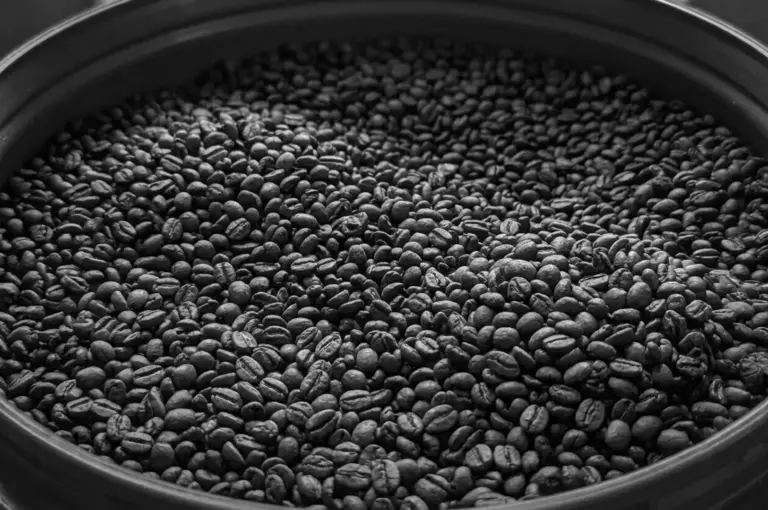
You do not need to be an expert, but knowing a few origins makes ordering so much more enjoyable.
Brazil: Chocolate, nuts, caramel. Easygoing and great for beginners.
Colombia: Brown sugar, chocolate, a touch of citrus. Balanced and approachable.
Ethiopia: Blueberries, jasmine, floral notes. A favorite among specialty coffee lovers.
Kenya: Blackcurrant, berry, wine-like acidity. Bold and distinctive.
Guatemala: Cocoa, nuts, mild fruit. Rich and well-rounded.
Many coffee roasters in Singapore, such as Nylon Coffee Roasters and Flip Coffee Roasters, roast their own coffee beans in-house, ensuring freshness and quality. Nylon Coffee Roasters, for instance, is known for sourcing beans directly from coffee farms and roasting with care. Flip Coffee Roasters, located close to the Botanical Gardens, also offers excellent specialty coffee with a focus on sustainability.
Apartment Coffee: Local Specialty Coffee Spots to Visit
Singapore’s vibrant coffee scene includes many specialty cafes that serve the best coffee using their own coffee beans or house blends. Here are some notable spots:
Nylon Coffee Roasters: Located close to Chinatown, this coffee roastery is a pioneer in Singapore’s specialty coffee scene. They roast their own single origin beans and focus on quality and sustainability.
Dutch Colony Coffee: With three cafes across Singapore, including one at Clarke Quay, Dutch Colony serves excellent house blends and rotating single origin espresso roasts.
Common Man Coffee Roasters: With multiple locations, Common Man is popular for its specialty coffee and brunch menu including buttermilk waffles. They emphasize sustainable sourcing and quality.
Five Oars Coffee Roasters: Located near East Coast, Five Oars offers a chill vibe and a menu of specialty coffee drinks, perfect for coffee lovers wanting a relaxed atmosphere.
To discover more cafes that are worth the try in Singapore, click here!
Cold Brew: The Refreshing Choice for Singapore’s Climate
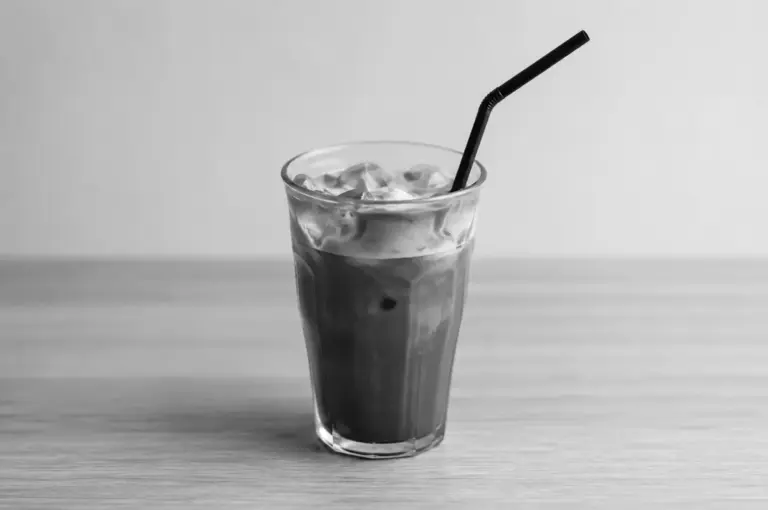
Cold brew coffee is made by steeping ground coffee in cold water for 12 to 24 hours, producing a smooth, less acidic coffee that is perfect for Singapore’s warm weather. Unlike iced coffee, which is brewed hot and then cooled with ice, cold brew maintains a rich flavor without dilution. Many cafes in Singapore serve cold brew alongside other coffee drinks like iced coffee and frappé.
Best Coffee: What to Expect to Pay
Let me be honest, cafe coffee costs more than kopitiam coffee, and that surprises a lot of people. Here is a realistic Singapore price guide.
Coffee Type | Typical Price |
|---|---|
Espresso | S$3.50 to S$5 |
Long Black | S$4 to S$6 |
Americano | S$4 to S$6 |
Cappuccino | S$5 to S$7 |
Latte | S$5 to S$8 |
Flat White | S$5 to S$8 |
Mocha | S$6 to S$9 |
Pour Over | S$7 to S$15 |
Specialty Single Origin | S$8 to S$18 |
You are paying for freshly roasted beans, skilled baristas, and the experience. Whether it is worth it depends on your mood and budget. I happily pay for a good pour over on a weekend; on a rushed weekday, I am back at my kopitiam.
Dutch Colony: A Coffee Roastery with Multiple Locations
Dutch Colony Coffee has grown to become one of the best coffee roasters in Singapore with three cafes around the city. Their house blend and single origin offerings are favorites among customers who appreciate quality and consistency. Located close to Clarke Quay, their cafes provide a welcoming atmosphere to enjoy your coffee drinks.
Common Man: Popular Specialty Coffee and Brunch Spot
Common Man Coffee Roasters has multiple locations in Singapore and is renowned for its specialty coffee and brunch menu. Their house blend is well-loved, and they serve breakfast items like buttermilk waffles that complement their coffee drinks perfectly. Their commitment to quality and sustainability makes them a favorite among coffee lovers.
Final Thoughts
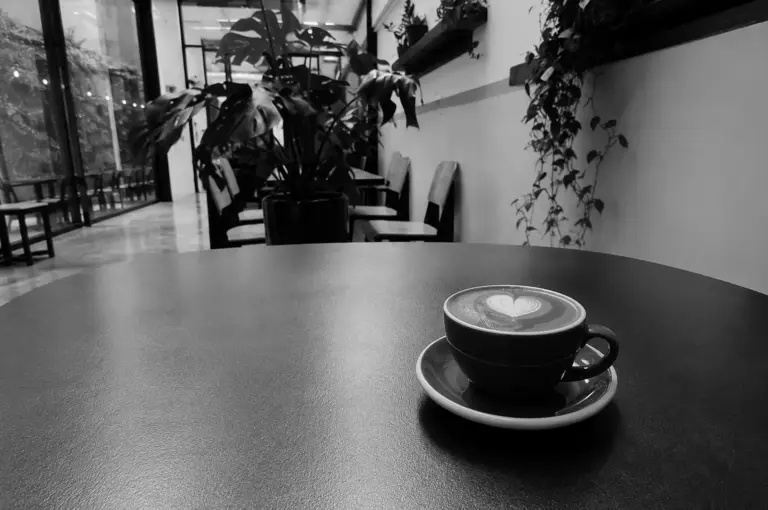
Cafes can feel intimidating at first, but once you understand that they are really about exploring coffee and enjoying a space, the pressure melts away. Start with what you already like, ask the barista questions, and slowly work your way toward bolder choices. There is no wrong order, only the one that makes you happy that day. I went from a nervous latte-only orderer to someone who happily chats about Ethiopian beans, and trust me, if I can get there, so can you.
If you enjoyed this guide and want more honest takes on the local food and coffee scene, do check out Food Reporters SG for more similar articles to read.