
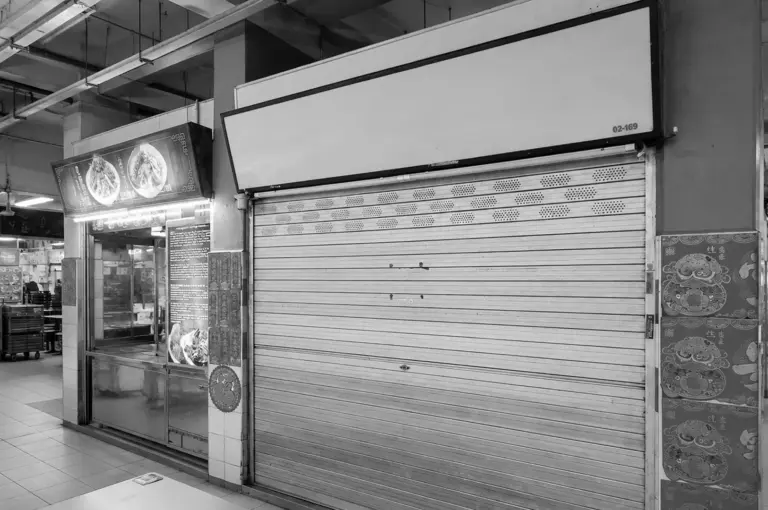
Every time we walk into an old hawker centre, we notice the same thing. The queues are still there, the regulars still know what to order, and the wok still moves with the kind of confidence that only comes from decades of practice. But behind many of these stalls is a reality Singapore can no longer ignore; more heritage hawkers are ageing, tired, and unsure who will carry on after them.
For many of us, hawker food is part of daily life. It is breakfast before work, lunch during a long day, dinner with family, or a quick kopi with a neighbour. Yet for the hawkers behind these meals, the work is physically demanding. Many start before sunrise, spend hours standing in hot kitchens, and repeat the same careful process day after day. A bowl of noodles or plate of rice may look simple from the table, but we often forget the labour behind it.
The biggest issue is succession. Not every child wants to take over the family stall, and we understand why. Hawker work is hard, the hours are long, and the income can be uncertain. Younger Singaporeans have more career options today, and many do not see hawker life as a stable or attractive path. Even when there is interest, learning a recipe is not as simple as writing it down. It takes timing, instinct, muscle memory, and years of mistakes. A good char kway teow, mee rebus, laksa, or wanton mee is not just a recipe; it is a skill built over time.
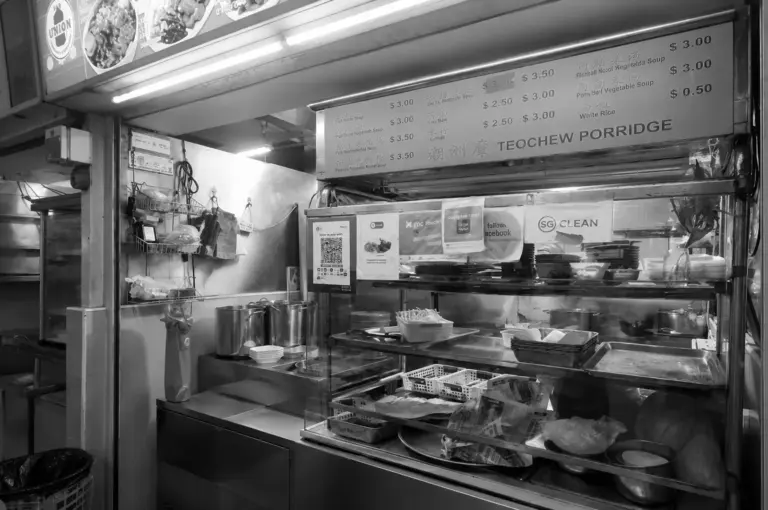
Rental and operating costs add to the pressure. Ingredients, utilities, manpower, and stall rentals all affect what hawkers can earn. At the same time, customers still expect hawker food to remain affordable. This creates a difficult balance. If prices go up, some diners complain. If prices stay low, hawkers absorb the strain. Somewhere in between, many stall owners begin to ask whether it is worth continuing.
What worries us most is not only the closure of individual hawker stalls, but the quiet loss of knowledge. When a heritage stall closes without a successor, Singapore loses more than one place to eat. We lose old techniques, family stories, dialect names, handwritten menus, familiar faces, and flavours tied to memory. These are not things that can be replaced by a modern food court concept overnight.
Singapore has already recognised hawker culture as something worth protecting, but recognition alone is not enough. We need to value hawkers beyond nostalgia. That means being willing to pay a fair price, supporting younger hawkers who are trying to learn the craft, and giving heritage stalls the attention they deserve while they are still around.
As diners, we also have a role to play. We can return to the stalls that shaped our childhoods. We can bring friends to lesser-known hawkers. We can share their stories, not just their food photos. Most importantly, we can stop treating hawker food as something that should always remain cheap, no matter what it costs the person cooking it.
The next time we stand in line for a plate from an old stall, we should look a little closer. Behind that meal may be one of Singapore’s last links to a recipe, a family, and a way of life.
“When a hawker stall closes, a recipe may disappear, but so can a piece of Singapore’s memory.”
Visit Food Reporters SG for more stories on the people, places, and flavours shaping Singapore’s food scene.