
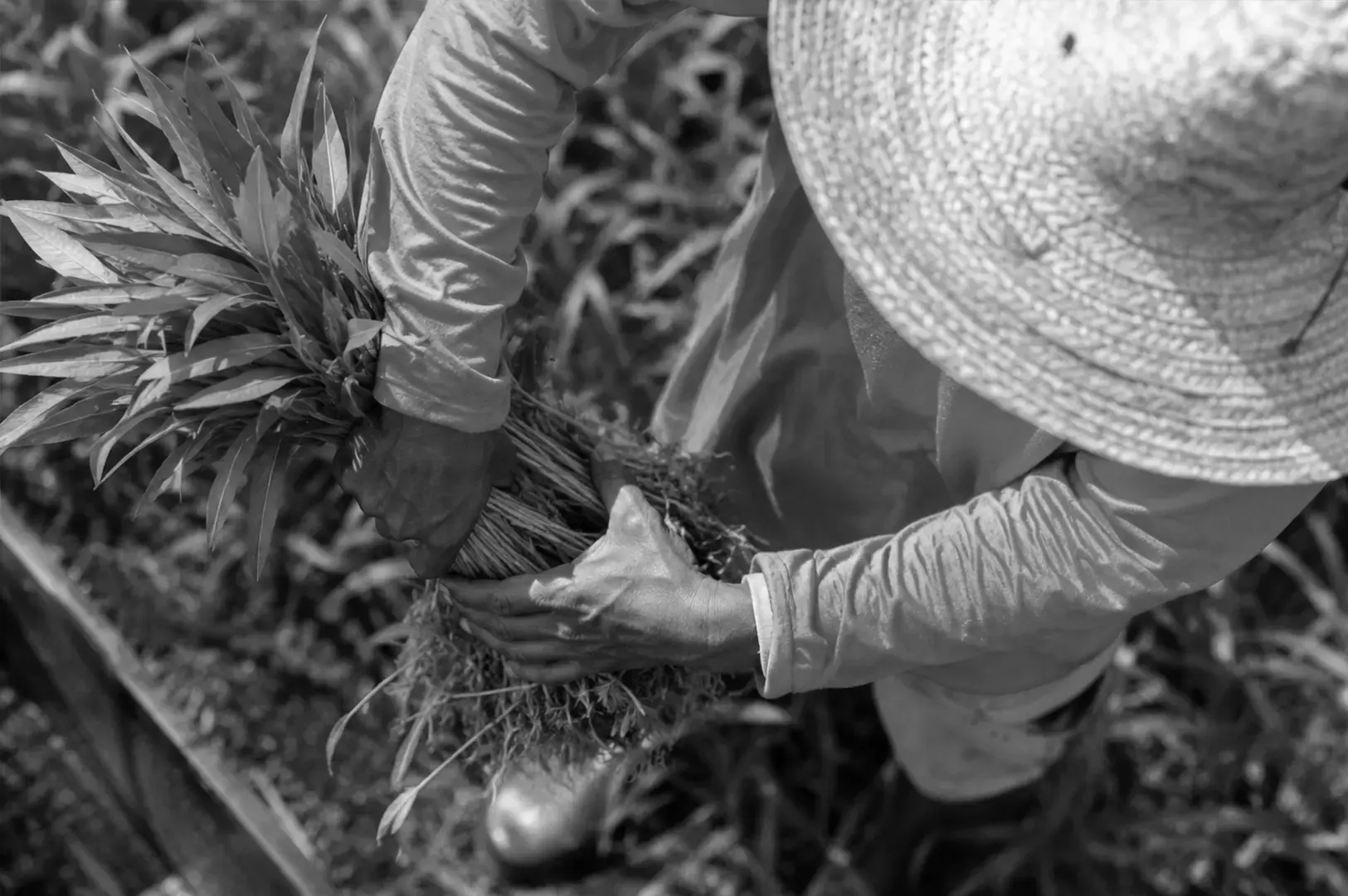
The first time I really understood the farm to table concept, I wasn’t in a restaurant. I was standing on a patch of soil in Lim Chu Kang, watching an auntie pull a handful of fresh produce out of the ground. An hour later, those same leaves showed up on my plate. No truck, no crate, no cold-chain journey across an ocean. Just soil, hands, and a short walk to the kitchen.
Something about that stayed with me. Because in Singapore, where most of what we eat arrives from somewhere else, that kind of closeness to local farms and growers is rare. And once you taste it, you notice the difference in food freshness and quality.
So let me walk you through what farm to table really means here, why it matters more than the marketing suggests, and how to tell the genuine farm to table restaurants from the ones just borrowing the farm to table term.
What Farm to Table Means in Singapore: Beyond Just a Trend
At its simplest, farm to table means a restaurant sources its ingredients directly from local farmers or producers, rather than only through big distributors and long supply chains. This farm to table movement emphasizes the importance of shorter supply chains and transparency in sourcing locally grown food.
The clearest test I use is this: can the restaurant actually name the farm? Not “locally sourced” in vague language, but the specific producer behind the eggs, the greens, the seafood, or the herbs. If they can, you’re usually in good hands.
It tends to come with a few things: local crops, seasonal ingredients, shorter supply chains, fresher fruits and vegetables, and a closer relationship between the chefs and the people who grow the food. But mostly, it’s about transparency and trust — knowing where your meal came from and how it was raised or grown.
Why It Looks Different in a City Like Singapore
Here’s where I think a lot of people get confused about the farm to table term.
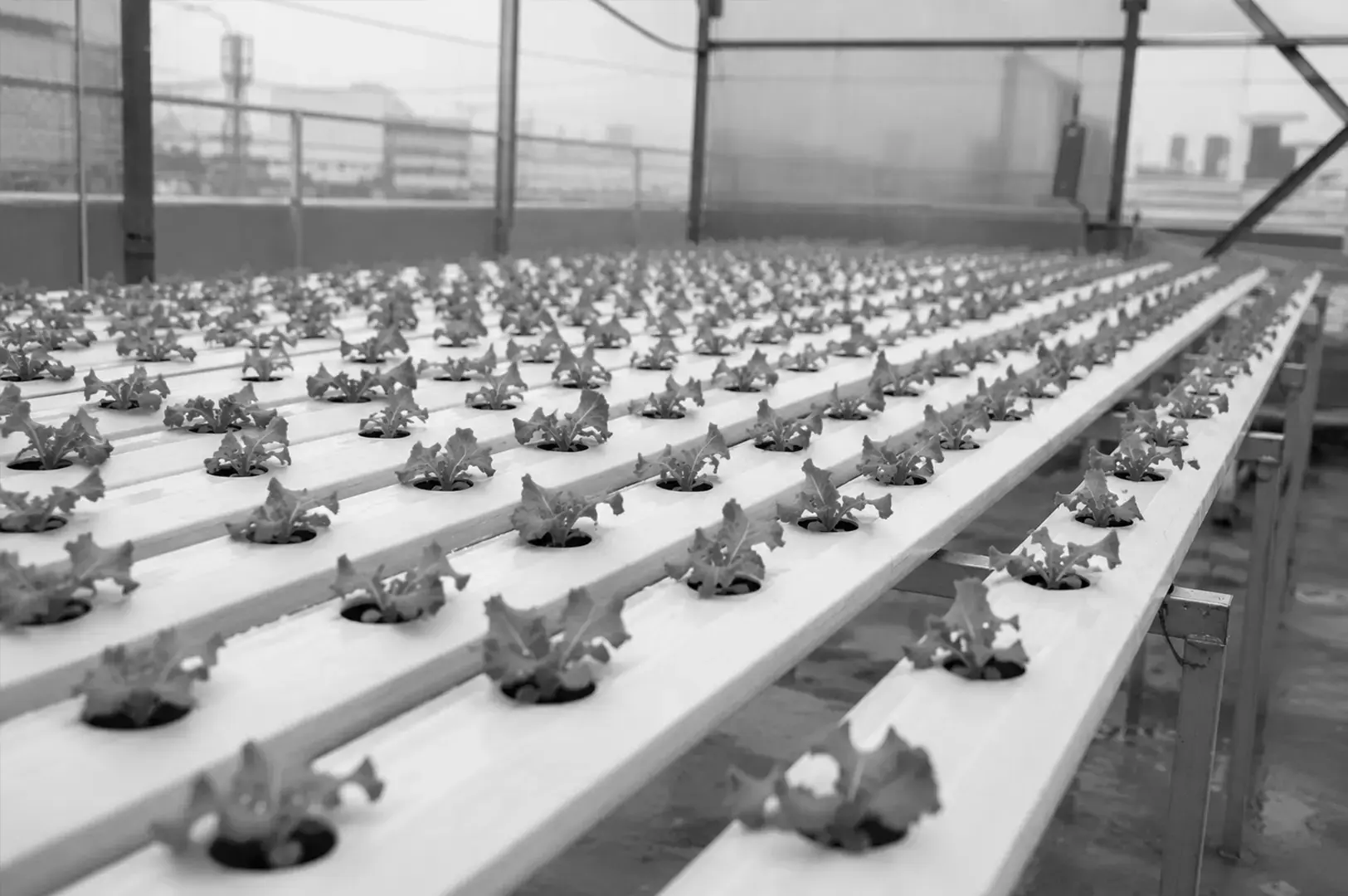
When you hear “farm to table,” you might picture a countryside restaurant beside rolling fertile fields. We don’t really have that here. Land is tight, and our farms don’t sprawl. Instead, farm to table operations in Singapore often involve urban farms, rooftop gardens, hydroponic setups, local fish farms (kelongs), or small edible gardens grown right on the restaurant’s grounds.
It’s the same farm to fork idea, just adapted to a city that has learned to grow food rapidly in vertical racks and controlled rooms rather than open acres. This adaptation preserves fertile fields and clean water sources while supporting environmental protections in a dense urban setting.
I’ve found that once you adjust your mental picture, the farm to table concept makes a lot more sense here.
Supporting Local Farmers and the Local Economy Through Farm to Table Restaurants
This part isn’t just about nice-tasting vegetables or fish. It’s tied to something bigger — the local economy and community sustainability.
Singapore imports the vast majority of its food. That’s a quiet vulnerability most of us don’t think about until a supply chain wobbles somewhere far away. In response, the government has set targets for local farms to supply 20% of our fiber consumption and 30% of our protein consumption by 2035, though it was originally by 2030 but they just have to push it back for a few years, covering things like vegetables, mushrooms, eggs, and seafood (Straits Times, 2025)
Farm to table restaurants play a small but real role in reaching that goal. When restaurants buy from local farms and farmers markets, they create demand. That demand gives local farmers a steadier market, and it slowly teaches diners to value produce grown here rather than treating imports as the default.
Insider knowledge: The “30 by 30” goal isn’t just farming policy. Every time a restaurant chooses local eggs or kelong seafood over cheaper imports, it’s quietly voting for food resilience. Your dinner choice connects to something national, even if it doesn’t feel that way.
The Farm to Table Movement and Its Role in Sustainability and Food Freshness

I’ll be honest with you, because I think this topic gets oversimplified in many restaurant claiming to be farm to table.
Farm to table isn’t automatically green. But done thoughtfully, it helps in a few important ways.
Shorter Supply Chains Preserve Food Freshness and Reduce Environmental Impact
When ingredients travel a shorter distance, there’s less long-haul shipping, less packaging, and less extended cold storage. In a country where food usually arrives through complex logistics networks, cutting that distance matters for food freshness and environmental protections.
That said, “local” doesn’t always mean lower carbon. Some indoor farms run energy-hungry lighting and climate control. So a good farm to table restaurant should be open not just about where food comes from, but how it’s grown and the production involved.
Supporting Urban Farming and Local Foods Grown Year Round
Singapore’s urban farms lean on hydroponics, vertical farming, and controlled-environment agriculture. One vertical farm the authorities highlighted uses 14-tier racks to produce 500 to 600kg of vegetables daily in under 1,000 square metres, while using around 95% less water than conventional deep-water hydroponics.
Those are serious numbers. When restaurants source locally from farms like these, they help make urban farming commercially viable rather than just experimental. This is a good example of how the farm to table movement supports not only the local economy but also environmental protections.
Embracing Food Seasonality to Reduce Waste and Enhance Consumer Preferences
Farm to table restaurants in Singapore tend to build menus around what’s available, not force the same dishes all year. That means working with seasonal harvests, imperfect produce, and smaller batches, which naturally cuts waste and respects food seasonality.
I’ve eaten at places where the menu had quietly changed since my last visit, simply because a different crop had come in. I used to find that inconvenient. Now I think it’s the point.
Awareness of Where Food Comes From Cultivates a Stronger Connection
This, for me, is the biggest quiet benefit.
When a menu tells you the fish came from a local kelong, or the greens were grown on-site, the meal stops being just dinner. Poison Ivy Bistro at Bollywood Farms in Kranji serves dishes using chemical-free produce grown on the same land you can walk through. Scaled by Ah Hua Kelong builds its menu around seafood from one of Singapore’s few remaining local fish farms.
Eating there changed how I think about food. You start connecting the plate to the farmer, the water, the soil, and the community.
The Real Benefits of Farm to Table Restaurants for Consumers, Chefs, and Farmers
Let me break down who this actually helps, because it’s not just a diner’s indulgence.
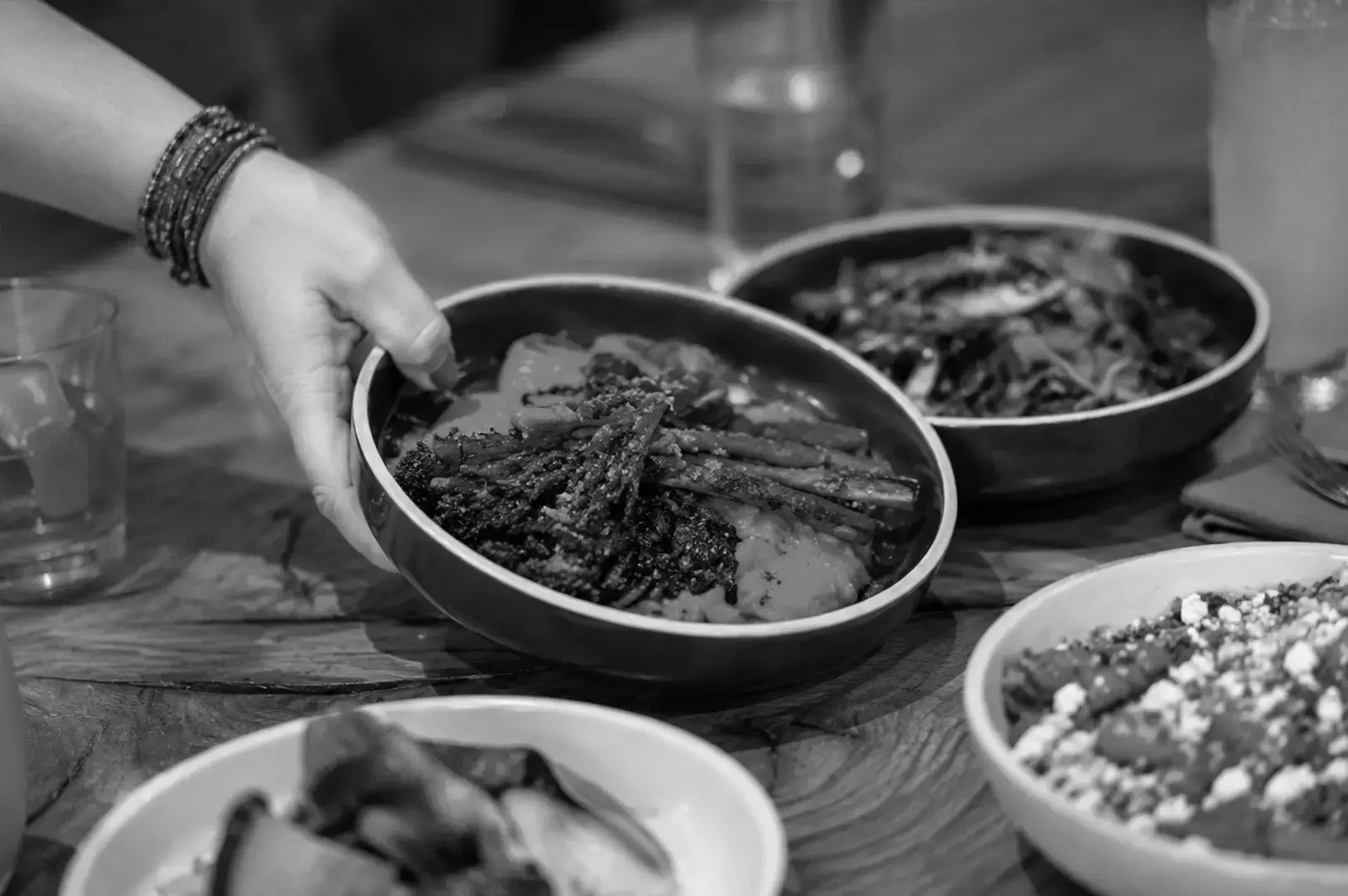
For diners: The food often tastes fresher, simply because it was harvested closer to when it was cooked. You also get more transparency, more seasonal variety, and a stronger sense of place. This aligns with consumer preferences for quality and authenticity.
For restaurants: It lets a kitchen build a menu nobody else can copy. Instead of generic imported ingredients, chefs can highlight Singapore-grown mushrooms, local eggs, kelong seafood, edible flowers, or hydroponic greens. This is a competitive business advantage and a way to serve unique dishes that celebrate local ingredients.
For farmers and producers: Direct partnerships mean steadier demand and real recognition. That matters here, where farms wrestle with land limits, manpower and energy costs, and cheaper imports undercutting them. Farmers markets and community-supported agriculture (CSA) programs also play an important working component in connecting growers directly to consumers.
For our food culture and local economy: It gives Singapore a way to tell local food stories beyond hawker heritage and imported luxury. It turns “sustainability” from a buzzword into something you can actually taste and support. By sourcing locally, farm to table restaurants help preserve fertile fields and clean water sources, ensuring the future of local food production.
A Final Thought on the Farm to Table Trend and Its Future in Singapore
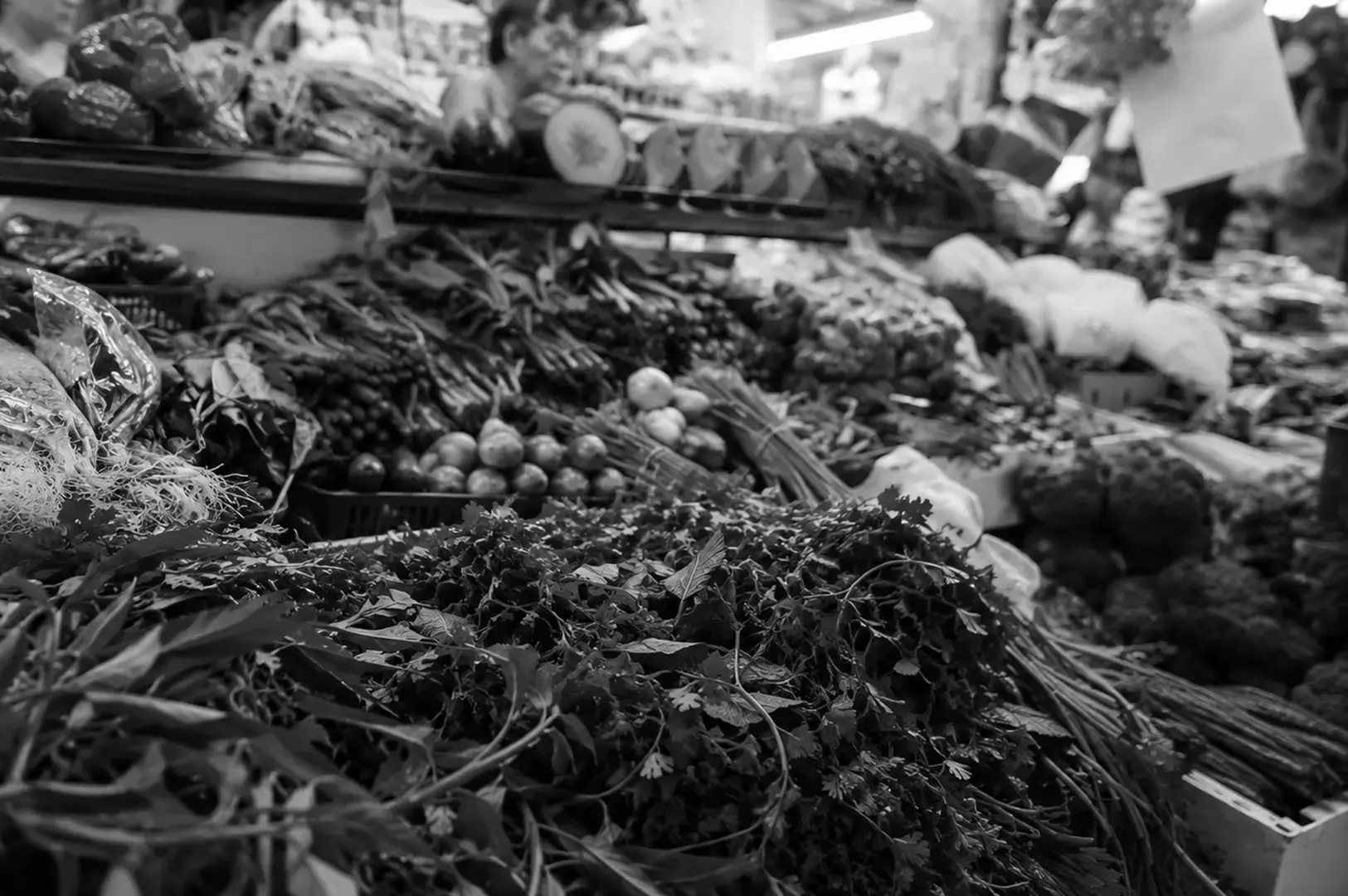
Farm to table means more than fresh vegetables on a plate.
In Singapore, it quietly ties together our restaurants, our urban farms, our last few kelongs, and diners who want to understand where their food comes from. Done well, it supports local producers, trims unnecessary supply-chain distance, encourages cooking that wastes less, and makes sustainability feel practical instead of preachy.
If this guide was useful to you, come read more over at Food Reporters SG, where we keep sharing the food, farms, and quiet tables worth knowing about around Singapore.