
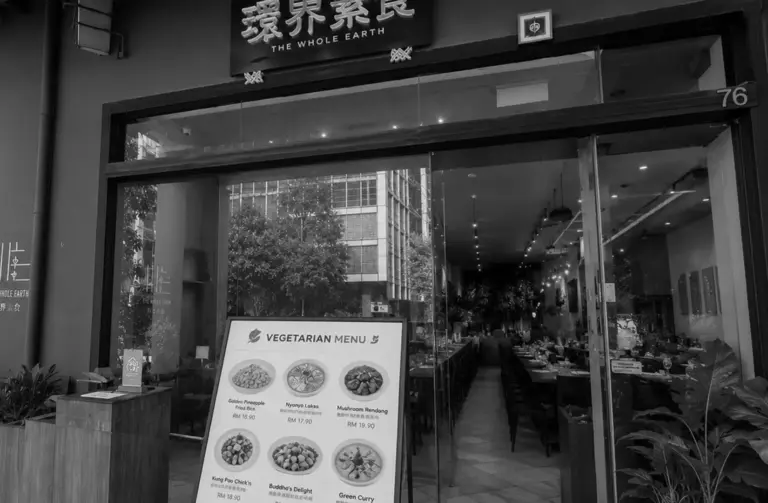
There was a time when plant-based dining in Singapore felt like a separate category. You had to look for a vegetarian restaurant, ask twice about the stock, or settle for the one meat-free option on the menu. Today, that is starting to change.
We are seeing more restaurants and cafes treat plant-based food not as a side note, but as part of the main dining experience. Vegan burgers, vegetarian pastas, meat-free rice bowls, dairy-free desserts, oat milk coffee, mushroom-based mains, and vegetable-forward brunch plates are now easier to find across the island. This shift is not happening only in health cafes. It is appearing in casual eateries, hotel restaurants, modern Asian kitchens, coffee spots, and even places that still serve meat.
Part of the reason is demand. More diners are becoming flexible with how they eat. Not everyone is fully vegan or vegetarian, but many are choosing meatless meals more often. Some do it for health, some for sustainability, some for religion, and others simply because they want a lighter option. The rise of flexitarian dining has made the plant-based movement more approachable. It is no longer about giving something up completely; it is about having more choice.
Restaurants are responding because the customer base has widened. A group dinner today may include one vegetarian, one diner avoiding dairy, one person cutting down on meat, and another who just wants something clean before a busy week. A menu with strong plant-based options makes the restaurant easier to choose. It also signals that the kitchen is paying attention to how people eat now.
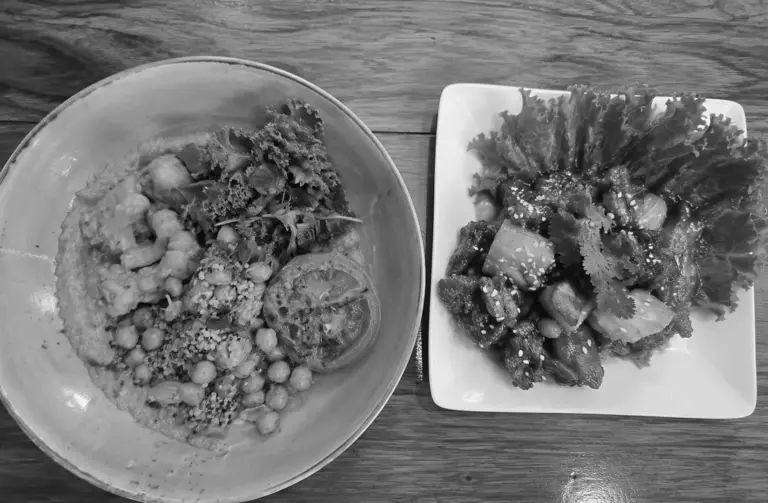
What is more interesting is how Singapore restaurants are adapting plant-based food to local taste. Diners here are not easily impressed by a plain salad or bland grain bowl. We expect flavour, texture, and value. That is why better plant-based dishes now lean on ingredients such as mushrooms, tofu, tempeh, jackfruit, eggplant, legumes, herbs, spices, and sauces with real character. When done well, the dish does not feel like a replacement. It stands on its own.
Cafes have also played a big role in making plant-based dining feel normal. Oat milk is now common in coffee orders, and brunch menus often include avocado toast, açai bowls, vegan bakes, meat-free sandwiches, and dairy-free sweets. These are not always marketed loudly as vegan food; they are simply part of what a modern cafe offers.
Still, the movement has its challenges. Plant-based ingredients can be expensive, and not every restaurant gets the execution right. Some dishes still feel like an afterthought, priced like a full main but served without the same care. Diners can tell the difference. If plant-based food is going to stay mainstream, it needs to be satisfying, not just responsible.
For Singapore, this shift feels practical rather than trendy. We are a city that loves food, but we are also becoming more aware of health, sustainability, and dietary needs. The restaurants that adapt well will not be the ones that simply add a vegan label. They will be the ones that make plant-based dishes worth ordering, even for people who eat everything.
Plant-based dining has moved past being a niche. It is now part of the wider conversation about how Singapore eats, and where our dining scene is heading next.
“A good plant-based dish should not make diners ask what is missing; it should make them want another bite.”
Visit Food Reporters SG for more stories on Singapore’s changing food culture and the dining trends shaping what we eat next.