
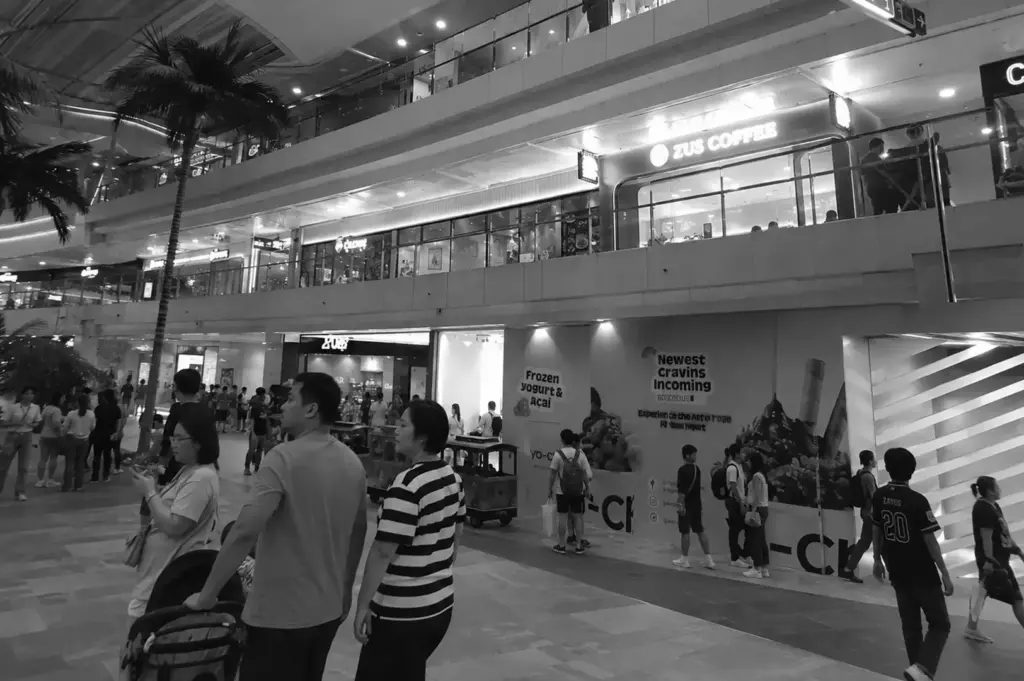
“Where people gather, food will always find a way to become the main attraction.”
I used to think of mall dining as convenient rather than exciting. It was where people went when they needed a quick meal before a movie, after shopping, or between errands. The options were familiar, the setting was predictable, and the purpose was simple. Today, that view feels outdated. Singapore’s mall dining scene has become much stronger, and in many cases, malls are now competing seriously with standalone dining streets and neighbourhood food enclaves.
The shift is easy to see. Step into major malls across Orchard, Bugis, Marina Bay, Paya Lebar, Jurong, Tampines, or the city fringe, and the food options are no longer limited to basic chains and food courts. There are specialty coffee bars, Korean restaurants, Japanese concepts, bakeries, casual bistros, dessert shops, hotpot brands, quick-service international names, and chef-led casual dining formats. Some malls have become dining destinations in their own right, not just places where people eat because they happen to be there.
Part of this comes down to convenience. Singaporeans like efficiency, and malls provide it well. A good mall gives diners transport access, air-conditioning, shelter, parking, shops, cinemas, supermarkets, and restaurants in one place. That matters in a city where weather, time, and convenience often decide where people eat. For families, office workers, students, and groups with different preferences, mall dining solves a practical problem. Everyone can find something without travelling between multiple locations.
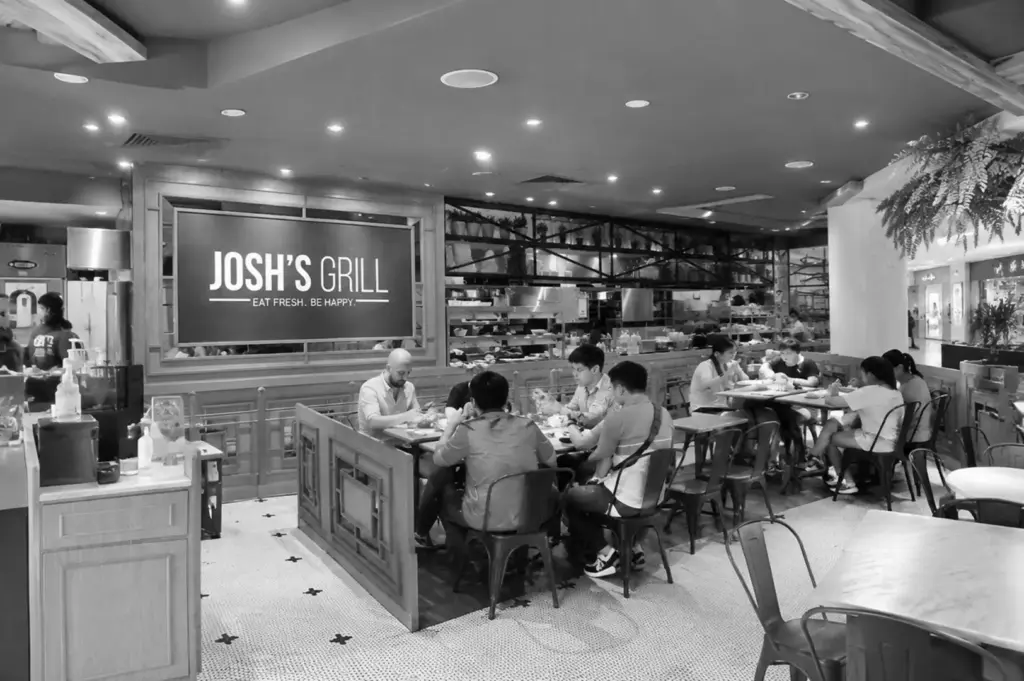
But convenience alone does not explain the growth. Malls have also improved their food curation. Landlords understand that dining drives foot traffic. A strong restaurant mix can keep people inside the mall longer, bring them back after office hours, and turn weekends into full-day visits. This is why malls are paying closer attention to variety. They need crowd-pleasers, but they also need new brands, trend-led concepts, and food options that give diners a reason to visit.
For restaurants, malls offer visibility and built-in traffic. A standalone shop may have more personality, but it also depends heavily on destination appeal. In a mall, a restaurant can benefit from shoppers, office crowds, residents, and people who discover it by walking past. This matters especially for overseas brands entering Singapore or local concepts looking to scale. The mall becomes both a shopfront and a testing ground.
Still, mall dining has its limits. High rent can push restaurants toward safer menus. Some concepts become too polished, too repeated, or too similar from one mall to another. When every location starts to feature the same mix of cafes, hotpot restaurants, bubble tea counters, and Japanese eateries, the experience can feel predictable. Diners may appreciate convenience, but they still want character.
That is where the better malls stand out. They know dining should not feel like a checklist. The strongest mall food scenes balance reliable favourites with fresh openings, casual meals with destination restaurants, and quick bites with places worth booking ahead. They understand that Singaporeans do not simply want somewhere to eat; we want somewhere that fits the moment.
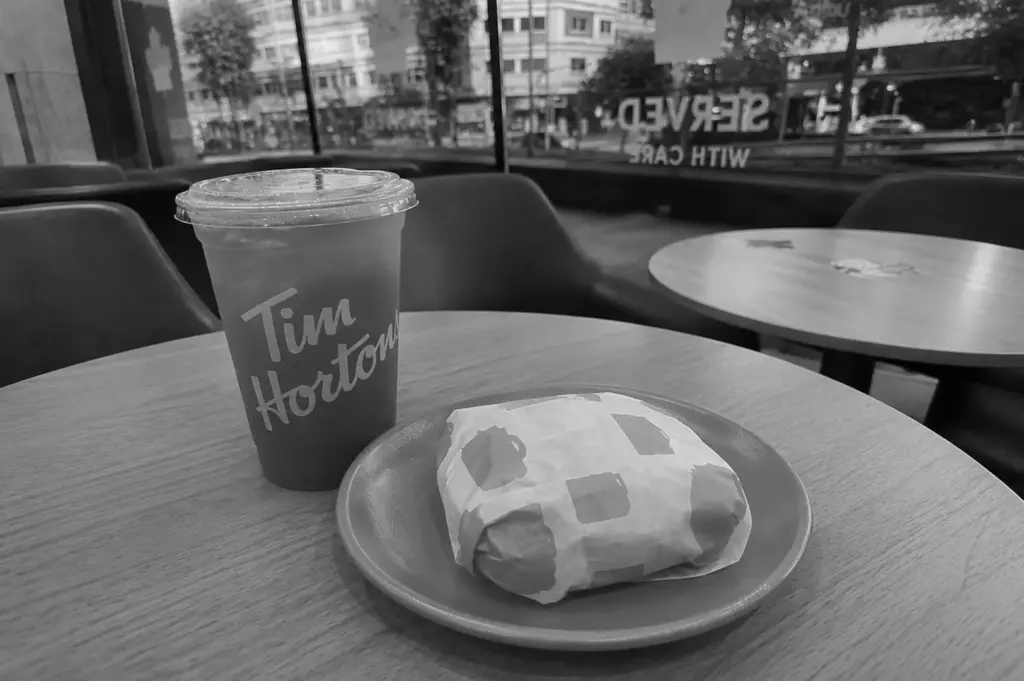
For me, the rise of mall dining says something practical about Singapore’s food culture. We are not abandoning hawker centres, cafes, or neighbourhood restaurants. We are adding another layer to how we eat. Malls have become part of the everyday dining map because they make food easier to access while still offering enough variety to feel current.
The future of mall dining will depend on whether malls can keep that balance. If they offer only convenience, diners will treat them as backup plans. If they offer convenience with personality, they will keep becoming places people choose first.
Click here to visit Food Reporters SG for more stories on Singapore’s dining trends, restaurant openings, and the places shaping how we eat today.