
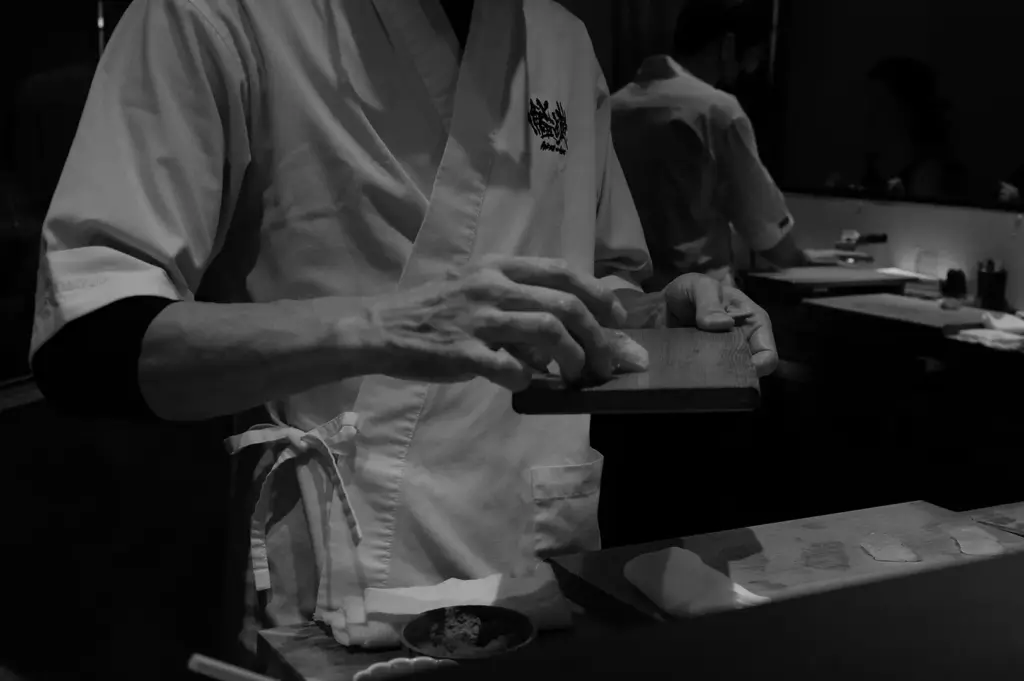
Singapore’s relationship with Japanese cuisine has grown far beyond the occasional sushi platter or casual ramen stop. Over the years, diners have become increasingly familiar with different expressions of Japanese sushi restaurant Singapore has, from neighbourhood sushi counters to carefully curated omakase experiences where chefs decide each course based on seasonality and availability.
Yet, as omakase became more closely associated with luxury dining, the format also became tied to certain expectations: a lengthy meal, an intimate counter setting, and prices that often place it within the realm of special occasions. Sushi To Sumi takes a different approach. Located in the heart of Raffles Place, the restaurant explores whether high-quality sushi can exist within a faster, more practical format without losing the craftsmanship behind each piece.
At $108, Sushi To Sumi presents what its founders describe as an omakase experience comparable to higher-priced sushi counters, but delivered through a standing sushi bar format. The result is a dining concept that sits somewhere between Singapore’s casual sushi options and traditional high-end omakase establishments; one built around quality ingredients, Japanese technique, and the rhythm of everyday city life.
Returning Sushi to Its Original Rhythm
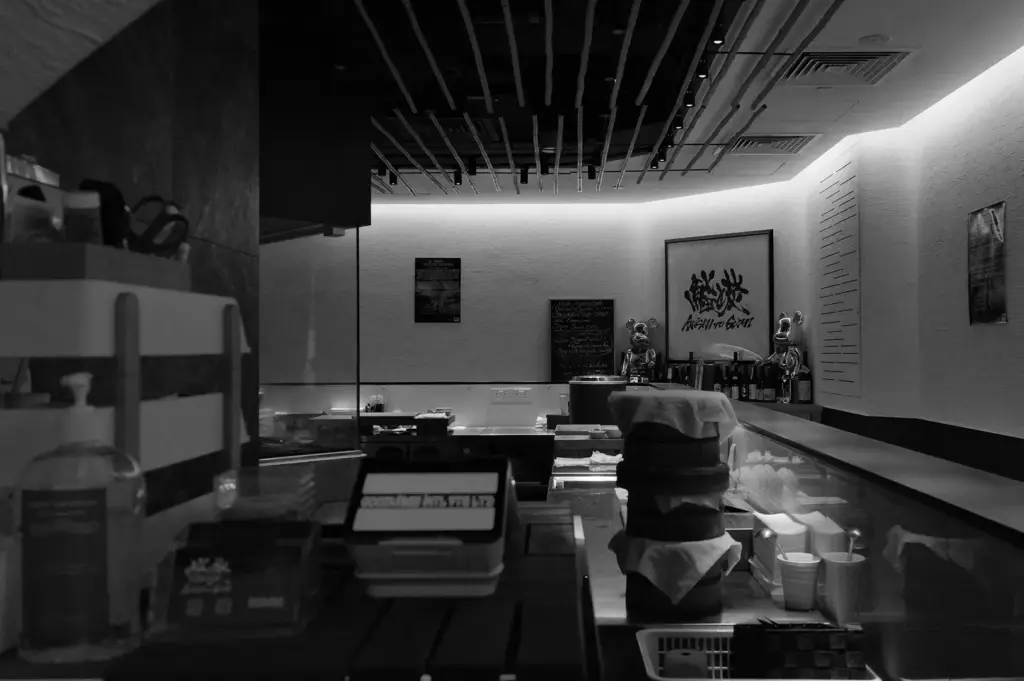
The first thing that separates Sushi To Sumi from many sushi restaurants in Singapore is not a particular ingredient or cooking technique. It is the absence of chairs.
The restaurant follows the Japanese tachigui (standing sushi) tradition, a style of dining where customers eat at a standing counter before returning to their day. While the format may feel unfamiliar to diners used to long omakase sessions, Sushi To Sumi positions it as a return to sushi’s earlier identity; a food culture that valued freshness, speed, and accessibility.
The concept draws inspiration from Edo-period sushi, where sushi developed as a form of street food rather than a lengthy ceremonial meal. Sushi To Sumi’s approach is built around that idea: premium sushi does not necessarily need to take several hours when the ingredients and preparation speak for themselves.
For CBD diners, the concept fits naturally into the pace of Raffles Place. A customer can step away from the office, enjoy sushi prepared directly at the counter, and return without committing an entire afternoon to lunch.
The Difference Between Expensive Sushi and Thoughtful Sushi
The discussion around omakase often centres on price. In Singapore, premium sushi experiences can easily become associated with exclusivity, where higher prices are often linked to rare seafood, specialised chefs, and elaborate presentations.
Sushi To Sumi approaches the conversation differently. Rather than positioning itself as a competitor to every ultra-premium sushi counter, the restaurant occupies a middle ground; focusing on delivering carefully sourced seafood and skilled preparation at a more accessible price point.
The restaurant’s philosophy comes from founder Araya-san, who brings experience from the seafood industry through Araya Shouten, a Japanese fishmonger known for supplying quality seafood to restaurants in Singapore. Sushi To Sumi represents his first F&B venture, acting as a place where diners can experience the standards behind serious Japanese seafood preparation.
The focus is not simply on serving expensive ingredients, but understanding how the fish is handled, prepared, and presented. This extends to the restaurant’s approach to seasonality, where the menu changes according to what is available and at its best rather than relying entirely on a fixed selection.
Dining at Sushi To Sumi
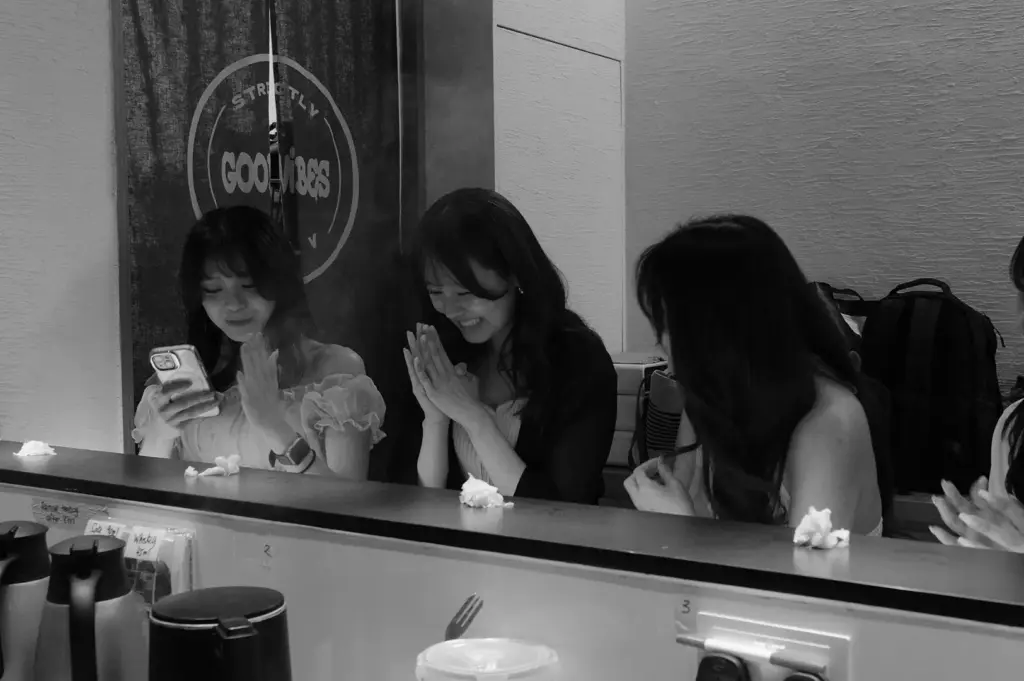
Stepping into Sushi To Sumi feels different from entering a traditional omakase restaurant. The standing counter creates a more immediate interaction between diner and chef. There is less separation between the preparation and the meal itself: customers are able to watch each piece being shaped, finished, and served moments before it is eaten.
The chef-led experience follows the rhythm of a traditional sushi counter, where timing matters as much as the ingredient itself. Sushi is served according to what is available, allowing the meal to reflect the condition of the seafood rather than following a rigid menu.
The restaurant’s name also reflects another important part of its identity. “Tosumi” combines sushi with sumi, meaning charcoal, representing the two elements that define the concept: nigiri and binchotan charcoal grilling. Beyond raw preparations, the use of Japanese white charcoal adds another layer to the menu through grilled and aburi items, bringing aroma and warmth alongside the precision of sushi.
The charcoal element also reflects the restaurant’s broader approach towards using ingredients fully. Fish bones from seafood preparation are transformed into soup, while parts such as the collar can be grilled and served rather than discarded. This zero-waste approach follows traditional Japanese cooking practices where every part of the ingredient is valued.
A Different Way to Experience Omakase
Sushi To Sumi’s biggest contribution to Singapore’s sushi landscape may not simply be its pricing or standing format. Instead, it challenges the assumption that premium sushi must always be slow, formal, and reserved for special occasions.
The restaurant presents another interpretation: sushi as part of everyday life. It is designed for the office worker looking for quality during lunch, the solo diner who wants to enjoy sushi comfortably at the counter, or the Japanese food enthusiast looking for a familiar style of dining from Tokyo.
There is a certain honesty in its positioning. Sushi To Sumi does not attempt to recreate every aspect of an ultra-luxury sushi experience. Instead, it focuses on what defines sushi at its core: good seafood, skilled preparation, seasonality, and the connection between chef and diner.
Final Verdict: Sushi To Sumi’s Place in Singapore’s Sushi Scene
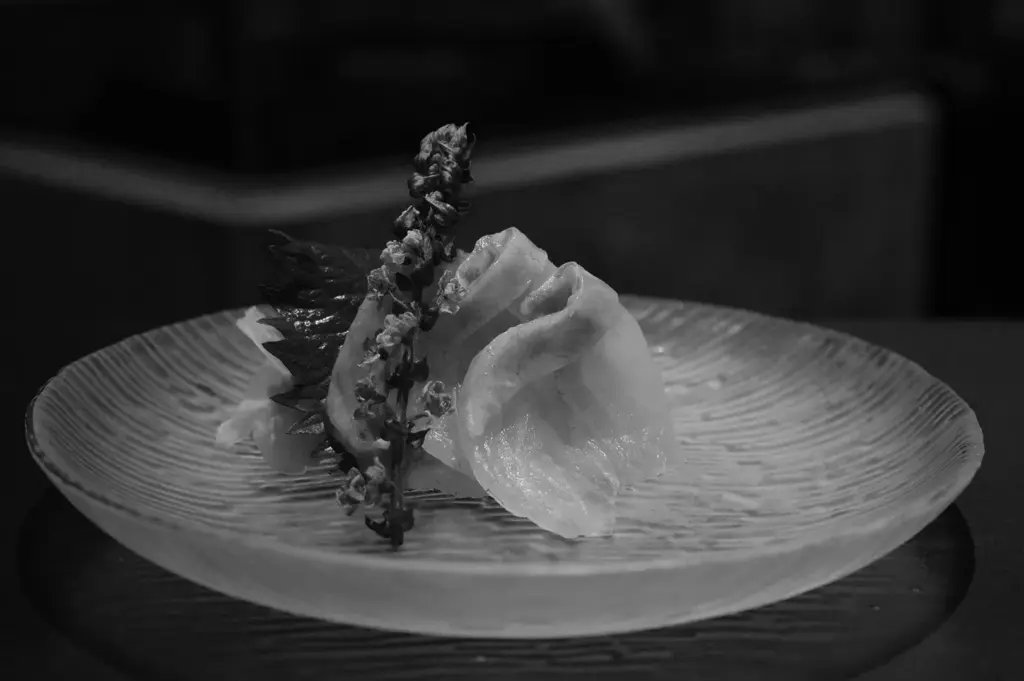
Sushi To Sumi represents a different direction for omakase dining in Singapore. By combining Tokyo’s standing sushi culture with carefully sourced seafood and a shorter dining format, it creates an experience designed around modern city life.
The $108 omakase proposition will appeal to diners who appreciate Japanese sushi craftsmanship but may not always have the time or occasion for a lengthy counter experience. It is not trying to replace traditional omakase instead, it offers another way to understand what sushi can be.
For those curious about Tokyo’s tachigui culture, or diners looking for a sushi experience that fits naturally into Singapore’s fast-moving CBD environment, Sushi To Sumi offers a glimpse of a dining tradition built around simplicity, precision, and respect for the ingredient.
For more of this sushi options, check Food Reporters to find what suits your taste best!