
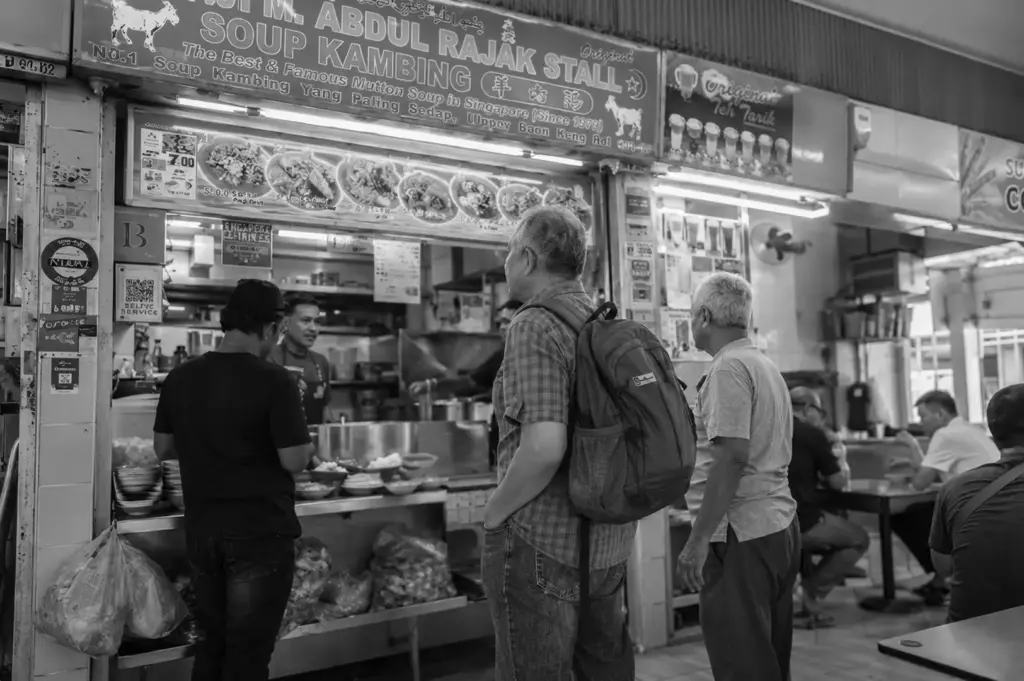
“Curiosity at the table often says more about a city than the food itself.”
I used to think Singaporeans were adventurous eaters only when the food felt familiar enough. We would try something new, but only if there was a friend to recommend it, a queue to validate it, or a sauce that reminded us of something we already knew. These days, that line seems to be shifting. More diners are walking into restaurants serving regional Chinese cuisines, lesser-known Asian dishes, niche international concepts, and menus that would have felt risky a decade ago.
This change is not happening because Singaporeans have suddenly become fearless. We are still practical diners. We still ask about price, portion, spice level, and whether the place is worth the trip. But I think we have become more willing to give unfamiliar food a chance, especially when there is a clear story behind it. A restaurant serving Hainanese dishes from China, Yunnan-style noodles, Beijing small plates, Uyghur lamb skewers, Georgian dumplings, Sri Lankan rice sets, or modern Filipino food no longer feels impossible here. It feels like part of the wider dining conversation.
The rise of regional Chinese cuisine is one of the clearest examples. For many years, Chinese food in Singapore was understood through local dialect traditions, Cantonese restaurants, Sichuan mala, and hotpot. Now, diners are encountering more specific regional identities. That matters because it moves the conversation from “Chinese food” as one broad category to a more accurate view of how diverse it really is. The more precise the cuisine becomes, the more Singapore diners learn to appreciate difference.
Social media has helped push this along. A short video can make an unfamiliar dish look approachable. A good caption can explain how to eat it. A queue outside a new restaurant can turn curiosity into confidence. Food discovery apps and online reviews also reduce the risk of trying something new. Before we spend money, we can already check photos, menus, prices, and comments. That makes adventurous eating feel less like a gamble.
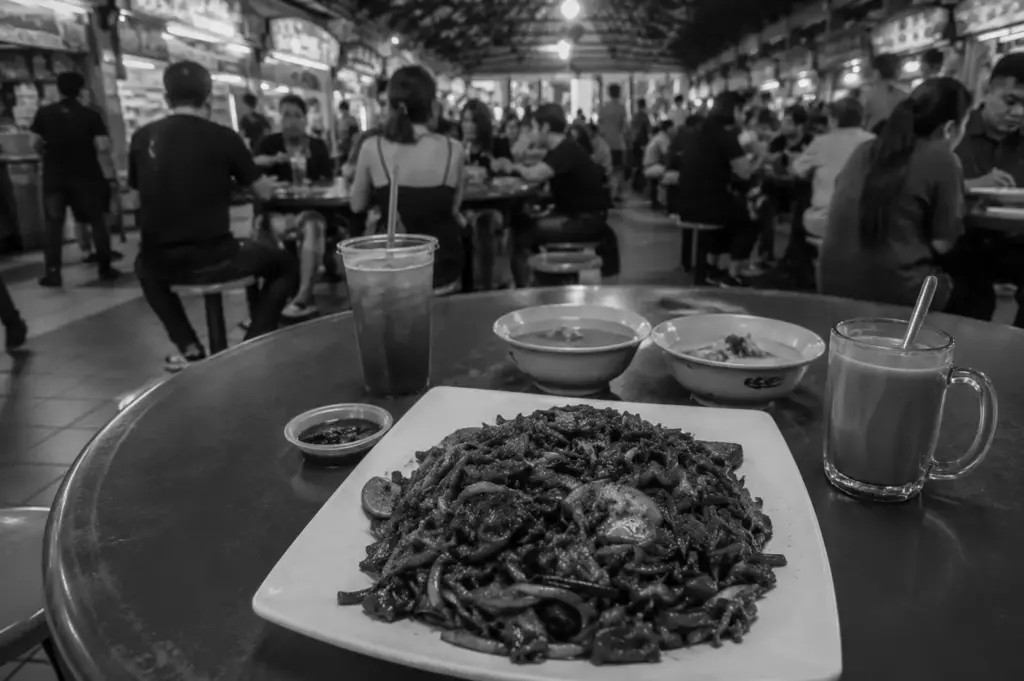
Travel has also played a role. Singaporeans travel often, and many return with cravings. After eating in Seoul, Chengdu, Bangkok, Osaka, Taipei, or Melbourne, diners become more aware of how food should taste at its source. When similar concepts open here, they are not seen as strange. They are seen as reminders of a trip, or as a chance to taste something without leaving the country.
Still, there is a limit to how adventurous we really are. Novelty alone does not guarantee success. A restaurant can be unusual and still fail if the food is weak, the pricing is unclear, or the experience feels forced. Singaporeans may be more open-minded now, but we are not careless with our meals. Curiosity gets people through the door; quality decides whether they return.
I also think our definition of comfort food is expanding. Comfort used to mean the dishes we grew up with. Now, it can include a hot bowl of Korean soup, a plate of hand-pulled noodles, a smoky skewer, a Middle Eastern spread, or a sour, spicy broth from another region. That does not make local food less important. It simply means our appetites are becoming more layered.
So, are Singaporeans becoming more adventurous eaters? I would say yes, but in a very Singaporean way. We are adventurous when the food feels worth understanding. We are open to unfamiliar flavours, but we still expect value, execution, and a reason to care.
The best dining cities are not the ones that chase trends blindly. They are the ones that know how to stay curious. Singapore is getting better at that.
Visit Food Reporters SG for more stories on Singapore’s food trends, dining culture, and the flavours shaping what we eat next.