
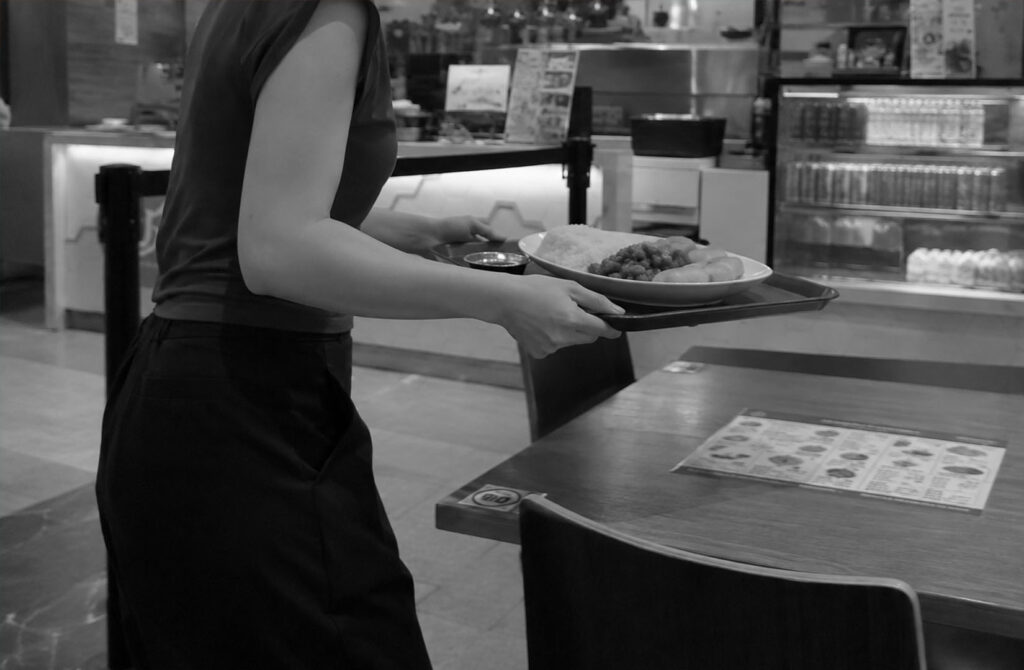
“Eating alone does not always mean being lonely; sometimes, it simply means choosing your own time.”
I used to think solo dining in Singapore came with a small social discomfort. You walked into a restaurant alone, asked for a table for one, and waited for that brief pause from the staff. It was never dramatic, but it was enough to make some people feel watched. For a long time, dining out was treated as something meant for couples, families, colleagues, or groups of friends. Eating alone felt like something to explain.
That has changed.
Today, solo dining feels far more normal, especially in a city where people work long hours, move between appointments, and often eat outside the home. A person having ramen alone after work, ordering a set meal at a counter, or sitting in a cafe with a book no longer stands out. In fact, it has become one of the more practical ways to eat. You do not need to coordinate schedules, compromise on cuisine, or wait for someone else to be free. You simply go where you want, order what you like, and leave when you are ready.
Restaurants have noticed this shift. Counter seating has made solo dining easier and less awkward, especially in ramen shops, sushi bars, izakayas, casual Japanese restaurants, coffee bars, and small modern eateries. A counter gives diners a place to sit without feeling as if they are occupying a table meant for two or four. It also gives the meal a sense of focus. You can watch the kitchen, speak briefly with staff, or simply eat quietly without needing to perform sociability.
Smaller portions and single-person sets have also helped. Hotpot, barbecue, and sharing-style restaurants used to be more difficult for solo diners because the format assumed a group. Now, more places are offering individual sets, personal pots, single grill portions, lunch bowls, tasting plates, and compact menus that work for one person. This matters because it removes the old idea that certain foods are only enjoyable when shared.
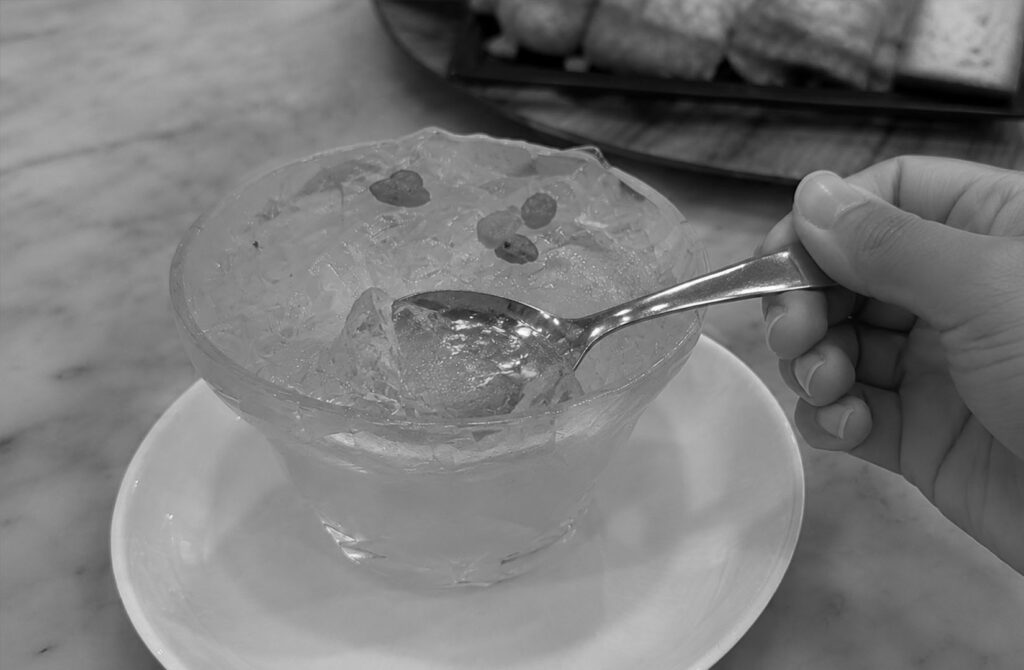
There is also a wider cultural change. People are more comfortable doing things alone now. They travel alone, watch films alone, work from cafes alone, and eat alone. The phone has played a part, of course, but I do not think this is only about distraction. For many diners, solo meals are a way to reset. After a long day, not every meal needs conversation. Sometimes, silence is part of the appeal.
Singapore’s food scene is well suited to this. Hawker centres have always made solo dining easy. A person can sit down with a plate of chicken rice, fishball noodles, nasi lemak, or ban mian without anyone thinking much of it. What has changed is that this comfort has moved into cafes, restaurants, and higher-priced dining spaces. The solo diner is no longer treated as an exception; increasingly, they are part of the regular customer base.
Still, not every restaurant has adapted. Some places remain uncomfortable for one, especially when portions are large, seating is limited, or reservations are designed around pairs and groups. There is room for better thinking here. If restaurants want to serve modern diners, they need to consider how people actually live, not just how dining traditionally looked.
For me, the rise of solo dining is a healthy change. It gives people more freedom and less embarrassment. It allows restaurants to serve customers at different rhythms. Most importantly, it reminds us that a good meal does not always need an audience.
Eating alone is no longer a social failure. In Singapore, it is becoming a normal part of city life.
Visit Food Reporters SG for more stories on Singapore’s dining culture, restaurant trends, and the changing ways we eat.