
I got there early, before the road had properly woken.
Keong Saik Road in the morning is a strange, gentle thing. The bars are shuttered, the party from the night before scrubbed off the pavement, and for an hour or two the street belongs to the old shophouses again. That’s when I like it best. That’s when Tong Ah Eating House feels the way I imagine it always has.
I came for kaya toast. I stayed longer than I meant to, over a cup of traditional kopi and a plate of half boiled eggs, watching the day arrive.
Tong Ah Eating House: A Corner That Has Seen Decades of Business
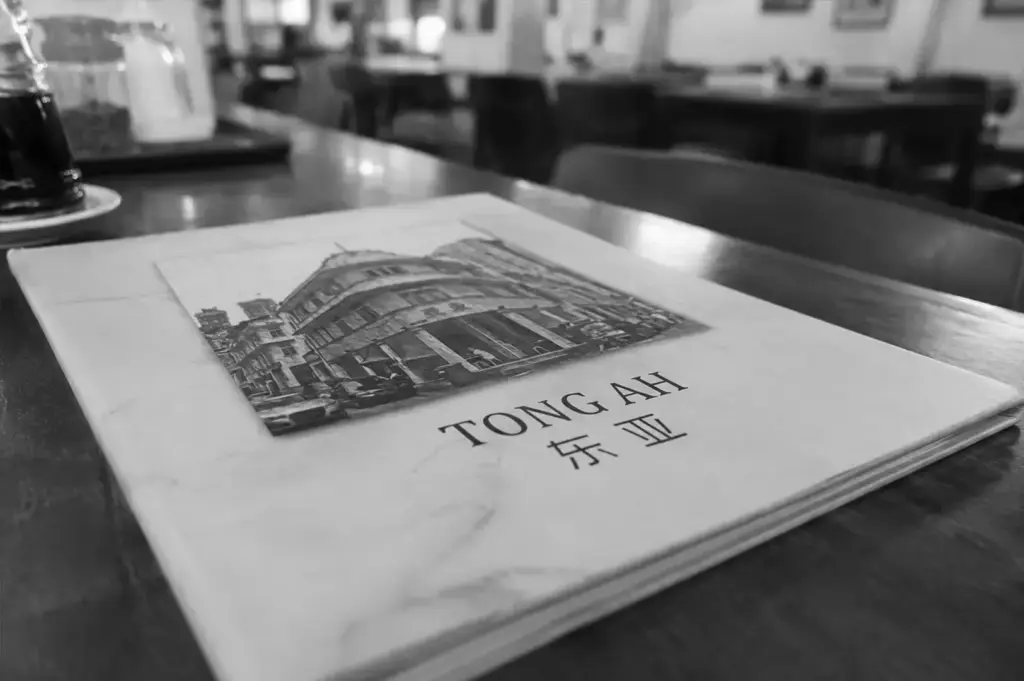
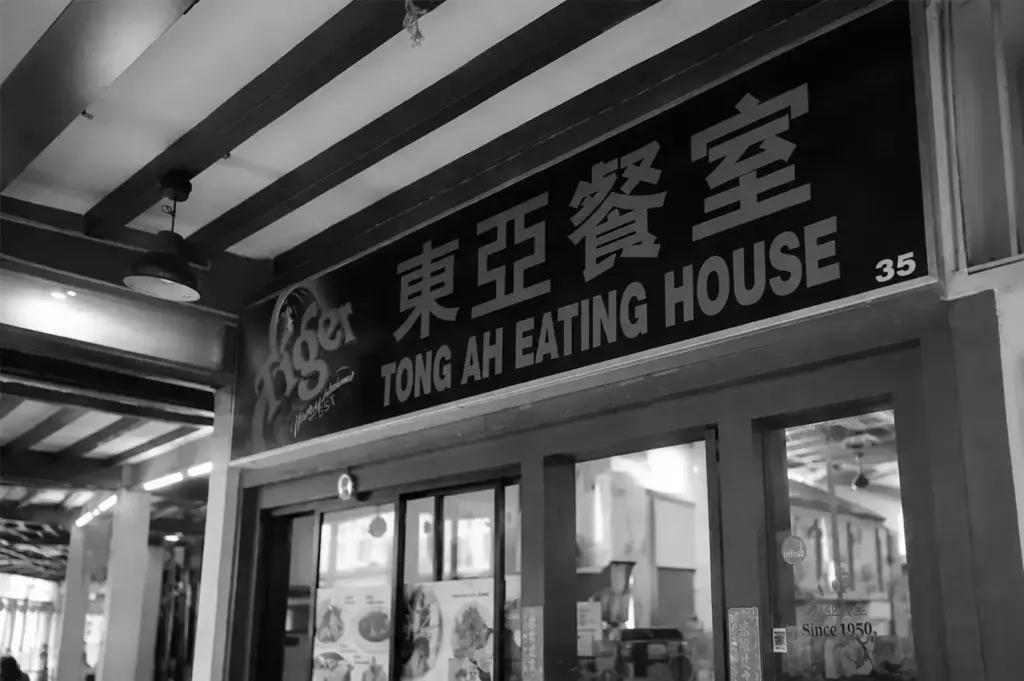
Tong Ah Eating House, often simply called Tong Ah or Ah Eating House by locals, has been feeding this street since 1939. It once sat in the famous triangular red-and-white shophouse everyone photographed before moving a few doors down to 35 Keong Saik Road. The building changed. The bones of the place did not.
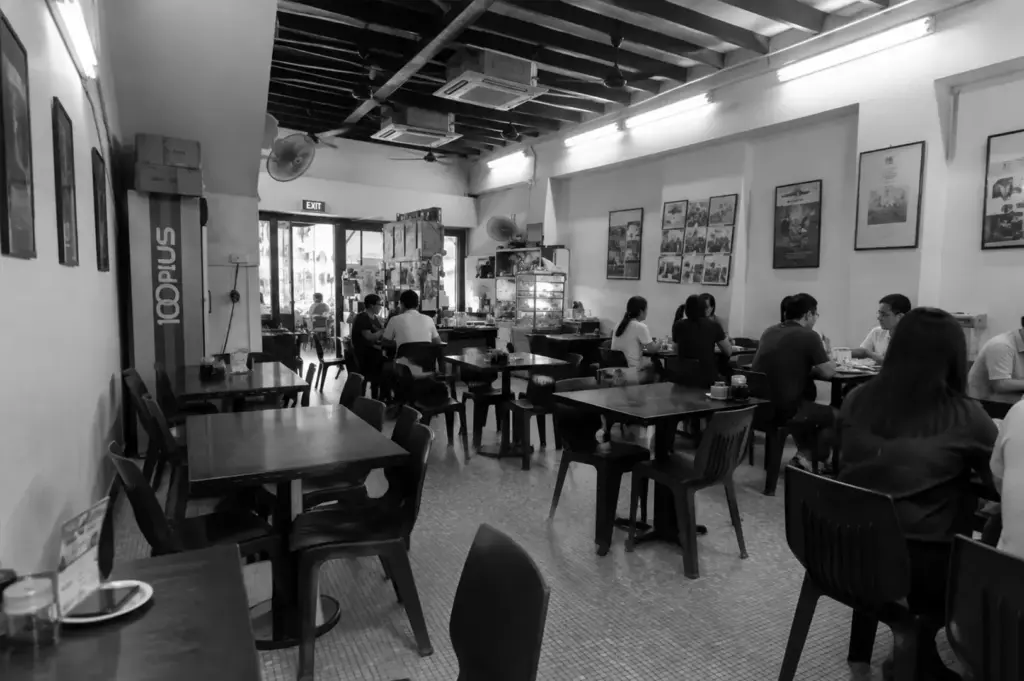
Walking in, there’s no ceremony to it. Marble-topped tables, plastic stools, a coffee counter where someone is already pulling cups of brew coffee. The lighting is practical, the fans turning overhead, the sounds of a kopitiam getting on with its morning.
It’s casual in the way old eating houses are casual, meaning nobody is performing for you. A couple of uncles sat near the front with their coffee and newspapers. A pair of overseas customers studied the wall menu with the careful attention of people who’d read about this somewhere. The soy sauce bottles were the same ones you’d find at any coffee shop, a little sticky at the neck.
I liked that. There’s an honesty to a room that hasn’t tried to reinvent itself for the cameras or fancy hotel standards. This is a place where locals come to enjoy simple food and coffee, where decades of tradition make the atmosphere smooth and familiar.
Tong Ah Eating: What I Ordered at This Eating House
I kept it to the things Tong Ah is known for, because this isn’t a place you come to reinvent breakfast. You come for the version of it that has stayed the same on purpose.
Crispy Thin Toast Kaya: The Super Crispy Version
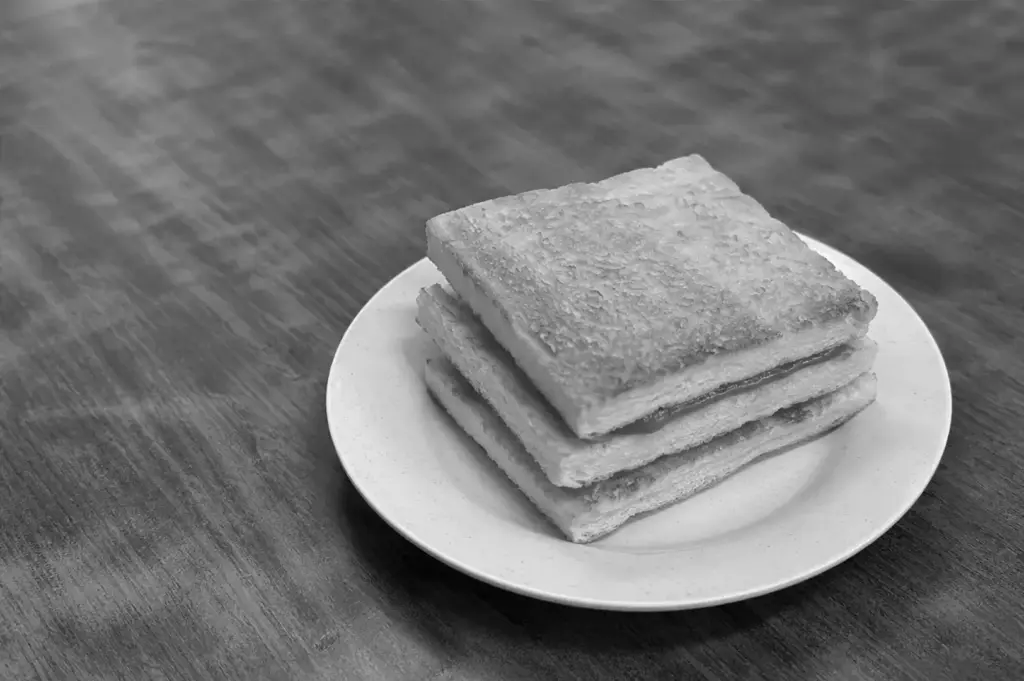
The kaya toast is the reason most people find their way here, and I ordered it the way the regulars do, the super crispy toast or crispy thin toast kaya (around S$2.80).
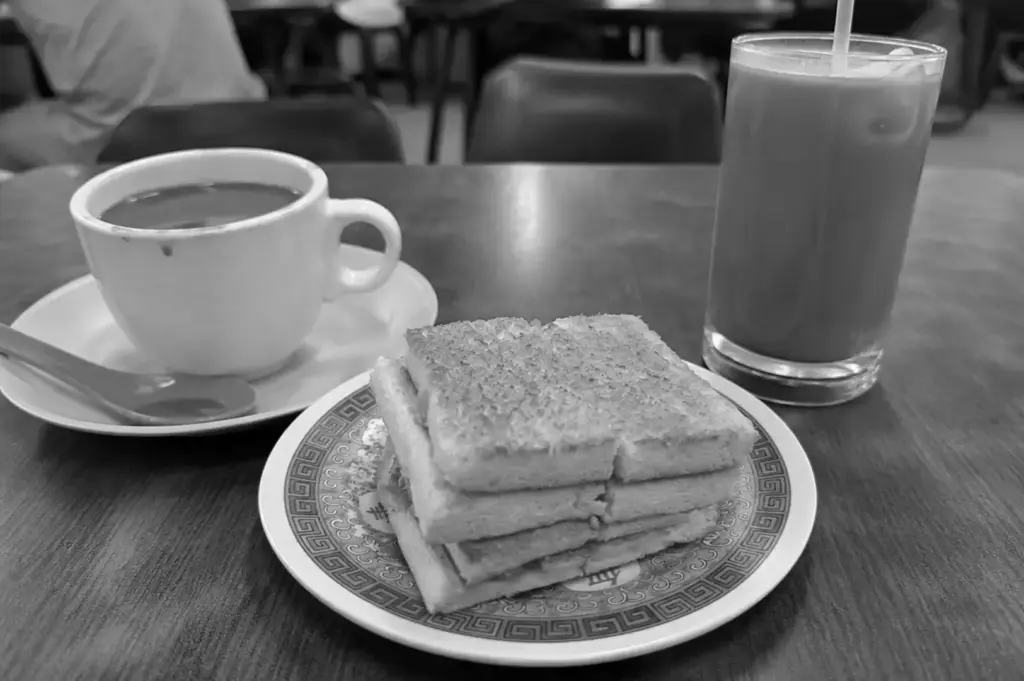
It arrived thin and dark, toasted slowly over slow fire until the bread turned brittle, almost like a cracker. A layer of sweet kaya, fragrant and a little herbal, sat beneath a cold slab of butter that hadn’t quite melted. That was the whole point.
The first bite gave me that old contrast I remember from childhood breakfasts. The crackle of the super crispy version against the give of cool butter, the sweetness of the kaya cutting through. It shattered a little as I ate, crumbs on the plate, and I didn’t mind. This is toast that asks you to pay attention to texture more than anything else.
Was it life-changing? No. It wasn’t trying to be. It was simple, familiar, and made with the kind of care that only comes from doing one thing for a very long time. I’d order it again without thinking twice.
French Toast Kaya: The Softer Side of Ah Eating House
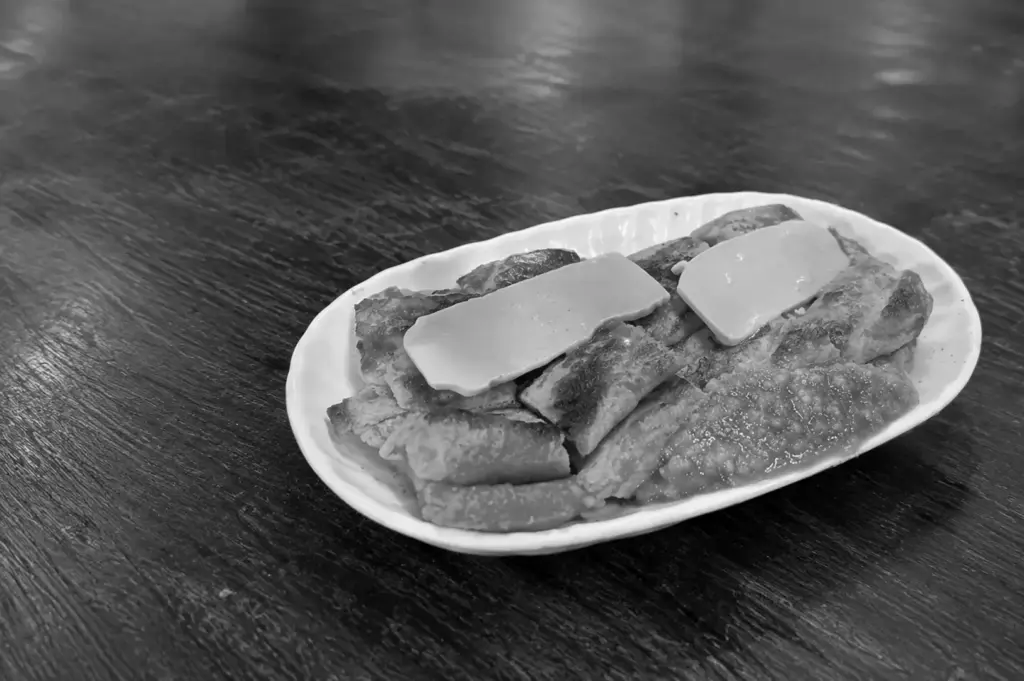
For something softer, I added the French toast kaya (around S$4.20), which is Tong Ah’s gentler answer to the crisp original.
Where the standard toast is all brittle edges, this was the opposite. Eggy, soft, a little rich, the bread soaked and griddled until golden, then layered with kaya. The smell of it was warmer, more custardy, the egg doing its quiet work.
Topped with fragrant slices of butter, this French toast kaya is a sweet and savory delight that balances the caramelized spicy sauce flavor notes that some might find intriguing. I found myself alternating between the two plates, one for crunch, one for comfort. If the crispy toast is the one that defines the place, the French toast is the one I’d bring someone to if it was their first time at Tong Ah eating house. It’s easier to love on the first try.
Half Boiled Eggs and Traditional Kopi: The Heart of the Meal
You cannot sit at a table like this without a cup of traditional kopi and a saucer of half boiled eggs. So I had both.
The kopi came in a thick cup, the coffee dark and smooth, brewed the old way with beans roasted with sugar and a little butter. I took mine as black kopi first, then let the sweetness of the toast balance it out. It’s the kind of brew coffee that tastes of habit, of a hundred quiet mornings folded into one cup.
The half boiled eggs came barely set, whites still trembling, yolks loose and warm. I cracked them into the little dish, added a splash of soy sauce and a shake of white pepper, and stirred. Then I dipped the super crispy toast in.
That, for me, was the whole meal in one motion. Brittle toast, soft egg, dark coffee. Nothing clever. Just right.
Ah Eating House: Where It Fell a Little Short
Let me be honest, because the place deserves honesty more than flattery.
If you arrive expecting a heritage kopitiam to blow you away, you might leave a little puzzled. The food here is simple. Deliberately so. It’s toast and eggs and coffee, done the way they’ve always been done, and that’s the beginning and end of the ambition.
I watched one table of overseas customers finish their toast and glance at each other, as if waiting for the part that made it special. I don’t think that part was ever coming, at least not in the way they hoped. The magic here isn’t in the plate. It’s in the continuity, the fact that this same breakfast has been served on this same street for the better part of a century.
If you measure a meal by novelty, Tong Ah will disappoint you. If you measure it by memory, it holds up.
I’ll also say the cooked dishes, like the fragrant chicken and fried hor fun, are decent kopitiam fare rather than a reason to make the trip. Come for the breakfast. That’s where the heart of this place lives.
Service at Tong Ah Eating House: The Old-School Way
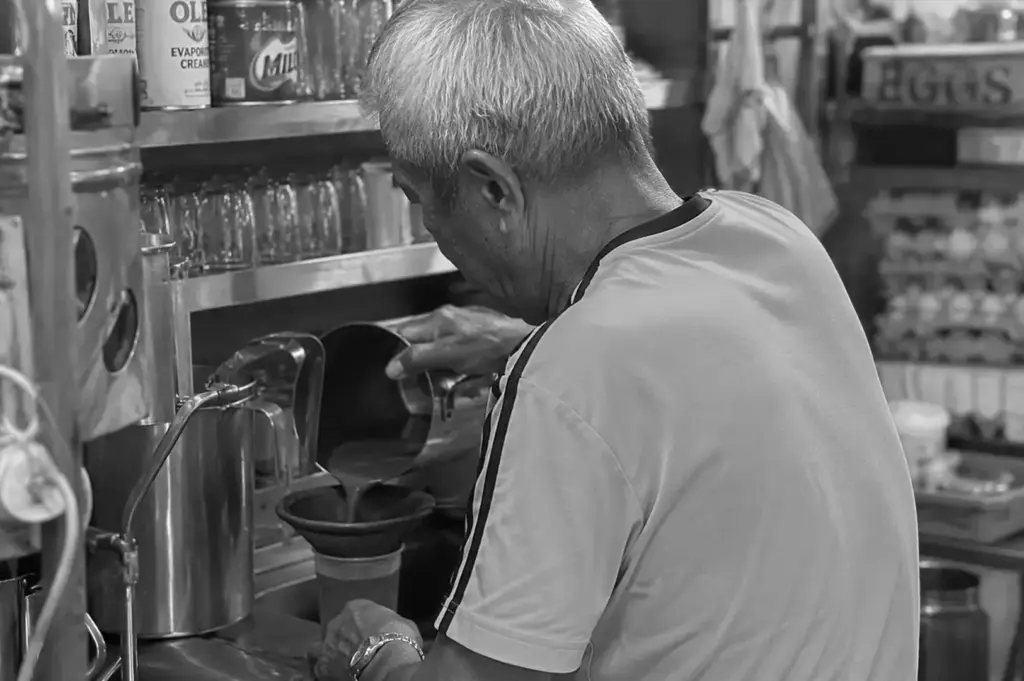
Service at Tong Ah is functional, brisk, and entirely without pretension.
You order, you get your food, you eat. Nobody hovers. Nobody recites a list of recommendations with a rehearsed smile. When I asked for my toast extra crispy, the request was noted without fuss, which I appreciated (they’re used to it, and they get it right).
It’s the kind of service that can read as cold if you’re expecting café warmth. I don’t read it that way. There’s a certain respect in being left alone to eat, in a room where the staff have better things to do than perform hospitality. The turnover is quick because the food is simple, so even when the breakfast crowd came in, seats opened up soon enough.
I came on a weekday, a little after the first rush, and the pace suited me. Enough life in the room to feel alive, not so much that I felt hurried out.
Price, Portions, and Practical Tips for Ah Eating House on Keong Saik Road
Here’s what’s worth knowing before you go.
Good to know before visiting:
Average spend: Around S$5 to S$10 per person for a breakfast of toast, eggs, and kopi. A little more if you add cooked dishes like fragrant chicken.
Address: 35 Keong Saik Road, Singapore 089142
Nearest MRT: Outram Park MRT, a short walk away
Opening hours: Roughly 7:00am to 10:00pm daily, though some listings show an earlier close. Go earlier if you’re making a special trip.
Parking: Limited and pricey around Keong Saik at peak hours. The MRT, a bus, or a Grab is the easier call.
Reservations: None. This is a walk-in kopitiam, and it should be treated as one.
Best time to visit: A weekday morning after the initial breakfast rush, or mid-afternoon. Avoid weekend breakfast if you’d rather a calmer table.
Best for: Kaya toast lovers, kopi drinkers, and anyone wandering Chinatown or Keong Saik Road who wants a real heritage breakfast stop.
Portions are typical kopitiam size, which is to say light and meant to be combined. One order of toast, a pair of eggs, and a cup of coffee made a proper, satisfying breakfast for me without leaving me heavy. This is food built for the start of a day, not a feast.
Final Verdict on Tong Ah Eating House: A Place to Enjoy the Great Taste of Singapore’s Heritage
Tong Ah Eating House is worth your morning, as long as you come understanding what it is.
Food: 4/5
Service: 4/5
Atmosphere: 4/5
Would I return? Yes, and probably on another quiet weekday morning when Keong Saik Road still belongs to the shophouses. What would I order again? The super crispy toast first, the half boiled eggs and traditional kopi to go with it, and the French toast kaya if I’ve brought someone new.
Who is this for? People who love a proper kopitiam breakfast, who take comfort in the crackle of over-toasted bread and a strong dark cup. Tourists and overseas customers exploring the area who want something real rather than staged. Who might not love it? Anyone chasing an air-conditioned cafés in Singapore, elaborate brunch plates, or warm, chatty service. This is plain, honest food in a plain, honest room.
Is it worth the price? At five to ten dollars for breakfast, easily. But the real value here isn’t in the ringgit-and-cents. It’s in sitting at a marble table on a street that has changed around this place while the toast stayed the same.
I came for a quick breakfast. I left having spent an hour I didn’t plan to, over an empty cup, thinking about how few things last this long. That, I think, is the whole review.
If this review resonated with you, you can find more honest dining stories over at Food Reporters SG.